.jpg)



Planning Guides
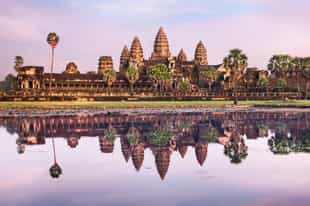
Cambodia Country Guide
Brimming with history, astounding temples and unfiltered beauty
Thailand
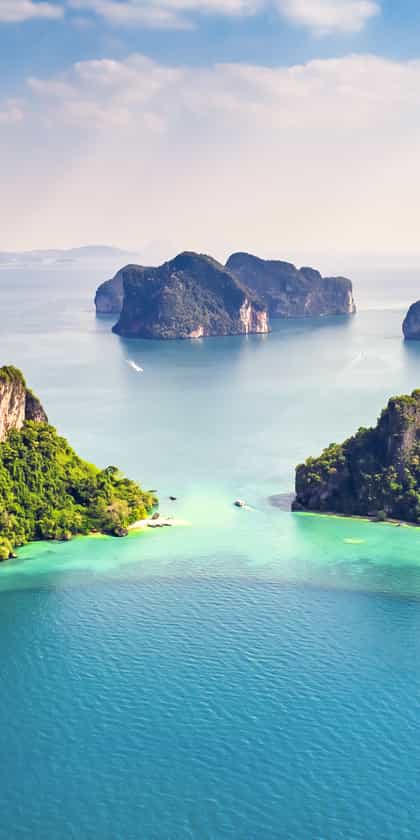
From north to south, the candy-floss coast to the splendour of Bangkok, the kingdom of Thailand is a wonder.

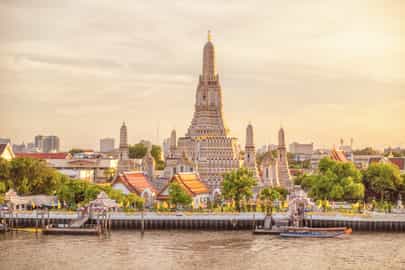
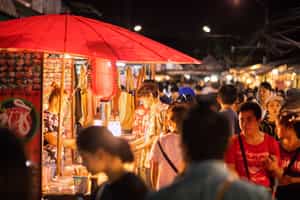
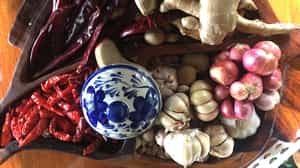
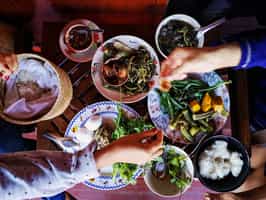
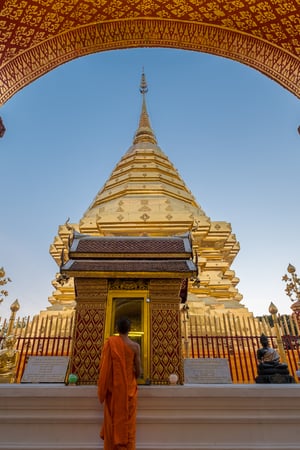
They say variety is the spice of life and if that’s the case, Thailand can have first prize. Generous, invigorating, warm and full of flavour (just like its food), the iconic South East Asian nation is as surprising as is expected and as diverse as it is familiar. There are buzzing, beeping cities, rural farmlands and historic kingdoms; places to escape the world and places to discover a whole new world; places to adventure and explore, and places to chill-the-heck-out on a four-poster sun-lounger where the sand meets the sea. Religion, of course, is never far away and golden Buddha and shiny temples sit around almost every corner, serenely watching over the land. Then, there are the eateries. Food is what makes Thailand tick and the island is a microcosm of flavours, from deep fried crab dumplings at a roadside stall to sheer culinary magic in restaurants made for romance. Really what we’re trying to tell you is that Thailand has something for everyone and even when you think you know it, there’s always something unexpected to tempt you back…

Thailand is one of the most popular destinations in the world for good reason, and the balance of iconic sights and forgotten corners, beach and jungle, food and culture is enchanting.

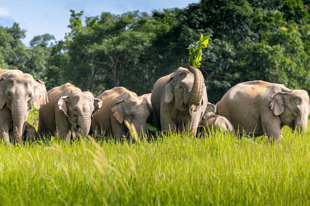
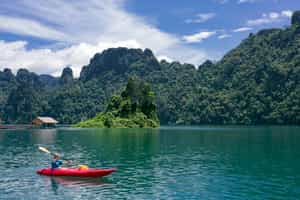
Mention Thailand and most probably think of wave-lapped sands – or Leonardo di Caprio – but venture inland to the national parks and spot rare wildlife, stay in treehouses and marvel at jungle scenery that will make your jaw drop.

It’s no secret that parts of Thailand have a somewhat insalubrious reputation, but don’t let that tarnish your idea of a trip. The country has a remarkable knack for reinventing itself and we guarantee that you won’t be disappointed…
Start with a recommended trip or create one from scratch
13 nights from $5.3K per person
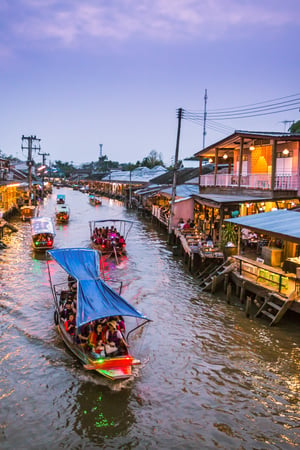
11 nights from $6K per person
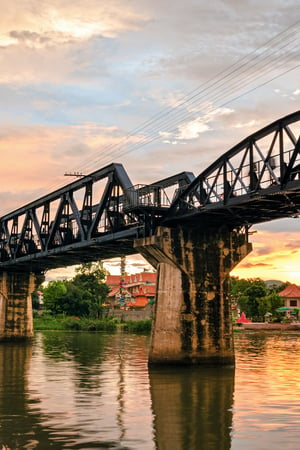
13 nights from $3.7K per person
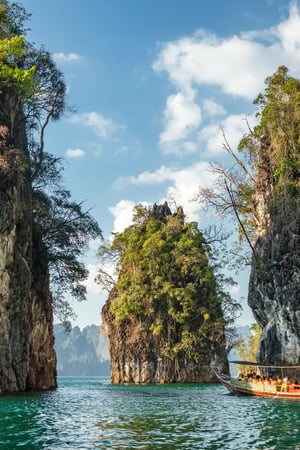
11 nights from $3.9K per person
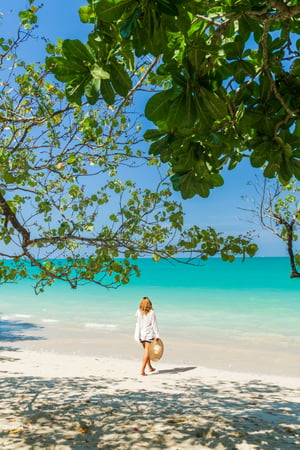
9 nights from $2.5K per person
Get advice and suggestions to make this your perfect trip.
or call us on: +1 (646) 542 0667
Go beyond the big names of Bangkok and Phuket to discover ancient wonders, natural splendour and clandestine islands of Thailand.
,url-https%3A%2F%2Fassets.waybird.com%2Fcdn-cgi%2Fimage%2Fwidth%3D12%2Cformat%3Dauto%2Fhttps%3A%2F%2Fassets.waybird.com%2Fimages%2Fmap%2Fpin-primary-outlined.png(98.767787,8.046094),url-https%3A%2F%2Fassets.waybird.com%2Fcdn-cgi%2Fimage%2Fwidth%3D12%2Cformat%3Dauto%2Fhttps%3A%2F%2Fassets.waybird.com%2Fimages%2Fmap%2Fpin-primary-outlined.png(98.964101,18.760735),url-https%3A%2F%2Fassets.waybird.com%2Fcdn-cgi%2Fimage%2Fwidth%3D12%2Cformat%3Dauto%2Fhttps%3A%2F%2Fassets.waybird.com%2Fimages%2Fmap%2Fpin-primary-outlined.png(99.832602,19.906284),url-https%3A%2F%2Fassets.waybird.com%2Fcdn-cgi%2Fimage%2Fwidth%3D12%2Cformat%3Dauto%2Fhttps%3A%2F%2Fassets.waybird.com%2Fimages%2Fmap%2Fpin-primary-outlined.png(99.528343,14.02831),url-https%3A%2F%2Fassets.waybird.com%2Fcdn-cgi%2Fimage%2Fwidth%3D12%2Cformat%3Dauto%2Fhttps%3A%2F%2Fassets.waybird.com%2Fimages%2Fmap%2Fpin-primary-outlined.png(98.527567,8.918092),url-https%3A%2F%2Fassets.waybird.com%2Fcdn-cgi%2Fimage%2Fwidth%3D12%2Cformat%3Dauto%2Fhttps%3A%2F%2Fassets.waybird.com%2Fimages%2Fmap%2Fpin-primary-outlined.png(100.566976,14.352479),url-https%3A%2F%2Fassets.waybird.com%2Fcdn-cgi%2Fimage%2Fwidth%3D12%2Cformat%3Dauto%2Fhttps%3A%2F%2Fassets.waybird.com%2Fimages%2Fmap%2Fpin-primary-outlined.png(98.919148,8.06171),url-https%3A%2F%2Fassets.waybird.com%2Fcdn-cgi%2Fimage%2Fwidth%3D12%2Cformat%3Dauto%2Fhttps%3A%2F%2Fassets.waybird.com%2Fimages%2Fmap%2Fpin-primary-outlined.png(99.082989,7.602096),url-https%3A%2F%2Fassets.waybird.com%2Fcdn-cgi%2Fimage%2Fwidth%3D12%2Cformat%3Dauto%2Fhttps%3A%2F%2Fassets.waybird.com%2Fimages%2Fmap%2Fpin-primary-outlined.png(98.345668,7.917945),url-https%3A%2F%2Fassets.waybird.com%2Fcdn-cgi%2Fimage%2Fwidth%3D12%2Cformat%3Dauto%2Fhttps%3A%2F%2Fassets.waybird.com%2Fimages%2Fmap%2Fpin-primary-outlined.png(98.244094,8.667623),url-https%3A%2F%2Fassets.waybird.com%2Fcdn-cgi%2Fimage%2Fwidth%3D12%2Cformat%3Dauto%2Fhttps%3A%2F%2Fassets.waybird.com%2Fimages%2Fmap%2Fpin-primary-outlined.png(100.059014,9.523256),url-https%3A%2F%2Fassets.waybird.com%2Fcdn-cgi%2Fimage%2Fwidth%3D12%2Cformat%3Dauto%2Fhttps%3A%2F%2Fassets.waybird.com%2Fimages%2Fmap%2Fpin-primary-outlined.png(102.56958,11.658902),url-https%3A%2F%2Fassets.waybird.com%2Fcdn-cgi%2Fimage%2Fwidth%3D12%2Cformat%3Dauto%2Fhttps%3A%2F%2Fassets.waybird.com%2Fimages%2Fmap%2Fpin-primary-outlined.png(98.605374,8.118648),url-https%3A%2F%2Fassets.waybird.com%2Fcdn-cgi%2Fimage%2Fwidth%3D12%2Cformat%3Dauto%2Fhttps%3A%2F%2Fassets.waybird.com%2Fimages%2Fmap%2Fpin-primary-outlined.png(100.02535395800946,9.740659922793288)/auto/600x400?access_token=pk.eyJ1IjoidGltYnVrdHV0cmF2ZWwiLCJhIjoiY2poMGw1eHpkMmRkbDJ6bW8xYWZ5OGpjYyJ9.PYvAO7lUJ40SOpGvwmQLqw&attribution=false&logo=false)
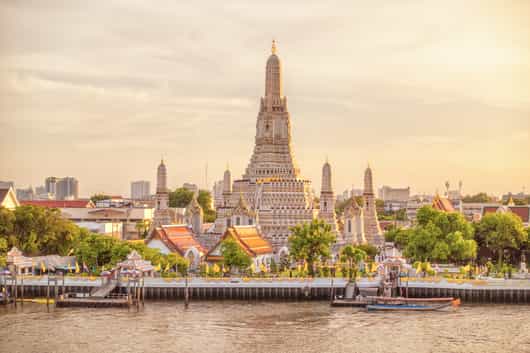
Thailand
Lip-smacking food, craft beer and a great dollop of life in the streets of the city that never rests.
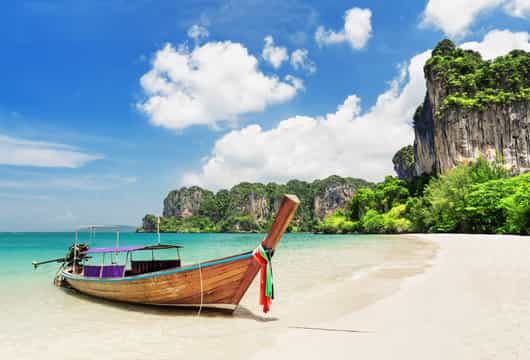
Thailand
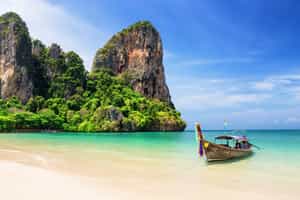
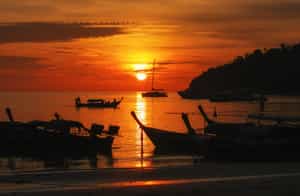
Golden sands, azure waters and swaying hammocks. Sound like a cliché? These islands are even better…
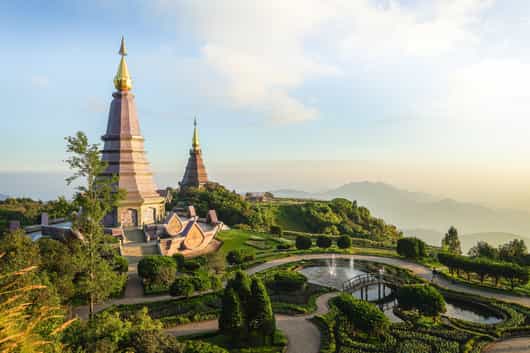
Thailand
Take a low-key look into Thailand’s past and delve into her modern aspirations in this alluring city.
As a rule of thumb, November to February tend to be the most temperate months to visit Thailand. In the north and centre of the island there's no rain but the sticky heat hasn't set in yet so trawling Bangkok and hiking into the hill regions is lovely. The west coast (and Koh Kood on the east) is also a good shout at this time of year as the diving is fantastic and the humidity is gentle. The rains arrive between May and June, which makes the more remote areas less accessible and the beaches lose their shine. However, this is the ultimate time to see the wildlife of Khao Sok National Park. The islands and beaches along the Gulf of Thailand operate on their own timeline with sunny skies and dynamic seas from December to February (calling all water sport lovers!) and after a scorching April and May, the monsoon arrives by September so coastal trips are best avoided. If you fancy experiencing the true party scene of Thailand, it's worth planning to go near a full moon.

Dry Season — one of the best times to visit
The Andaman Sea offers remarkable visibility at the Similan Islands with occasional whale shark sightings later in the month.
Crisp mornings in the northern mountains bring seas of mist and cool trekking conditions across hill-tribe regions.
If the Chinese New Year lands in January, the streets of Bangkok’s Chinatown glow with lanterns and dragon dances.
Dry Season — one of the best times to visit
The Chiang Mai Flower Festival fills the city with floats adorned with orchids and damask roses.
Whale sharks are most reliably seen at Richelieu Rock this month, and visibility remains excellent.
Makha Bucha, a major Buddhist festival, is celebrated with candlelit walks around temple halls, making for an evening experience that’s both atmospheric and meditative.
Dry Season — one of the best times to visit
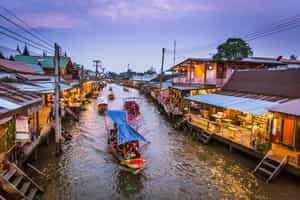
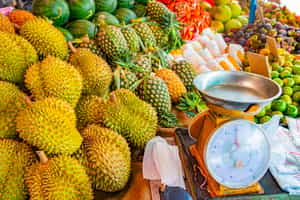
It’s mango season! Thailand is famous for its mangoes, and for good reason. Sold whole or as an ingredient in delectable Thai cuisine, they fill floating markets and street stalls all over the country.
Beautifully clear seas mean excellent diving, with manta rays and whale sharks common at offshore sites.
The skies above the Isthmus of Kra darken with millions of migrating birds of prey – one of nature's most jaw-dropping spectacles, birder or not.
Dry Season — a good time to visit
It’s time to join in the fun of Songkran, which marks the Thai New Year. It’s a joyful nationwide celebration with temple rituals and a lively water festival.
This is Thailand’s hottest month, so we’re headed to the southern islands for long swims and lazy afternoons by the water.
Chiang Mai starts to heat up but remains manageable with shaded cafés and riverside spots.
Dry Season — a good time to visit
Groundhog day? Not here. The Royal Ploughing Ceremony in Bangkok begins the rice growing season with a traditional prediction made by oxen.
The Gulf islands enjoy warm, calm seas and quieter beaches before the summer rush.
Join the crowds for the Bun Bang Fai festival in Yasothon, with lively parades and community celebrations marked by the launching of handmade rockets!
Mixed Season — a good time to visit
Dive to your heart’s content in the Gulf islands, which boast crystal clear water at Chumphon Pinnacle and Sail Rock.
Early monsoon rains revive waterfalls and rainforests, turning Khao Sok National Park into a misty and mysterious landscape to explore.
Wet Season — a quieter time to visit
Thailand takes its candles seriously. The Candle Festival in Ubon Ratchathani features enormous carved beeswax sculptures that get paraded through the city.
Camera essential: Siam tulips carpet Pa Hin Ngam National Park in bright pink – a fleeting rainy-season spectacle that peaks this month.
Wet Season — a quieter time to visit
Queen Sirikit's birthday on August 12th sees Bangkok dressed in blue, with evening light shows adding sparkle to the capital's already vibrant streets.
The Gulf islands offer warm seas and brief showers that clear quickly – your best beach bet while the Andaman coast gets drenched.
Wet Season — a quieter time to visit
Rice paddies turn vivid green as fields flood before harvest. Mirrored surfaces, lush colour – photographers, this one's for you
The Gulf islands remain your go-to for beach time as the rest of Thailand weathers heavier rains.
Wet Season — a quieter time to visit
Phuket Vegetarian Festival brings processions through Old Town and some eye-watering rituals – think fire-walking and pierced cheeks. Not for the faint-hearted.
Northern Thailand eases into its gentler season – ideal for temple-hopping and countryside cycling without melting.
Ok Phansa marks the end of Buddhist Lent with illuminated boats drifting along the Mekong at Nakhon Phanom – quietly magical.
Dry Season — one of the best times to visit
Loy Krathong and Yi Peng overlap: floating offerings on rivers, lanterns filling the sky above Chiang Mai. One of those 'pinch yourself' moments.
The Similan Islands reopen with crystal-clear visibility and abundant marine life – the Andaman's dive season has officially begun.
Golden rice paddies signal harvest time. Traditional techniques are still widely used – a window into rural Thailand that's fast disappearing.
Dry Season — one of the best times to visit
Cool, dry weather sweeps across Thailand. Northern highlands can be crisp in the mornings, so pack a layer or two.
The Andaman Sea hits peak diving season – exceptional visibility and whale sharks returning to sites like Richelieu Rock.
Resorts deck the halls and beach parties ring in the New Year. Thailand does festive season with style.

Being a beacon for anyone seeking gorgeous beaches, historic temples and landscapes that amaze, Thailand is easy to reach. There are six international airports including Chiang Mai, Hat Yai, Krabi, Phuket, Koh Samui and Bangkok’s Suvarnabhumi Airport, where most travellers choose to begin their travels. The fastest and most comfortable route to Thailand from the UK is to take a direct flight from London to Bangkok with Qantas, British Airways, Thai Airways or Eva Airways, which takes approximately 11 and a half hours. Thai Airways offers convenient flights from LA to Bangkok with a one-hour stopover in Seoul. If you’re flying from the east or west coast of the USA, there are a number of other flights from various airlines with one stop on the way. There is no shortage of scheduled flights from Australia to Bangkok, including major cities like Sydney and Perth at around nine hours flying time. Thailand is large so most itineraries will include domestic flights, especially if you’re combining the tranquil north with the sunny southern coast. It is possible to travel from Bangkok to Chiang Mai on the overnight train, but it’s not the most comfortable route. The best way to get the most out of your trip is to journey to your next destination by road (usually with a private driver and guide).
Thailand’s climate, wildlife and cuisine present fewer health concerns than many other Asian destinations, but there are still recommended precautions to take before and while you travel. A couple of things to think about are only drinking treated/bottled water, carrying hand sanitiser with you, avoiding water activities if you have an open cut, and sussing out street food stalls before you order (some tell-tale signs of a vendor to avoid include flies, a lack of customers and food that’s been sitting out a while). There are no compulsory vaccinations but it’s important to speak with your doctor preferably four weeks in advance in case the need arises. Pickpocketing and bag-snatching remain a problem, especially in the tourist hubs, markets and cities so it’s best to have a bag with a zip kept close to you, leave your valuables in the hotel safe if you feel better doing so and keep an eye on your belongings as you travel around Thailand.
Gratuities This is just a guideline as tipping is discretionary and the amount you give is up to you. Tipping can be in the local currency or USD. It is best to tip at the end of the day, end of the activity or at the end of your stay, given to the guide, driver or the manager to be distributed amongst the staff. Gratuities suggestions: Private guide: $10 per person per day Private driver: $5 per person per day General staff: $10 per person per day Waitstaff in a city restaurant: 10% (large group may incur automatic service charge - please check)
Insurance It is a condition of booking that you carry the correct comprehensive travel and medical insurance to cover yourself, as well as any dependents/travelling companions for the duration of your trip. This insurance should include cover in respect of, but not limited to, the following eventualities: Compulsory Insurance: a. Emergency evacuation expenses b. Medical expenses c. Repatriation expenses Recommended Insurance: a. Cancellation or curtailment of trip b. Damage/theft/loss of personal luggage, money and goods
If you have a passport from the UK, Ireland, the USA, Canada, Australia, New Zealand and South Africa, you will be able to visit Thailand for a short stay without having to apply for a visa. For more information on visa requirements, visit the Visa Project - https://thevisaproject.com/thailand-visa/. All travellers entering Thailand must complete the Thailand Digital Arrival Card (TDAC). This is free of charge and must be submitted at least 3 days prior to arrival via the following link - https://tdac.immigration.go.th/arrival-card/#/home
Thailand’s climate varies from coast to countryside, and what you pack depends on when you’re travelling (see our guide on when to go to plan for the weather on your trip) but we’ve put together a list of items to get you started: - Hat and sunglasses - Comfortable sandals and closed shoes for possible hiking - Light, loose-fitting clothing including items that cover your arms, legs and shoulders - Something more fancy for dining out - Camera - Travel adapter (electricity runs on 220 volts and round or flat two-pin plugs are most commonly used) - Earplugs - Rain gear and a dry bag if you’re travelling in the rainy season (July - October) - Driving licence and International Driving Permit (if renting a car) - Thai phrasebook

We’re big believers in leaving a positive impact in the countries in which we operate. We’re proud to donate $50 for every booking to projects focusing on female empowerment, tech education, conservation, and so much more.
Our dream is to empower our guests to travel with a purpose.
So far, we’ve donated $107,000 to projects across the globe.


Why travel with Timbuktu?

We've been crafting one-of-a-kind journeys since 2014 — over 2,500 trips across 40+ countries, each one built from scratch around your interests and dreams.

Our team only recommends places they've slept in, eaten in, and happily keep going back to. Condé Nast Traveler named 11 of them Top Travel Specialists in 2026, and Travel+Leisure made three A-List Advisors.

Travel+Leisure's readers voted us the World's No.1 Tour Operator in 2024 and No.2 in 2025 — the travel industry's biggest readers' award, judged by people who actually travel.

$50 from every booking goes to female empowerment, tech education, and conservation projects across the countries we love. We have donated $78,000 so far – and it's going up!

Your travel specialist is with you the whole way, dreaming up the trip, building the itinerary, checking you in, and answering the 2am question from the other side of the world..

We are rated 4.9 out of 5 from 992 verified Feefo reviews. And these are the words of people who actually went, not us talking about ourselves.
11 Condé Nast Traveler Top Travel Specialists 2026

No. 1 & No. 2 Tour Operator in Travel + Leisure's Best Awards 2024 & 2025

Best Booking Platform in Women's Health Travel Awards 2025

Travel Specialist voted as Latin America A-List Travel Advisor 2025

"Timbuktu can take relatively complex and slightly amorphous travel plans and transform them into a well-organized, perfectly tailored trip."