.jpg)

/36.565784096717806,5.780027822233842,6/600x400?access_token=pk.eyJ1IjoidGltYnVrdHV0cmF2ZWwiLCJhIjoiY2poMGw1eHpkMmRkbDJ6bW8xYWZ5OGpjYyJ9.PYvAO7lUJ40SOpGvwmQLqw&attribution=false&logo=false)
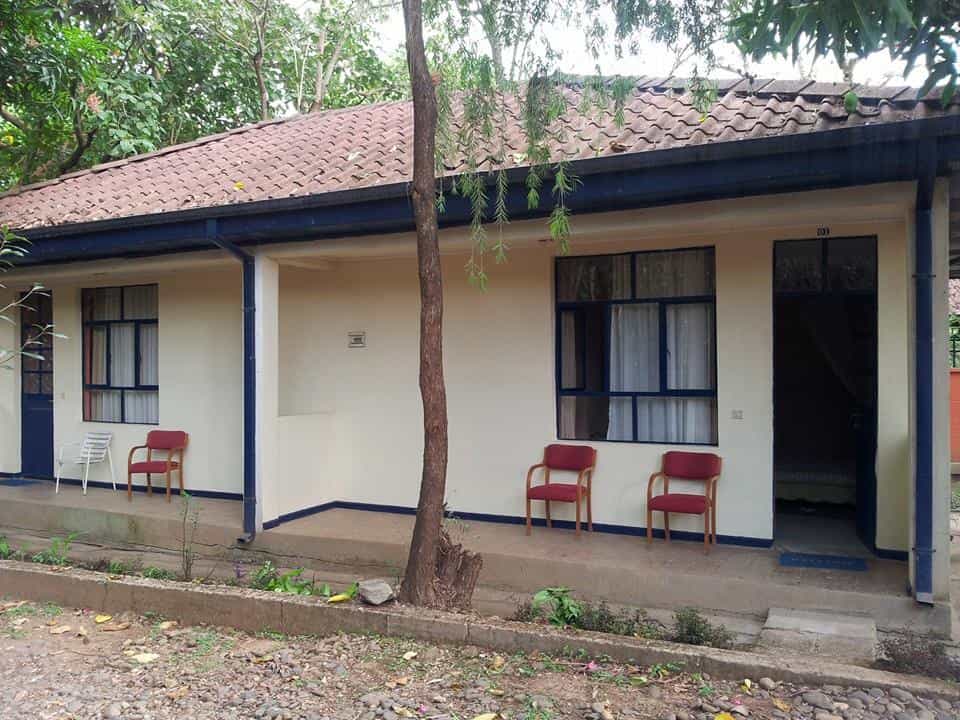
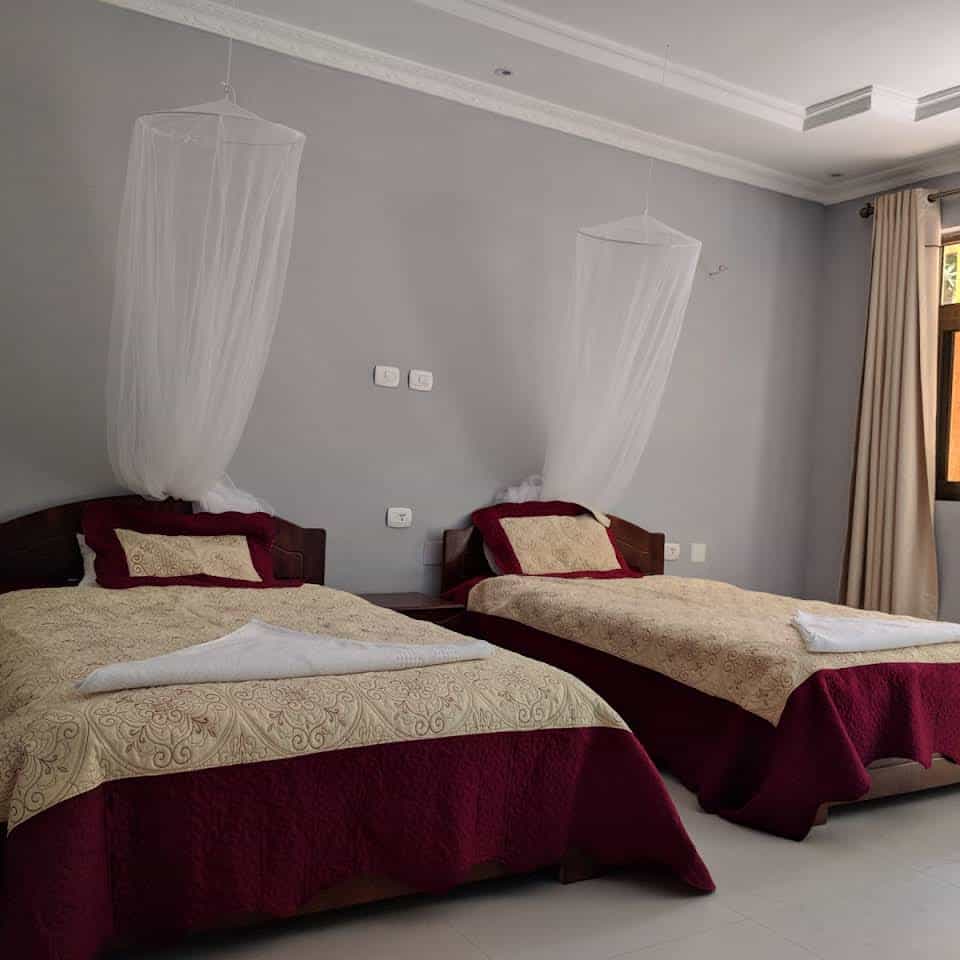
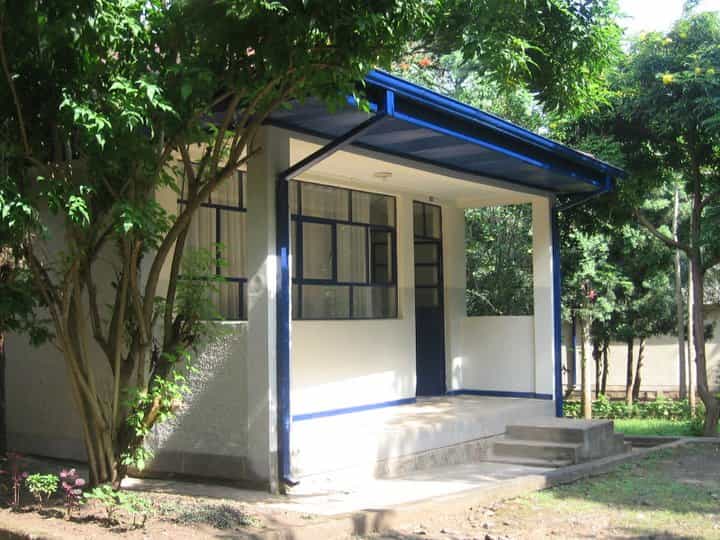
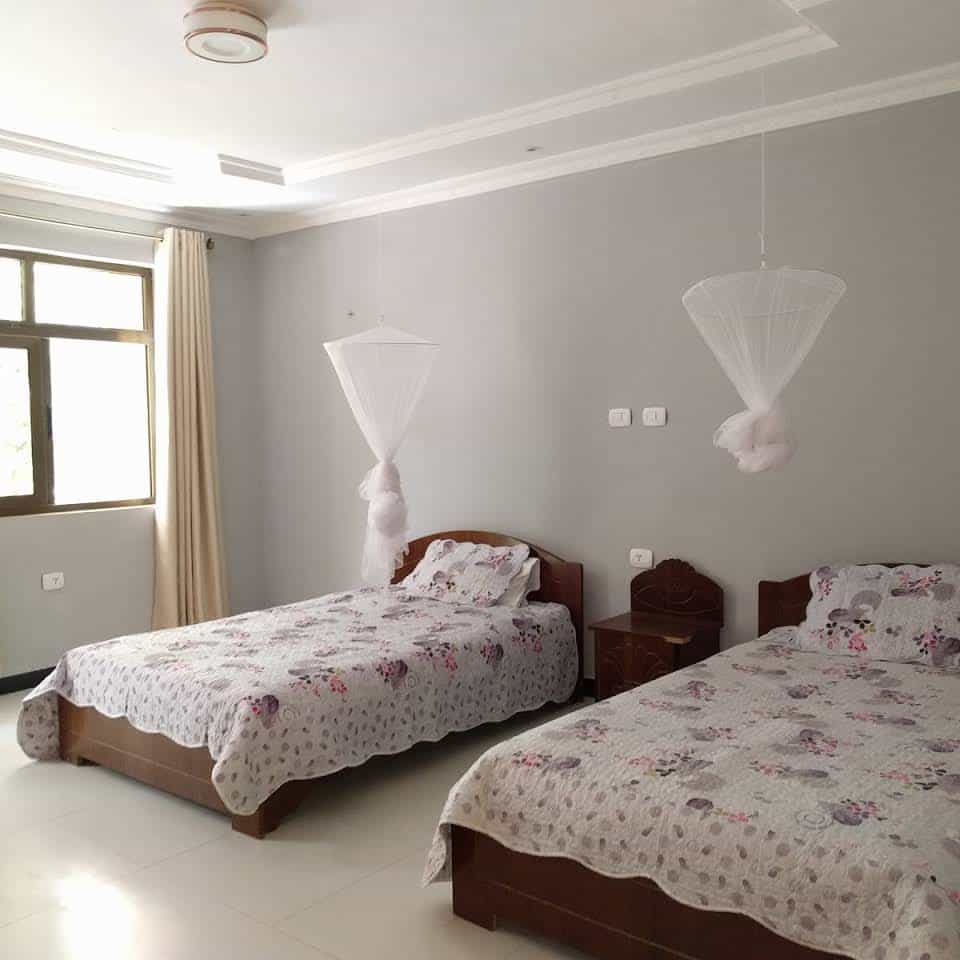
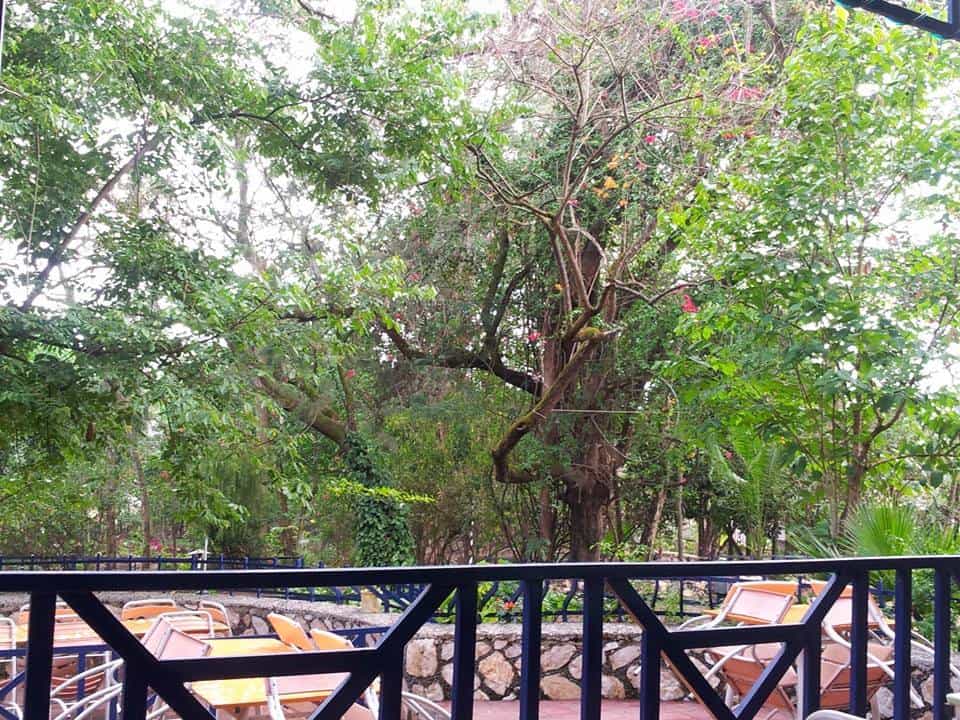
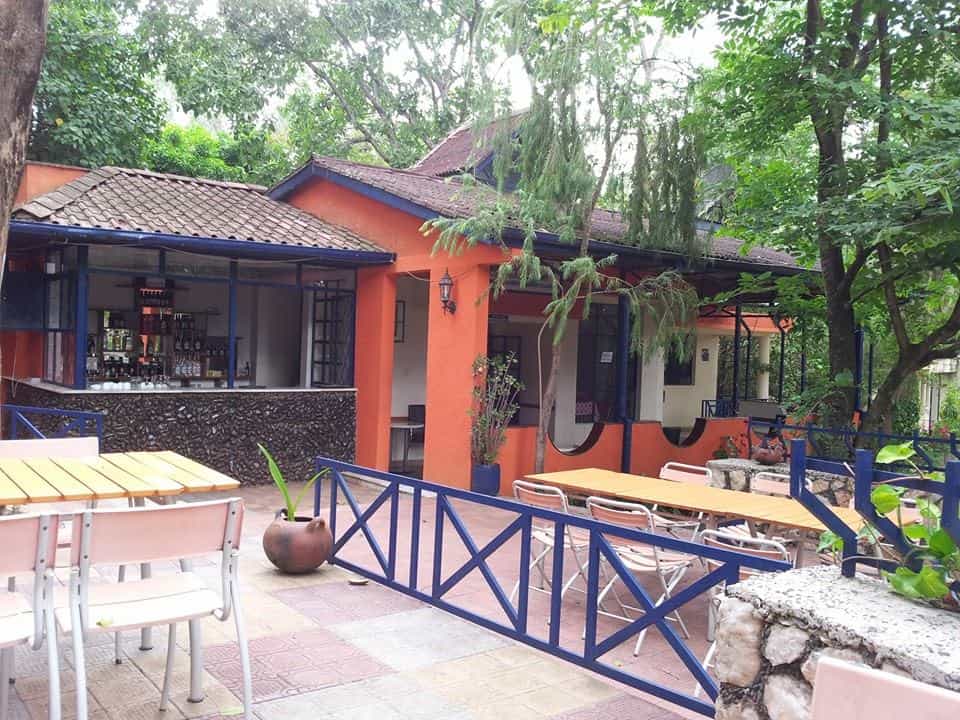
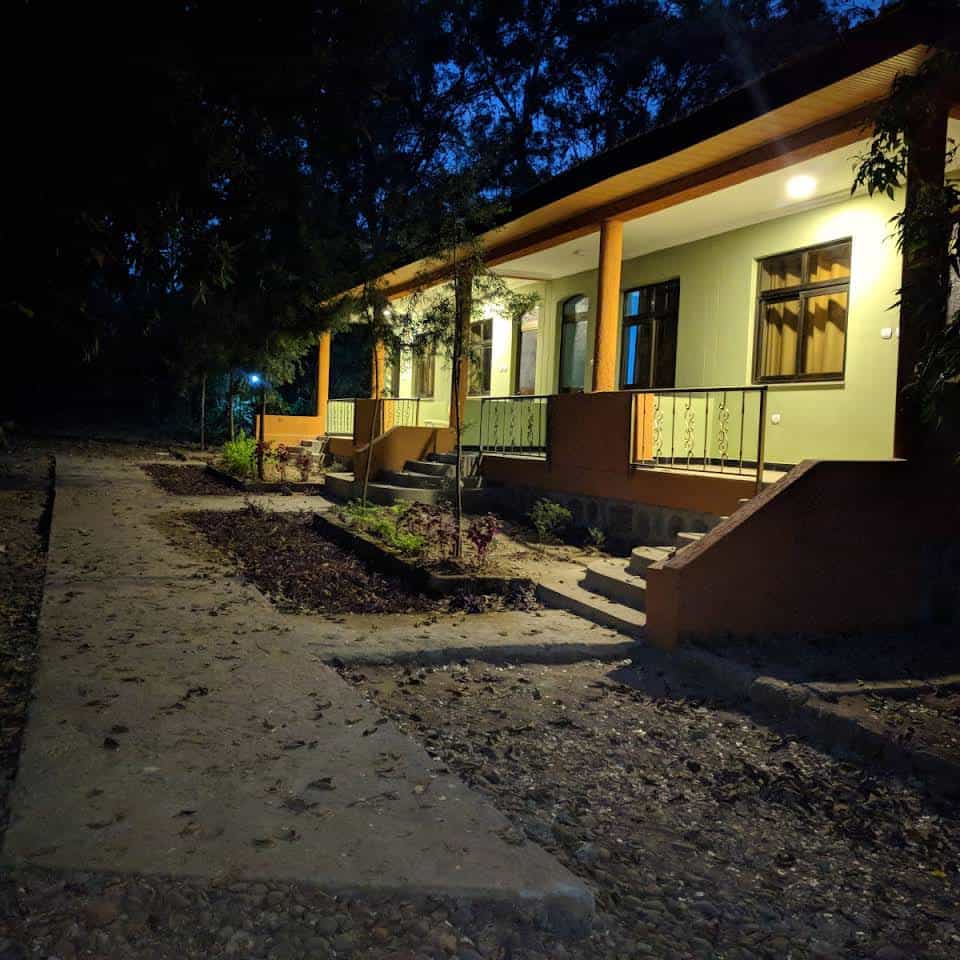
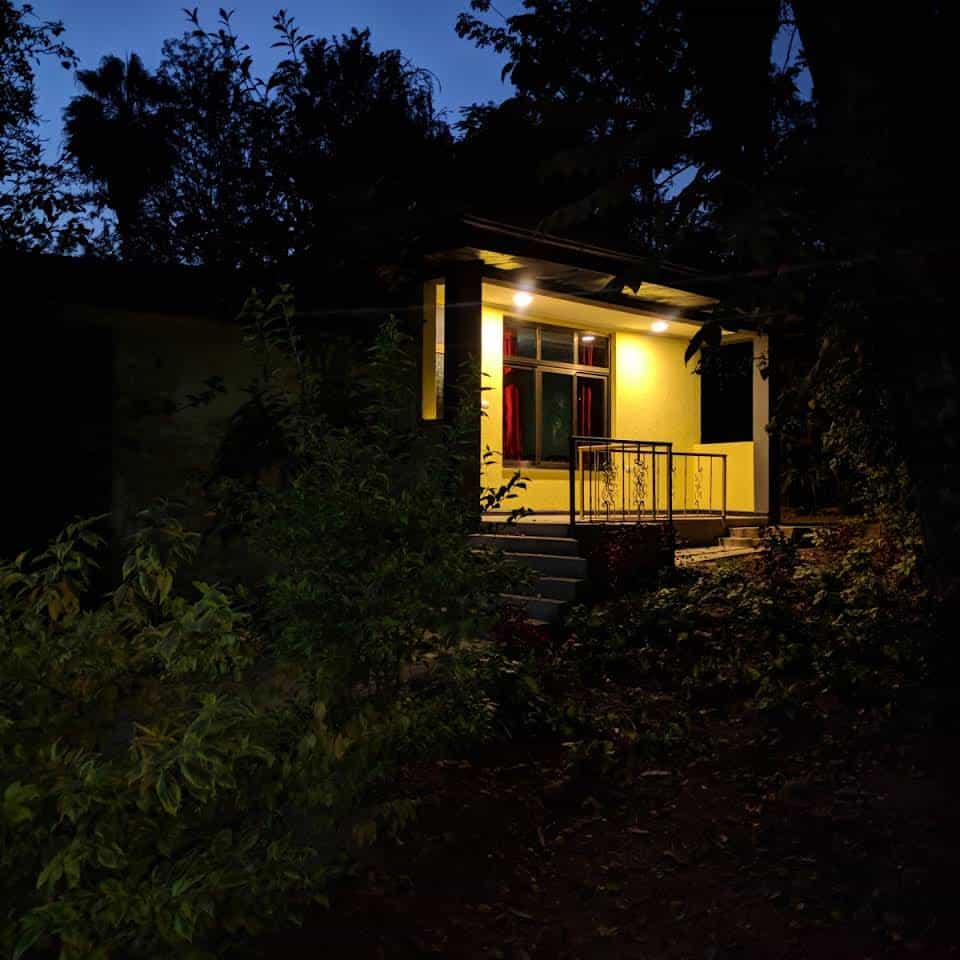
Rooms are simple, consisting of little more than beds (comfy and clean) with mosquito nets. En-suite bathrooms have showers (mostly hot, powered by electric geysers). Tiled floors keep things cool-ish (there is no aircon or fan), and a small porch out front lets you sit and gaze into the garden. There are camping sites for those who come bearing tents, with shared bathroom facilities but no kitchen.



Start with a recommended trip or create one from scratch
Jinka Resort can be booked with Timbuktu as part of a tailor-made Ethiopia trip, rather than as a standalone room reservation. Start online, customising one of our recommended Ethiopia trips featuring Jinka Resort or get advice and suggestions from one of our Ethiopia specialists who will design the trip around your dates, check availability and handle every booking for you.
Stays at Jinka Resort start from around $30, or US$30, per person per night as part of a tailor-made trip. The exact price depends on your travel dates, room type and the shape of the rest of your itinerary. A Timbuktu travel specialist can give you an accurate quote for your dates.
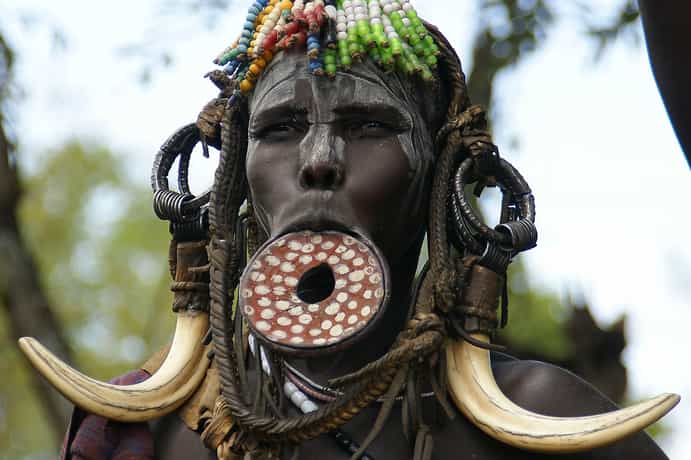
Meet the most remarkable indigenous groups in Africa in this bizarre land, untouched by time.


.jpg)