
/39.0365481,12.0389851,6/600x400?access_token=pk.eyJ1IjoidGltYnVrdHV0cmF2ZWwiLCJhIjoiY2poMGw1eHpkMmRkbDJ6bW8xYWZ5OGpjYyJ9.PYvAO7lUJ40SOpGvwmQLqw&attribution=false&logo=false)
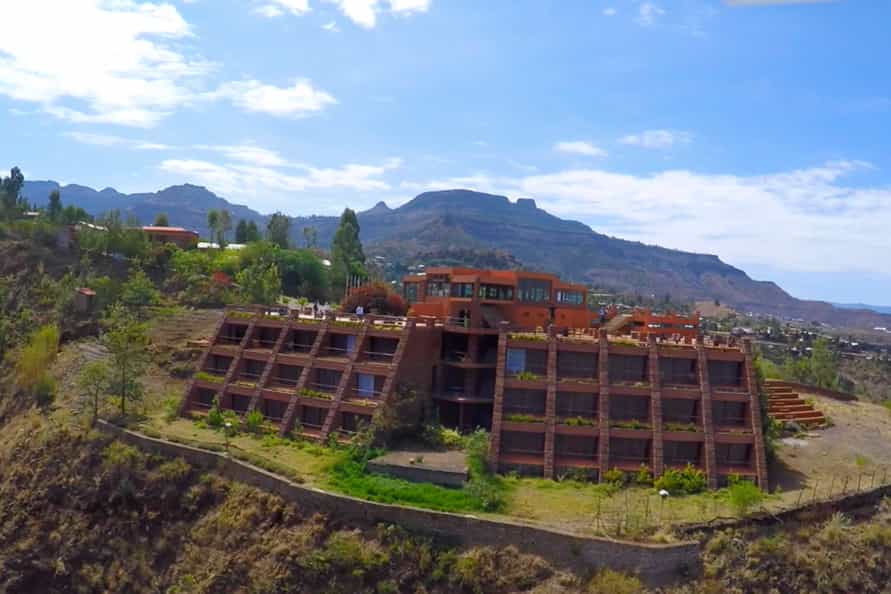
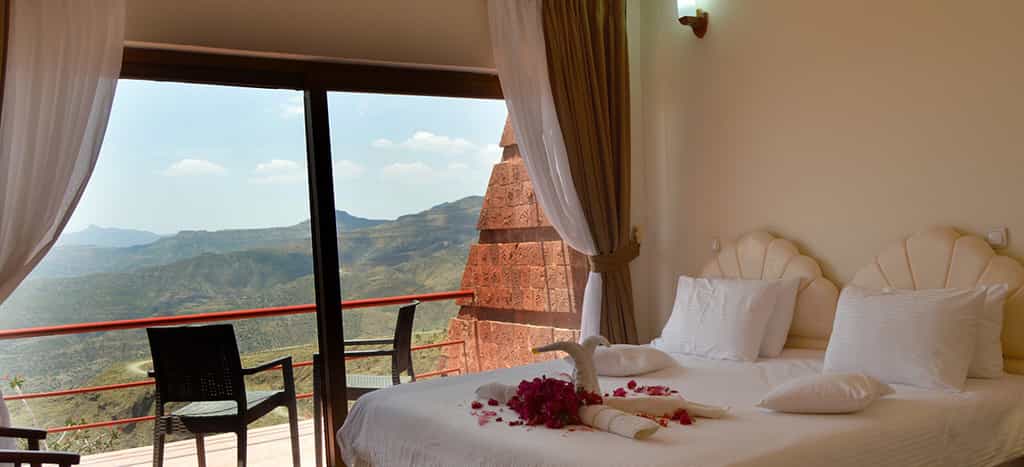
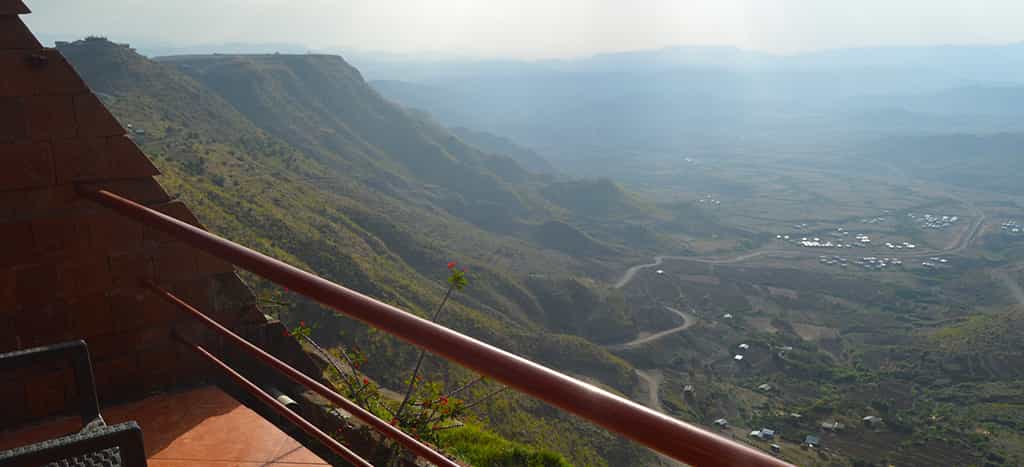
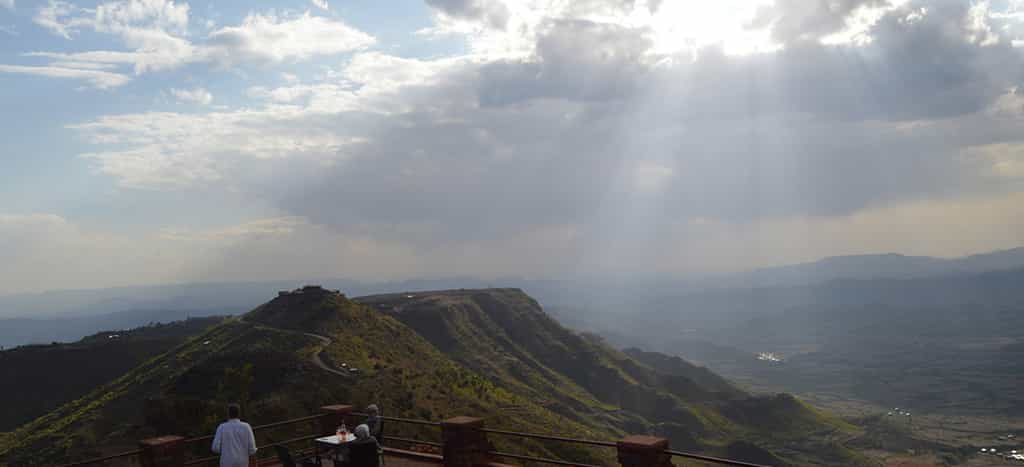
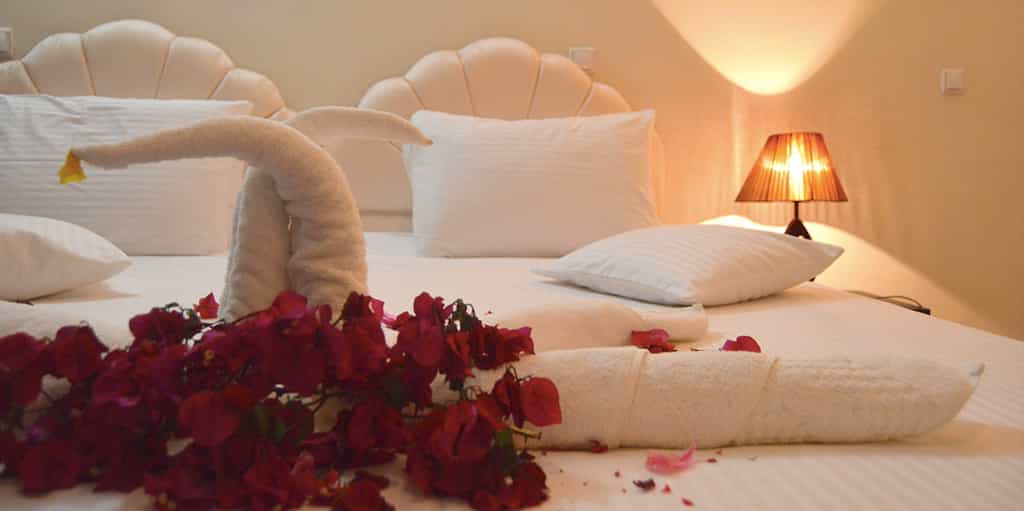
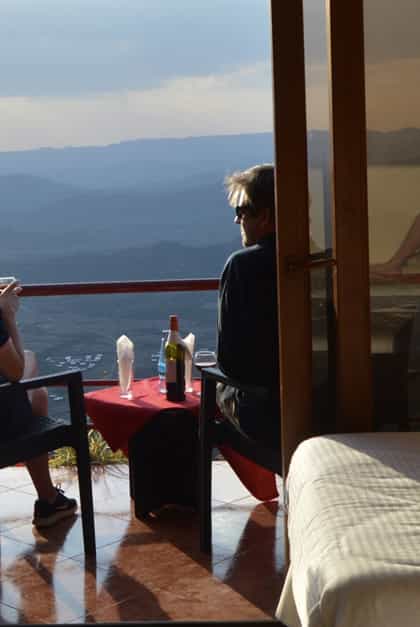
Rooms range from singles and doubles to triples and suites. Besides the addition of extra, rather firm, beds (either a queen or twins), there's very little to set them apart. Each has an en-suite bathroom with shower and tub, a few lounge chairs, a writing desk ,and a balcony overlooking the valley. You won't find luxury here, but there's plenty of light and everything is well maintained and tidy. Notably, each room enjoys as good as view as the next.
Start with a recommended trip or create one from scratch
Mountain View Hotel can be booked with Timbuktu as part of a tailor-made Ethiopia trip, rather than as a standalone room reservation. Start online, customising one of our recommended Ethiopia trips featuring Mountain View Hotel or get advice and suggestions from one of our Ethiopia specialists who will design the trip around your dates, check availability and handle every booking for you.
Stays at Mountain View Hotel start from around $60, or US$60, per person per night as part of a tailor-made trip. The exact price depends on your travel dates, room type and the shape of the rest of your itinerary. A Timbuktu travel specialist can give you an accurate quote for your dates.
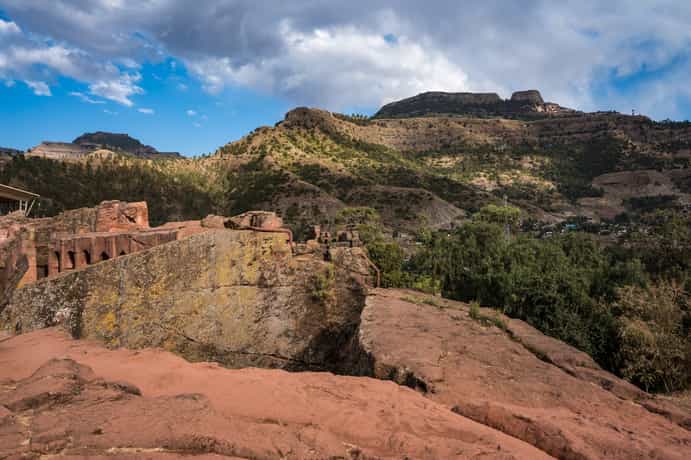
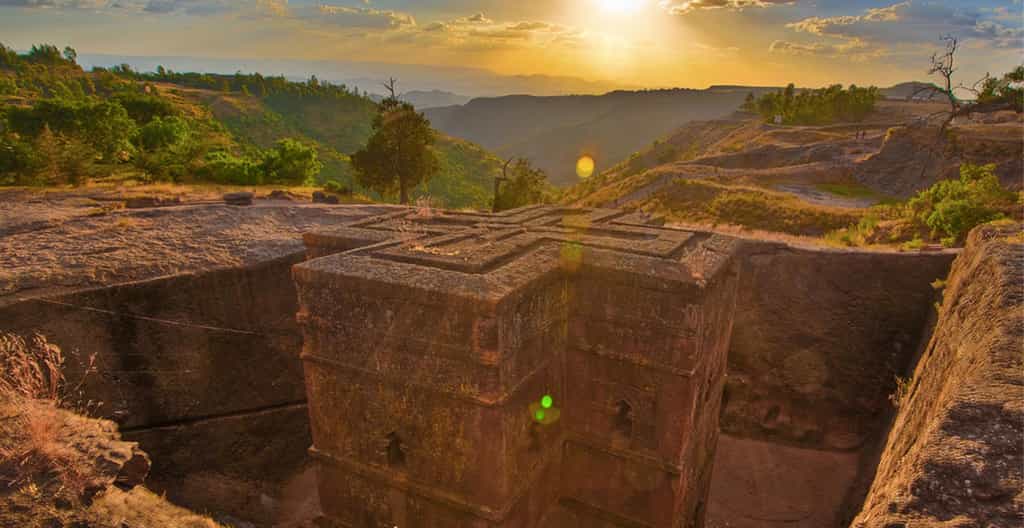
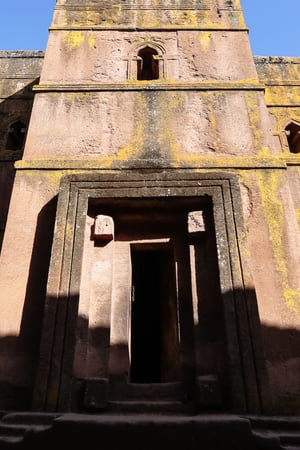
An ancient world of spectacular, sunken churches, frozen in time in rose-gold rock.