
/23.34833024342852,-18.556539626994862,6/600x400?access_token=pk.eyJ1IjoidGltYnVrdHV0cmF2ZWwiLCJhIjoiY2poMGw1eHpkMmRkbDJ6bW8xYWZ5OGpjYyJ9.PYvAO7lUJ40SOpGvwmQLqw&attribution=false&logo=false)
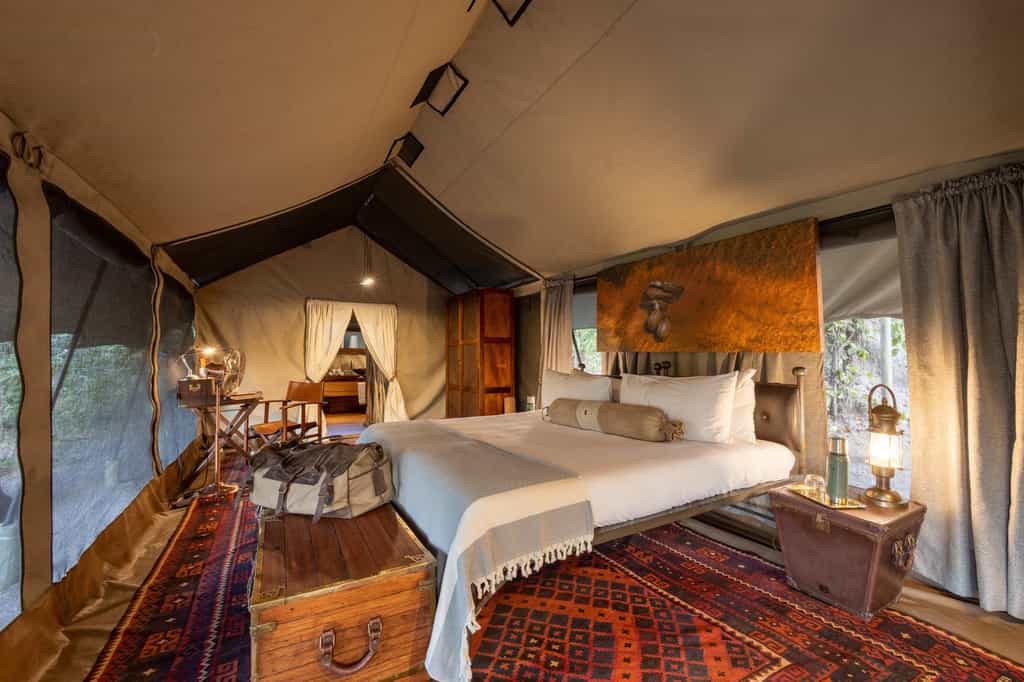
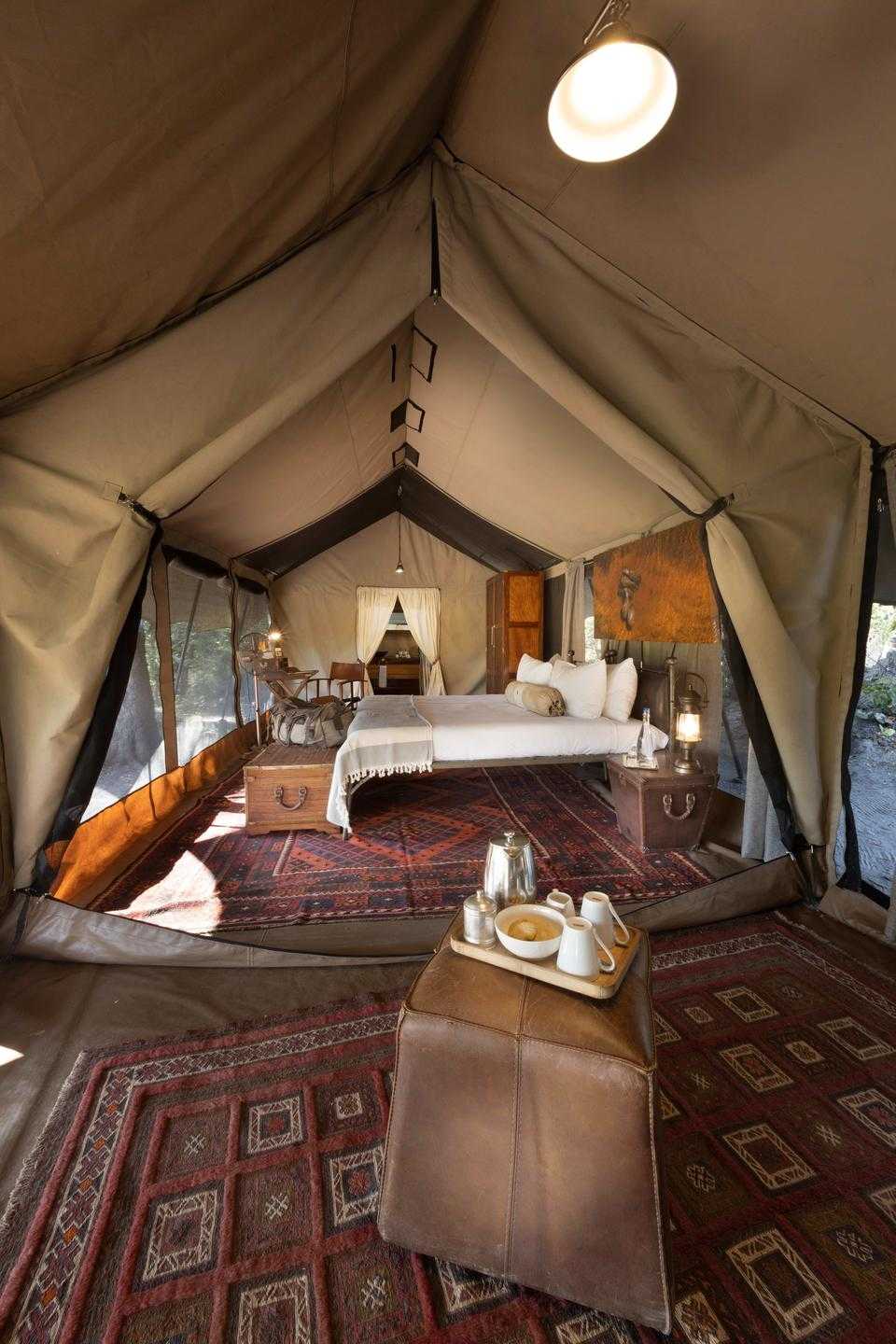
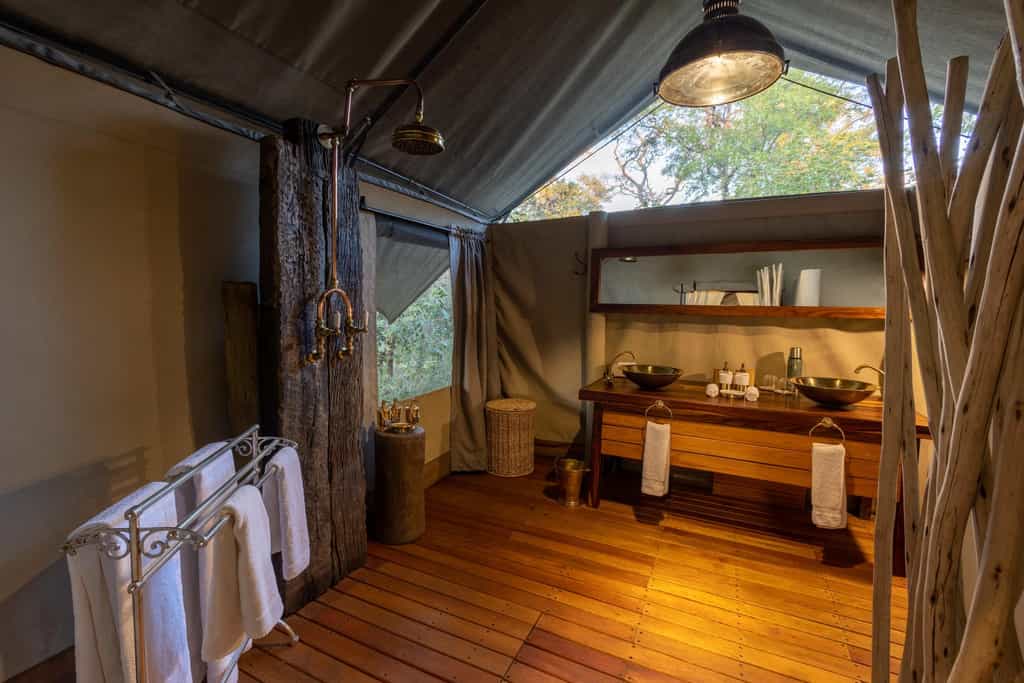
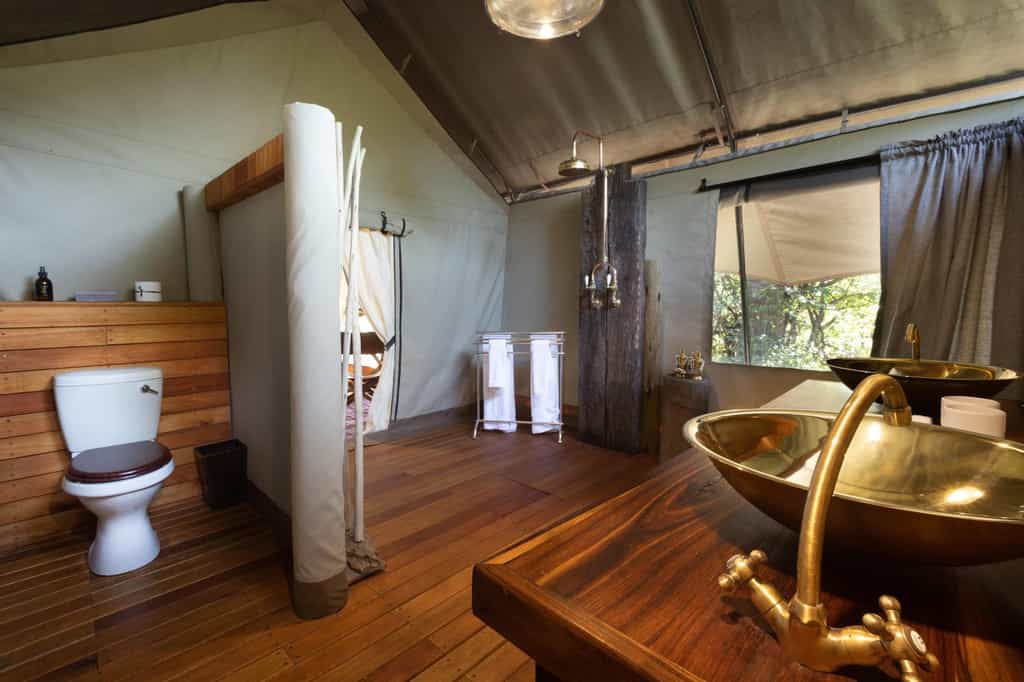
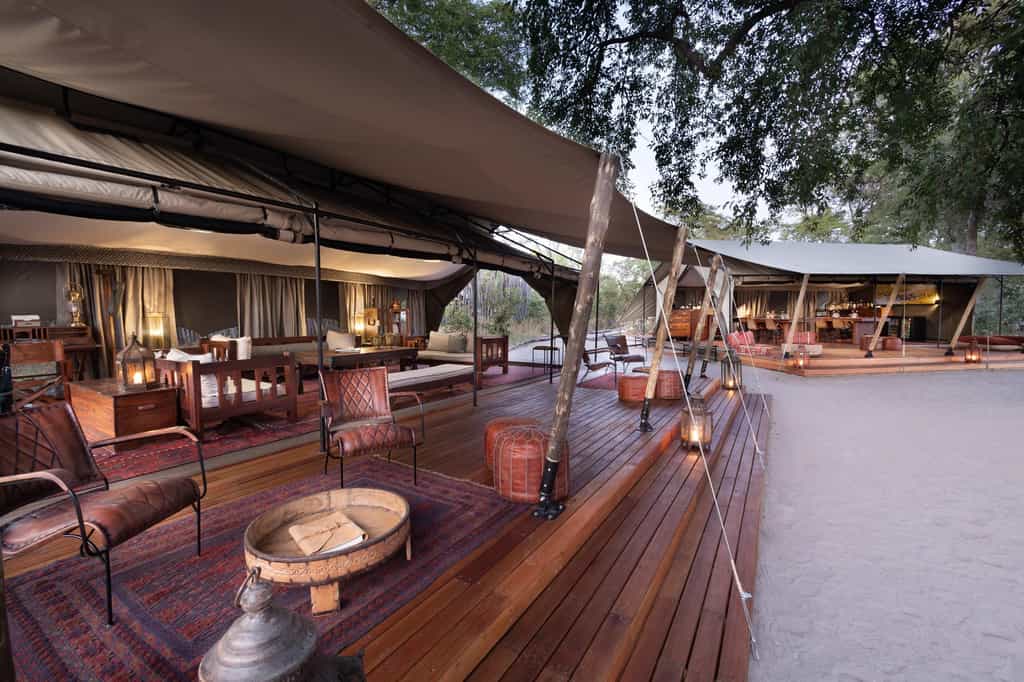
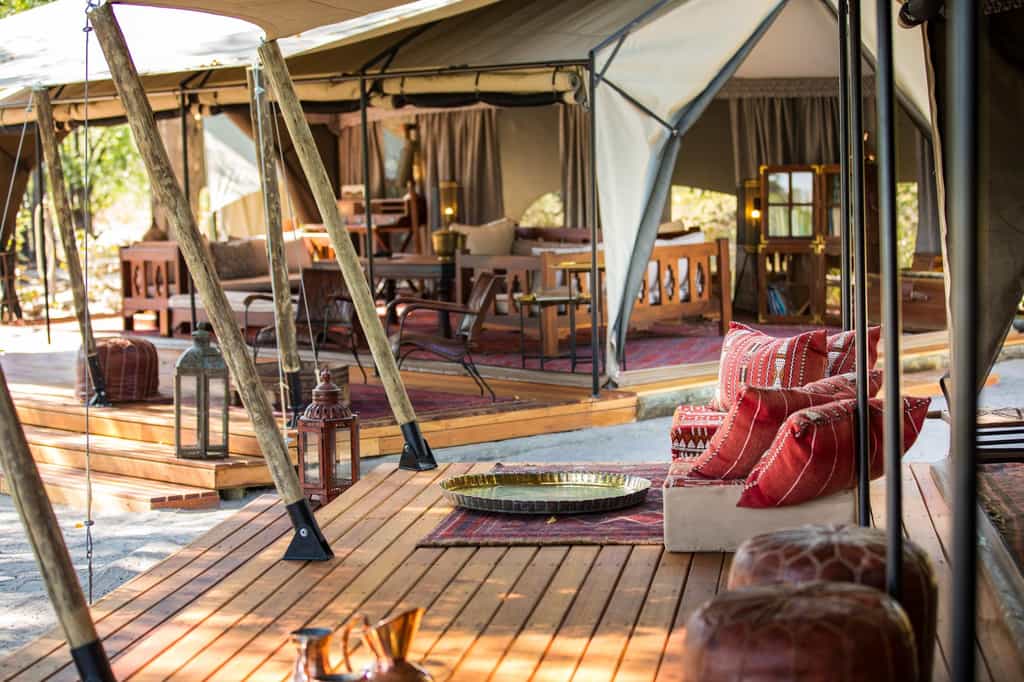
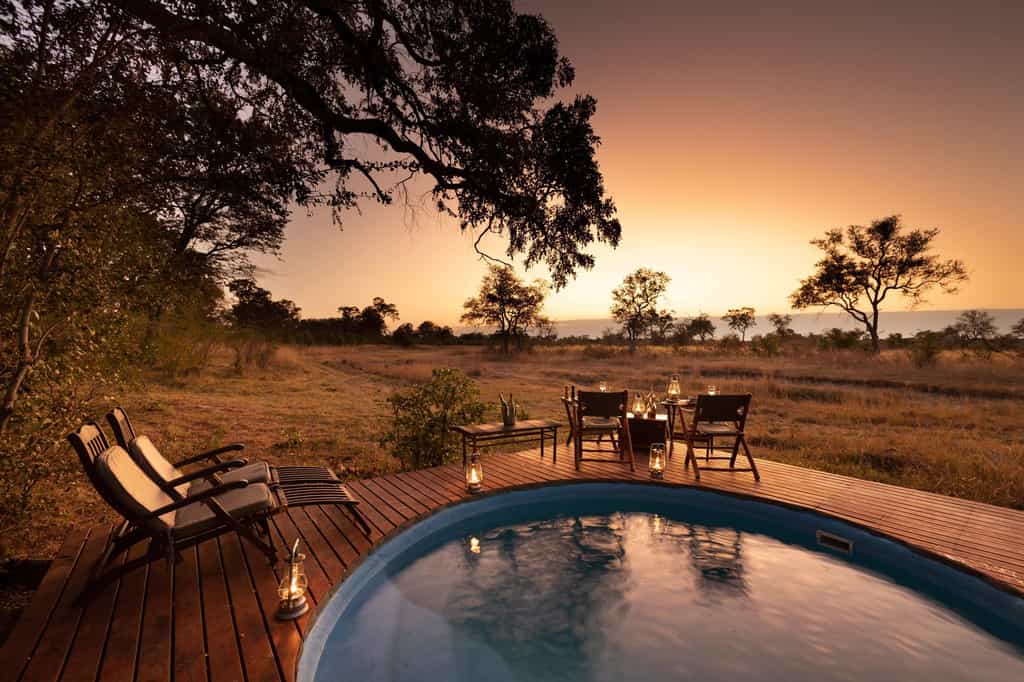
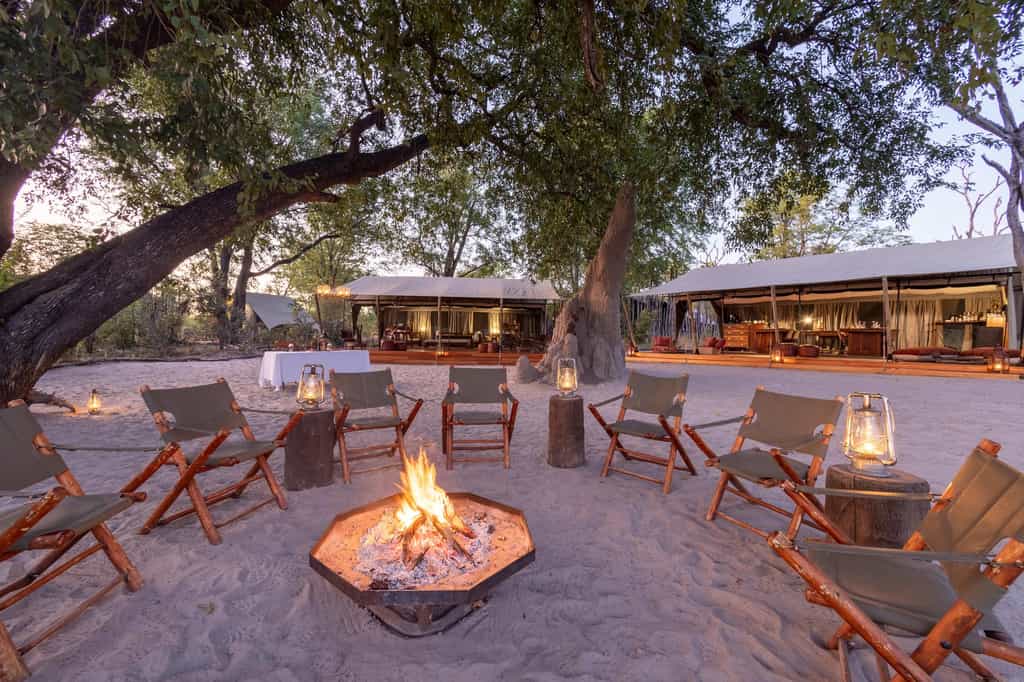
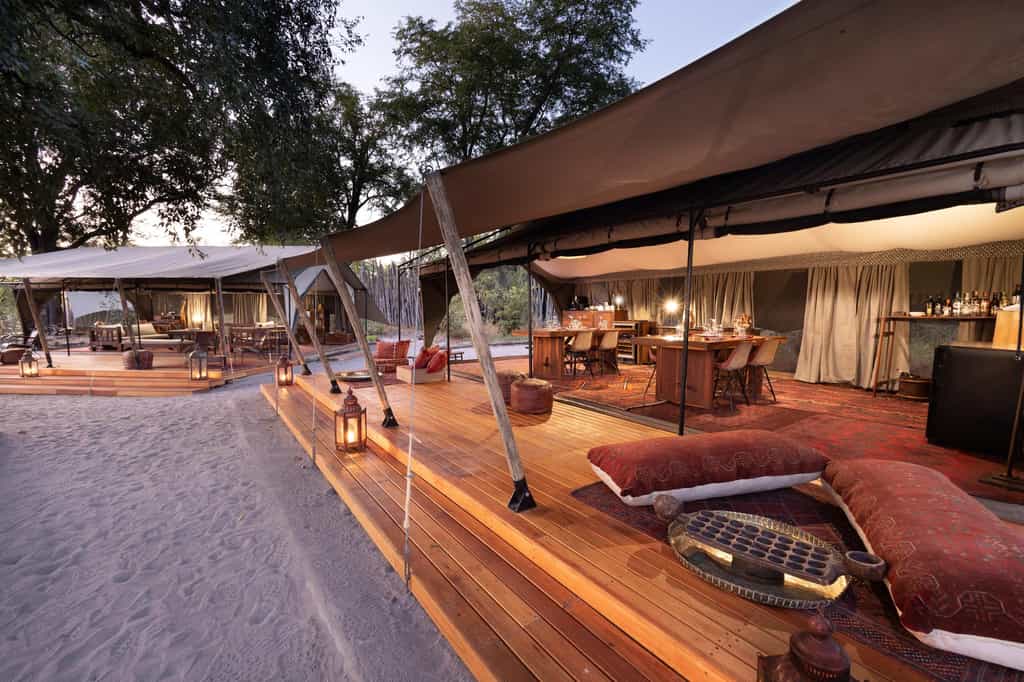
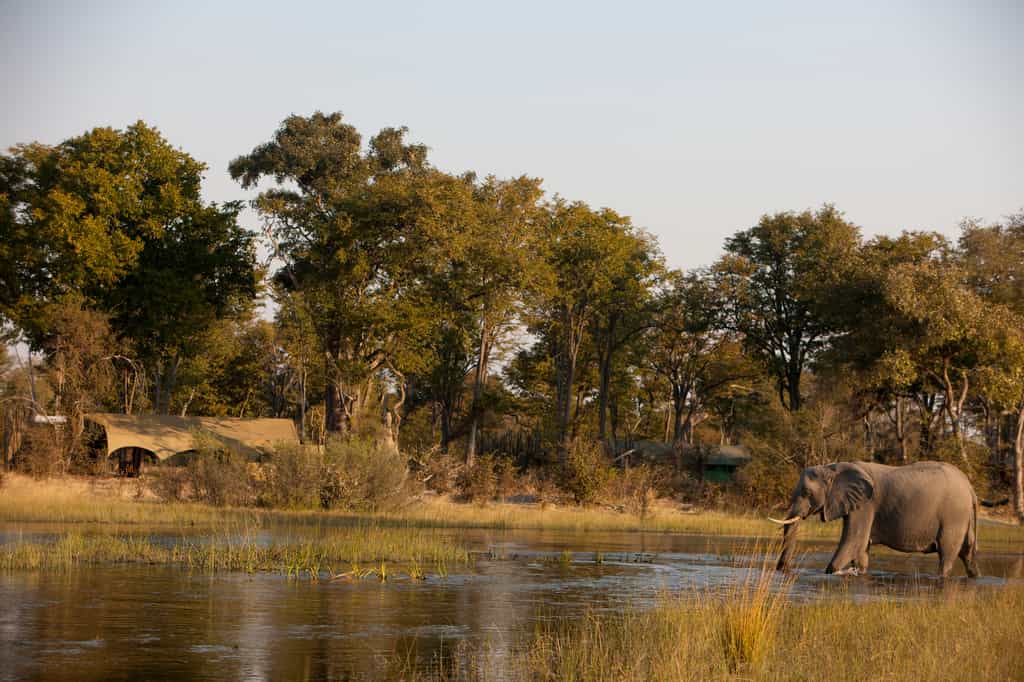
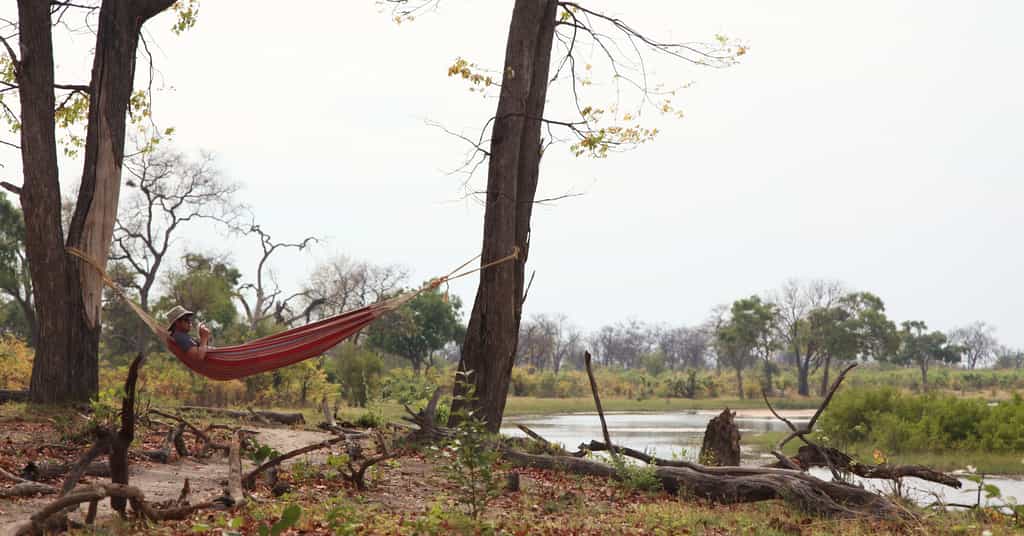
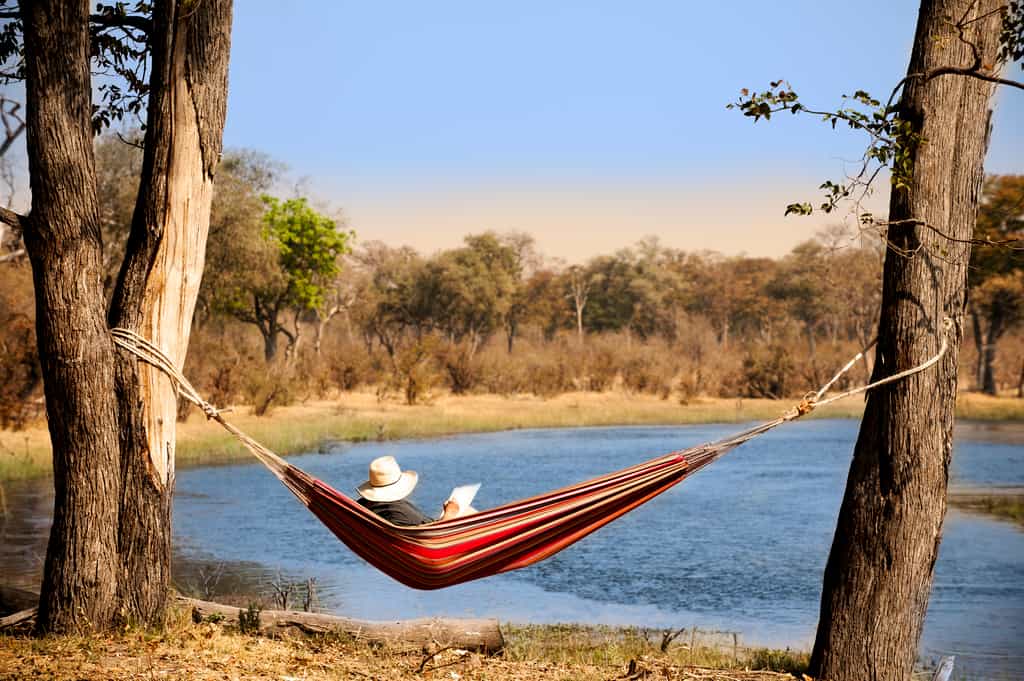
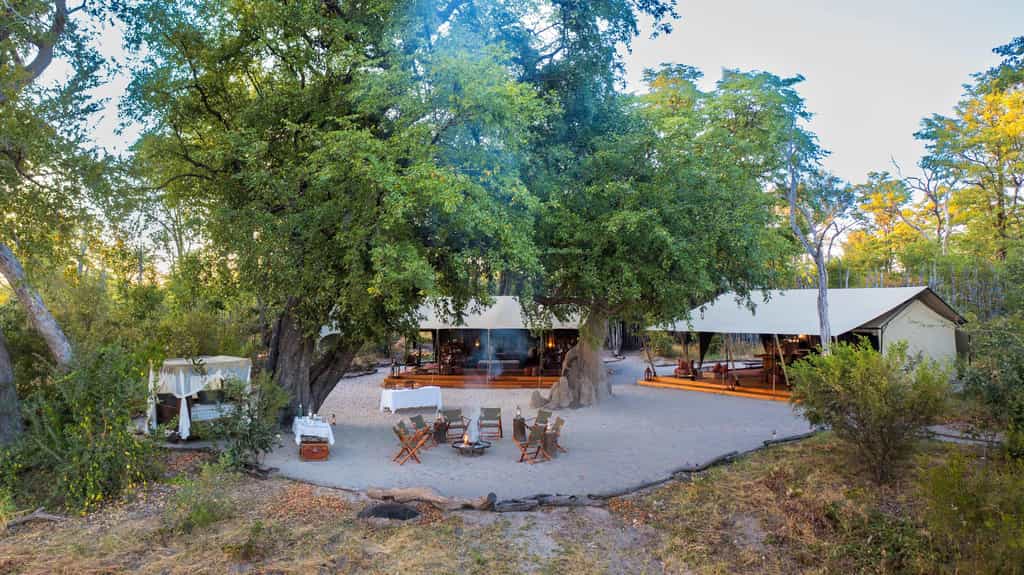
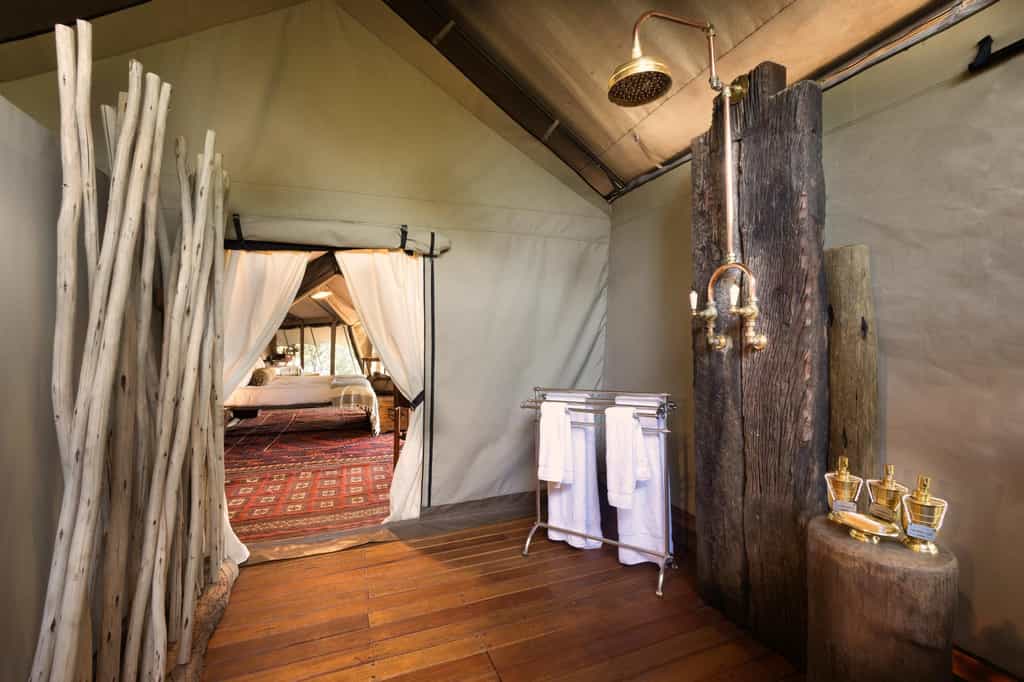
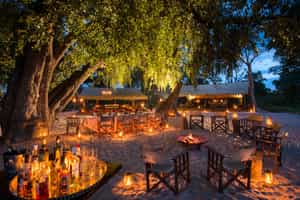
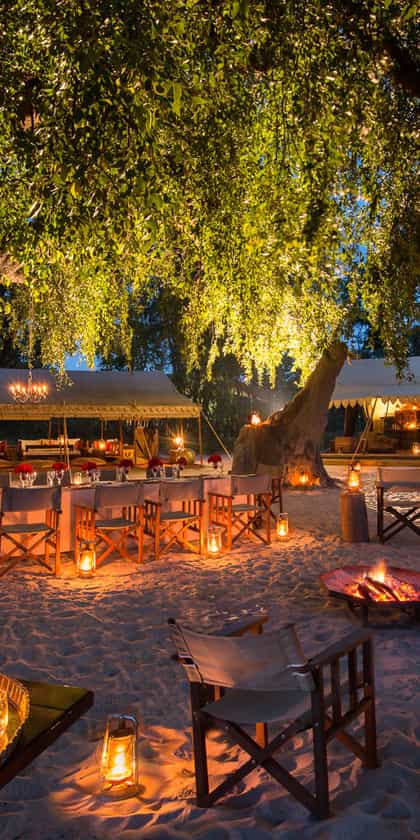
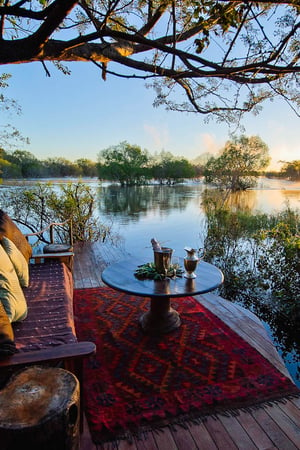
Just four two-person tents are strung around the old-growth forest where camp resides. Tents are spacious with double or twin beds, made of canvas with large fold-away flaps to allow for optimal airflow during the day. Decorated with a similarly exotic, East African motif, they are both posh and homely, offering all the creature-comforts you need while keeping their footprints to a minimum. The alfresco bucket showers are as hot as any and the copper basins substitute taps for jugs of fresh water. Electricity comes courtesy of 100% solar power.
Selinda Explorers Camp is owned by Great Plains which is dedicated to creating lasting, sustainable conservation solutions for the world's iconic wildlife and wilderness areas. Through their model of compassionate protection and intelligent management, funded by low-impact tourism, they integrate communities, governments, and the private sector. Embracing the concept of 'Conservation Tourism', they prioritise environmentally sound practices while ensuring benefits directly support conservation efforts without a negative impact on the land or wildlife. A contribution of $95 per guest, which is included in the nightly rate, goes towards the above goals.
Start with a recommended trip or create one from scratch

12 nights from $9.4K per person
12 nights from $9.1K per person
14 nights from $10.1K per person
13 nights from $9.3K per person
11 nights from $7.2K per person
Selinda Explorers Camp can be booked with Timbuktu as part of a tailor-made Botswana trip, rather than as a standalone room reservation. Start online, customising one of our recommended Botswana trips featuring Selinda Explorers Camp or get advice and suggestions from one of our Botswana specialists who will design the trip around your dates, check availability and handle every booking for you.
Stays at Selinda Explorers Camp start from around $1.3K, or US$1.3K, per person per night as part of a tailor-made trip. The exact price depends on your travel dates, room type and the shape of the rest of your itinerary. A Timbuktu travel specialist can give you an accurate quote for your dates.

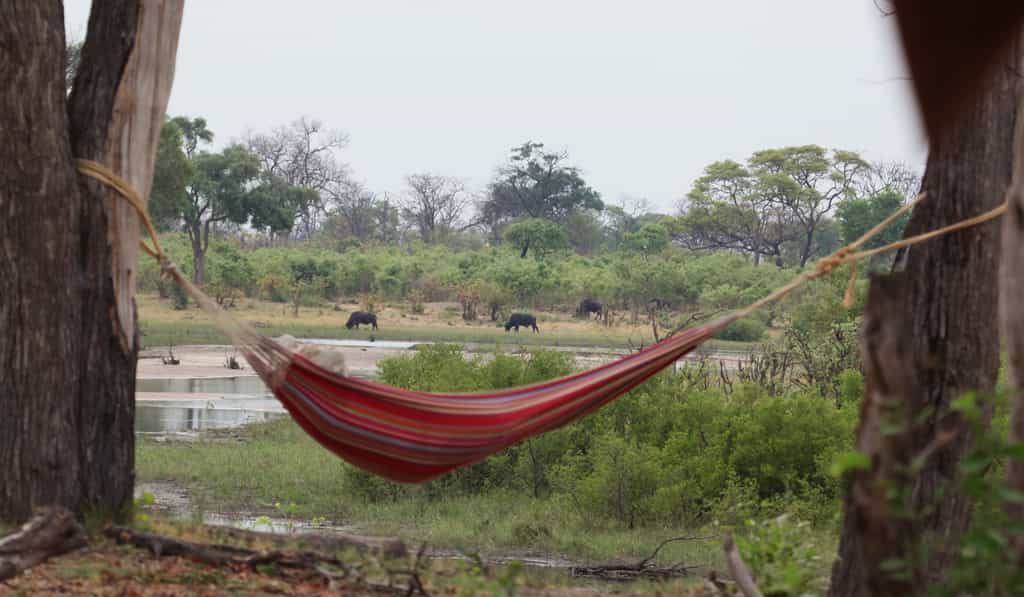
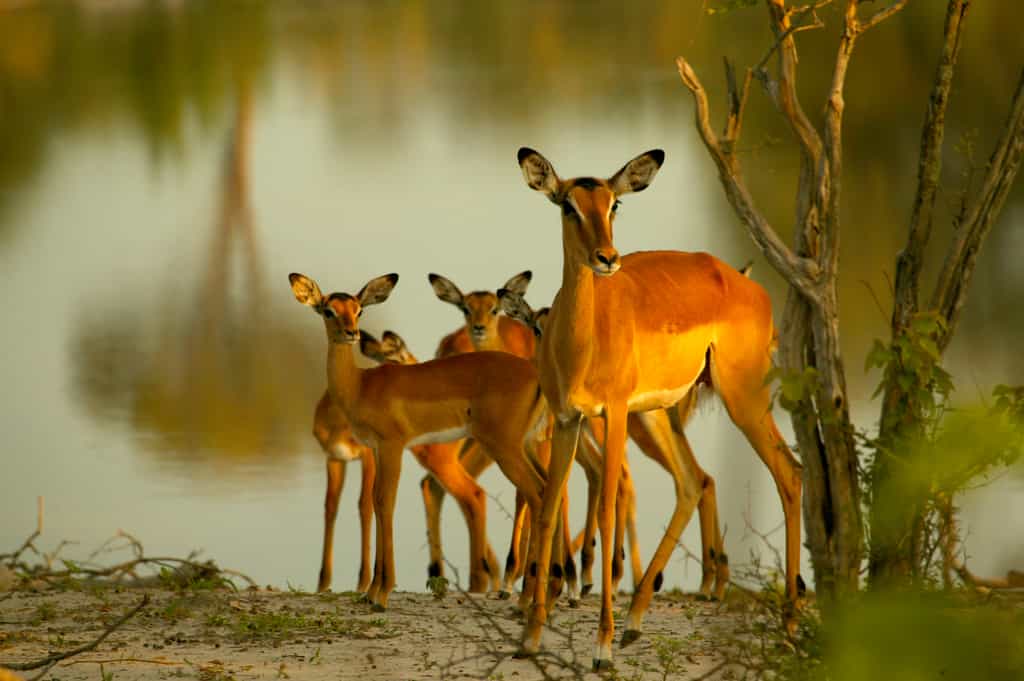
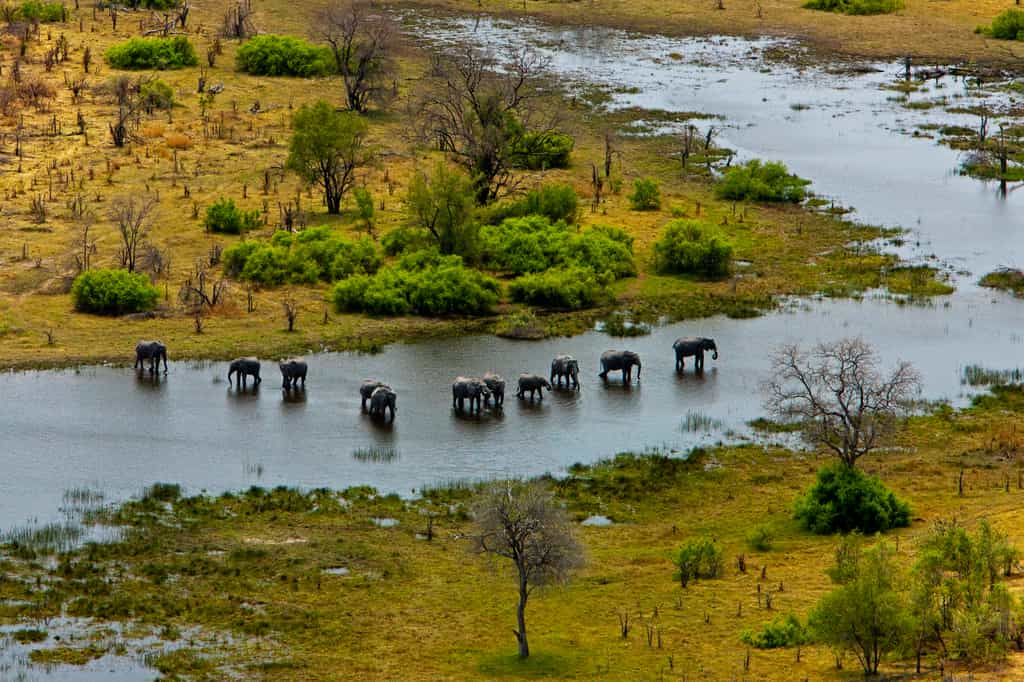
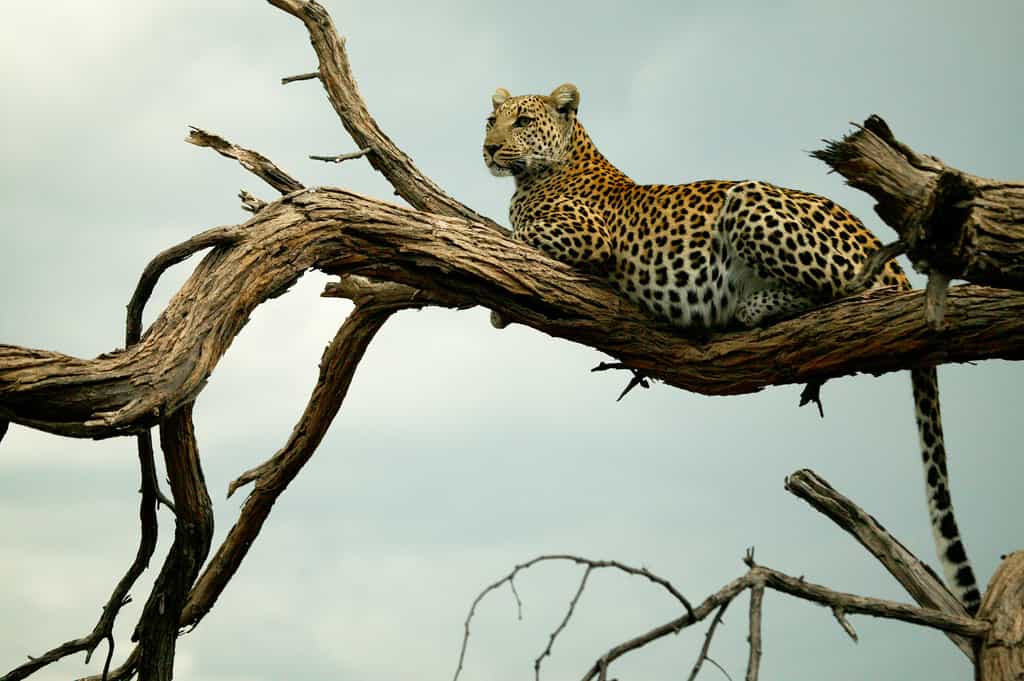
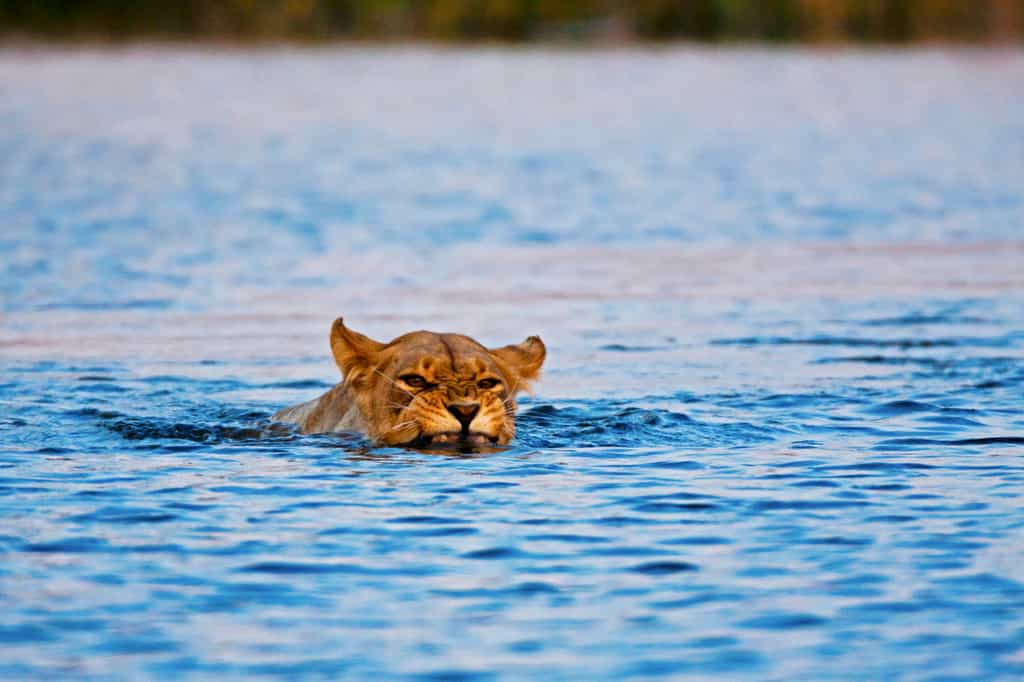
If you like your big cats alongside a dose of epic scenery, Linyanti is the place to be.