
We're one of the World's Best Tour Operators!
Named three years running in Travel+Leisure World's Best, including No.1 in 2024
Explore 17 handpicked hotels in Nagano Prefecture
Matsumoto
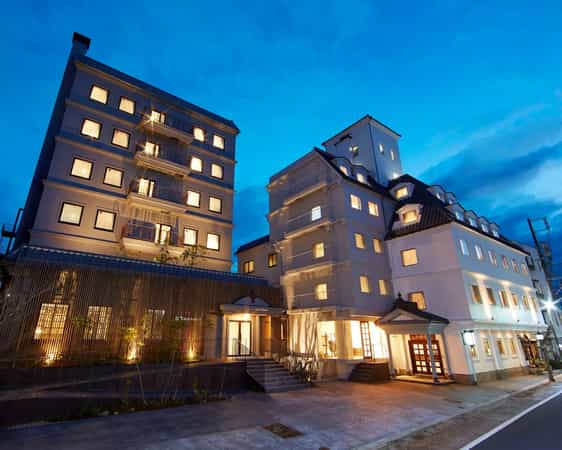
Founded in 1887, Kagetsu is one of those rare city hotels with genuine historical roots and a soul to match. Set on a quiet street barely five minutes' walk from Matsumoto Castle, it's steeped in the mingei philosophy that defines this old furniture-making town: the idea that everyday objects, crafted by unknown hands, hold a particular kind of beauty. That spirit runs through the Kagetsu, from the handmade Matsumoto furniture in every room to the restaurant serving Nagano's finest produce surrounded by original artworks. It's not flashy or particularly modern, but it's warm, authentic and lovely.
Yudanaka
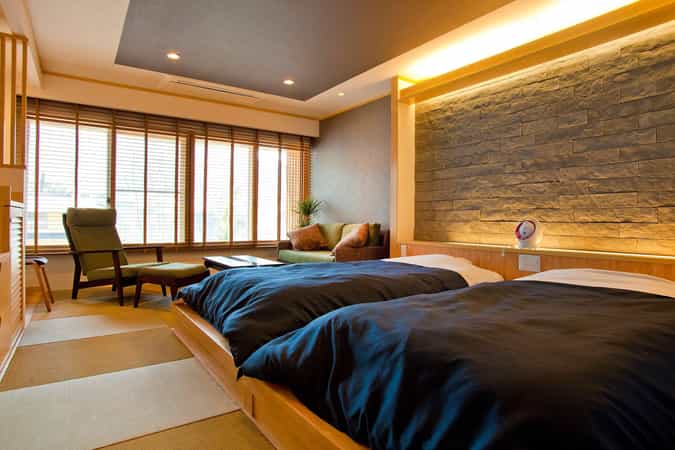
As soon as you arrive, Sakeaya's philosophy of nurturing connections with their guests is evident, beginning with a sweet treat and cup of green tea. From there, you'll be shown around the ryokan including the idyllic, steaming onsen, kept away from prying eyes by a grove of bamboo. This charming spot fits right into Yudanaka, where the onsen culture as been an integral part of daily life for centuries. The Snow Monkey Park is just a few minutes away, where the primates enjoy a soak of their own. In fact, the ryokan's onsen is partially fed by the very same spring.
Matsumoto
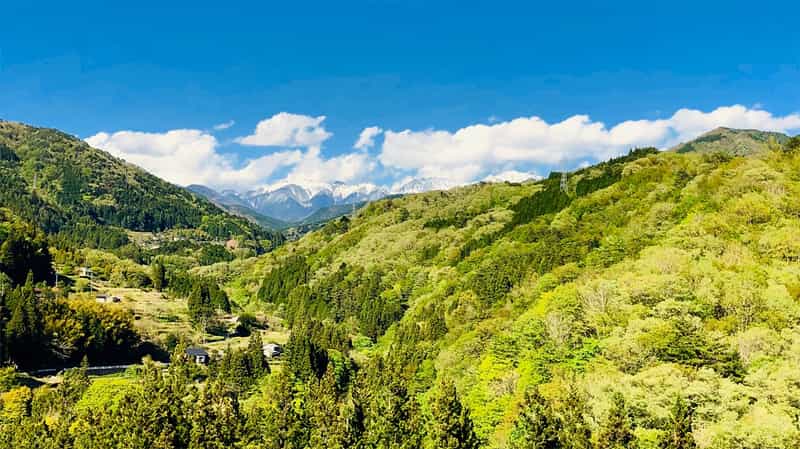
Deep in the Kiso Valley, a centuries-old farmhouse perches on a hillside above rice paddies and thick forest, looking much as it has since samurai walked the trails below. This is Zenagi, Japan's first 'expedition hotel', and it operates on a beautiful, simple premise: one group at a time, with a private chef, butler and guide dedicated entirely to you. The restored kominka is filled with black lacquer floors, washi-paper walls and furniture carved by locals, turning the whole place into a living gallery of Kiso craftsmanship. By day, former Olympic athletes lead you through gorges, along ancient samurai trails and into forests that are otherwise off-limits. It's deeply personal, wildly adventurous and utterly unlike anything else in Japan.
Yudanaka
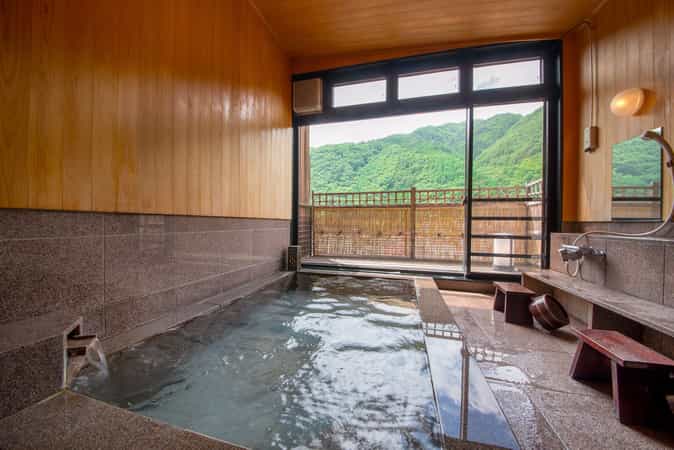
Forming part of the ancient Nakasendo route, one of the main connections between Edo and Kyoto, the Kiso Valley is a stunning location from which to explore Alpine Japan. With a name inspired by the beauty of its rivers and mountains, Yama Mizuki Urara Tsutaya is, needless to say, surrounded by astonishing scenery. The ryoken's design celebrates these views from every corner including the large, spring-fed onsen, which looks out across the mountains. It is authentic in every sense of the word, from the dining to the array of activities on offer – and you can even learn about local crafts and cooking, among other things.
Yudanaka
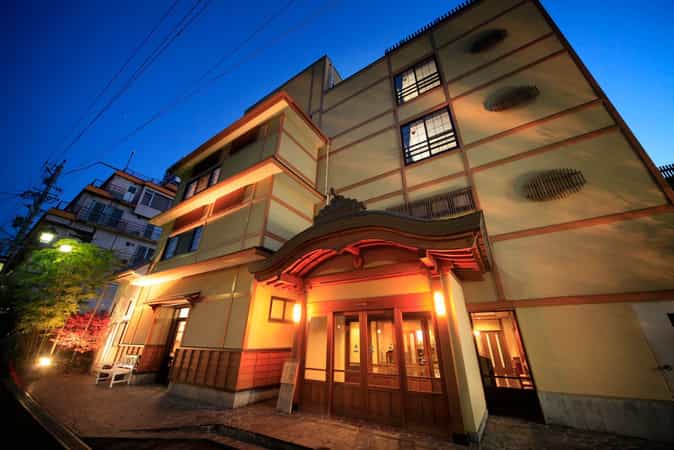
Perched at the end of the Nagano Railway line, Yudanaka, a compact hot spring village, has been drawing visitors for over 1,300 years - and Hotel Tsubakino makes a thoroughly likeable base from which to soak it all in. A modern ryokan steps from the station, it pairs traditional Japanese hospitality with rooftop onsen overlooking the Northern Alps, seasonal kaiseki dinners starring Shinshu beef, and easy access to the famous macaques of Jigokudani.
Matsumoto
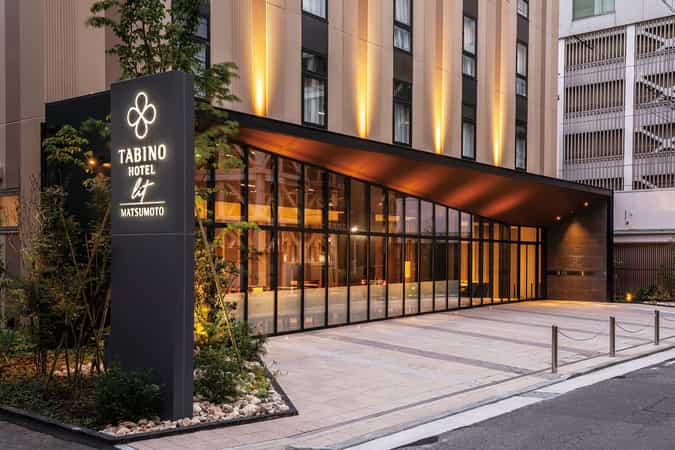
Located in the heart of Matsumoto City, right in front of Matsumoto Station, this hotel aims to be a convenient "travel base" for both business and leisure travelers, a hotel that guests will love and choose for years to come. With a bus terminal for major tourist destinations just a one-minute walk away, you can enjoy active travel to various places such as Kamikochi, Norikura Plateau, and Hakuba, using the hotel as your base.
Matsumoto
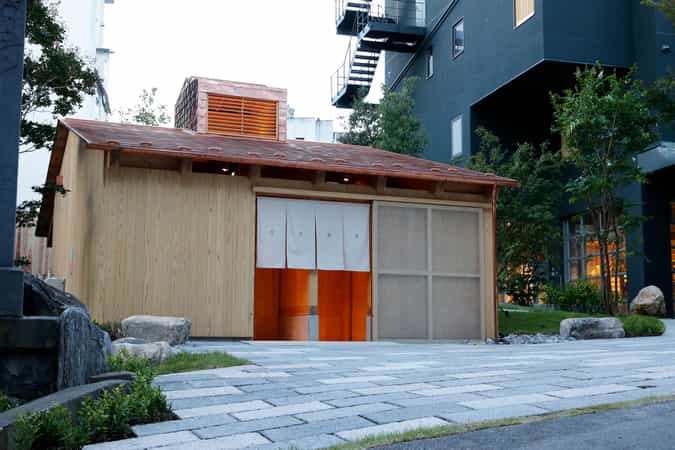
Matsumoto Jujo is the collective name for the revitalization project of Koyanagi, a long-established inn with a history dating back to 1686. Jujo means "ten stories." The name was chosen with the hope that visitors will experience various stories in this place, and that their own stories will begin here.
The premises include two hotels, "HOTEL Matsumoto Honbako" and "HOTEL Koyanagi," as well as a bookstore, bakery, shop, restaurant, and hard cider brewery. Outside the premises are two cafes, "Oyaki and Coffee" and "Philosophy and Sweets".
Matsumoto
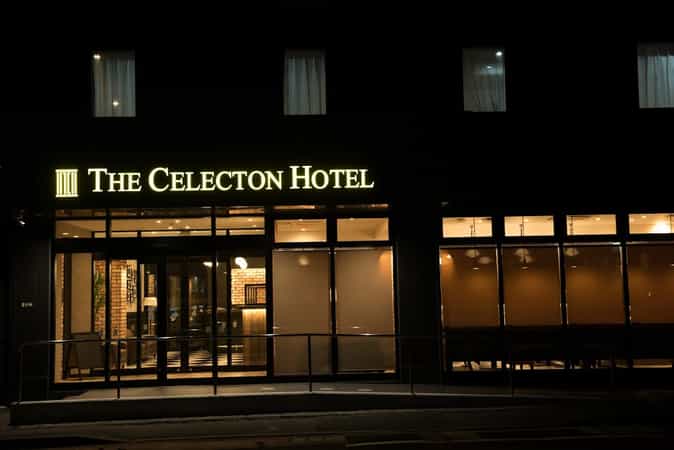
The Celecton Matsumoto sits within easy walking distance of Matsumoto Castle — and some rooms look straight out at it. The design are neo-vintage: exposed brick, warm wood, and interiors that feel more Brooklyn coffee shop than corporate Japan. It's a mid-range chain hotel, so nobody's coming here for a transformative experience, but it punches above its weight with a communal bathhouse, a bakery-style breakfast, and Serta beds that do exactly what you need after a day in the Japanese Alps.
Matsumoto
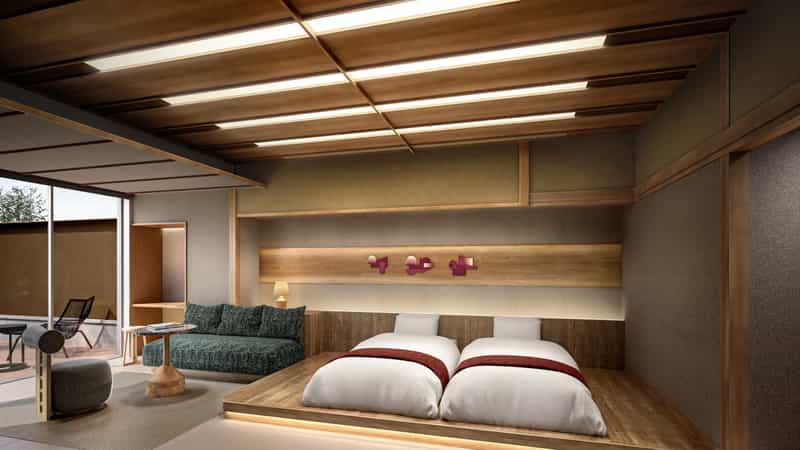
Matsumoto is Nagano's handsome castle town, home to one of Japan's oldest fortresses and, since 1992, an internationally renowned summer classical music festival that has stitched the city firmly into Japan's cultural map. On its quiet northern edge lies Asama Onsen, a bathing district so prized by Matsumoto's ruling lords it was nicknamed the 'inner parlour' of the city. KAI Matsumoto, Hoshino Resorts' polished spin on the ryokan, leans into both tales: live music plays in the lobby nightly, the rooms are built for listening, and dinner is a playful Italian affair matched to Nagano wines. It reopens in August 2026 after a full renovation.
Matsumoto
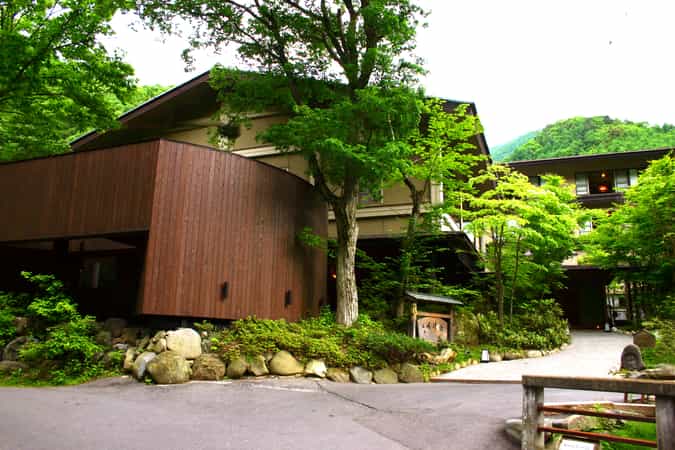
Thirty minutes above Matsumoto, tucked into the forest at 1,050 metres, Myojinkan feels genuinely otherworldly. The Saito family has welcomed guests here since 1931, and the mythology runs even deeper. In fact, local legend talks of gods that once came to these mountains to soak in the hot springs. With three communal onsen open around the clock, private baths in every room, and silence broken only by birdsong and the babble of the Susukigawa river, this is a place built entirely for slowing down. Unusually for a ryokan, there are two distinct restaurants – organic French and traditional kaiseki – both sustained by local ingredients.
Matsumoto
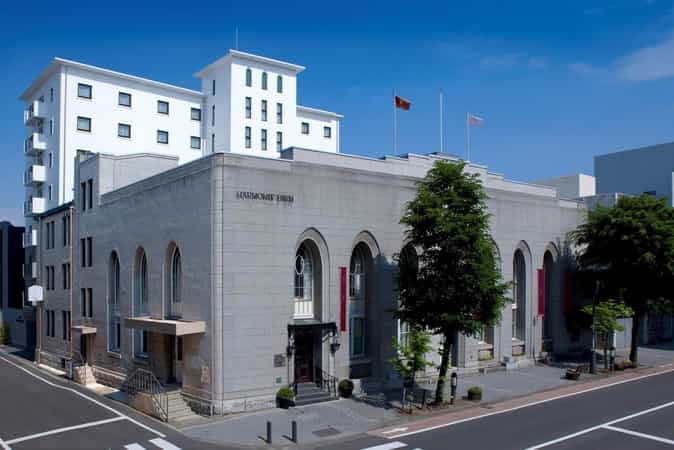
This hotel, located close to the Matsumo catle, has the perfect location for your stay. Their spacious guest rooms are designed for convenience and comfort, making them ideal for individuals as well as groups.
Yudanaka
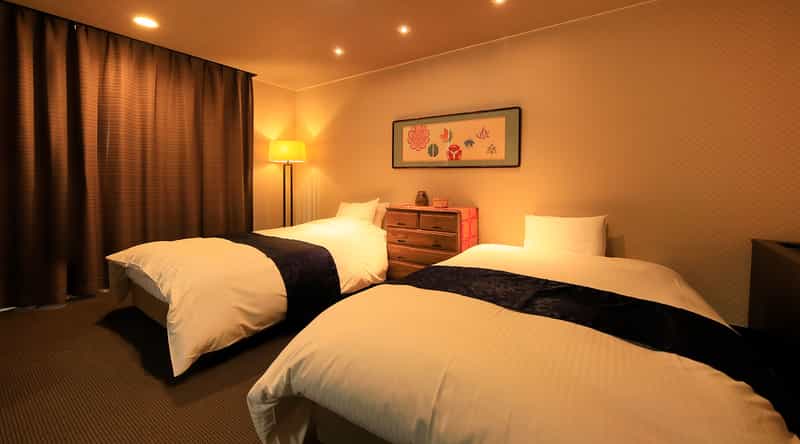
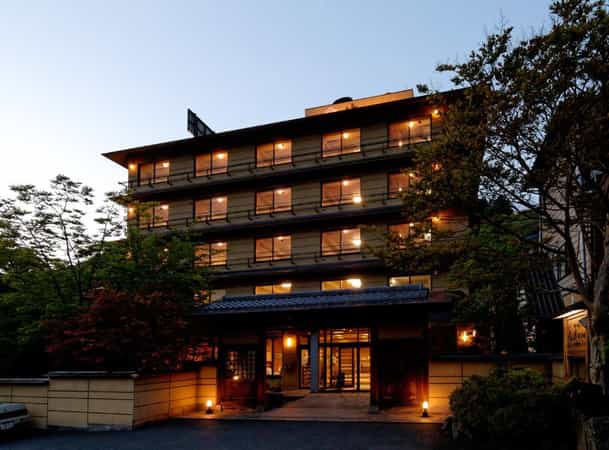
This hotel offers a wide variety of guest room types, including Japanese-style rooms, Japanese-Western rooms, and special rooms with open-air baths. At night, you can enjoy a view surrounded by mountains typical of Shinshu from the rooms on the Segawa side.
Yudanaka
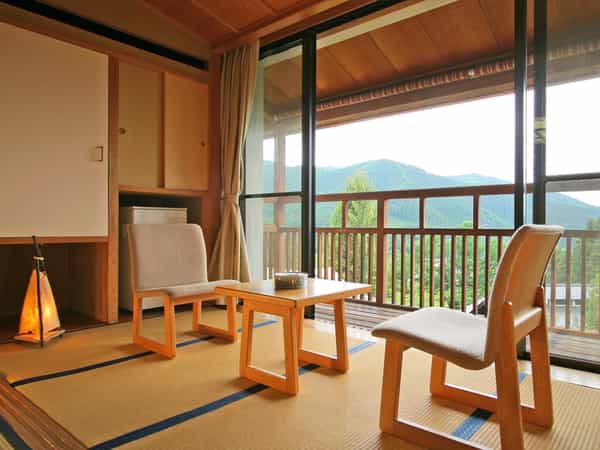
Shibu Hotel has been with everyone since the Showa era. From the first generation, they have carried on the spirit of "hospitality" that welcomes customers with a smile and sends them off with a smile.
Shibu Onsen has a history of 1,300 years and boasts one of the highest amounts of hot spring water and quality. While there are many hot spring hotels that circulate or filter their hot spring water, at Shibu Onsen they provide hot spring water directly from the source, not only in the outdoor baths but also in most of the inn baths. The hotel also uses water straight from the source. As a hot spring inn, they are proud to be able to provide guests with authentic natural hot springs.
Yudanaka
Tucked into the small hot spring village of Kanbayashi, a short forest walk from Japan's famous bathing macaques, Senjukaku was first established in 1928. A result of an unlikely encounter between a Japanese railway magnate and a Norwegian lieutenant, it was one of the first properties to fuse Western hotel comforts with traditional ryokan hospitality – and the Japanese Emperor himself was a regular visitor! The result is an elegant, unpretentious retreat, surrounded by pine forests and ancient cherry trees, and of course, a beautiful onsen. Add multi-course kaiseki dinners built around apple-fed Shinshu wagyu and mountain ingredients, and you've got a very compelling reason to visit.
Nagano City
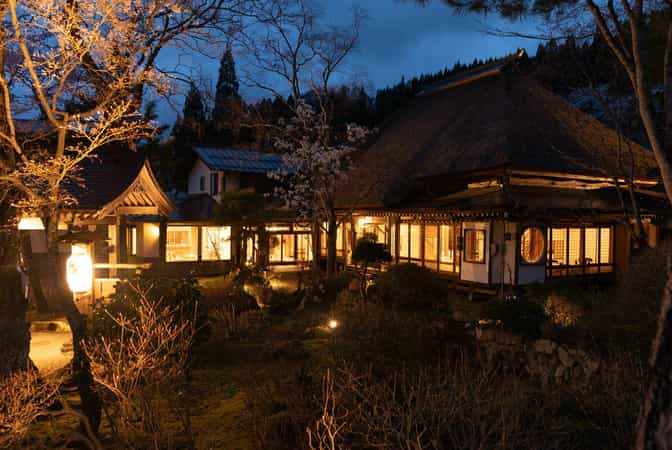
Takei Ryokan is a former Buddhist temple lodging in Nagano's sacred Togakushi highlands — well off the beaten track. The thatched-roof main building dates back to 1745 and is a protected historic structure, with original Buddhist carvings still visible in the beams. Just two guest rooms mean genuine intimacy, with private baths and seasonal Shinshu cuisine served in the ancient main house. No spa, no polish — just the rare privilege of sleeping inside a living piece of Japanese history.
Nagano City
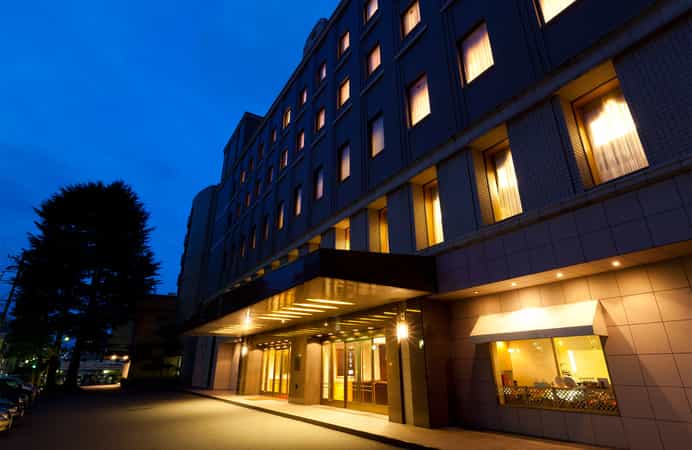
The Saihokukan is Nagano City's grand old dame — a heritage hotel dating to 1890 that has hosted Japanese emperors, legendary shogi title matches, and cultural icons from novelist Natsume Soseki to painter Okamoto Taro. During the 1998 Winter Olympics, its ballroom hosted the Imperial tea reception — a first for any private venue in Japan. The hotel's own tagline is disarmingly honest: "not everything is exquisite, but it's a comfortable hotel." A characterful, historically rich base for exploring Nagano City and nearby Zenko-ji temple.
Nagano City
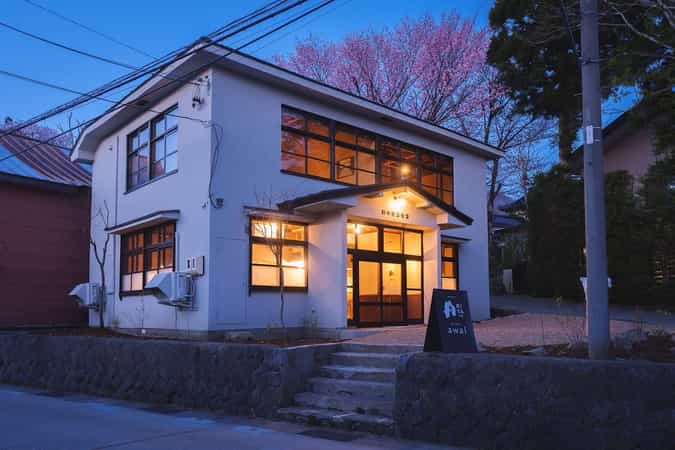
Located in the mountains, 200 meters above sea level, there is a village lined with thatched-roof temple lodgings. Welcome to Awai Togakushi Hotel. This hotel is a decentralized retreat rooted in the local culture of Togakushi. A place where people and nature coexist.


Namibrand, Namibia