
We're one of the World's Best Tour Operators!
Named three years running in Travel+Leisure World's Best, including No.1 in 2024
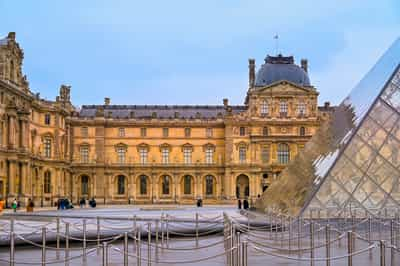
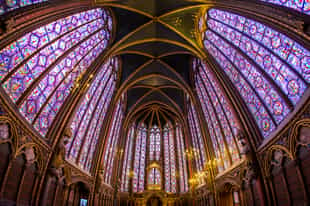
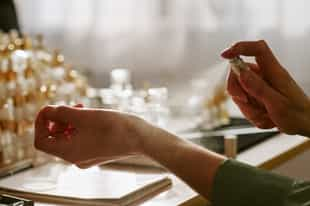
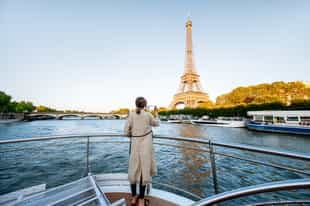
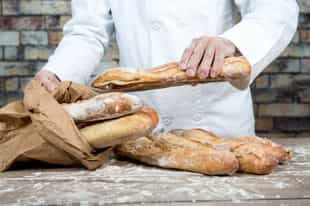
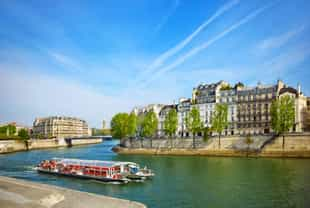
Paris rewards the wanderer. Get a little lost and you’ll find tiny cafés, a boulangerie you’ll never find again and a side street that turns out to be the best part of your day. Treat the Louvre as a treasure hunt, chasing the Mona Lisa’s riddle past the masterpieces, or have the Palais Garnier’s gilded rotunda to yourself once the ushers go home. After closing, Sainte-Chapelle is 1,113 stained-glass scenes with no stranger’s shoulder in your photo. Laminate a croissant under a chef’s beady eye, blend your own scent with a Maître-Parfumeur, or rummage through Saint-Ouen’s antique stalls with a professional buyer. Cruise the Seine in a hand-built Venetian motorboat (champagne, obviously), then see the rest of the city by sidecar, which is thoroughly undignified and all the better for it. Further afield, you can see Monet’s water lilies at Giverny, Versailles after dark and ride through the Chantilly forest.
A local wine expert walks you round a handful of Paris's lesser-known wine bars. Some have barely changed in a century, others pour biodynamic bottles from small producers just outside the city. You'll taste both, with platters of ham and cheese alongside.
Along the way you'll pick up the useful stuff: how to read a French wine label, what the regional appellations actually mean, and how the industry has shifted. The walk ends at one of the oldest markets in Paris, where you can sample a few specialities and buy something to take home. It's a fair bit of walking between stops, so wear shoes you can stand in for a few hours.
Small bars, good bottles, no tourist crowd.
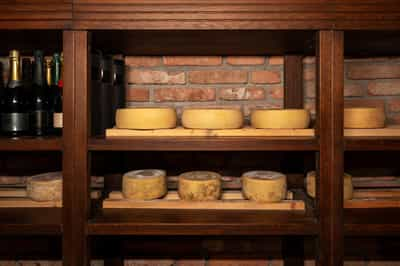
A chef takes you through the croissant from scratch: mixing the pâte feuilletée levée, then the kneading, rolling and folding that builds the layers. It's slower and more technical than it looks, which is rather the point.
Once the basics are down, you'll move on to crème pâtissière, the custard that fills half of French pastry. Everything you make comes home with you for a delightful breakfast.
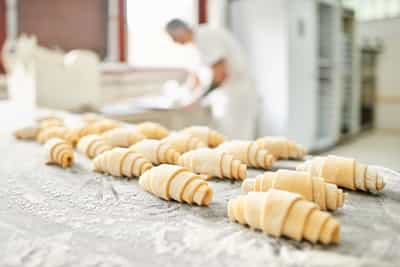
Gustave Eiffel's 330 metres of iron, and still the first thing most people want to see. Take the lift to the second floor for the view over the Champ de Mars and the bend of the Seine, or climb the 674 steps if your legs are willing, then a second lift up to the summit. Book a timed slot in advance. The queues without one are punishing.
Go at dusk and stay for the sparkle on the hour.
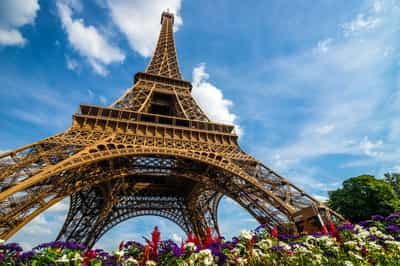
Monet bought the house at Giverny in 1890 and spent the rest of his life turning the grounds into his subject matter. Your private guide walks you through both halves: the Clos Normand, a dense grid of flowerbeds running downhill from the pink house, and the water garden beyond it, with the green Japanese bridge and the lily pond he painted for the best part of thirty years. Inside, the kitchen is tiled blue and the dining room is yolk-yellow.
Two things worth knowing. The gardens are smaller than the paintings suggest and by midday they're busy, so go early.
And they close over winter, which makes this an April to October outing.
Stand at the pond and the paintings suddenly make sense.
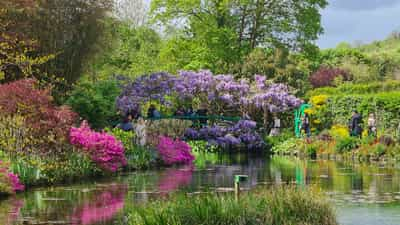
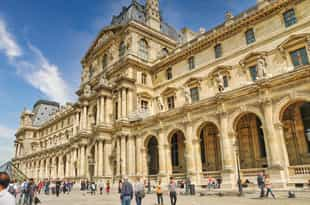
Discover the Louvre on a private VIP visit led by a curator, entering through the Pyramid entrance, typically closed to the public. Explore iconic masterpieces and learn unique stories and anecdotes about the museum’s history, including access to selected backstage areas of the auditorium.



Namibrand, Namibia