Vatnajökull and the Glacier Lagoon Trips & Tours
Vatnajökull and the Glacier Lagoon
Vatnajökull and the Glacier Lagoon

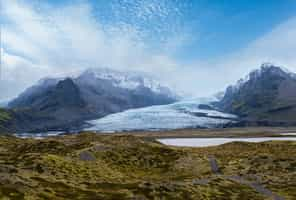
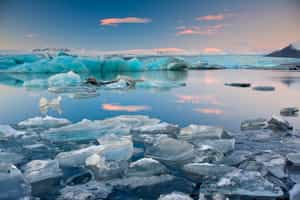
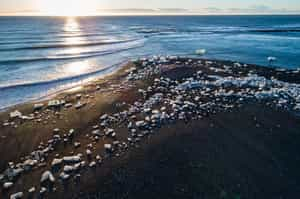
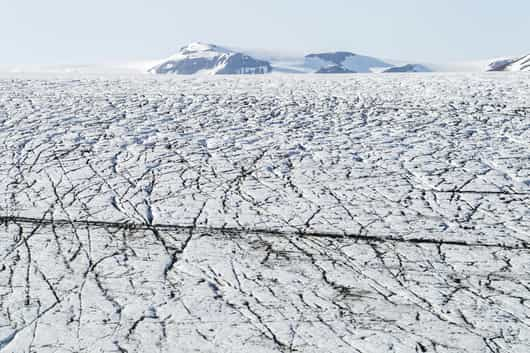
Drive five hours east of Reykjavík, past waterfalls, black sand beaches and rugged lava fields, and you’ll arrive at Skaftafell, the gateway to Vatnajökull National Park. The star? Vatnajökull glacier itself, Europe’s largest ice cap outside the Arctic, which takes up roughly 8% of Iceland’s landmass. A clash of ice and fire, the glacier conceals entire mountains and several active volcanoes. On the park’s southern edge, Jökulsárlón is Iceland’s deepest lake. Fed by glacier meltwater, multi-storey icebergs drift by, every colour from electric-blue to marble-black, chunks of which glitter like jewels on Diamond Beach. In the summertime, you can get within metres of the Breiðamerkurjökull glacier on a zodiac boat, whilst in winter it’s all about ice cave explorations. Glacier hiking is epic year-round – but in these parts, most things are…
Get advice and suggestions to make this your perfect trip.
or call us on: +1 (646) 542 0667

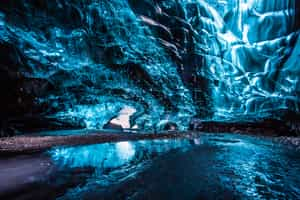
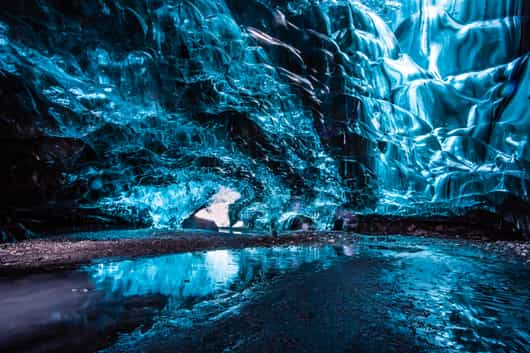
The elemental forces at work wherever you look, from tongues of glacial ice running over active volcanoes to blue ice caves that only form in the winter.

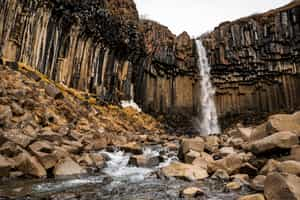
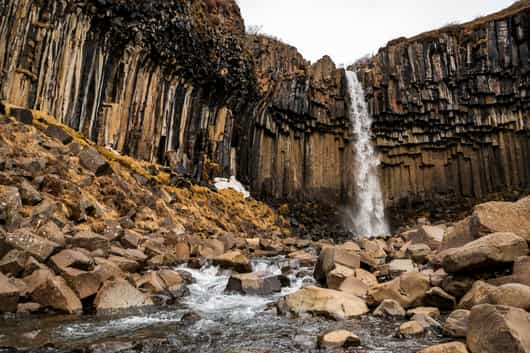
Not necessarily unknown but easy to skip if you make a beeline for the glacier, Svartifoss rewards those who make the trip with sheets of water falling over a wall of hexagonal black basalt columns that inspired the design of Reykjavík's Hallgrímskirkja.

The shoreline of Jökulsárlón is seriously not for clambering as icebergs flip without warning and sneaker waves are easy to get caught in.
Winter Season — one of the best times to visit
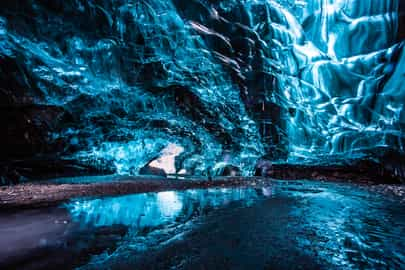
This is the heart of Vatnajökull ice-cave season, when guides take you by super jeep onto the glacier and into tunnels of glowing sapphire ice.
Icebergs carried out of the Glacier Lagoon wash up on Diamond Beach, gleaming like broken glass on the black sand in the low winter sun.
Seals gather at the mouth of the lagoon in winter to feed, their heads popping up between the floating chunks of ice.
Winter Season — one of the best times to visit
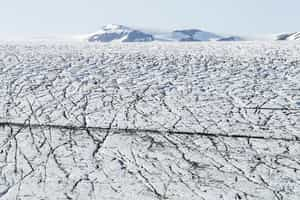
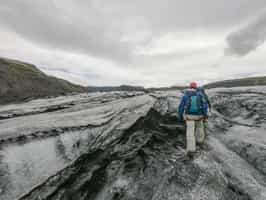
Glacier hikes from Skaftafell run all winter, crunching across ice ridges and crevasses beneath Iceland's highest peak.
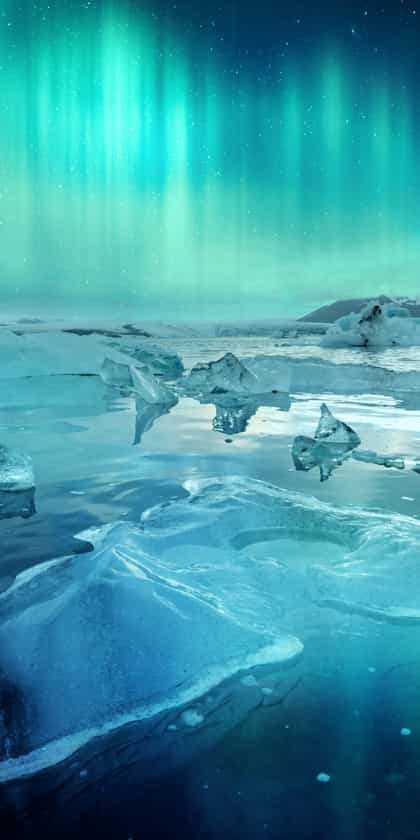
On clear nights, the northern lights reflected among the icebergs of Jökulsárlón, the Glacier Lagoon, are one of Iceland's great sights.
The waterfall framed by black basalt columns, a 45-minute walk from the Skaftafell visitor centre, is hung with icicles in February.
Spring Season — one of the best times to visit
The longer days leave time for an ice cave in the morning and the Glacier Lagoon at sunset, before the aurora comes out.
The jagged mountain on the black-sand spit east of Höfn is mirrored in the wet sand at low tide, a favourite with photographers in soft March light.
At sunrise, Diamond Beach's icebergs catch pink and gold light while the waves rearrange them on the sand.
Spring Season — a quieter time to visit
The black sands around the lagoon hold one of the world's largest colonies of great skuas, which return in spring and dive-bomb anyone who strays near their nests.
Private ice-cave tours can sometimes still run into April, depending on how long the caves stay stable.
Spring Season — a good time to visit
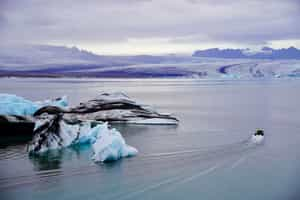
Boat tours on the Glacier Lagoon usually begin in early May, weaving between blue-and-white icebergs, some streaked black with volcanic ash.
The Skaftafell trails dry out, and a loop past the basalt-framed waterfall to a glacier viewpoint makes a lovely half-day walk.
Summer Season — one of the best times to visit
Puffins nest on a sea-cliff headland that you reach by tractor-drawn hay wagon across the sands, one of the region's most charming outings.
Zodiac boats on the Glacier Lagoon nose right up to the glacier face, where you may hear the ice crack and groan.
At 11pm, the midnight light turns the icebergs on Diamond Beach pale gold, and you'll share the beach with only a handful of people.
Summer Season — one of the best times to visit
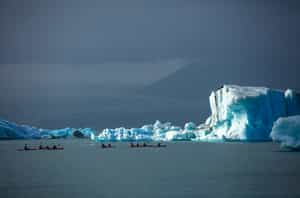
Kayak among icebergs on a quieter glacier lagoon near Höfn, paddling close to ice that has only just broken away.
A long day hike up a ridge above Skaftafell gives you views straight down onto the crevasses of a glacier tongue.
Arctic terns nest around the Glacier Lagoon, diving for fish between the icebergs and fiercely guarding their chicks.
Summer Season — a good time to visit
By late August, the sun sets before 10pm and turns the icebergs on the Glacier Lagoon soft pink.
Combine a boat trip on the smaller glacier lagoon with a guided glacier walk in one day, a package that runs only in summer.
Autumn Season — a good time to visit
The first northern lights of the season over Diamond Beach, with icebergs glowing faintly on the black sand, are worth staying up for.
Overnight huts beside the smaller glacier lagoon let you fall asleep with the ice outside your window.
Autumn Season — a good time to visit
Some operators start ice-cave tours in October, if the season's caves have formed and frozen hard enough to be safe.
From October, heated huts at the smaller glacier lagoon offer overnight aurora watching right by the ice.
Autumn Season — a good time to visit
Each winter's ice caves are new, carved by the previous summer's meltwater, so no two seasons look the same.
With the summer crowds long gone, Diamond Beach on a calm November morning can be almost empty.
Winter Season — a good time to visit
The low sun barely clears the mountains, bathing the icebergs in pastel pink and apricot for most of the day.
Reindeer come down from the highlands to graze the farmland around Höfn, so you might catch a glimpse from the Ring Road.


Why travel with Timbuktu?

We've been crafting one-of-a-kind journeys since 2014 — over 2,500 trips across 40+ countries, each one built from scratch around your interests and dreams.

Our team only recommends places they've slept in, eaten in, and happily keep going back to. Condé Nast Traveler named 11 of them Top Travel Specialists in 2026, and Travel+Leisure made three A-List Advisors.

Travel+Leisure's readers voted us the World's No.1 Tour Operator in 2024 and No.2 in 2025 — the travel industry's biggest readers' award, judged by people who actually travel.

$50 from every booking goes to female empowerment, tech education, and conservation projects across the countries we love. We have donated $107,000 so far – and it's going up!

Your travel specialist is with you the whole way, dreaming up the trip, building the itinerary, checking you in, and answering the 2am question from the other side of the world..

We are rated 4.9 out of 5 from 1013 verified Feefo reviews. And these are the words of people who actually went, not us talking about ourselves.
11 Condé Nast Traveler Top Travel Specialists 2026

No. 1 & No. 2 Tour Operator in Travel + Leisure's Best Awards 2024 & 2025

Best Booking Platform in Women's Health Travel Awards 2025

Travel Specialist voted as Latin America A-List Travel Advisor 2025

"Timbuktu can take relatively complex and slightly amorphous travel plans and transform them into a well-organized, perfectly tailored trip."