We're one of the World's Best Tour Operators!
Named three years running in Travel+Leisure World's Best, including No.1 in 2024
Drakensberg
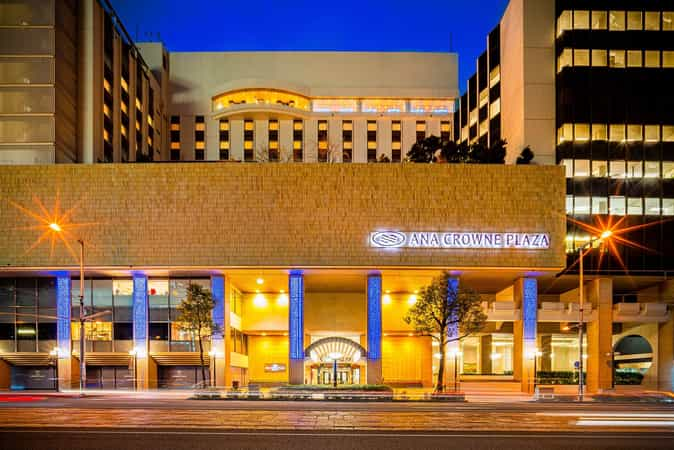
Matsuyama
Matsuyama is Shikoku's largest city, but at it's heart, it's an old-fashioned tram town with a hilltop fortress, Japan's oldest hot springs and a literary heritage that inspired some of the country's finest haiku. Slotted right into the heart of it, the dependable Crowne Plaza puts the castle ropeway and buzzing Okaido shopping arcade on your doorstep, with Dogo Onsen just a ten-minute tram ride away. It's a chain hotel (and there's no two ways about it!), but the 14th-floor Sky Lounge with its panoramic views of Matsuyama Castle and the handsome French Renaissance-style Bansuisou Villa, elevates morning coffee into something really quite special.
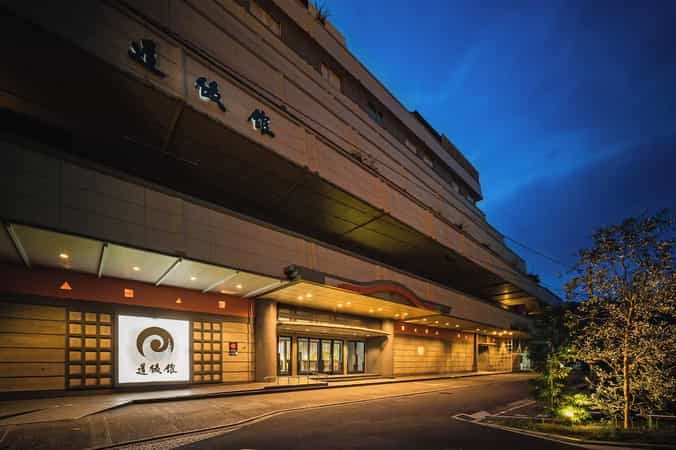
Matsuyama
Matsuyama, the laid-back capital of Shikoku, is a literary and bathing city that most never reach – and that's exactly why you should go. Perched on a hillside above the 3,000-year-old Dogo Onsen district, Dogo-Kan is the work of the late Kisho Kurokawa, one of Japan's most celebrated architects, who poured his philosophy of 'symbiosis' into every detail. The result is a ryokan that is both centuries old in tradition yet contemporary in spirit, with an Edo-inspired lobby, communal baths fed by pure Dogo spring water, and kaiseki dinners built around the seasonal catch of the Setouchi coast. All in all, a thoroughly Japanese experience in a town that feels worlds away from anything familiar.
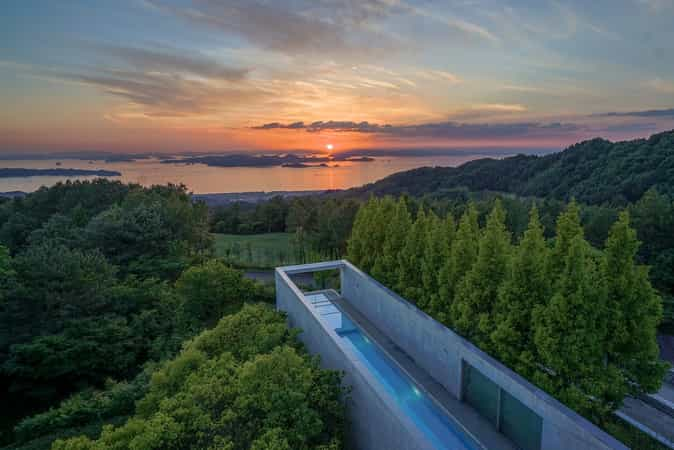
Matsuyama
Pritzker Prize-winning architect Tadao Ando has a gift for making concrete feel spiritual, and this extraordinary seven-suite retreat - perched on a mountaintop in Ehime Prefecture with the island-dotted Seto Inland Sea unfurling below - might be his most quietly thrilling project yet. Originally built as a private guesthouse, then used as a small modern art museum, the building was reimagined as a hotel under Ando's watchful eye, and his signature smooth-as-silk concrete walls, vast floor-to-ceiling windows and profoundly empty stretches of space create something closer to a meditative experience than a conventional stay. With museum-quality artwork throughout (Frank Stella in the dining room, calligrapher Rieko Kawabe in the corridors), a 30-metre infinity pool that appears to spill into the sea, and a staff whose attentiveness borders on telepathic, it's the kind of place where the frenetic activity of the mind begins to slow. The Michelin Guide awarded it a Key, and it's not hard to understand why.
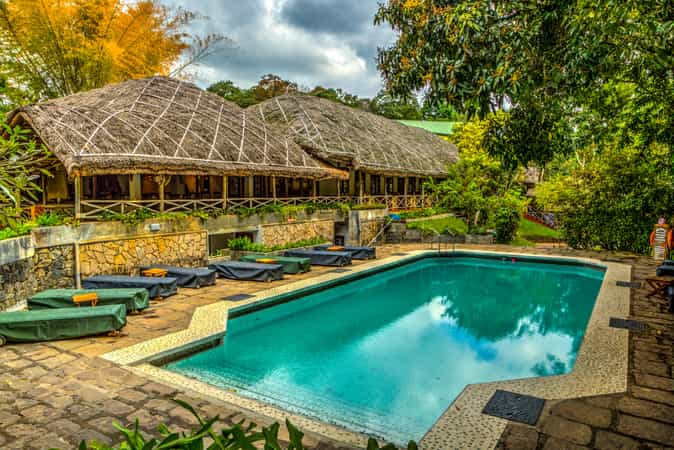
Periyar National Park
Set in the picturesque hills of Thekkady, Spice Village is surrounded by forests and waterways, where you wake up to the sight of swirling mist over the hilltops. Spice Village is made up of 52 cottages, each thatched in the traditional style of the Mannan tribe. The village takes care of its home with plenty of eco-credentials and products sourced locally - the restaurant is even called 50 Mile Diet. Don't miss the specialty spiced teas! The grassy lawns are dotted with places to relax and as you stroll across the grounds, keep an eye out for signs naming every tree and flower.
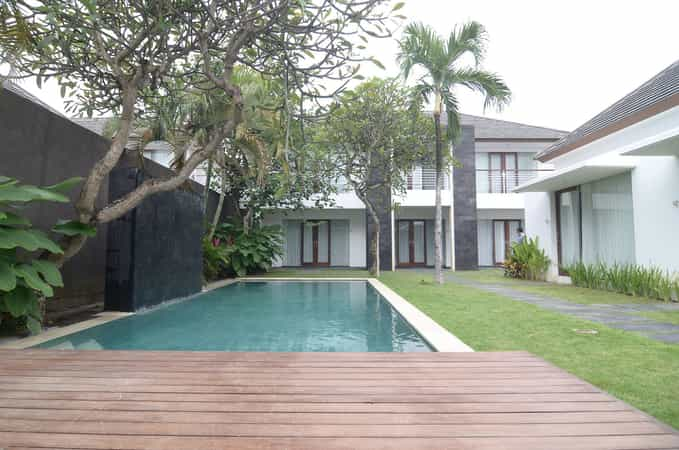
Canggu
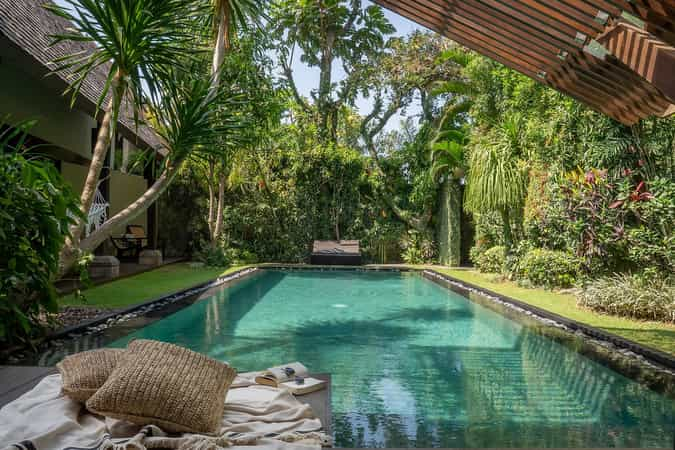
Canggu
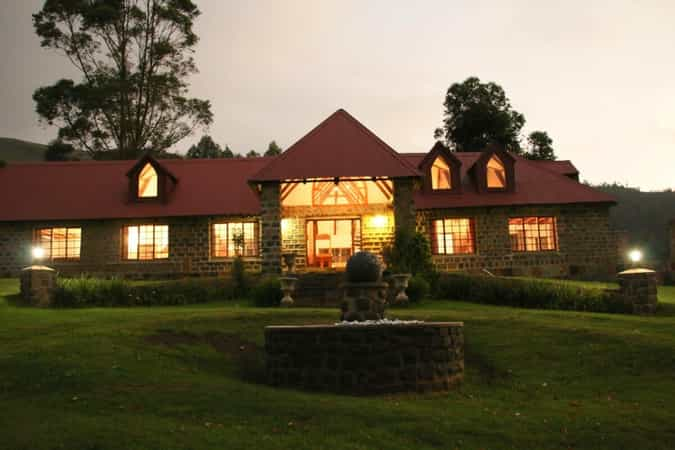
Midlands
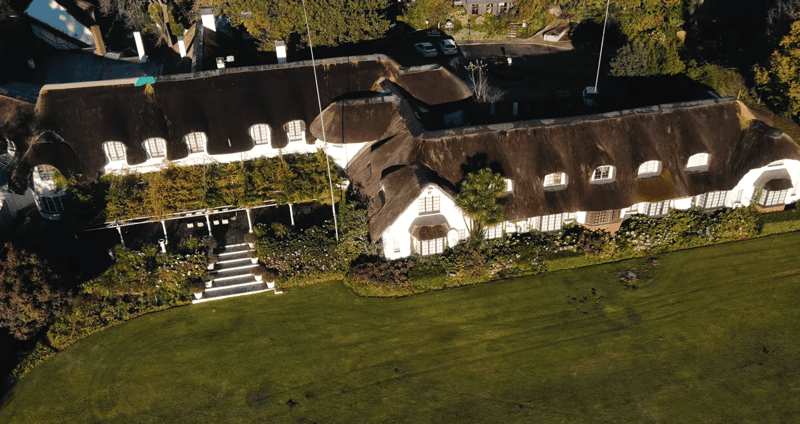
Midlands
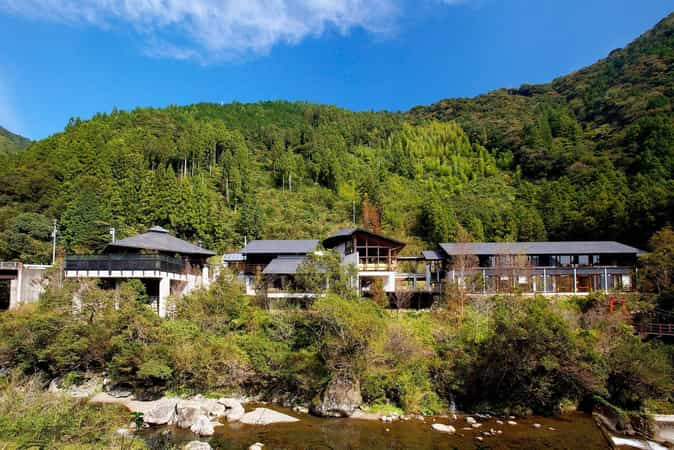
Kochi
The setting for Auberge Tosayama is Tosayama, the inner sanctum of Kochi City, on the island of Shikoku. With a backdrop of Kenmin no Mori Mt. Kuishi, and blessed with the abundantly flowing headwaters of the Kagami River, this place is laden with the graces of nature. Escape the hustle and bustle in only 30 minutes. Since first opening its doors in this beautiful village, Auberge Tosayama has continued to walk forward with the surrounding area. It exists as a bridge builder, taking action at home together with the next generation, and sending that energy outward.
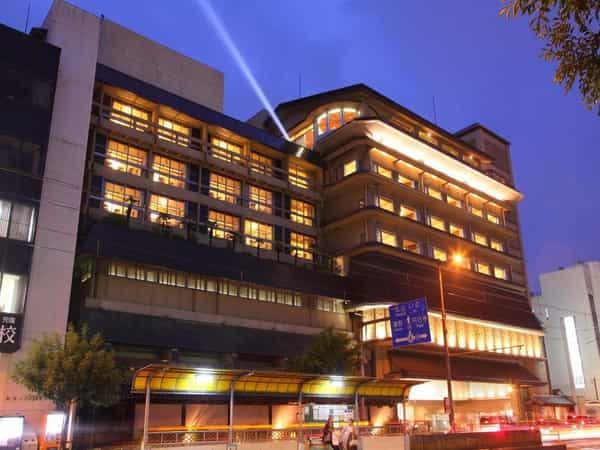
Kochi
A charming 4-star hotel nestled in the heart of Kochi, Japan. With its rich history and traditional architecture, this hotel offers a unique blend of comfort and cultural immersion. Built in 1968 and last renovated in 1994, Hotel Jyoseikan seamlessly combines modern amenities with a touch of old-world charm. Step into our hotel and be transported back in time. The well-preserved traditional architecture and decor create an atmosphere of elegance and tranquility.
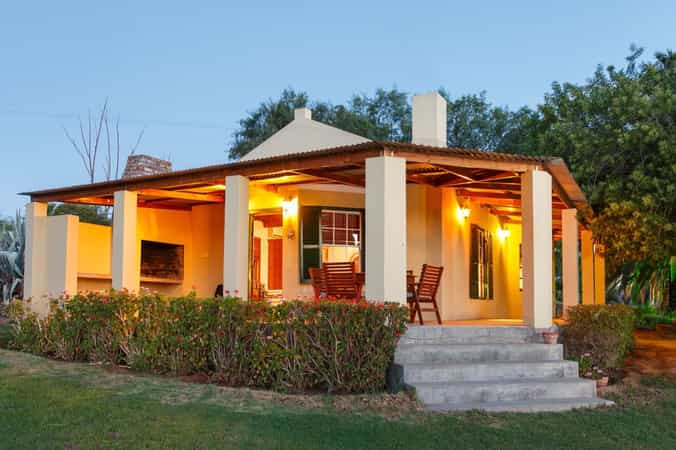
Oudtshoorn
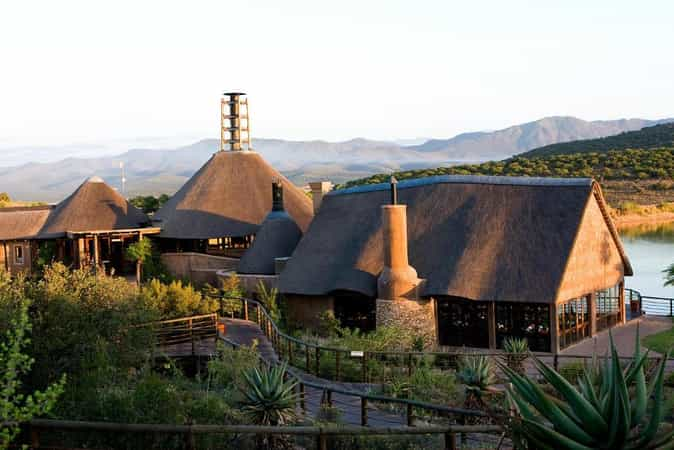
Oudtshoorn
Tucked into the foothills of the Swartberg Mountains, Buffelsdrift is a convenient safari pitstop on the Garden Route that delivers proper bushveld atmosphere without the malaria tablets. The lodge hugs a five-hectare waterhole where hippos grunt and terrapins paddle, while giraffe, zebra and buffalo graze the opposite banks. It's more accessible glamping than remote wilderness – just ten minutes from Oudtshoorn and the famous Cango Caves – but that proximity to civilisation is part of its charm. Dawn meerkat safaris, night drives in search of the elusive 'shy five', and encounters with rescued elephants add genuine wildlife credentials, whilst the restaurant dishes up hearty Karoo fare alongside award-winning Route 62 wines. A solid choice for families or anyone wanting to dip their toes into safari life.
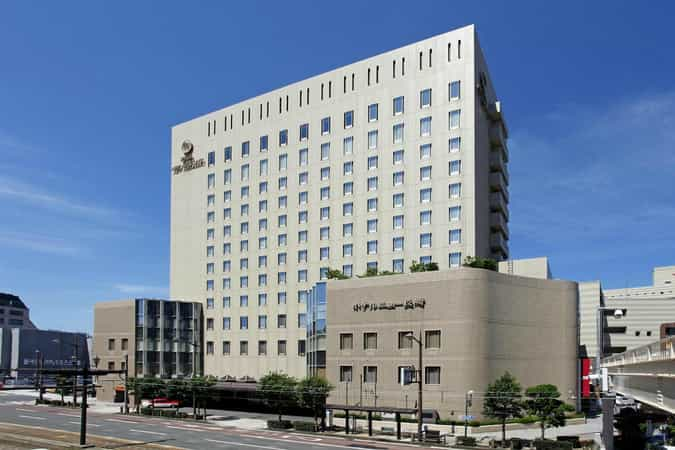
Nagasaki
Hotel New Nagasaki is adjacent to JR Nagasaki Station and easily accessible from Nagasaki Airport. The Nagasaki Ekimae tram stop is also nearby, making it an ideal location for sightseeing in Nagasaki city, including the World Heritage sites of Glover Garden and Dejima. You are offerred a comfortable stay in Nagasaki, as well as for use as a restaurant, for weddings, banquets, and meetings.
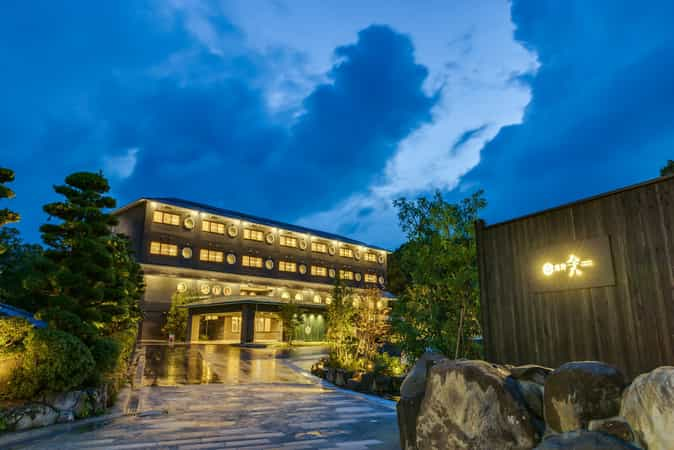
Takeo Onsen
Ureshino Yadoya is a hot spring inn where you can harmonize your mind and body with tea and hot springs. Ureshino tea is Ureshino's greatest specialty. The tea that is prepared is served by the tea farmers themselves every day so you can fully experience the charm of Ureshino tea. Ureshino Onsen is one of Japan's three major hot springs for beautiful skin.
All 36 rooms are equipped with 100% natural hot spring water. The large public bath has a tea-scented Loÿly sauna and a tea-scented dry sauna. You can train your body to your heart's content. Saga's food, crafts, climate, etc. are all centered around Ureshino.
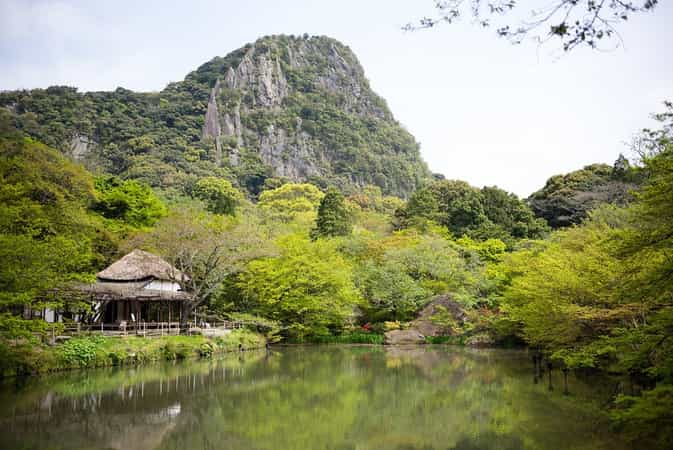
Takeo Onsen
Some places take a while to reveal themselves. This is not one of them. From the moment you're greeted at the entrance by kimono-clad staff and your shoes are swapped for slippers, you're transported into a world of refined and unhurried Japanese ritual.
Tucked into the foothills of sacred Mt. Mifune in the rural hot spring town of Takeo, this intimate ryokan occupies a rather extraordinary position - woven into the fabric of Mifuneyama Rakuen, an Edo-period garden of such beauty it holds status as a Registered Monument of Japan. With just 11 rooms across a vast, forested estate, the sense of seclusion is absolute. The Michelin Guide clearly agrees, having awarded its highest honour of five red pavilions. Even the Japanese Imperial Family have checked in on multiple occasions, which tells you everything you need to know.
Varanasi
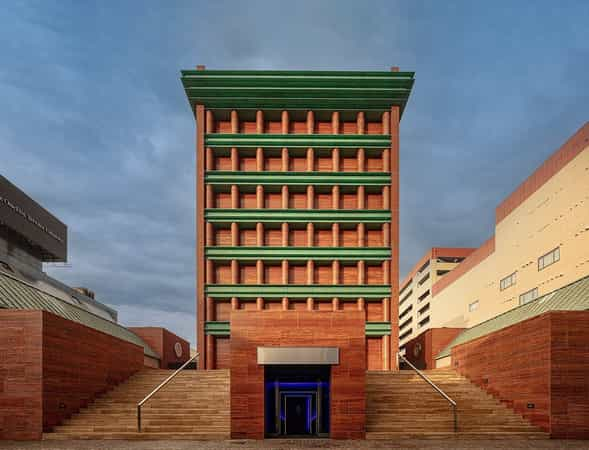
Fukuoka
Japan's first designer hotel, Il Palazzo opened in Fukuoka in 1989 as a genuine architectural statement — the work of Pritzker Prize-winning Italian architect Aldo Rossi, with interiors by celebrated Japanese designer Shigeru Uchida. The building is bold, theatrical, and unmistakably European in spirit, which makes it all the more interesting sitting in the heart of one of Japan's most vibrant cities. A minute's walk from Nakasu's famous yatai street food stalls, it puts you right in the thick of Fukuoka's nocturnal energy — a city that, frankly, doesn't get nearly enough credit on the Japan trail.
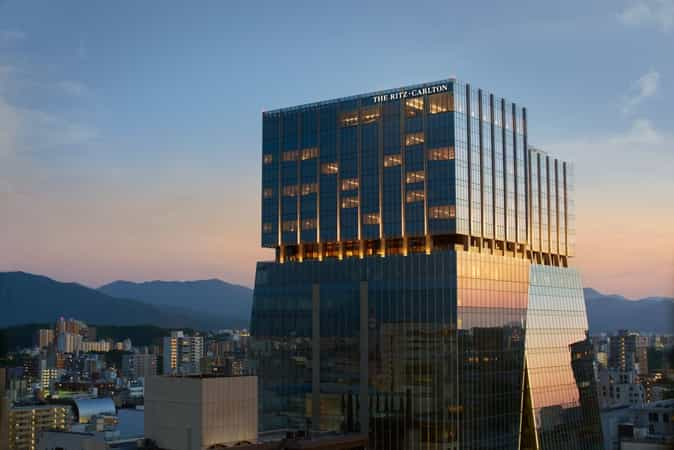
Fukuoka
Situated in the heart of downtown in the main tower of the Fukuoka Daimyo Garden City complex, The Ritz-Carlton, Fukuoka is a sophisticated retreat with views across Hakata Bay. This luxury hotel in Fukuoka, Japan, features six dining venues that complement the city’s renown as a lively food capital, and playful references to the local textile art throughout its spaces.
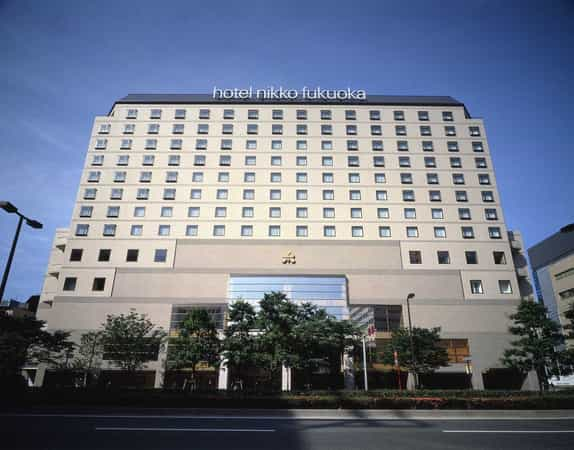
Fukuoka
Hotel Nikko Fukuoka, only three minutes’ walk from Hakata Station, the gateway to Fukuoka and the rest of Kyushu. With magnificent restaurants serving the season’s finest flavors, and meticulous service for all who enter.
Hotel Nikko Fukuoka is furnished with many restaurants, tea lounges, and bars providing food and drink in many different styles. There are restaurants that serve Japanese cuisine, such as sushi, tempura, and wagyu teppanyaki, as well as Chinese, French, and buffet restaurants; and all have menus that feature seasonal delicacies.
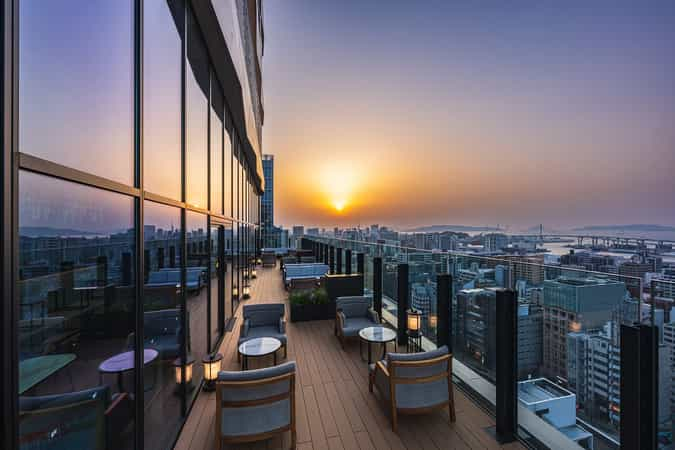
Fukuoka
A sleek, adults-only newcomer that opened in April 2025 on the upper floors of the Hulic Square building in Tenjin — Fukuoka's shopping and dining heart. An elevator runs from Tenjin Station's Exit 5 straight up to the 19th-floor lobby, where a terrace looks out over the city. Rooms are contemporary and comfortably sized for Japan, with Simmons beds and Nespresso machines as standard. A guest-only lounge on the 18th floor serves complimentary drinks and snacks. Best suited to couples and solo travellers wanting polish and a fuss-free urban base.
Sorong
Prince Albert
Beppu
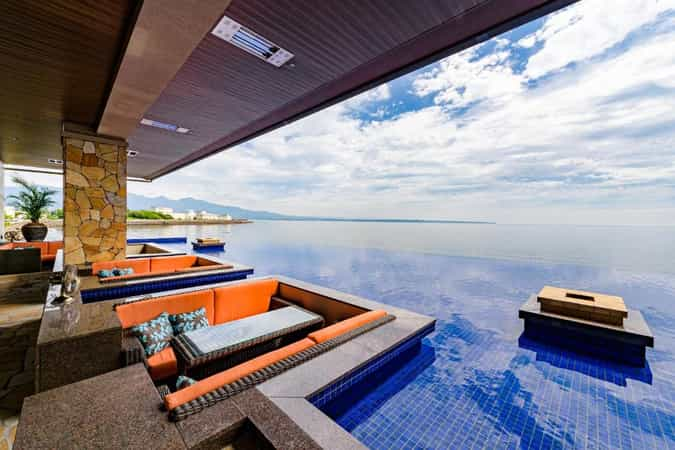
From the outside, the building is admittedly unremarkable - all concrete and main road. But step through the doors and something rather magical happens. The lobby opens up to a wall of glass and suddenly there it is: the vast, shimmering expanse of Beppu Bay, stretching out so far that sky and sea seem to merge into one. Perched right on the coastline of Japan's undisputed onsen capital, this is a contemporary resort that takes the region's 1,300-year bathing heritage and gives it a decidedly modern twist.
Every room has its own private open-air hot spring bath overlooking the water, the communal onsen on the ground floor sits so close to the ocean it's been nicknamed the "zero-metres-above-sea-level bath", and there are three distinct restaurants championing Oita Prefecture's exceptional produce. It's not a traditional ryokan in the tatami-and-futon sense, but the spirit of omotenashi runs deep, and the staff set the tone from the moment they hand you a welcome drink on the waterfront terrace.
Beppu
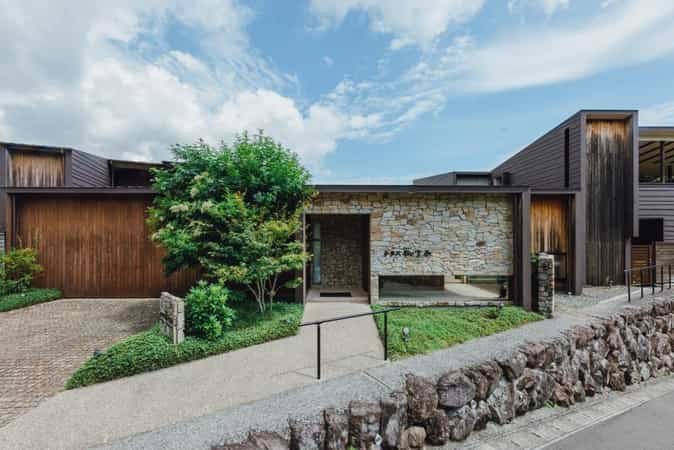
This hilltop inn is an exercise in modern restraint: clean lines, warm wood, contemporary art on the walls, and not a single fussy detail in sight. And yet the classical virtues of Japanese hospitality are very much intact, from the sulfur-rich spring water piped into every room to the creative kaiseki dinners that showcase Oita Prefecture's remarkable larder. The real showstopper, though, is the position. Set high above the town with unobstructed views across Beppu Bay and the city's famously steaming streets below, it feels a world away from the tourist bustle of the "hells" - even though they're just a 15-minute drive down the hill.
Nagano City
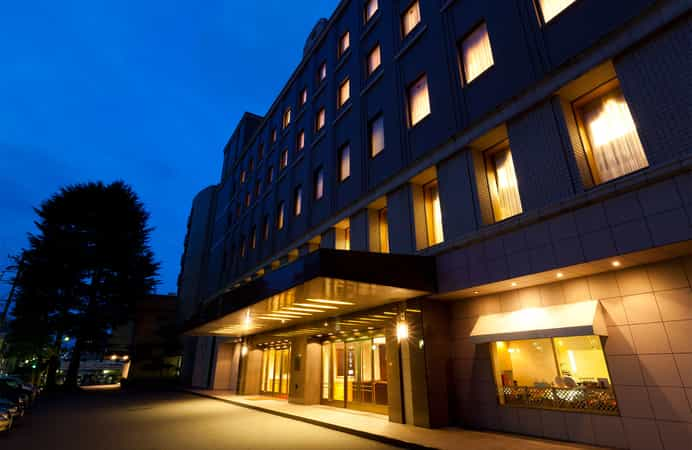
The Saihokukan is Nagano City's grand old dame — a heritage hotel dating to 1890 that has hosted Japanese emperors, legendary shogi title matches, and cultural icons from novelist Natsume Soseki to painter Okamoto Taro. During the 1998 Winter Olympics, its ballroom hosted the Imperial tea reception — a first for any private venue in Japan. The hotel's own tagline is disarmingly honest: "not everything is exquisite, but it's a comfortable hotel." A characterful, historically rich base for exploring Nagano City and nearby Zenko-ji temple.
Nagano City
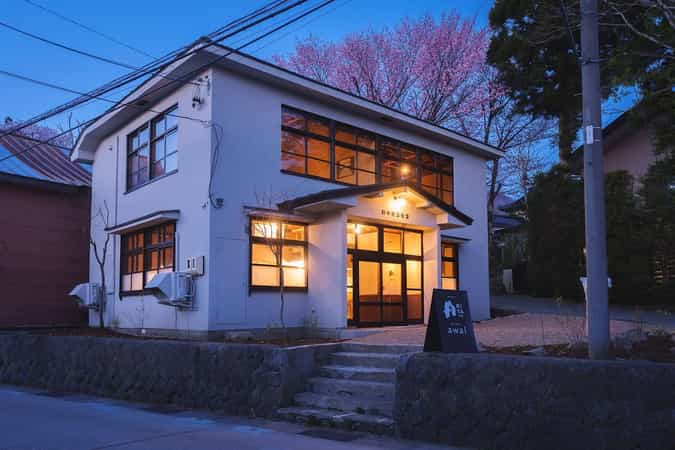
Located in the mountains, 200 meters above sea level, there is a village lined with thatched-roof temple lodgings. Welcome to Awai Togakushi Hotel. This hotel is a decentralized retreat rooted in the local culture of Togakushi. A place where people and nature coexist.


Namibrand, Namibia