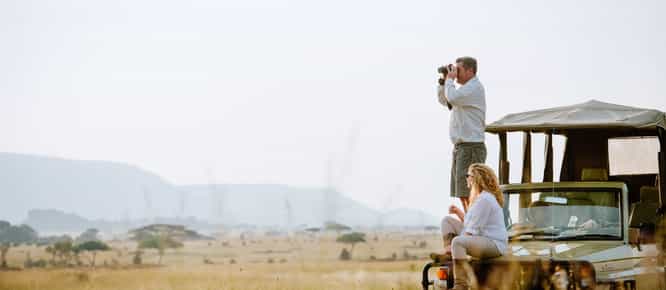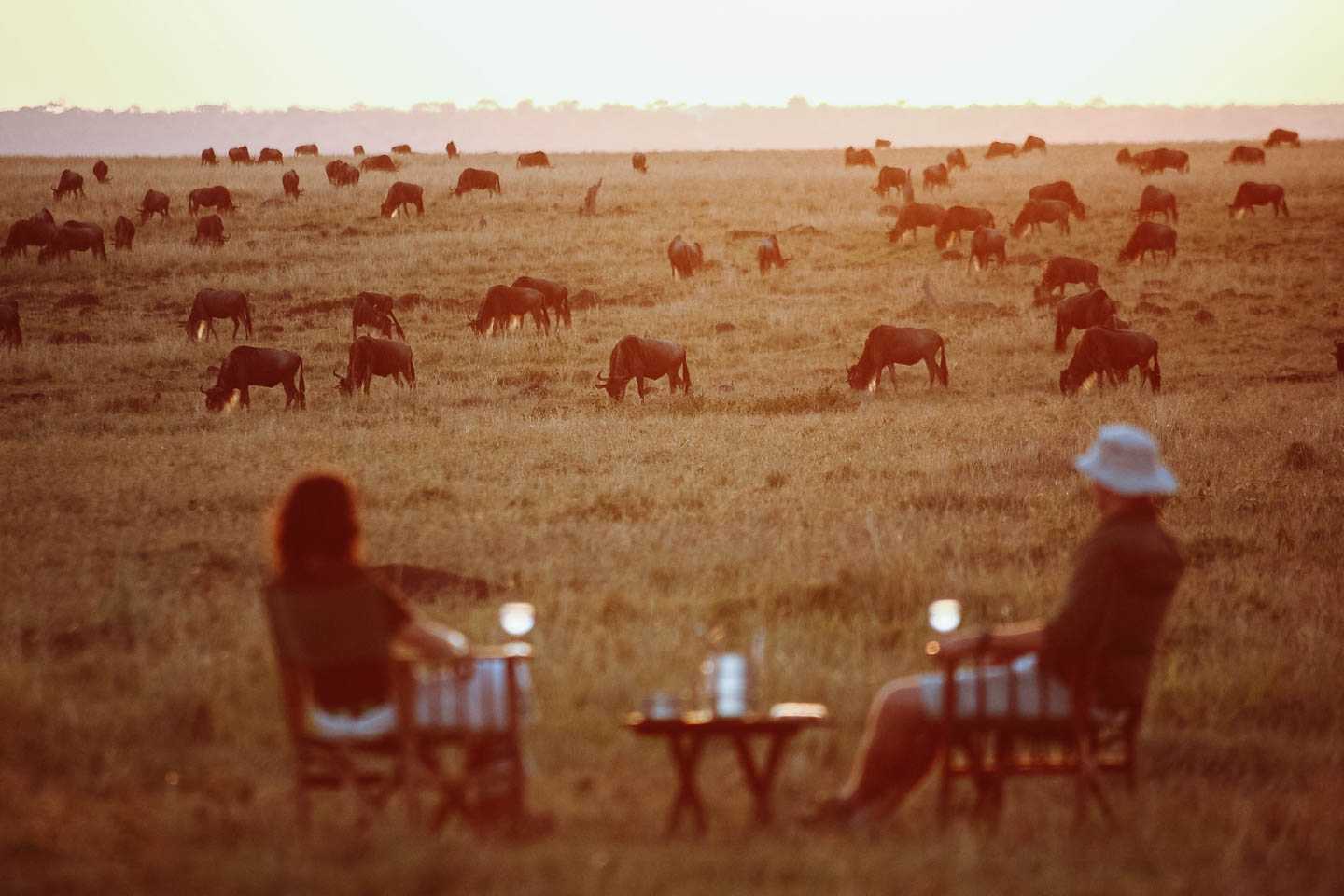
The Masai Mara: possibly the continent’s most loved and most loathed wildlife reserve. It’s the Africa of storybooks, where long-limbed Maasai traverse the glorious plains, the wildebeest of the Great Migration plunge across the river in a show of life and death and there’s a different animal around every corner. But sadly, in some parts, there’s probably a minibus stuffed full of khaki-clad tourists around the corner too. But the best time to visit the Masai Mara is when avoiding the crowds and having visited ourselves, many times, we thought we’d let you in on the secrets…
The best time to visit the Masai Mara at a glance
- For the Great Migration without the crowds: October to early November.
- For the famous river crossings: late July through September (the peak is August), but expect company.
- For the green season, newborn animals and fewer visitors: February to March.
- The months we’d avoid if you don’t love crowds: July and August.
- Where to stay for the wildlife without the traffic: any of the Mara conservancies (Naboisho, Mara North, Olare Motorogi) rather than the main Masai Mara reserve.

When is the best time to visit the Masai Mara?
The best time to visit the Masai Mara is October to early November. The migration is still in residence, the weather is warm and dry, and the European school holidays are over, meaning fewer minibuses, lower lodge rates and a much quieter version of one of Africa’s most famous reserves.
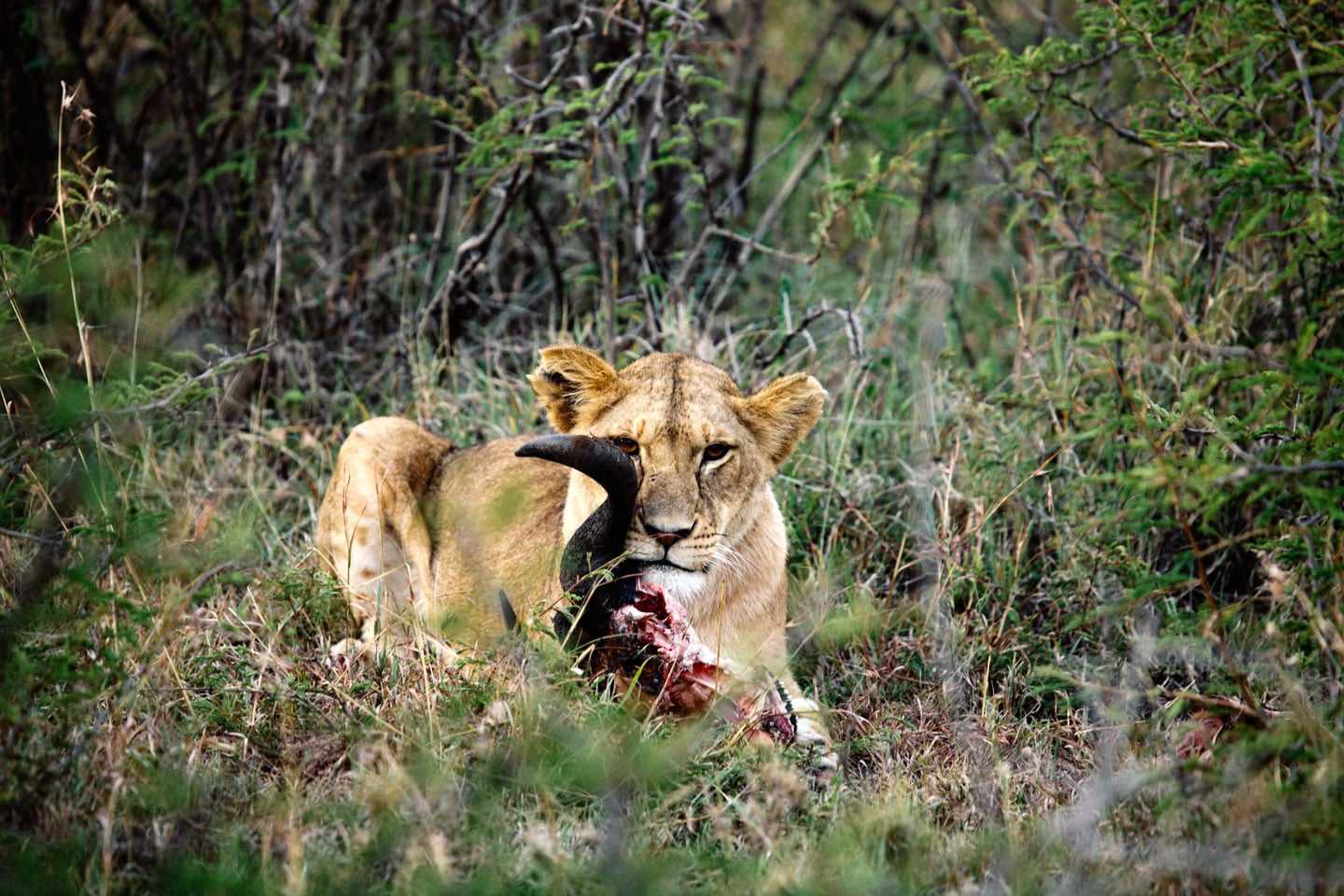
July and August are the most famous months. It’s during this time that the famous river crossings are at their peak, but that also means the Mara is undoubtedly at its busiest. Whilst iconic and always spectacular, watching the wildebeest plunge into the Mara River in the bustle of dozens of other vehicles can take the edge off what should be an unforgettable moment.
If you’d rather skip the migration altogether, February and March are our other favourite recommendation. The grass is green, the babies are springing around the plains, and the lodges are noticeably quieter and cheaper. Stunning, in a completely different way.
When are the Great Migration river crossings in the Masai Mara?
The Mara River crossings typically happen from late July through to October, with August and September the most reliable months. The crossings can begin as early as June or stretch as late as October depending on rainfall, so exact dates are never guaranteed, but this is the most predictable window.
If the crossings are the main reason for your trip, August is the safest bet. If you want to see them with a bit more breathing room, late September and early October are our pick. For a deeper guide to where the herds are each month, take a look at our month-by-month Great Migration guide to help you plan.


What’s the Masai Mara like in the green season (February to March)?
February and March are the Mara’s green season. The long rains haven’t fully started, but the short rains of November and December have left the plains lush, juicy and green. The wildebeest are mostly down in the southern Serengeti at this time, so this isn’t your moment for the Migration. What you get instead is calving season for resident species, intense predator activity, fewer visitors, and dramatically lower rates.
It’s also an excellent option for photographers, return safari-goers who’ve already “done” the river crossings, and anyone who wants the Mara without the high-season pressure.
How to avoid the crowds in the Masai Mara
Even in the quieter months, parts of the main reserve can feel busy. These are the levers we use to make sure our clients experience the Mara at its wildest.
Stay in the conservancies, not the reserve
The conservancies lining the edge of the reserve really are changing the game when it comes to the best time to visit the Masai Mara. The little pockets of uninhabited wilderness are co-owned by safari operators and local Maasai landowners who have a serious interest in protecting the wildlife. Most have a limit on the number of camps and rooms allowed too (no 150-bedroom lodges here thank you!) so you really will be leaving the crowds behind. As for game drives, think acres of untouched land with nothing but animals for miles around. And if you can’t leave the migration behind, don’t worry – head out on an all day drive to the Mara Reserve for your wildebeest fix.
Try Naboisho Camp in Mara Naboisho Conservancy and Serian Mara North in the North Conservancy.
Choose smaller camps
If there’s one thing the Mara has, it’s a choice of camps! There are almost 6,000 beds available in the reserve, covering the good, the bad and the very ugly. In the latter are some of the enormous, 100 plus bedroom lodges in the main reserve. Whilst the accommodation might not be too shabby, the sheer number of guests means packed vehicles and early morning traffic jams. Try smaller camps Nkoromobo, Naibor & Sala’s Camp – game drives usually have a maximum of 6 people and you might even secure a private vehicle to do exactly what you want, when you want, away from everyone else.

Research your guides
Not only can an excellent guide make or break your trip, he can make it truly outstanding. So if you chose the best time to visit the Masai Mara what should you look for and where are the good guys hiding? Choose a camp that is well-established in the Mara and has been for years, Governor’s or Rekero for example. For the guides here, the Mara is their stomping ground and they have a safari-bag full of tricks when it comes to finding secret river-watching spots and how to avoid the minibuses. By and large, some of the driving safaris from Nairobi that visit the Mara for a few days can be dangerous territory – the guides are more used to navigating Nairobi’s potholes than herds of elephant!
Try something different
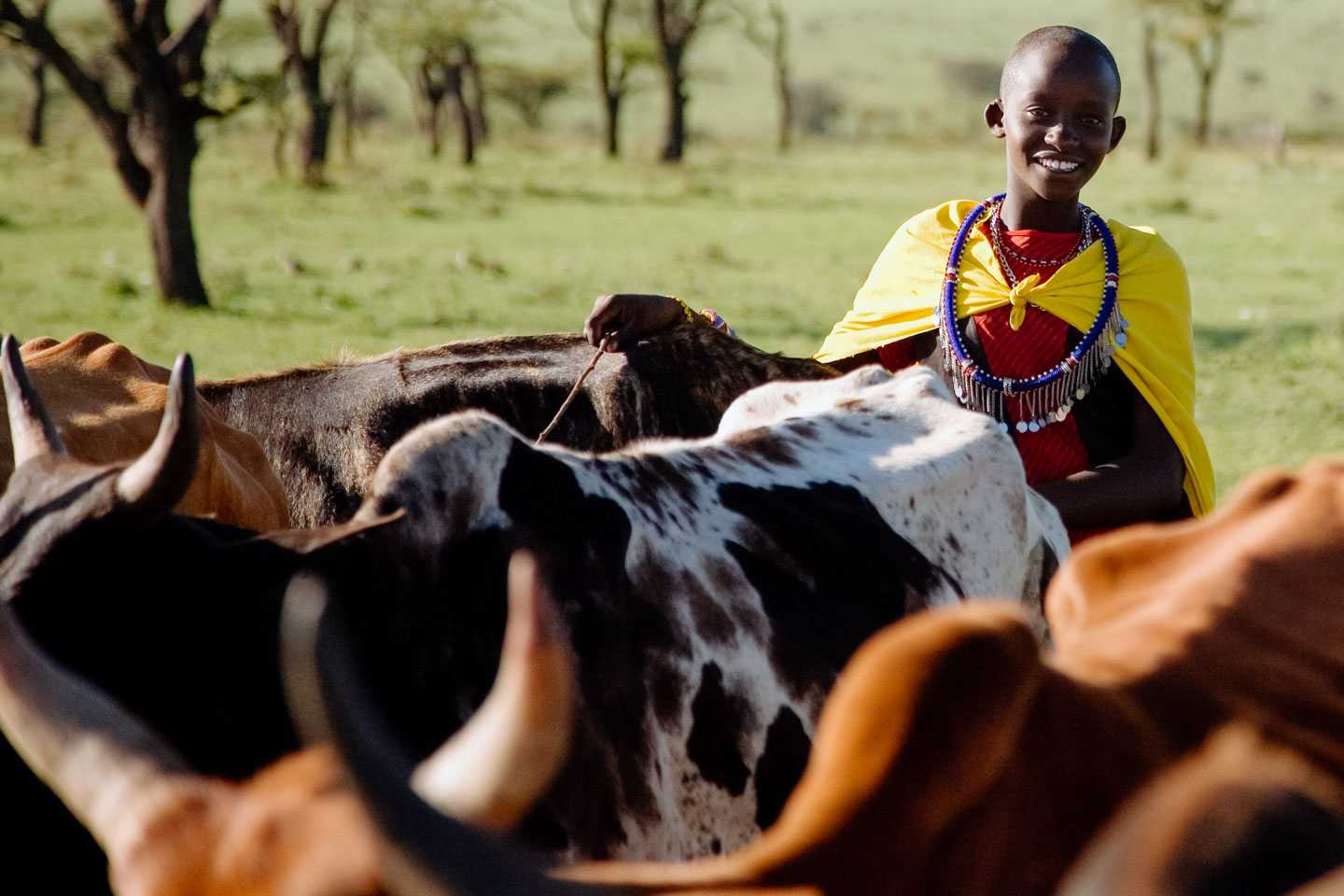
So what happens if you really do find yourself in a conveyor-belt of cars? Use it as the perfect time to try something new. The camps in the Mara are literally bursting at the seams with activities and there’s plenty to fill your days. Take to the skies on a balloon safari and watch the animals from your serene vantage point, or pack a picnic basket and explore a remote corner of the wilderness on an all-day adventure. For a spot of culture, visit a local community and play volleyball with the kids or watch the ladies going about their daily chores – the chance to learn a little about the Maasai way of life is inspiring.
Try ballooning from Little Governor’s, cultural visits from Rekero and fabulous all-day picnic drives from Angama Mara.
The best time to visit the Masai Mara FAQs
When are the Mara River crossings most likely to happen?
Late July through September, with August as the most reliable single month. The crossings depend on rainfall and timings can vary from year to year.
Is October still a good time for a Masai Mara safari?
October is often our top recommendation. Much of the migration is still in residence, the weather is warm and dry, and the European school-holiday crowds have left.
What’s the difference between the Masai Mara Reserve and the conservancies?
The Masai Mara National Reserve is the public, government-managed park. The surrounding conservancies, including Mara Naboisho, Mara North, Olare Motorogi, Olderkesi and others, are private wilderness areas co-owned by safari operators and local Maasai landowners. They cap bed numbers, limit how many vehicles can be at a sighting, and offer activities (night drives, walking safaris, off-roading) that aren’t allowed inside the reserve.
Can I see the Great Migration in October?
Yes. Much of the wildebeest herd is still in the northern Serengeti and southern Masai Mara through October. They begin moving south in earnest as the short rains arrive in November.
What’s the worst time to visit the Masai Mara?
April and May are the trickiest months as the long rains can make roads difficult and several camps close. But, travellers who don’t mind the conditions often have the Mara almost to themselves and pay a fraction of peak rates.
Is February a good time for a Masai Mara safari?
Yes, especially if you don’t mind skipping the migration! The plains are green, calving season for resident species is underway, predators are active, and visitor numbers are low.
Latest blogs


As seen in