The best time to visit Zambia
 With expert insights from Tessa Dancer, Travel Specialist
We know the importance of weather when it comes to a safari, be it game driving in the South Luangwa, chilling out on the river in the Lower Zambezi, or streaking above Vic Falls in a chopper. Zambia has very distinct weather patterns that make defining safari seasons in the different parks quite easy. But, as ever, global warming seems determined to wreak havoc with the climate so there is an element of unpredictability. Read on for our general guide to the best time to visit Zambia, weather patterns and all (and if you’re still struggling to find the time to suit you, take a look at our comprehensive when to go guide for a month-by-month deep dive).
The best time to visit Zambia at a glance
- Best overall for game viewing: June to October (peak/dry season), when animals congregate around water sources.
- Best for photography and lush scenery: December to April (green season), when the parks are at their greenest and the light is exceptional.
- Best for value and fewer crowds: April, May and November (shoulder seasons), when rates drop but the bush is still accessible.
- Best for walking safaris: Late June onwards, once the tall grass has receded.
- Best for Victoria Falls in full flow: May to July/August, when water levels peak.
- Best for low-water rafting and Devil’s Pool: August to December, once water levels recede.
- Worth knowing: Liuwa Plain breaks the usual pattern entirely – its wildebeest migration peaks in late November and December, the opposite of the rest of the country’s quietest season.
Green season (December – April)
Weather: Wet, lush, dramatic skies. Game viewing: Good but dispersed; lush vegetation can limit sightings. Price & crowds: Lower rates; many remote bush camps closed. Best for: Photographers, birders, boating safaris.
Shoulder season (April – May & November)
Weather: Rains easing off (Apr/May) or just starting (Nov); occasional showers. Game viewing: Improving as grass recedes (Apr/May); still good in Nov. Price & crowds: Excellent value; some bush camps still closed. Best for: Budget-conscious travellers, fewer crowds.
Peak season (June – October)
Weather: Dry and clear; cool June/July mornings, very hot by October (avg. 36°C). Game viewing: Phenomenal; animals concentrate at water sources. Price & crowds: Highest rates; all camps open. Best for: First-time safari-goers, walking safaris (from late June).
December to April: the green season
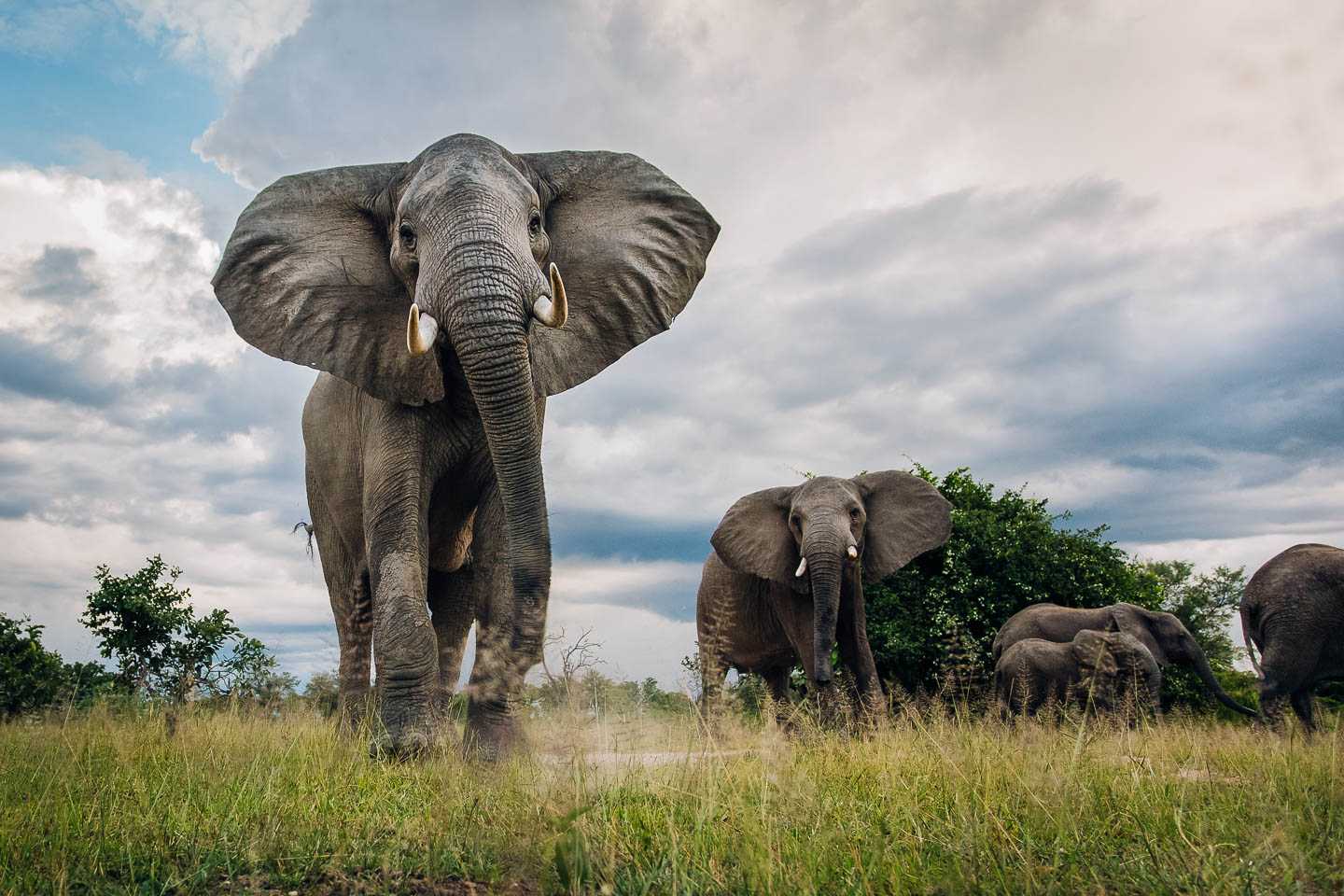
It might seem strange to start at the end of the year, but December actually marks the true beginning of Zambia’s green season that carries on through to March and April. It may be a little wetter than normal but this is one of the best times to visit Zambia. The parks are luscious and green, the light is phenomenal and there’s not a bit of dust in sight – a photographer’s dream. Many of the remote bush camps in places like the South Luangwa, Luambe and the North Luangwa will be closed but there are still a good number of lodges open, and at very competitive prices. For boating in the South Luangwa, time your visit for February or March; several of the bush camps re-open (Time and Tide Kakuli Bush Camp and Nsefu bush camps spring to mind) and are accessible only by water, making for a wonderful experience. Take a look at this green season itinerary if that sounds like your cup of tea. Down at Victoria Falls, the waterfall is in full flow and possibly at its most spectacular, but the high levels of water aren’t so good for white-water rafting.
“Green season is the one guests always underestimate. The light is extraordinary for photography, and boating into camps like Nsefu that are only accessible by water in February and March is a completely different way to experience the South Luangwa.”
— Tessa Dancer, Travel Specialist at Timbuktu Travel

April & May: the shoulder season
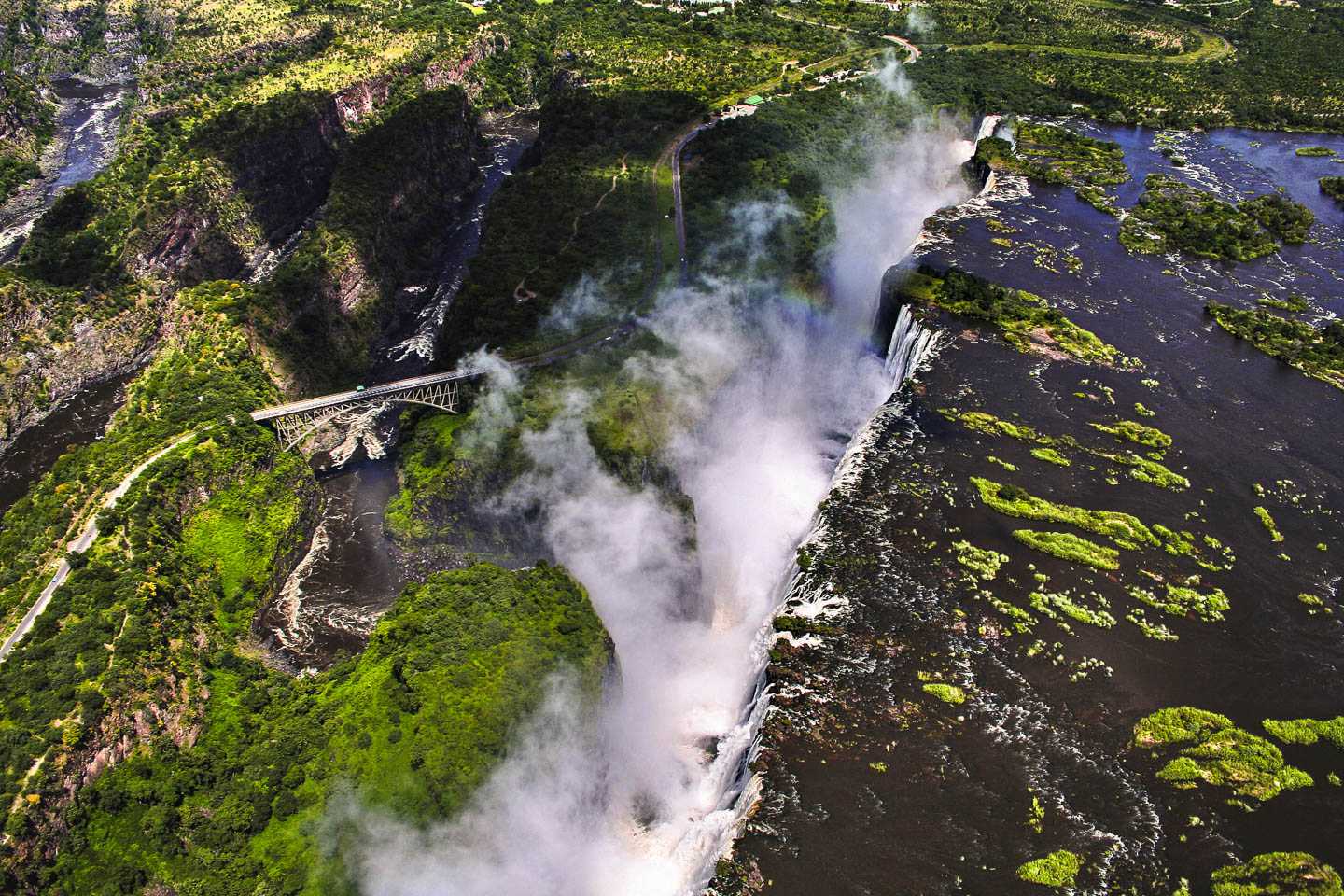
April and May (and November) are the ‘shoulder season’ months in Zambia. The rains are pretty much over – although anything could happen and it would be wise to prepare for a shower here and there – and the game viewing heats up as the grass recedes. It truly is a lovely time to travel and if you’re looking to save a few pennies, this is the best time of year to seek out excellent deals. Remember that lots of the remote bush camps in the South Luangwa, Lower Zambezi and Kafue are closed and walking isn’t at its best, but you’ll still have a good selection of accommodation to choose from. Victoria Falls are still a spectacular sight at this time of year with the water level of the Zambezi peaking, showcasing the falls in all her glory.


June to October: the peak season
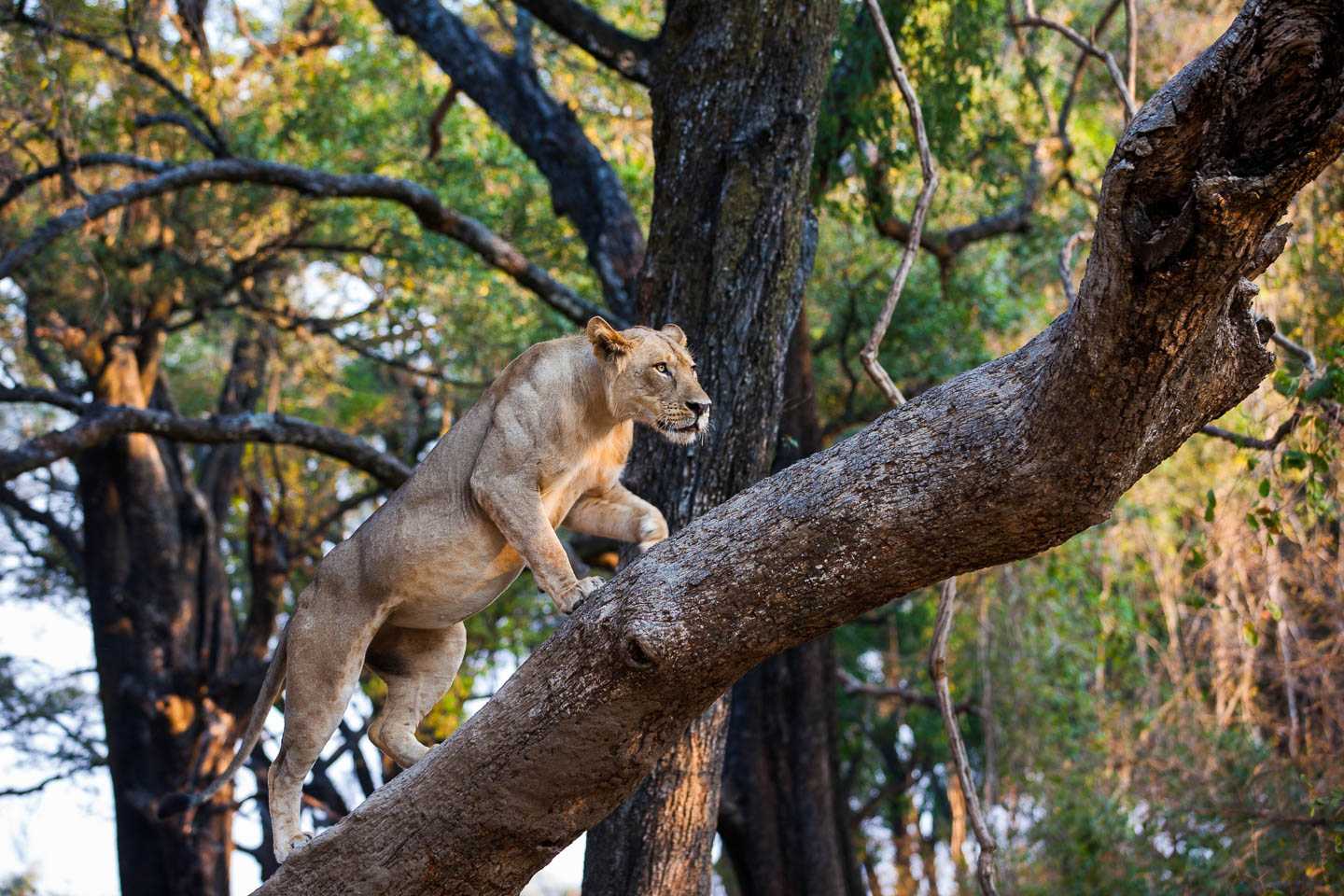
The peak safari season, and traditionally the best time to visit Zambia, is from June to October. It’s actually winter, but perhaps not the same winter we northern hemisphere dwellers are used to! We’re talking clear blue skies, sunshine (and lots of it) and rarely a drop of rain. The coldest months are June and July, and mornings and evenings can be chilly but nothing a good jacket can’t solve. As the season progresses, it steadily heats up and becomes drier and October is hot, hot, hot – think an average of 36 degrees. But, if you can stand the heat, the game viewing is phenomenal across the main parks with animals congregating at the main water sources and predators taking full advantage of the mobile buffet.
If you choose to travel now, you’ll have the pick of the camps in the South Luangwa and the Lower Zambezi, and by mid-June, even the most far-flung bush camps will be open. If you’ve got your eye on the Kafue, get there earlier rather than later for the chance to boat around the Busanga Plains. For the Lower Zambezi and South Luangwa, walking safaris get better toward the end of June as the tall grass recedes.
At Livingstone and Victoria Falls, water levels move in the opposite direction to game viewing conditions: from May to July/August, the water is pumping, throwing spray hundreds of metres into the air, just like the postcards. After August, the water level recedes making it the best time to visit for the Devil’s Pool and ‘low water’ white-water rafting, undoubtedly the most exhilarating! Contrary to some news reports, the Falls never dry up and even if you’re visiting towards the end of the season, they are still a sight to behold.
“June to October is when I send most first-time safari guests, no question. The water sources concentrate the game so predictably that you barely need to work for a sighting – by September the Luangwa is just teeming with life.”
— Tessa Dancer, Travel Specialist at Timbuktu Travel

November: the other shoulder season
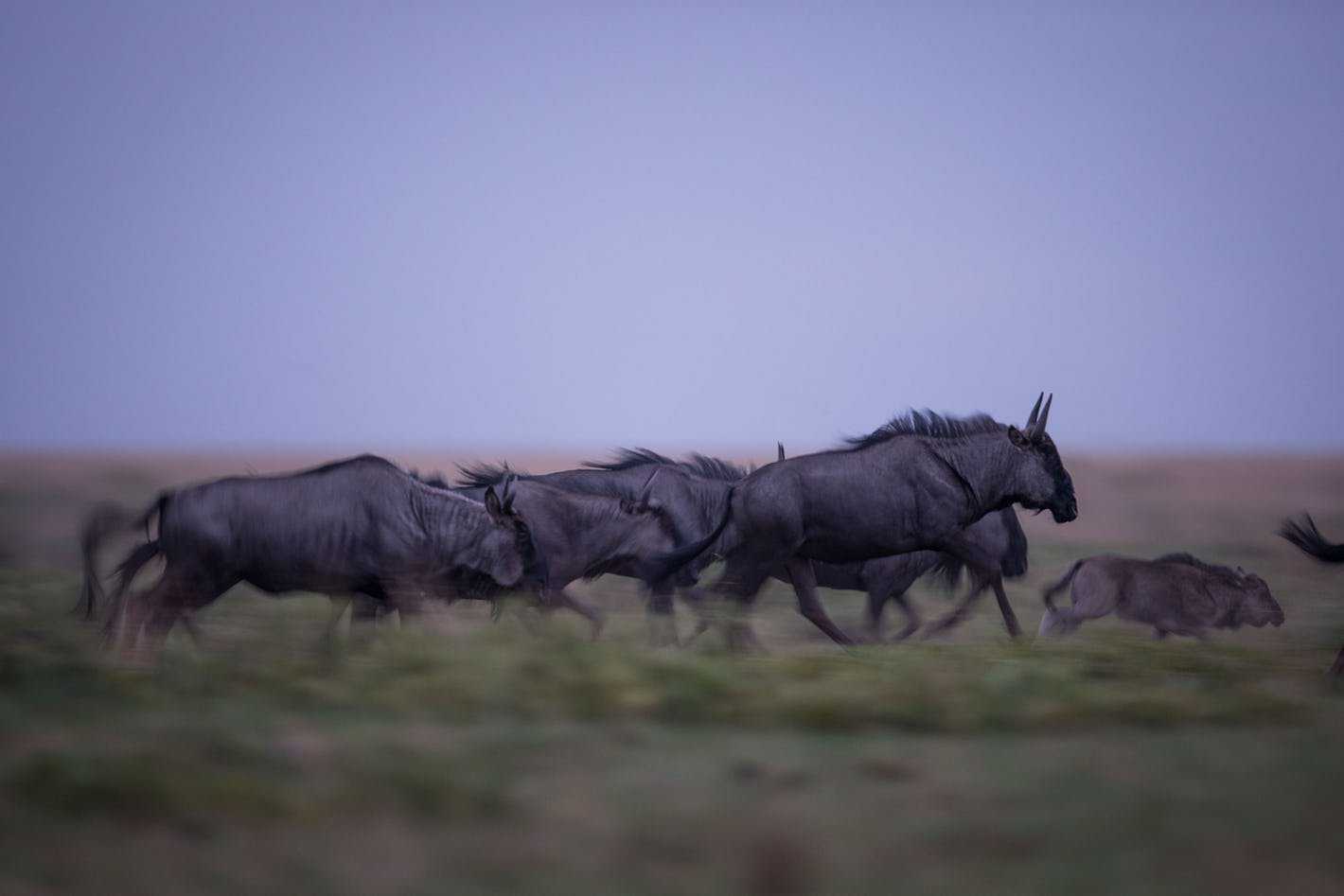
November is rather like April and May. The chance of rain is quite high and the first storms of the season are dramatic and incredible to witness. The bush camps start to close and accommodation choices are fewer in many areas, but what that does mean is that you’ll have the parks (and the wildlife sightings) pretty much all to yourself. If you choose to travel now, you certainly won’t be disappointed.
And for the exception that proves the rule: Liuwa Plain. Unlike the rest of the country, the best time to visit Liuwa is in late November to December for the astonishing wildebeest migration (the second largest on the continent), or April, May and early June when the rains are over. Flights to Kalabo are seasonal, and there’s very limited accommodation in the park (the only permanent lodge at the time of writing is King Lewanika), both of which dictate when you can and can’t travel, but if it fits into your plans – go, go go!

Whether you travel in the dry peak season or the lush green season, choosing the right time for you will make your Zambian safari truly unforgettable.
Zambia weather and timing FAQs
When is the best time to visit Zambia overall?
June to October is generally considered the best time, offering dry weather, clear skies and the most concentrated game viewing as animals gather around water sources. October is the hottest month, with average temperatures around 36°C, so May, June and July offer a cooler take on the same dry conditions.
Is Zambia good to visit in the rainy season?
Yes, particularly for photography. The green season (December to April) brings lush scenery, dramatic skies and excellent light, along with lower rates. The trade-off is that many remote bush camps close and game viewing is more dispersed because of the thicker vegetation.
When should I visit Zambia for walking safaris?
Late June onwards, once the tall grass has receded enough for good visibility and tracking. Walking safaris in the South Luangwa and Lower Zambezi improve steadily through the peak season.
What’s the best time for Victoria Falls — high water or low water?
It depends what you want to see. May to July/August brings the Falls to their most dramatic, full-flow state. From August onwards, water levels recede, which is when the Devil’s Pool and low-water white-water rafting become possible. The Falls never fully dry up, even at the end of the season.
What’s the best time to see the Liuwa Plain wildebeest migration?
Late November to December, which is the opposite of the rest of Zambia’s quietest period. April, May and early June, once the rains have eased, are also good alternatives. Flights to Kalabo are seasonal and accommodation is limited, so this trip needs more advance planning than the rest of the country.
Is November a good time to visit Zambia?
Yes, if you don’t mind the chance of rain. November is a shoulder season month, so accommodation choices are fewer as bush camps begin to close, but you’ll likely have the parks largely to yourself. It’s also peak time for the Liuwa Plain migration.
Latest blogs


As seen in