Planning Guides
Cambodia Country Guide
Brimming with history, astounding temples and unfiltered beauty

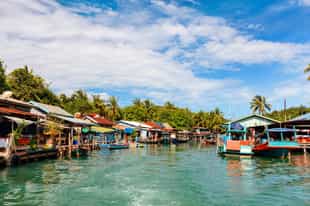
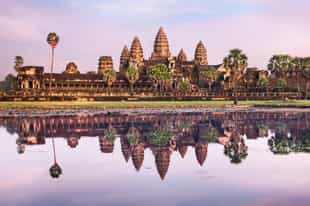
Cambodia, almost permanently balmy and beautiful in any weather, sign us up! Whilst it's always dreamy, there are certainly best times to visit some of the country's highlights. The most popular (and comfortable) time to visit is from November to February, when the monsoon rains have stopped and the temperatures are cooler than full Summer. It's a perfect time to visit Angkor Wat, bask on the sunny southern islands or trek in the Cardamom Mountains (when the humidity is manageable). December is fantastic for boating along the rivers and visiting the the floating villages of Tonle Sap Lake. March brings a tropical heat but if you can bear it, the coast is stunning. Mid-April rings in the Khmer New Year and most of Phnom Penh shuts down - not ideal for sightseeing! Cambodia is coated in emerald green as the monsoon arrives in May and although the rural regions can be trickier to navigate (especially between Battambang and Siem Reap), the scenery is remarkable and the temples are at their quietest.

Dry Season — one of the best times to visit
The cool, dry season is in full swing, with calm seas ideal for snorkelling, paddleboarding and island escapes off the south coast. Koh Rong Samloem enjoys crystal-clear waters and excellent visibility, though prices can be high.
Irrawaddy dolphin spotting is excellent around Kratie at this time of year. The Mekong water levels have dropped and these endangered freshwater dolphins are concentrated in the deep pools near Kampi. You might even spot some playful dolphin calves!
Beyond Angkor Wat, Banteay Chhmar is a vast, little-visited, 12th-century temple complex. In January, the conditions are dry and balmy, making access straightforward and crowds virtually non-existent.
Dry Season — one of the best times to visit
Weather-wise, February is Cambodia at its most pleasant. Bear in mind though, that this is also the start of the burning season in which farmers burn off old crops, creating a slightly unpleasant haze across some countryside areas.
Migratory birding around the Tonle Sap wetlands is excellent, with Prek Toal hosting extraordinary concentrations of spot-billed pelicans, painted storks and adjutants - just to name a few!
Chinese New Year celebrations transform Phnom Penh's Chinese quarter into a riot of lion dances, firecrackers and family feasts. Many restaurants offer fabulous, specially-curated menus too, making it a great time to explore the city’s culinary scene.
Dry Season — a good time to visit
As the hot season approaches, temperatures begin to rise and in some areas, the smoke from the crop burning gets worse. The month has plenty to offer, but the smoky haze can make travel and sightseeing a little difficult.
Around the March equinox, the sun rises directly behind the central tower of Angkor Wat – a celestial alignment that has photographers jostling for position in the pre-dawn darkness. To avoid the hubbub, arrive before 5am.
Dry Season — a quieter time to visit
The hottest month of the year, with temperatures soaring and crop-burning at its peak. Koh Rong's sea breezes and resort pools provide merciful relief from the inland furnace and fumes!
Khmer New Year (Chaul Chnam Thmey) transforms the country with nationwide celebrations, temple rituals and enthusiastic water throwing. Expect the cities to empty as families reunite in their home villages - and be prepared to get very, very wet.
Wet Season — a quieter time to visit
With crop-burning over and the green season on its way, the countryside breathes a sigh of relief - especially as the late afternoon thunderstorms roll in. The air is fresher, the dust has settled, and Cambodia’s lush greens are even more vivid.
Colour returns to temples and the countryside as dusty browns shift to vibrant greens. Newly planted rice paddies transform the rural areas around Siem Reap and Battambang into emerald quilts that photographers will find impossible to resist.
The Royal Ploughing Ceremony in Phnom Penh marks the start of the agricultural year with elaborate rituals – sacred oxen choose from various foods to divine the coming season's rains, watched intently by farmers who take the predictions quite seriously.
Wet Season — a good time to visit
Rainfall settles into a regular rhythm, and storms, reflections and saturated colours create dramatic photography conditions across the temples and rice fields. Those willing to work beyond the weather will experience a Cambodia that few get to see.
In the forests, waterfalls are tumbling and river swimming is fantastic, and the Cardamom Mountains and Mondulkiri highlands come alive after months of relative dormancy. Pack your swimmers and prepare for refreshingly cool, natural pools.
Wild mushroom season begins and the local markets offer an impressive variety of foraged fungi that find their way into Khmer dishes you won't encounter during the dry season.
Wet Season — a quieter time to visit
With the wet season well under way, the afternoons deliver dramatic downpours. It’s still possible to have an enjoyable visit however, with activities planned for the first half of the day.
Rainforest landscapes in the Cardamom Mountains become wonderfully atmospheric. Mist hangs in the valleys, rivers run high, and the jungle takes on a primordial quality. Some trails are challenging, but certainly still do-able.
Community homestays during the farming season offer authentic glimpses into rural Cambodian life, with families welcoming guests into the agricultural rhythms that have sustained communities here for generations.
Wet Season — a quieter time to visit
Cambodia's wettest month brings frequent afternoon storms and occasional all-day rain that makes this a difficult month to recommend. One up-side are the rates, which are significantly lower than usual.
High-flow rivers and waterfalls in the Cardamoms reach their most dramatic, and roaring cascades reward those willing to navigate muddy trails. This is Cambodia at its most elemental, but not for those who prefer their nature neatly manicured!
Wet Season — a quieter time to visit
The wettest weather begins to ease, though the countryside remains lush and rivers run high. Occasional dry spells offer glimpses of the months ahead, and experienced travellers know that the shoulder season delivers excellent value alongside the puddles.
Markets overflow with herbs, greens and seasonal fruit. For foodies, cooking classes are particularly rewarding at this time of year, as chefs work with ingredients rarely available during drier months.
Around the September equinox, the sun again rises behind Angkor Wat's central tower, mirroring the March alignment but witnessed by a fraction of the visitors. It’s the connoisseur's choice for this celestial show.
Dry Season — a good time to visit
If you didn’t bring a camera, you’ll start regretting it around about now. Rainfall begins to ease and landscapes look spectacularly fresh with clearing skies and dramatic cloud formations creating beautiful conditions for photography.
The rice paddies surrounding Siem Reap reach their most vivid green. The best way to explore is on a cycling excursion, peddling through the villages where the harvest preparations are well underway.
The Pchum Ben ancestor festival, a 15-day commemoration of deceased relatives, is celebrated across the country with early-morning temple offerings and rituals, and offers profound insights into ancient Khmer Buddhist traditions.
Dry Season — one of the best times to visit
The dry season returns with a collective sigh of relief, bringing comfortable temperatures, low humidity and reliable weather that makes planning much more straightforward.
Dry trails and improving conditions in the Cardamom Mountains make wildlife sightings more likely as animals concentrate near remaining water sources. The jungle is much more accessible and the creatures within it much easier to find.
Bon Om Touk (Water Festival) transforms Phnom Penh and Siem Reap with dragon boat races and celebrations to mark the reversal of the Tonle Sap River. The Phnom Penh festivities draw millions and rank among Southeast Asia's most spectacular annual events.
Dry Season — one of the best times to visit
The cool, dry season settles in fully, with clear skies and ideal temperatures. Early booking is essential as the best properties fill up quickly and sometimes many weeks in advance.
The irrawaddy dolphin viewing improves in Kratie as falling water levels concentrate the endangered creatures in accessible pools, while migratory birdlife begin to cross into the Tonle Sap wetlands.
The Sea Festival rotates annually between coastal provinces, bringing concerts, food fairs and beachfront celebrations to Kep, Kampot, Sihanoukville or Koh Kong. Check the year's location for a lively addition to any coastal itinerary.


Get advice and suggestions to make this your perfect trip.
or call us on: +1 (646) 542 0667
11 Condé Nast Traveler Top Travel Specialists 2026

No. 1 & No. 2 Tour Operator in Travel + Leisure's Best Awards 2024 & 2025

Best Booking Platform in Women's Health Travel Awards 2025

Travel Specialist voted as Latin America A-List Travel Advisor 2025

"Timbuktu can take relatively complex and slightly amorphous travel plans and transform them into a well-organized, perfectly tailored trip."