Travel and Leaisure Worlds Best Awards for number 1 tour operator in the world 2024 and number 2 tour operator in the world 2025
We're one of the World's Best Tour Operators!
Voted No.1 in 2024 and No.2 in 2025 by Travel+Leisure
Destinations

Where to go in Madagascar

Fall in love with all this island has to offer, from the lemur-filled forests of mainland Madagascar to salt-encrusted isles like Nosy Be.
Andasibe

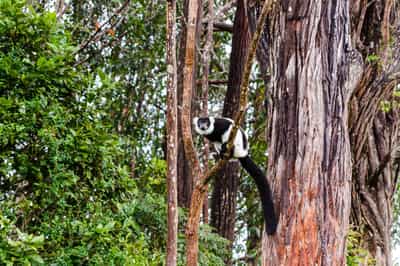
The island’s most popular wildlife destination is home to 13 lemur species and the intriguing indri.
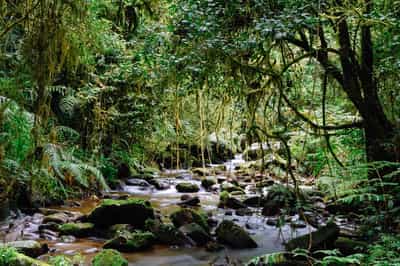
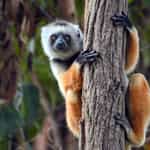
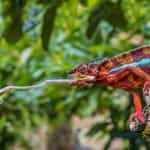
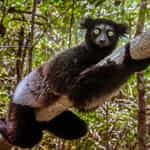
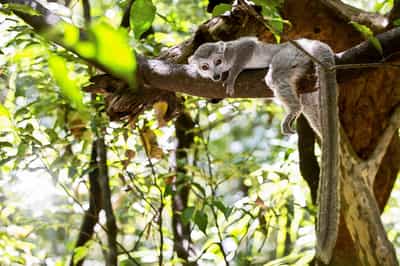
Lemurs. Not found anywhere else in the world, these charismatic primates abound in Madagascar, and the best place to see them? Andasibe. Probably the most popular wildlife destination on the island and covered in a thick blanket of montane rainforest, a trip here will uncover 13 lemur species, including the brown, grey bamboo and woolly lemurs, as well as dazzling rainbow-coloured chameleons and a host of kaleidoscopic butterflies. But what’s really special about Andasibe is the Indri (or Perinet) Special Reserve, home to the world’s largest lemur, the Indri. Waking up early in the morning and following their haunting, whale-like calls through the trees is an experience unlike any other...

Nosy Be

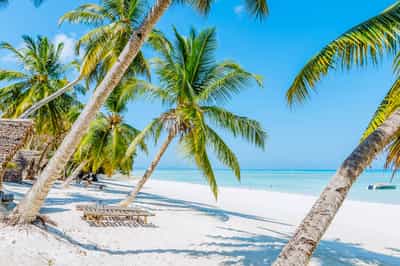
Madagascar’s top beach location is low-key, heavenly and offers tranquil land and water activities.
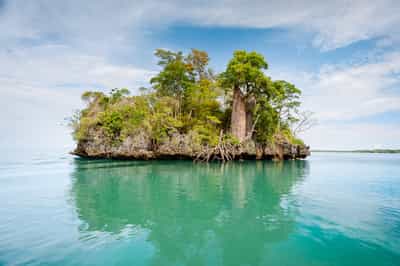
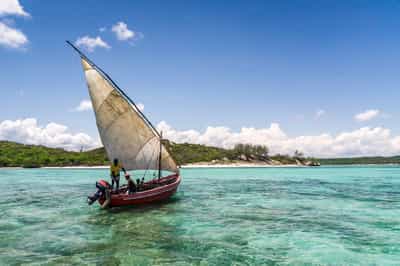
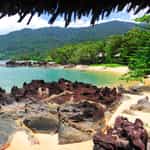
The turquoise island of Nosy Be is home to some of the country’s most luxurious resorts and top beaches. Despite being Madagascar’s “busiest island” it’s still magically quiet! If you are on the search for hidden gems you are certainly in the right place; surrounding Nosy Be are a number of smaller islands, hidden coves and secret reefs just waiting for enthusiastic divers. Or, if you fancy keeping your head above water then strap on your walking boots and explore the tropical jungle that is Lokebe Nature Reserve in search of lemurs, chameleons and a kaleidoscope of birds.

Ankarana

Completely unexplored, this psychedelic region is all about tsingy, subterranean rivers and primates.
If you are looking for primates you are sure to find them in Ankarana, which has the highest primate density in the world. That means lemurs, mongooses, fossa, tenrecs and civets almost everywhere you look. And if that isn’t enough, then you should also know that this is undeniably one of the best hiking destinations in Madagascar; tropical jungles and limestone spires (the tsingy) reach for the skies atop the largest underground cave network in Africa where you can find the world’s only population of cave-living crocodiles. Don’t forget your flashlight!

Nosy Boraha

Unspoiled beaches, whale-watching and daring activities to keep you busy, alongside plenty of R&R.
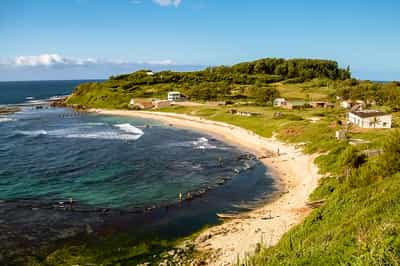
Previously Ile Sainte-Marie, Nosy Boraha was once home to many a happy pirate. But despite its shady past, it is now a paradise for visitors in search of a beach break far from the madding crowds. It’s wet and wild mess for most of the year, but between July and September the waters around the island come alive with humpback whales who breed and calve in the warm Indian ocean waters. So, don your rain coats because you sure don’t want to miss that!

Anjajavy

A lush nature reserve fringed by a stunning coastline, there’s plenty to do in this remote peninsula.
Welcome to Anjajavy, an idyllically remote nature reserve on Madagascar’s north-western coast. Perched on the very end of a spindly peninsula, the reserve is only accessible by air and getting there is anything but simple (is anything in Madagascar?!). Encompassing lush deciduous forests and floating mangroves, wild beaches and azure waters, Anjajavy is home to some of the island’s most fascinating wildlife. Look carefully, and you’ll spot no less than five species of lemur (including the Coquerel's sifaka), leaf-nosed bats and lumbering tortoises, bushpigs and chameleons. And after all that excitement, kick back and relax on a private beach and watch the pirogues drift into the sunset. There’s no reason not to fall in love with Anjajavy.

Antananarivo

The capital city is quirky and colourful, loud and eccentric and filled with Malagasy treasures.
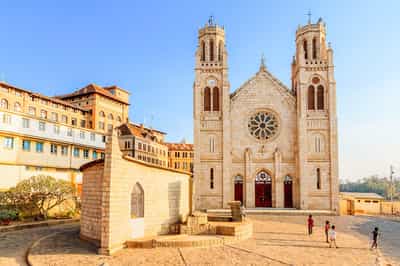
Sprawling over the rippling hills of central Madagascar, capital city Tana (as it’s affectionately known) is a colourful riot of red roofs, grandiose colonial architecture and towering buildings, all surrounded by mosaics of rice paddies and fields. And yes, it’s as spectacular and chaotic as it sounds! Don’t be put off by the heaving traffic - the city really is worth a wander, from the markets bursting with Malagasy treasures to the unique tiered streets. And if you’re looking for a good meal before you head off on your travels, you could do worse than Tana – several of the restaurants rival Europe’s best and are a mere fraction of the price.

Fort Dauphin

Tales of pirates abound in this languid port town that makes a handy stopover destination for the south.
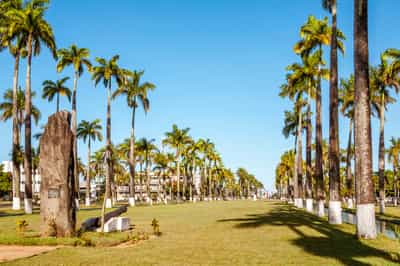
Fort Dauphin, Taolagnaro, Tolanaro – however you know it, this south-easterly port-town-turned-holiday-destination is a welcome sight, especially if you’ve braved the roads to reach it (if you can, take a flight – trust us!). Located right at the most southerly tip of Madagascar’s eastern rainforests, the town itself is mostly based on a tiny, spindly outcrop and surrounded by dazzling beaches on one side and an impressive shoulder of mountains on the other. Accommodation in the centre is pretty good and a stroll along the seafront will have you whiling away the hours watching surfers catching breaks and munching on absurdly good seafood. Not bad for a town that’s only on most radars due to its handy stopover nature!

Ranomafana

A fantastical park created to protect two rare species of lemur and home to very unique flora.
This beautiful park is part of the Rainforests of Atsiranana, a world heritage site and its thick forest canopy is a haven for an impressive twelve species of lemur including the rare golden lemur and the greater bamboo lemur. Take a few hours, or a few days and strap on your hiking boots for spectacular scenic treks through this ancient leafy wonderland.

Antsirabe

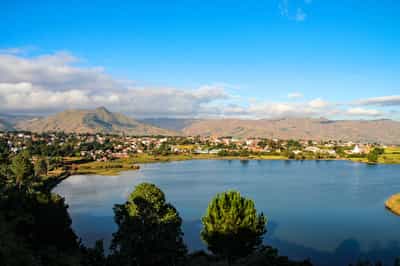
An attractive stop in the cool Central Highlands, Antsirabe is a beguiling mix of faded grandeur, modern industry and thermal baths!
You probably wouldn’t have guessed that there would be a spa resort in the heart of Madagascar’s central highlands, but lo and behold, here’s Antsirabe. Nicknamed the ‘City of Water’, the city is surrounded by thermal springs and thousands visit the town every year to bathe in the Thermal Bath and taste the naturally-sparkling mineral water. If you don’t fancy being healed by the therapeutic water, pay the town a visit anyway. Used by French colonialists as a chic weekend getaway from the nearby capital, the streets are broad and tree-lined and the buildings, large and beautiful. There’s also a plethora of excellent eating options, plenty to do and see and the energy of the place is infectious.
Isalo

Search for dancing sifakas and leaping lemurs amid a melee of watercolour views and crystal pools.
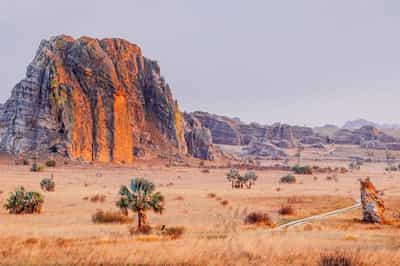
Isalo National Park, in Southern Madagascar is said to be the island’s most beautiful park. It’s easy to see why; a hike up to the Canyon des Singes will certainly get you panting but that’s a small price to pay for the watercolour views, which are nothing short of breath-taking. The forest itself is Madagascar’s stage and ring-tailed lemurs leap through the trees and sifakas dance alongside you all the way to the crystal waters of "la piscine naturelle”.

Diego Suarez

A northern gem for nature lovers, home to private reserves, pretty bays and a super slow pace of life…
If you’re travelling to northern Madagascar, chances are you’ll find yourself spending a couple of nights in the genteel town of Diego Suarez (officially Antisaranana since 1975), and that’s not a bad thing. The surrounding ring of rolling hills and the Rio-esque Sugarloaf mountain give you plenty to flash your camera at, and the deep-water harbour is one of the most beautiful in the world. With its wide colonial streets, lined with fragrant stalls of vanilla pods and home-brewed rum, impressive buildings and melting pot of cultures from Creole to Chinese, the town itself is colourful, compact and a whole lot of fun. Just don’t try to do anything between 12pm and 3pm when the locals retreat for their well-earned siesta…

Tsingy De Bemaraha

Walk across plunging chasms and spiky tsingy and bring a new meaning to ‘out of this world.'
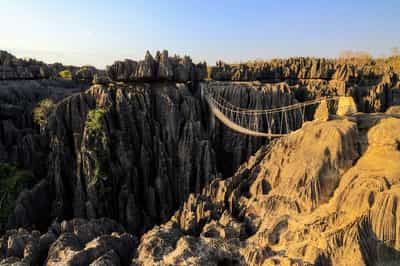
Venture into Madagascar’s newest national park (it was only opened to the public in 1998) and UNESCO World Heritage Site, Tsingy, and you’ll uncover a world beyond your wildest dreams. There’s razor-sharp rocks, plunging canyons and 11 (very hardy) species of lemur but as the name suggests, the park is most famous for its ‘tsingy’ - sharp, limestone pinnacles that reach almost 150 feet into the air, carved out by years of monsoon winds and tectonic activity. Although much of the landscape is impenetrable, enlist a guide to help you navigate the ropes, walkways and chains and gaze down at the incredible spread below. It really is worth the effort.

Toamasina

Drink in salty sea air and absorb modern Malagasy culture in the biggest seaport city on the island.
The chief seaport of Madagascar, Toamasina (also known as Tamatave) is tucked away at the top of a long finger of rainforest on the eastern side of the island. From early beginnings as a pirate hang-out to a modern-day city of commerce, it’s a chaotic, atmospheric place that makes a convenient stopover between Tana and Nosy Boraha. But hidden between the stilted, Creole buildings and rickshaw-filled roads are some nuggets worth exploring – the Manda fort, the ‘baazar be’ market and the waterfront spring to mind. But, if the city bustle gets the better of you, a quick drive will take you to pretty Port Fluvial, a series of lakes and bobbing pirogues, the sandy beaches of Foulepoints, and Mahambo and its laidback surfers.
Mankara & the Pangalanes Canal

Drift along the world’s longest canal, get your thrills on the steepest railway, and discover the secrets of Mankara.
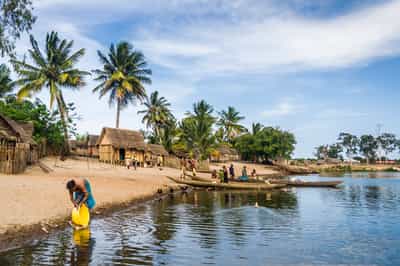
If Madagascar’s wild, rugged and incomparably diverse south-eastern coastline is in your sights, add the Pangalanes Canal to your list. A series of man-made channels that run parallel to the Indian Ocean all the way from Tamatave to Farafangana, the whole thing is a staggering 600 kilometres making it factually the longest canal in the world. But simple tourist attraction it is not: the waterways dominate daily life in this part of Madagascar and as you cruise, it will be alongside fishermen touting their wares, laden pirogues, and the Betsimisaraka villages that line the banks. Explore from Manakara, a pretty colonial town, or one of the surrounding hotels, and combine canal-floating with palm-lined beaches, a spot of cycling, or even a trip on the mystery-shrouded Fianarantsoa-Manakara railway line.
Fianarantsoa

Discover a different side to Madagascar from this Italian-style hilltop town surrounded by vineyards and tea plantations.
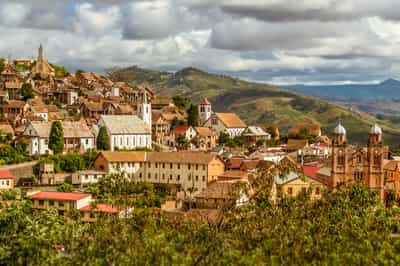
If there’s one thing you might not expect from Madagascar, it’s the highland town of Fianarantsoa. Split into upper and lower town, it’s the old quarter, with its attractive red-roofed buildings, schools, bookstores and traditional churches, that really captures the imagination. Stroll around the vertiginous streets, then head out to the surrounding valleys and vineyards (really!) to see an entirely different side of Mada. And there’s the famous Fianarantsoa railway line. The steepest in the world, it winds its way through forests, along cliff-edges and down dramatic descents. If you don’t have time to embark on the full 163-kilometre adventure (including all 48 tunnels and 67 bridges!), make the 25-kilometre journey to Sahambavy and visit the beautiful tea plantations instead.
Morondava and the Avenue of the Baobabs

Put your camera skills to the test at Madagascar’s most photographed and futuristic site
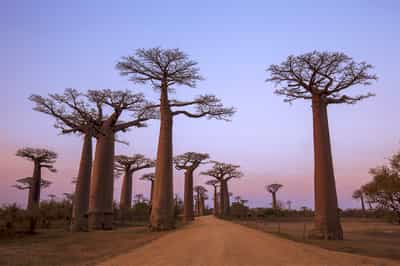
If India is the Taj Mahal, then Madagascar is the Avenue of the Baobabs – and even if you don’t know the name, you’ll more than certainly recognise the photos. The ‘avenue’ is in fact a dusty, red road, linking the capital of the region, Morondova, to a small hamlet on the Tsiribihina River, 100-kilometres away. It’s flanked by a procession of enormous baobabs that reach their spindly fingers high into the sun-soaked sky, some a staggering 30 metres tall. “But they’re just baobabs”, you might say. Well, yes, but what makes them so spectacular is the lack of surrounding foliage. Here, it’s just you, the gnarled trees and some of the best photographs of your trip. Look out for the baobab amoreux, two trees twisted around each other in an eternal hug, and the sacred baobab, believed to the burial site of an ancient King.
Ifaty

Start or end your adventure in Ifaty and enjoy sun splattered beaches, diving, snorkelling and plenty of R&R.
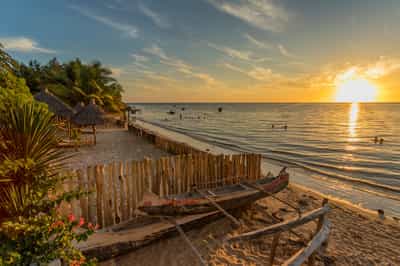
Located in south-western Mada, Ifaty is a laidback, chilled-out corner where relaxation is the name of the game. Well, we say that (and the powder-soft beaches, littered with palms and strewn along the Mozambique Channel certainly back us up), but there’s also a fair amount of adventure to be had too. The offshore coral reef is ripe for snorkelling and diving, as is the equally special Ranobe Lagoon, and in July and August, migrating whales can be spotted in their hundreds. On land, there are three areas of forest to explore, each of which is home to iconic lemurs, plenty of birds and reptiles, and baobabs. And who wouldn’t want to visit somewhere blessed with 300 days of sunshine a year? Yes please!
Nosy Ankao

Wild, exotic and completely off the radar until a few years ago, Nosy Ankao has to be seen to be believed.
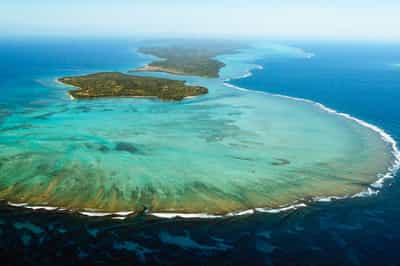
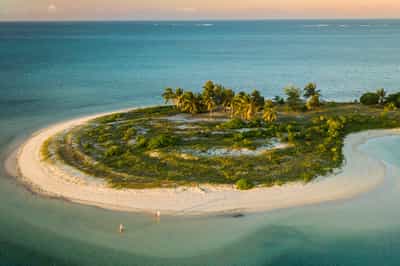
An exotic private island 3.5 kilometres off Madagascar’s north-eastern tip, Nosy Ankao is wild and gloriously pristine. It’s part of the obscure Levens Archipelago and was a seaweed farm in the 1990s and 2000s, created to preserve the area and provide local employment. Today, it’s home to Miavana, one of the continent’s most exclusive yet sustainable lodges that’s more than playing its part in protecting the surroundings. And what exquisite surroundings they are: think aquamarine bays traced by pearly-white beaches and winding waterways, fragrant forests where rehabilitated lemurs roam and butterflies flutter, and healthy coral gardens where multi-coloured fish are regular visitors. We’ll have what they’re having…
Masoala National Park

A magnificent mix of rainforest, mountain and beach in one magical, wildlife-filled, biodiversity hotspot.
Masoala is the largest of Madagascar’s protected areas (quite a feat when you consider them all) yet also its least visited. Established in 1997, the park preserves a unique ecosystem of rainforest, complete with glorious pallisander trees, wild ginger plants, and multi-coloured orchids, mountains, and the mangroves and coastal forests of Nosy Mangabe, an offshore island reserve. If a dinosaur was to appear amongst the ferns, you probably wouldn’t be surprised – and what you will find isn’t far off: tomato frogs and chameleons, leaf-tailed geckos and serpent eagles, and the incredibly rare red-ruffed lemur. The hikes and treks here are immense, as are the whale-watching opportunities from land or sea – or you may simply wish to stroll along the near deserted beaches and see what you stumble upon…
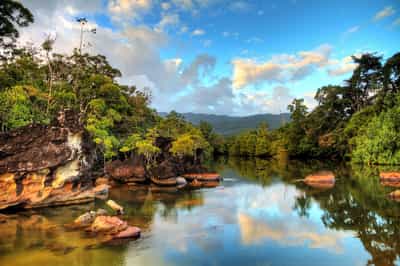
Kirindy Forest Reserve

Spot the fossa, Madagascar’s most fearsome and elusive predator, in this pristine forest reserve.
Located around 50 kilometres from Morondova and those famous baobabs, Kirindy is a dry, deciduous forest reserve home to a variety of curious chameleons and lizards, giant jumping rats and beautiful dancing lemur - but it’s the infamous fossa that really draws the crowds. They might not jump and they may not dance, but the carnivorous mammal, endemic to Madagascar, is quite a creature to behold. Not dissimilar to a small puma but also related to the mongoose family, they are formidable, wily and strong, yet so elusive that scientists know very little about them. Mating season, from October to December, is the best time to spot one, but visit at other times of the year and be equally entertained by lemurs, nocturnal walks and the astonishing variety of flora.
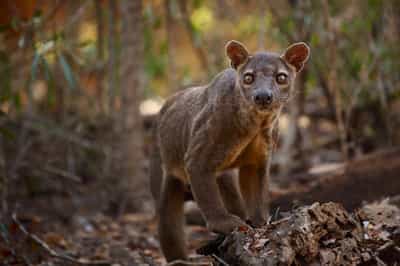
Amber Mountain National Park

Chase waterfalls, hike, and marvel at the smaller things in this rainforest paradise.
Amber Mountain National Park may be pretty by name, but it’s also really quite pretty by nature. Named after the delicate flowers that cover the mountainside and shine amber from afar, the forested park is a cooling oasis where mists hang mysteriously around towering vine trees and ferns, and wild orchids peek through the foliage. The walking trails are plentiful and beautiful, and almost all lead to the famous Antomboka and Sacred waterfalls, or one of the five glorious crater lakes. The park also attracts for its wildlife spotting, but perhaps not as you know it. Amongst the seven species of lemurs and various amphibians, keep your eyes (and magnifying glasses!) peeled for leaf-mimic chameleons, tree boas, leaf-tailed geckos, pill millipedes and the Brookesia micra chameleon, which, at 25mm, is the smallest in the world.
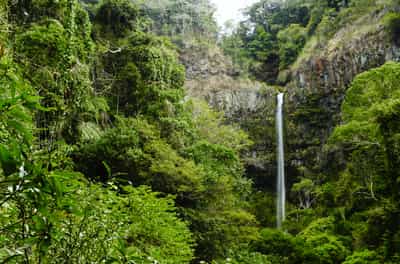
Andringitra National Park

Enjoy the country’s best hiking and trekking in this enclave of dramatic rock walls and mountainous peaks.
The island that most associate with rainforests, lemurs and beaches has a hidden secret: the dramatic mountains of Andringitra National Park and the surrounding Tsaranoro Valley. Located in south-central Mada, the peaks are spectacular and the hiking superlative, with climbers and walkers travelling from afar to scale the rocky outcrops and granite walls in dramatic multi-day treks or more scenic one-day climbs. If that doesn’t sound like your cup of tea, visit purely for the scenery. The arid valley is dotted with mango trees, lush succulents and pockets of forest - and there are plenty of lizards, chameleons and lemurs to be spotted in the surroundings.

Andrafiamena

A place for nature-lovers and scenery-seekers to step well and truly away from the madding crowds.
A relatively new stop on the Madagascar circuit, the Andrafiamena protected area lies about 100 kilometres south of Diego Suarez and is a melee of deciduous, dry forest, caves and limestone formations. The definition of off-the-beaten-track, this is the place for nature lovers looking for a spot where truly, not many have been before. There are several hikes of varying lengths and difficulties to get stuck into, including the prettily named Natural Pool Circuit and Black Sifaka Circuit, all of which wind through rolling scenery and offer the chance to see the all-black Perrier’s sifaka, one of the world’s 25 most endangered primates.
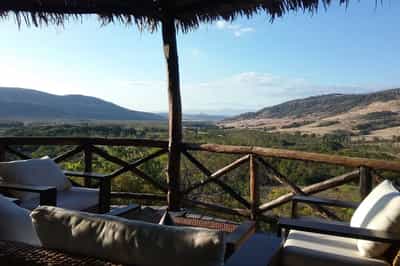
Mandrare Valley

Trek for lemur and spot incredible flora in Mandrare, a biodiversity hotspot and wonderfully, magically surreal.
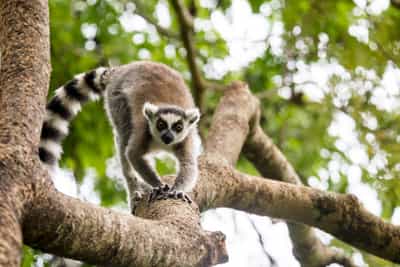
If you were to travel in a straight line from Madagascar’s south coast, you wouldn’t hit any land until Antarctica. That’s pretty cool – but what’s even cooler are the bizarre landscapes of the Mandrare Valley. We’re talking spiny forests, enclaves of exotic flora, baobab-scattered basins and of course, more than a smattering of the island’s most iconic wildlife. The region is probably most famous for the Berenty Reserve, one of Mada’s first ever eco-tourism destinations and now the protector of a swathe of tamarind gallery forest and one of the best places to see habituated ringtail and Verreaux sifaka lemurs at close range. The area is also the stomping ground of the pastoralist Antandroy people who have a complex network of taboos and tradition that are fascinating to watch at play.
Manafiafy

Enjoy some R&R Madagascar-style (with a dose of adventure too!) in this stunning rainforest and beach location.
Manafiafy, a gorgeous, sleepy-headed fishing village on the south coast of Madagascar, was one of the first spots on the island visited by a westerner. It was the safe anchorage provided by the tranquil turquoise waters and tiny, blissful islands that turned Manafiafy into a quintessential beachside haven. It’s probably changed very little since then: the same heady smell of cloves, vanilla and coffee still welcome you in and the sight of fishermen paddling their traditional dugout canoes is common. The true attractions today are, however, the lush rainforests and glittering sands on either side of the town. Spot geckos and lemurs in the trees, then plunge into the waters to explore the marine life that darts around the coral. And, if you get your timing right, watch the whales dancing in the waves, straight from the pristine beach.
Where To Go
Pin Icon

Namibrand, Namibia