

,url-https%3A%2F%2Fassets.waybird.com%2Fcdn-cgi%2Fimage%2Fwidth%3D12%2Cformat%3Dauto%2Fhttps%3A%2F%2Fassets.waybird.com%2Fimages%2Fmap%2Fpin-primary-outlined.png(57.793679,-20.282993),url-https%3A%2F%2Fassets.waybird.com%2Fcdn-cgi%2Fimage%2Fwidth%3D12%2Cformat%3Dauto%2Fhttps%3A%2F%2Fassets.waybird.com%2Fimages%2Fmap%2Fpin-primary-outlined.png(57.793679,-20.282993),url-https%3A%2F%2Fassets.waybird.com%2Fcdn-cgi%2Fimage%2Fwidth%3D12%2Cformat%3Dauto%2Fhttps%3A%2F%2Fassets.waybird.com%2Fimages%2Fmap%2Fpin-primary-outlined.png(57.793679,-20.282993),url-https%3A%2F%2Fassets.waybird.com%2Fcdn-cgi%2Fimage%2Fwidth%3D12%2Cformat%3Dauto%2Fhttps%3A%2F%2Fassets.waybird.com%2Fimages%2Fmap%2Fpin-primary-outlined.png(57.793679,-20.282993),url-https%3A%2F%2Fassets.waybird.com%2Fcdn-cgi%2Fimage%2Fwidth%3D12%2Cformat%3Dauto%2Fhttps%3A%2F%2Fassets.waybird.com%2Fimages%2Fmap%2Fpin-primary-outlined.png(57.3328536,-20.4325391),url-https%3A%2F%2Fassets.waybird.com%2Fcdn-cgi%2Fimage%2Fwidth%3D12%2Cformat%3Dauto%2Fhttps%3A%2F%2Fassets.waybird.com%2Fimages%2Fmap%2Fpin-primary-outlined.png(57.793679,-20.282993),url-https%3A%2F%2Fassets.waybird.com%2Fcdn-cgi%2Fimage%2Fwidth%3D12%2Cformat%3Dauto%2Fhttps%3A%2F%2Fassets.waybird.com%2Fimages%2Fmap%2Fpin-primary-outlined.png(57.793679,-20.282993),url-https%3A%2F%2Fassets.waybird.com%2Fcdn-cgi%2Fimage%2Fwidth%3D12%2Cformat%3Dauto%2Fhttps%3A%2F%2Fassets.waybird.com%2Fimages%2Fmap%2Fpin-primary-outlined.png(57.793679,-20.282993),url-https%3A%2F%2Fassets.waybird.com%2Fcdn-cgi%2Fimage%2Fwidth%3D12%2Cformat%3Dauto%2Fhttps%3A%2F%2Fassets.waybird.com%2Fimages%2Fmap%2Fpin-primary-outlined.png(57.793679,-20.282993),url-https%3A%2F%2Fassets.waybird.com%2Fcdn-cgi%2Fimage%2Fwidth%3D12%2Cformat%3Dauto%2Fhttps%3A%2F%2Fassets.waybird.com%2Fimages%2Fmap%2Fpin-primary-outlined.png(57.793679,-20.282993),url-https%3A%2F%2Fassets.waybird.com%2Fcdn-cgi%2Fimage%2Fwidth%3D12%2Cformat%3Dauto%2Fhttps%3A%2F%2Fassets.waybird.com%2Fimages%2Fmap%2Fpin-primary-outlined.png(57.793679,-20.282993),url-https%3A%2F%2Fassets.waybird.com%2Fcdn-cgi%2Fimage%2Fwidth%3D12%2Cformat%3Dauto%2Fhttps%3A%2F%2Fassets.waybird.com%2Fimages%2Fmap%2Fpin-primary-outlined.png(57.793679,-20.282993),url-https%3A%2F%2Fassets.waybird.com%2Fcdn-cgi%2Fimage%2Fwidth%3D12%2Cformat%3Dauto%2Fhttps%3A%2F%2Fassets.waybird.com%2Fimages%2Fmap%2Fpin-primary-outlined.png(57.793679,-20.282993)/auto/600x400?access_token=pk.eyJ1IjoidGltYnVrdHV0cmF2ZWwiLCJhIjoiY2poMGw1eHpkMmRkbDJ6bW8xYWZ5OGpjYyJ9.PYvAO7lUJ40SOpGvwmQLqw&attribution=false&logo=false)


Planning Guides
Top things to do on a Reunion Island holiday
Explore an emerald wonderland
Mauritius
Africa’s original island paradise, any trip to Mauritius is always fun-filled and sun-soaked with as much adventure – or not- as you like.

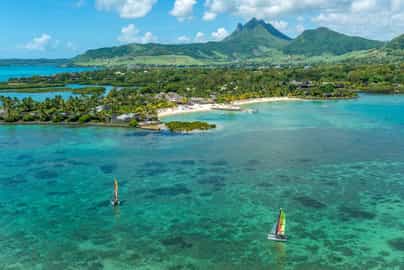
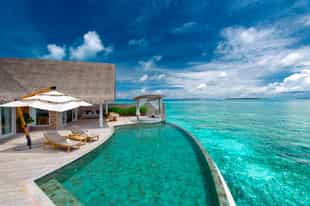
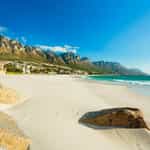
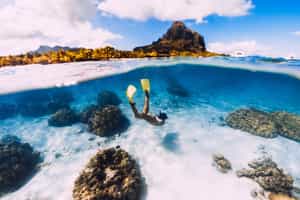
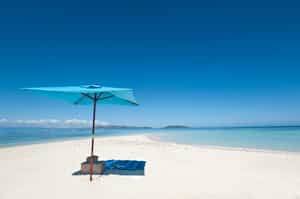
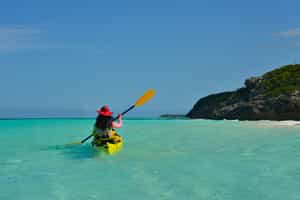
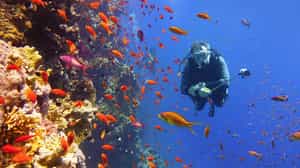
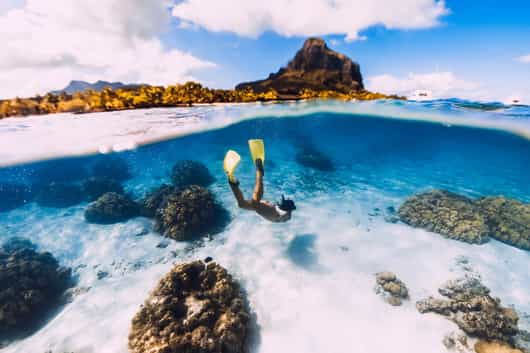
Dreaming of powder-white sand, swirling sapphire waters and a cocktail glass of something exotic? Then look no further than Mauritius, the Indian Ocean’s palm-fringed superpower and original beach paradise. As well as sun-lounging and cocktail-sipping, there are plenty of adventures to be had and lush tropical rainforests, spectacular steep-rising mountains and epic waterfalls crying out to be explored. If the ocean is more your thing, diving and snorkelling in pristine underwater gardens alongside a kaleidoscope of tropical fish is next-level fabulous, not forgetting the waterskiing, parasailing, kayaking, windsurfing… Whatever happens, we guarantee that you will never be bored on a Mauritius holiday.

If you’re looking for a beach holiday that’s super easy to organise, in a destination that’s picture-perfectly beautiful, with equal parts adventure and relaxation (and some very pampering hotels), Mauritius is the place for you.

Step away from the sun lounger (we know it’s hard!) and climb Mount Le Morne on the rugged south of the island. The climb isn’t for the faint-hearted, but the views from the top are once-in-a-lifetime special.

Mauritius is the original (and, some say, still the best) Indian Ocean destination, and so it’s hugely popular. If you can, avoid travelling in the true peak season (November/December) – after all, no one likes to share their square of sand with 100 other sun lovers.
Start with a recommended trip or create one from scratch
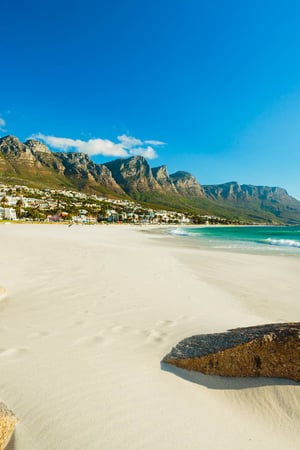
13 nights from $5.7K per person
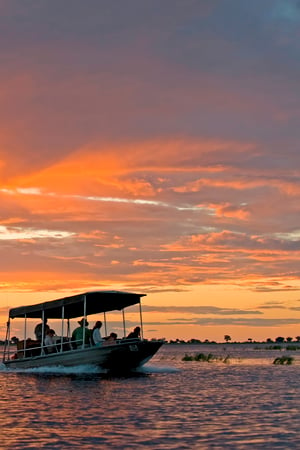
11 nights from $5.4K per person
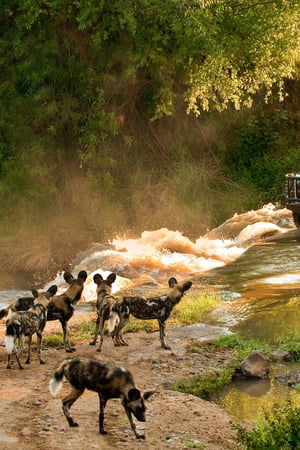
12 nights from $4.1K per person
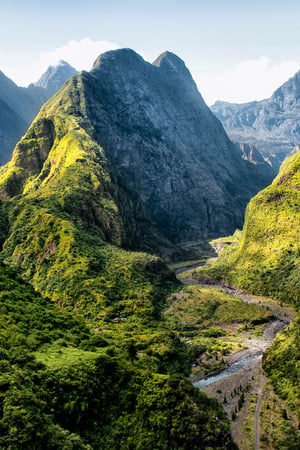
11 nights from $4.1K per person
Get advice and suggestions to make this your perfect trip.
or call us on: +1 (646) 542 0667
A forget-the-world island vacation you say? Look no further. Whether you venture inland or explore its pristine waters, you’ll never run out of things to do in Mauritius.
Handily, the tropical island of Mauritius has a similar weather pattern to the majority of the main safari countries, making it a dreamy beach add-on to a few days in the bush. It might be winter, but May to October is the ideal time to visit Mauritius, with low humidity, sunny days and not-too-high temperatures. Perfect for topping up your tan, then! By October, it’s getting quite hot on the beach and in November and December, the temperatures really heat up. These months are also the start of the rains and although it certainly doesn’t rain every day, you can expect short, sharp showers at sporadic times. In January and February, it gets quite stormy on the island, but by March and April, the storms have died down to occasional rain and it’s a lovely time of year to visit (but can be on the steamy side!).

Wet Season — a quieter time to visit
Mauritius is deep in its tropical summer. It’s hot and humid and often punctuated by dramatic afternoon downpours that arrive, do their worst, and clear before you’ve finished your sundowner. The sunny spells in between are perfect for a morning kayak.
Warm seas and excellent visibility reward every minute underwater. Blue Bay Marine Park and the northern reefs in particular are in prime condition.
Wet Season — a quieter time to visit
February is Mauritius at its wettest and days are characterised by intense tropical downpours. Mauritius is a beautiful country regardless of the weather, but due to the high chance of cyclones, we’d probably say it’s not the ideal time to visit.
If you can brave the tumultuous weather, the Maha Shivaratri pilgrimage is one of the largest Hindu gatherings outside India. It’s truly humbling to see hundreds of thousands of barefoot devotees walk through the night to the sacred lake of Grand Bassin.
Wet Season — a quieter time to visit
March marks the slow easing of summer and the wet, tropical weather. It’s still warm - and definitely still capable of a downpour! - but the risk of cyclones begins to fade and the island takes a deep breath.
Conditions are perfect for a round of golf on the championship courses near Belle Mare on the east coast.
Holi arrives in a cloud of colour. Powder flies, music plays and the normally reserved Mauritian streets are transformed into a riot of joy and celebration. Our advice? Wear something you don’t mind losing to the colourful dye and embrace the festivities.
Wet Season — a good time to visit
April signals the end of the wet season. The rains retreat and conditions begin to settle and it’s an ideal time for hiking along the crater rim of Trou aux Cerfs in the island’s centre.
In the ocean, snorkellers and divers who waited out the summer will be rewarded with much clearer conditions as the plankton levels drop.
Tamil and Telugu New Year bring temple ceremonies and traditional feasts to the island. If you are visiting now, it’s a fascinating window into Mauritius’s culture that goes unnoticed to most of the island’s visitors.
Dry Season — one of the best times to visit
May offers some of the island’s best weather, and it does so below the radar: dry winter conditions, low humidity and fewer tourists to share the island with. Perfect for a coastal cycle along the southern shoreline between Mahébourg and Blue Bay.
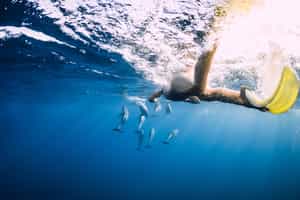
Spinner and bottlenose dolphins also appear regularly off Tamarin Bay and a peaceful morning boat trip is the best way to see them in all their glory.
Dry Season — one of the best times to visit
Beautiful, dry weather, cool air, and steady sunshine make June an excellent month to visit Mauritius. Just remember to bring a couple of warmer layers as the evenings can get quite chilly.
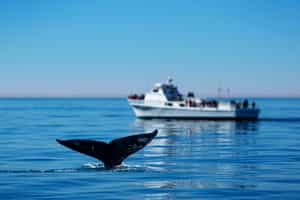
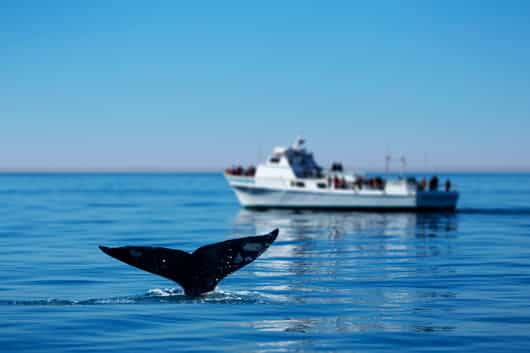
The first humpback whales also begin passing on their northward migration in an opening act for what becomes one of the island’s most extraordinary spectacles.
Dry Season — one of the best times to visit
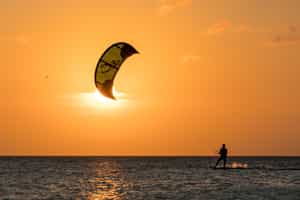
July is the coolest month of the year but still warm and dry (remember to bring a light layer for the evenings). If you’re a kite surfer, take advantage of the southeast trade winds that sweep across the island and create world-class surfing conditions.
Dry Season — one of the best times to visit
The dry winter weather continues across Mauritius. The trade winds are still blowing, but sunshine is reliable and conditions are excellent (and a little cooler) for hiking inland trails in the Black River Gorges National Park.
The festival of Ganesh Chaturthi to celebrate the birth of Lord Ganesha, fills the island with colour and ceremony, culminating in the ritual immersion of clay statues into the sea. It’s a completely genuine way to experience the culture of the island.
Dry Season — one of the best times to visit
Spring begins to stir across Mauritius and a little rainfall starts to appear, but the days are largely long and sunny. If anything, the sprinkling of rain gives Mauritius a refreshed energy and the beaches and forests are lush and beautiful.
On the east coast, the beaches around Belle Mare are at their brilliant, crowd-free best.
The Père Laval pilgrimage draws thousands of people of all faiths to the chapel of one of the island’s most beloved figures, Jacque-Désiré Laval, the Apostle of Mauritius, in Port Louis. It’s a side of the island’s culture that’s easy to miss.
Dry Season — one of the best times to visit
October is widely considered one of the best months to visit Mauritius. Dry weather, warm temperatures and calm seas make the island particularly easy to enjoy and snorkelling the coral gardens of Blue Bay Marine Park is especially rewarding.
Reef life intensifies as the ocean warms and diving conditions are optimal. It’s a great month to spend as much time underwater as above it!
It’s also the time of Diwali, the festival of light, celebrated by Hindu Mauritians. The festival transforms the island after dark with candles, fireworks and colourful flowers, and it’s a time that’s both deeply sacred and thoroughly festive.
Dry Season — a good time to visit
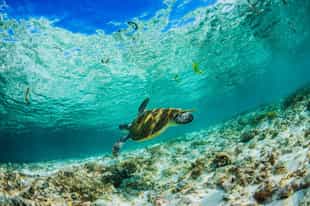
Summer begins to return to the island. Temperatures rise, humidity creeps back in and the occasional shower signals the approaching wet season. Turtles appear more frequently around the reefs and are completely unbothered by snorkellers hovering nearby.
Wet Season — a good time to visit
Mauritius slips back into tropical summer and with it, a holiday mood with plenty of visitors coming to the island for the festive season: catholic midnight mass, beach barbecues, Creole music and New Year fireworks.
The weather at this time of year is good, but towards the end of the month, expect some rain to creep back in.

The primary airport of Mauritius is the Sir Seewoosagur Ramgoolam International Airport (MRU), a hub for most airlines arriving from the US, Europe and Africa. International flights We would recommend booking your flights online in order to get the best rates. If you need any help or advice please let us know. Domestic flights and transfers Connecting between all the locations on your trip may necessitate a variety of modes: light aircraft charters, domestic commercial flights and road transfers. Please review the inclusions and exclusions on your specific trip page for details. If you need help understanding the best flights to book, please let us know. From the moment that you land in Mauritius you will be greeted and assisted to your onward connections. You will be looked after from that point on until you are transferred back to the airport in time for your departure flight.
Please consult your personal physician and/or a travel clinic preferably 6 weeks prior to your departure. Vaccine requirements vary based on your country of origin and your travel itinerary and your previous vaccination history. It is best to consult with your physician or the CDC website for guidelines. Important vaccinations to consider and which may either be required or recommended are: Yellow Fever, Typhoid, Hepatitis A & B and Cholera, among others. Please always carry your "International Certificate of Vaccination or Prophylaxis (ICVP)" (or "Yellow Card") with you. Yellow Fever There is no risk of Yellow Fever in Mauritius; however, vaccination is required for travellers who are arriving from, or have transited through, countries with risk of Yellow Fever transmission (e.g. Kenya, Uganda, Rwanda or elsewhere worldwide). This requirement can change unexpectedly, therefore, we recommend carrying a Yellow Fever card with you at all times. Communication Mauritius country code: +230 Calling overseas from Mauritius: From a landline dial 00 followed by the country code plus area code and number. e.g. USA: 00 1 910 795 1048 When calling from a cell phone dial + prefix followed by the country code plus area code and number. e.g. USA: + 1 910 795 1048
Money The currency in Mauritius is the Mauritian Rupee (MUR). You can convert money to Rupees at a bank or Forex Bureau, or withdraw from an ATM, all found in the larger airports and town. Please check with your bank for charges and advice when using international ATMs. It is advisable to have some cash for smaller shops and for tipping. IMPORTANT: When bringing foreign currency (e.g. USD, GBP, EUR) into the country, be sure to bring new format with no damage or marks. Gratuities A 10% service charge is added to the bill at most resorts, hotels and restaurants so tipping isn’t usually expected or required, but always appreciated. If you do choose to tip, US dollars or the local currency is best. As a suggestion, tour guides are often given approximately $10 per guest per day and a suggested amount for housekeeping staff is $2 per guest per day.
Insurance It is a condition of booking that you carry the correct comprehensive travel and medical insurance to cover yourself, as well as any dependents/travelling companions for the duration of your trip. This insurance should include cover in respect of, but not limited to, the following eventualities: Compulsory Insurance: a. Emergency evacuation expenses b. Medical expenses c. Repatriation expenses Recommended Insurance: a. Cancellation or curtailment of trip b. Damage/theft/loss of personal luggage, money and goods
As a general precaution, we recommend you make several copies of your travel-related documents (passport, traveller’s cheques, credit cards, itinerary, airline tickets, insurance cover, visas, etc). Leave one set at home, and bring another set with you, and place it in a location separate from your originals. Most nationalities will not require a visa to enter Mauritius. However, please do contact the embassy or consultant in your home country to confirm visa requirements, as they can change often. Visa Central is also a good resource.
Climate The island has a classic tropical climate with warm weather year-round. Summer is from November to May, during this period the temperature varies between 22°C and 35°C. Winter is from May to November with a temperature variance between 17°C and 26°C. The sea temperature varies between 22°C and 26°C. During summer, from November to April, the days are very hot and humid and although the temperatures drop in winter, the days are still balmy and warm. Dress Code Conservative/casual clothing is acceptable in the bigger towns and cities in Mauritius and dependent on the climate. There is a universal dress code for hotels in Mauritius where gentlemen are advised to wear long trousers and closed shoes for dinner. Comfortable beach wear is fine on the coast, just be sure to take sun cream because the sun gets very strong in the summer months. Generally speaking, light layers of clothing are the best items to bring with you, as well as a warmer jacket or fleece for the cooler evenings. A hat is also a must have! What to Pack • Layers - long and short sleeve shirts and trousers • A warm fleece or jumper • A lightweight waterproof jacket • Comfortable but sturdy shoes • Flip-flops • Swimming costume • A hat or baseball cap • Sunglasses • Sunscreen – a must! • Toiletries – most camps will provide shampoo, shower gel and soap • A small torch • Spare batteries, plug adaptors and charging equipment • A good pair of Binoculars • Books or a fully loaded Kindle / iPad for siesta time Most camps and lodges will have a small medical and first aid kit, but we recommend bringing your own supply of essentials - cough medicine, plasters, vitamins, aspirin and paracetamol, and anything else you use on a regular basis. Luggage Please check with your airlines for the specific luggage restrictions relevant to your flight schedule. Many international airlines have a baggage allowance of 20kgs or more per person and commercial airlines generally permit two (2) pieces of checked luggage per person. The carry-on bag must be of such dimensions and weight as set by the airlines. Electricity In Mauritius, the power sockets are of type C and G. The standard voltage is 230 volts and the standard frequency is 50 Hz. You can use your electric appliances in Mauritius, if the standard voltage in your country is in between 220 - 240 V (as is in the UK, Europe, Australia and most of Asia and Africa). If the standard voltage in your country is in the range of 100 V - 127 V (as is in the US, Canada and most South American countries), you will need to bring an adapter/convertor combination.
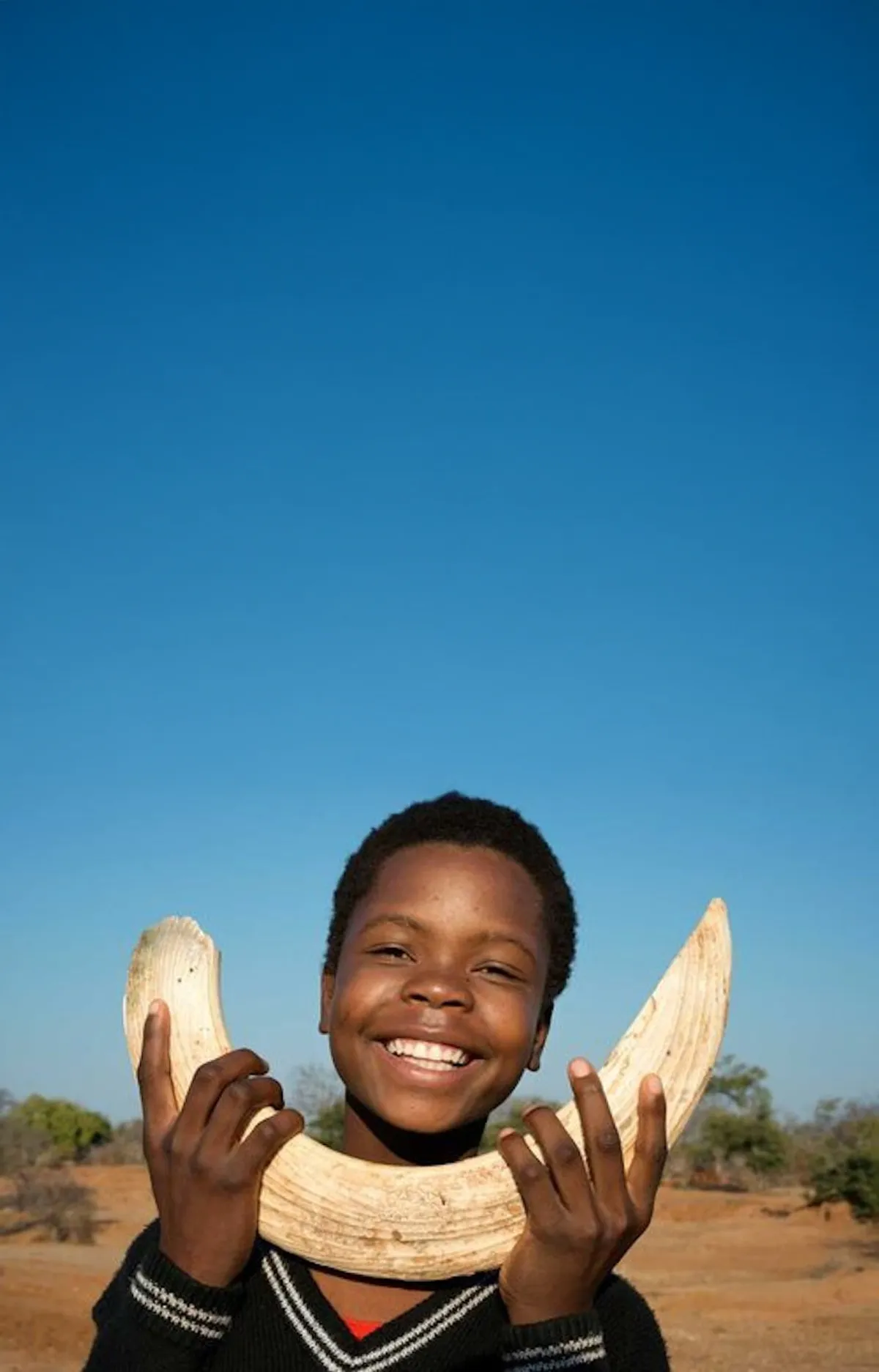
We’re big believers in leaving a positive impact in the countries in which we operate. We’re proud to donate $50 for every booking to projects focusing on female empowerment, tech education, conservation, and so much more.
Our dream is to empower our guests to travel with a purpose.
So far, we’ve donated $107,000 to projects across the globe.


Why travel with Timbuktu?

We've been crafting one-of-a-kind journeys since 2014 — over 2,500 trips across 40+ countries, each one built from scratch around your interests and dreams.

Our team only recommends places they've slept in, eaten in, and happily keep going back to. Condé Nast Traveler named 11 of them Top Travel Specialists in 2026, and Travel+Leisure made three A-List Advisors.

Travel+Leisure's readers voted us the World's No.1 Tour Operator in 2024 and No.2 in 2025 — the travel industry's biggest readers' award, judged by people who actually travel.

$50 from every booking goes to female empowerment, tech education, and conservation projects across the countries we love. We have donated $78,000 so far – and it's going up!

Your travel specialist is with you the whole way, dreaming up the trip, building the itinerary, checking you in, and answering the 2am question from the other side of the world..

We are rated 4.9 out of 5 from 992 verified Feefo reviews. And these are the words of people who actually went, not us talking about ourselves.
11 Condé Nast Traveler Top Travel Specialists 2026

No. 1 & No. 2 Tour Operator in Travel + Leisure's Best Awards 2024 & 2025

Best Booking Platform in Women's Health Travel Awards 2025

Travel Specialist voted as Latin America A-List Travel Advisor 2025

"Timbuktu can take relatively complex and slightly amorphous travel plans and transform them into a well-organized, perfectly tailored trip."