.jpg)

Planning Guides
Morocco Country Guide
Sand seas, stunning coasts & head-turning medinas
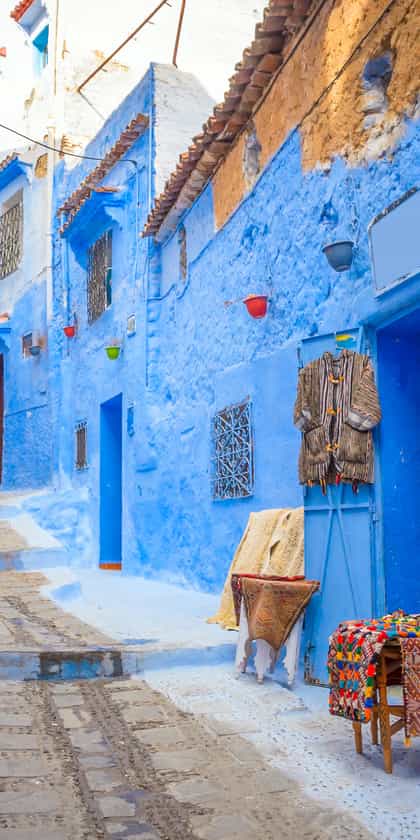
Morocco
From Marrakesh to Casablanca, Morocco is a whirlwind of enchanting experiences that promise to refill your cup and refuel your wanderlust.

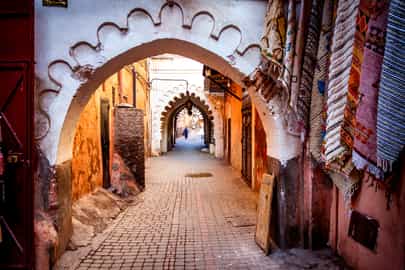
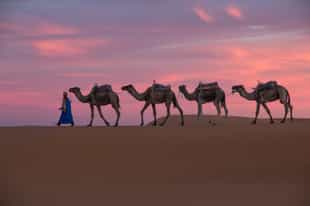
Versatile, vibrant, and incredibly intriguing below the dazzling surface of medinas and mountains, Morocco sets the stage perfectly for a North African trip crammed to the brim with memorable experiences. Some are quintessential and utterly fabulous in their iconic status: shopping up a storm in the souks of Marrakesh, getting lost in the giant puzzles of alleys in Fez, and the chance to enjoy a sunset cocktail at Rick’s Café a la Humphrey Bogart in Casablanca. But that’s not all it has to offer... How about the experiences that you don’t find in the travel brochures, the ones that take you a little out of your comfort zone and conjure memories that will stay with you long after you’ve lugged your Berber carpet home? We’re talking star-gazing in the Sahara from the pared-back glamour of a Bedouin camp, hitting pause on daily life in the Agafay on a trek through ancient villages, and a slice-by-slice tour of Moroccan gastronomy and delectable street food. Welcome to Morocco, Timbuktu-style.

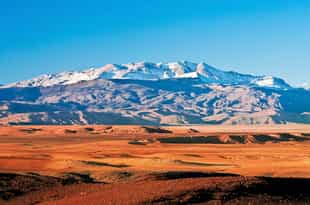
Veering from sand-swept deserts and ice-tipped mountains, to cosmopolitan cities and more shopping opportunities than you can shake a suitcase at, and back to ancient medinas and earth-clad kasbahs – what did we say about something for everyone?
With ties to sub-Saharan Africa, Europe and the Middle East, Morocco has a storied culture that weaves the best of its traditions with modern adaptations. Wherever you are, be it the city, the beach or the desert, take time to get to know the people and you won’t be disappointed.

Many people don’t realise that Morocco has four seasons. Spring and autumn offer the best of all worlds with balmy days and clear skies, whilst summer can be ferociously hot and winter, the exact opposite!
Start with a recommended trip or create one from scratch

9 nights from $5.6K per person

8 nights from $5.1K per person

13 nights from $9K per person

15 nights from $9.8K per person
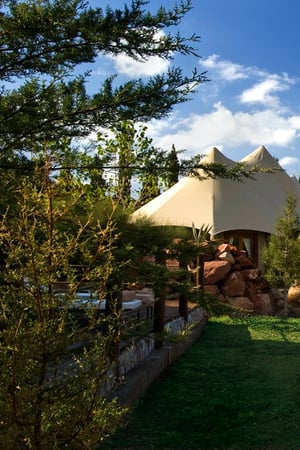
9 nights from $10.2K per person

5 nights from $3.4K per person
Get advice and suggestions to make this your perfect trip.
or call us on: +1 (646) 542 0667
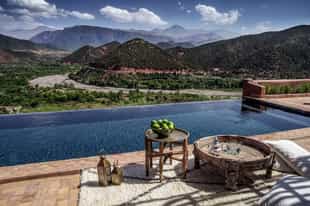
From the mountains to the desert, the medinas of Marrakesh to the seaside cities of Tangier and Casablanca, Morocco’s unique brand of magic colours every moment of your trip.
,url-https%3A%2F%2Fassets.waybird.com%2Fcdn-cgi%2Fimage%2Fwidth%3D12%2Cformat%3Dauto%2Fhttps%3A%2F%2Fassets.waybird.com%2Fimages%2Fmap%2Fpin-primary-outlined.png(-5.615848,31.036636),url-https%3A%2F%2Fassets.waybird.com%2Fcdn-cgi%2Fimage%2Fwidth%3D12%2Cformat%3Dauto%2Fhttps%3A%2F%2Fassets.waybird.com%2Fimages%2Fmap%2Fpin-primary-outlined.png(-5.009804,34.038609),url-https%3A%2F%2Fassets.waybird.com%2Fcdn-cgi%2Fimage%2Fwidth%3D12%2Cformat%3Dauto%2Fhttps%3A%2F%2Fassets.waybird.com%2Fimages%2Fmap%2Fpin-primary-outlined.png(-7.963515,31.140399),url-https%3A%2F%2Fassets.waybird.com%2Fcdn-cgi%2Fimage%2Fwidth%3D12%2Cformat%3Dauto%2Fhttps%3A%2F%2Fassets.waybird.com%2Fimages%2Fmap%2Fpin-primary-outlined.png(-9.769877,31.513012),url-https%3A%2F%2Fassets.waybird.com%2Fcdn-cgi%2Fimage%2Fwidth%3D12%2Cformat%3Dauto%2Fhttps%3A%2F%2Fassets.waybird.com%2Fimages%2Fmap%2Fpin-primary-outlined.png(-7.611359,33.593714),url-https%3A%2F%2Fassets.waybird.com%2Fcdn-cgi%2Fimage%2Fwidth%3D12%2Cformat%3Dauto%2Fhttps%3A%2F%2Fassets.waybird.com%2Fimages%2Fmap%2Fpin-primary-outlined.png(-8.19125,31.486065),url-https%3A%2F%2Fassets.waybird.com%2Fcdn-cgi%2Fimage%2Fwidth%3D12%2Cformat%3Dauto%2Fhttps%3A%2F%2Fassets.waybird.com%2Fimages%2Fmap%2Fpin-primary-outlined.png(-5.266757,35.167512),url-https%3A%2F%2Fassets.waybird.com%2Fcdn-cgi%2Fimage%2Fwidth%3D12%2Cformat%3Dauto%2Fhttps%3A%2F%2Fassets.waybird.com%2Fimages%2Fmap%2Fpin-primary-outlined.png(-4.002458,31.120782),url-https%3A%2F%2Fassets.waybird.com%2Fcdn-cgi%2Fimage%2Fwidth%3D12%2Cformat%3Dauto%2Fhttps%3A%2F%2Fassets.waybird.com%2Fimages%2Fmap%2Fpin-primary-outlined.png(-6.514627,31.100846),url-https%3A%2F%2Fassets.waybird.com%2Fcdn-cgi%2Fimage%2Fwidth%3D12%2Cformat%3Dauto%2Fhttps%3A%2F%2Fassets.waybird.com%2Fimages%2Fmap%2Fpin-primary-outlined.png(-5.842085,30.345937),url-https%3A%2F%2Fassets.waybird.com%2Fcdn-cgi%2Fimage%2Fwidth%3D12%2Cformat%3Dauto%2Fhttps%3A%2F%2Fassets.waybird.com%2Fimages%2Fmap%2Fpin-primary-outlined.png(-5.822527,35.778336),url-https%3A%2F%2Fassets.waybird.com%2Fcdn-cgi%2Fimage%2Fwidth%3D12%2Cformat%3Dauto%2Fhttps%3A%2F%2Fassets.waybird.com%2Fimages%2Fmap%2Fpin-primary-outlined.png(-6.851124517004768,33.979277799294834),url-https%3A%2F%2Fassets.waybird.com%2Fcdn-cgi%2Fimage%2Fwidth%3D12%2Cformat%3Dauto%2Fhttps%3A%2F%2Fassets.waybird.com%2Fimages%2Fmap%2Fpin-primary-outlined.png(-9.032222217335908,32.737953234851595)/auto/600x400?access_token=pk.eyJ1IjoidGltYnVrdHV0cmF2ZWwiLCJhIjoiY2poMGw1eHpkMmRkbDJ6bW8xYWZ5OGpjYyJ9.PYvAO7lUJ40SOpGvwmQLqw&attribution=false&logo=false)
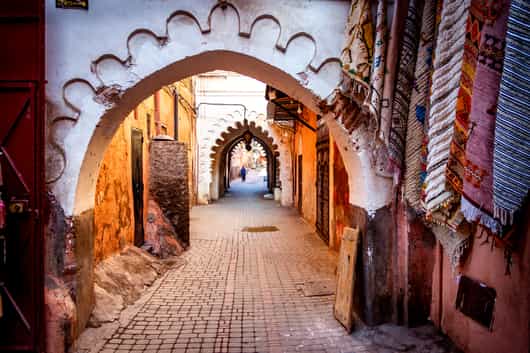
Morocco
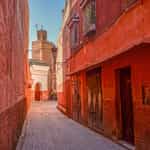
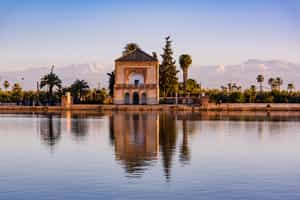
Swirling culture and show-stopping sights in the frenetic pulse of the Red City.
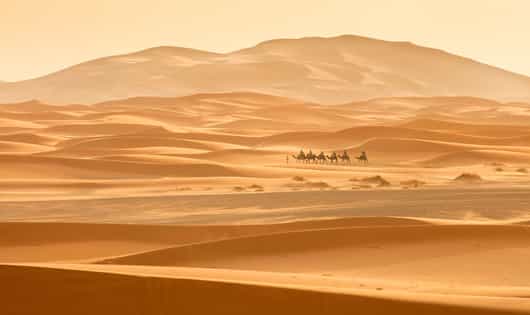
Morocco
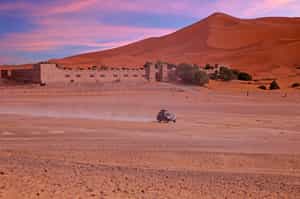
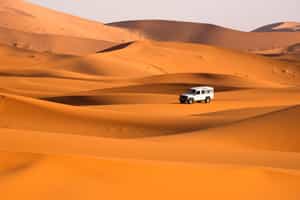
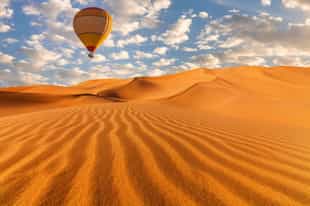
Desert thrills and sandy spills in the most famous and incredible hot desert on the planet.
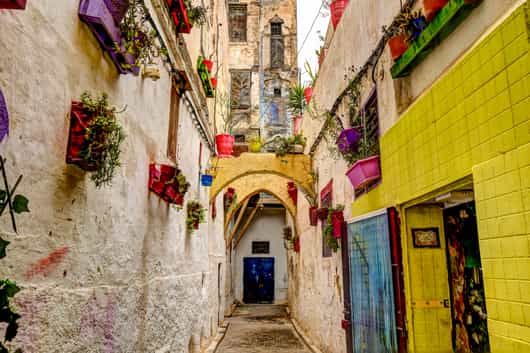
Morocco
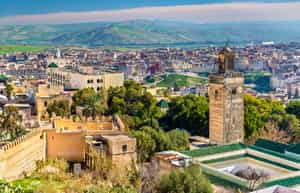
Take a step back in time, and let the culture and spirituality of Fez beguile you.
The best time to visit Morocco is in between the baking heat of summer and the bitter cold of winter. Between mid-March and May, spring arrives, bringing open mountain trails, landscapes in bloom and temperate weather; while autumn (September / October) makes for pleasant but relatively uncrowded beaches and breezier days in the desert. However, the coast remains lovely all year round (if you can brave the heat of summer). If you're planning a trip to the Atlas Mountains, avoid winter (November to January) as the snow affects roads and hiking routes.

Cool Season — a quieter time to visit
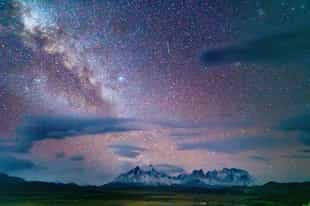
Morocco's clearest skies and crispest air make January ideal for Sahara adventures—comfortable daytime exploring with night temperatures cold enough to reveal the Milky Way in stunning detail.
Yennayer, the Amazigh New Year, fills streets with couscous feasts and centuries-old traditions. A genuine window into one of Morocco's cultural heartbeats.
Cities like Marrakech and Fes offer golden days without the crowds or heat of peak season—perfect for unhurried medina wandering.
Pack warm layers for chilly desert nights.
Cool Season — a quieter time to visit
Catch the tail end of winter's comfortable temperatures before spring crowds arrive—ideal for Atlas hiking and relaxed city exploration in Marrakech and Fes.
Spring whispers through the valleys while cities stay pleasantly cool. The best of both seasons without committing to either.
Local festivals on desert edges offer authentic music and celebration without the tourist masses of high season.
Spring / Shoulder Season — a good time to visit
March is Morocco's sweet spot: warm enough for long days exploring, cool enough for cosy fireside evenings, and wildflowers just beginning to unfurl across the lowlands.
The Ourika Valley bursts into bloom—close enough to Marrakech for an easy day trip through orchards and gardens spilling with colour.
Ramadan evenings glow with lanterns and family feasts. Travellers can explore respectfully, witnessing a sacred rhythm that transforms city life after dark.
Spring / Peak Season — one of the best times to visit
Reliable sunshine, vibrant festivals, and Atlas foothills carpeted in wildflowers make April one of Morocco's most rewarding months—consistently good weather from coast to Sahara.
Marrakech and Fes buzz with rooftop gatherings, outdoor performances, and spring energy. Both cities feel especially alive right now.
Wildflowers spill across riverbanks and mountain valleys in ribbons of colour—peak bloom for the Atlas foothills.
Late Spring Season — one of the best times to visit
Prime High Atlas trekking with clear skies, calm winds, and ridge-to-ridge visibility. Summer hasn't arrived yet, so daytime heat stays comfortable for all-day exploring.
Roses bloom across the Dades and Skoura valleys, with local communities celebrating the harvest through colourful markets and traditional music.
Agadir and Essaouira offer warm days and long golden evenings—the perfect pre-summer coastal combination.
Early Summer Season — a good time to visit
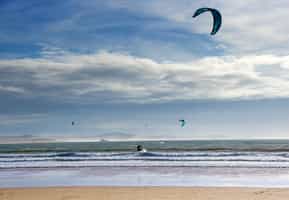
Wind season transforms Essaouira into a playground for kitesurfers, windsurfers, and anyone who loves that wild, sea-salted Atlantic energy.
Heat builds in the lowlands, making the High Atlas the smart retreat—cool mornings, comfortable days, and fresh mountain air.
Music festivals in Fes and Essaouira kick off, filling streets with Moroccan rhythm and international acts.
Summer / Peak Season — a quieter time to visit
The Atlantic coast stays breezy when inland Morocco bakes—expect sun, surf, and long afternoons drifting into lively medina evenings.
Throne Day celebrations at month's end bring parades, fireworks, and patriotic displays across the country.
Stick to coastal towns for the best summer experience; inland cities can be punishingly hot.
Summer / Peak Season — a quieter time to visit
The cooling Atlantic keeps coastal destinations comfortable while crowds thin slightly after the July peak. Beach days and evening medina wandering remain the winning combination.
Photographers should head to the High Atlas for spectacular early-morning light—soft gold brushing landscapes through thin, clear mountain air.
Best month for landscape photography; low humidity and sparse vegetation mean exceptional clarity.
Autumn / Shoulder Season — one of the best times to visit
Morocco's post-summer reset: temperatures ease from Marrakech to the Sahara, desert camps fully reopen, and the whole country becomes easier to explore.
The Sahara settles into comfortable 28-30°C days with gentle evenings—ideal conditions after the summer closure.
Tanjazz fills Tangier with open-air jazz performances and joyful late-summer energy, transforming old squares and seaside terraces.
Autumn / Peak Season — one of the best times to visit
If Morocco has a golden month, this is it. Marrakech stays warm but gentle, the Sahara cools to perfect temperatures, and coastal light stretches long and luminous.
The Erfoud Date Festival celebrates the harvest with music, religious ceremonies, and camel races—hundreds of date varieties on display.
Migratory birds move through the Atlantic wetlands north of Rabat, making October rewarding for birders.
Late Autumn Season — a good time to visit
Mild days and crisp nights make November ideal for Marrakech, Essaouira, and desert exploration. Crowds build slightly but the atmosphere stays lively without feeling overrun.
Atlantic swells pick up from Essaouira to Agadir, bringing excellent surf and a lovely windswept charm to the beaches.
Pack warm layers—temperatures drop surprisingly fast after sunset.
Cool Season — a quieter time to visit
Sharp winter clarity, powerful Atlantic surf, and magical Sahara nights make December one of Morocco's most atmospheric months—perfect for those who prefer their travel with a little edge.
The desert transforms with icy nights and glittering skies. New Year's celebrations combine crisp air, candlelit feasts, and infinite constellations.
Powerful swells create spectacular surf conditions along the coast—the Atlantic at its most energetic.

Morocco's main airports are the Mohammed V International Airport (CMN) in Casablanca, where most flights from the USA will land and Marrakesh Menara Airport, if you are flying from the UK. International flights We would recommend booking your flights online in order to get the best rates. If you need any help or advice please let us know. Domestic flights and transfers Royal Air Maroc operates domestic flights from Casablanca to all major cities, however a private transfer or train ride is often preferable. The national rail runs between all major hubs including Casablanca, Rabat, Fez, Meknes and Marrakesh, as well as some smaller stops in between. A private transfer or rented car opens up routes that are time-consuming or difficult to reach including Sahara Desert camps and mountain kasbahs. As Morocco's medinas have very crowded, narrow streets, cars are few and far between so be ready to walk especially in Fez.
Recommended vaccines include Hepatitis A and B, MMR, typhoid, rabies and tetanus. However, please consult your personal physician and/or a travel clinic preferably 6 weeks prior to your departure. Vaccine requirements vary based on your country of origin and your travel itinerary, as well as your previous vaccination history. It is best to consult with your physician or the CDC website for guidelines. While most hotels have a first aid kit, we advise taking a basic one of your own as well as any prescriptions / medication you may need. As a rule of thumb, avoid drinking any tap or well water, and it's best to avoid any fruit or vegetables that haven't been peeled or cooked. Of course, it's recommended to judge the freshness, cleanliness and popularity of a street food stall before ordering and abstain from eating seafood unless you're near the coast.
Money The currency in Morocco is the dirham (MAD) and ATMs are widely available throughout Morocco. However, ensure that you have drawn any necessary amounts before you travel to the desert, mountains and other more remote locations. It is advisable to have some cash for smaller shops and for tipping as well. Most ATMs provide a better exchange rate than exchanging your money in-country. Gratuities Gratuities are not compulsory or expected; rather it is a reward for excellent service. If you are pleased with the service you have received, you are more than welcome to tip your guide or the staff. Tipping is usually done at the end of your stay. You may tip the staff individually, give the tip to the manager to distribute, or do both. Tips can be made in the local currency (MAD), USD, GBP or EUR. Gratuities suggestions: Guides, drivers of tour vehicles and long transfers: $15 - $20 per guest per day Transfer drivers (e.g. in cities or between the airport and hotel/lodge): $5 per guest per transfer Porters: $1 per bag Any “ancillary” guides on an ad-hoc basis for a specific activity: $5 - $10 per guest per activity Waitstaff in a city restaurant: 10% - 15% (large group may incur automatic service charge - please check)
Insurance It is a condition of booking that you carry the correct comprehensive travel and medical insurance to cover yourself, as well as any dependents/travelling companions for the duration of your trip. This insurance should include cover in respect of, but not limited to, the following eventualities: Compulsory Insurance: a. Emergency evacuation expenses b. Medical expenses c. Repatriation expenses Recommended Insurance: a. Cancellation or curtailment of trip b. Damage/theft/loss of personal luggage, money and goods
As a general precaution, we recommend you make several copies of your travel-related documents (passport, credit cards, itinerary, airline tickets, insurance cover, visas, etc). Leave one set at home, and bring another set with you, and place it in a location separate from your originals. You may need to present any relevant travel-related documents at any time on the trip. There are a number of countries that don't require a Visa to enter Morocco including the USA, UK, EU members, Australia, Canada, New Zealand, Switzerland. This applies for all tourists as long as your departure is within 90 days of arrival, and you hold a passport valid for at least six months beyond your date of exit with one blank page. For those who require a Visa, you will need to apply at the Moroccan Embassy in your country of residence. Please do contact the embassy in your home country to reconfirm visa requirements, as they change often. Visa Central is also a good resource for further information.
Climate Most of Morocco sitting north of the Western Sahara experiences a Mediterranean climate with mild, wet winters and hot, dry summers. However, Morocco's landscapes are diverse with changeable, extreme temperatures between day and night. Its climate also varies with each season and region with Marrakesh having subtropical semi-dessert weather that provides warm winters and baking-hot summers. Dress Code Modest clothing is advisable outside of the hotel or beach. It is best to remain fairly covered up, especially when visiting the larger cities and mosques, when you will be required to wear a head scarf. Because your travels will likely cross multiple destinations, packing for all weather and occasions is recommended. What to pack: - Sunscreen, a hat and sunglasses. - Scarves for hot and cold weather, and socks. - Loose, airy trousers, long skirts or maxi dresses. - Lightweight cottons and linens, and a warmer jacket. - Shoes for all destinations on your trip including sneakers / boots in the mountains and sandals in the medinas. - A day pack or money pouch. - Insect repellant, hand sanitiser and wipes. - Swimming costume. - A sleep mask - specifically for the desert camps. - A reusable water bottle. - Spare batteries, plug adaptors and chargers. Morocco uses Type C and E plugs and operates on a 220V and 50Hz supply voltage. Luggage Please check with your airlines for the specific luggage restrictions relevant to your flight schedule. Many international airlines have a baggage allowance of 20kgs or more per person and commercial airlines generally permit two (2) pieces of checked luggage. The carry-on bag must be of such dimensions and weight as set by the airlines.
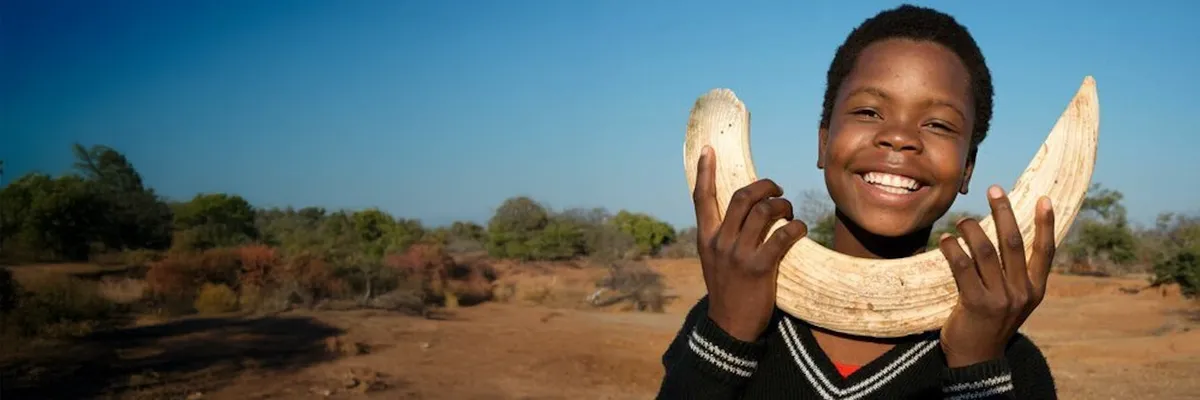
We’re big believers in leaving a positive impact in the countries in which we operate. We’re proud to donate $50 for every booking to projects focusing on female empowerment, tech education, conservation, and so much more.
Our dream is to empower our guests to travel with a purpose.
So far, we’ve donated $107,000 to projects across the globe.


Why travel with Timbuktu?

We've been crafting one-of-a-kind journeys since 2014 — over 2,500 trips across 40+ countries, each one built from scratch around your interests and dreams.

Our team only recommends places they've slept in, eaten in, and happily keep going back to. Condé Nast Traveler named 11 of them Top Travel Specialists in 2026, and Travel+Leisure made three A-List Advisors.

Travel+Leisure's readers voted us the World's No.1 Tour Operator in 2024 and No.2 in 2025 — the travel industry's biggest readers' award, judged by people who actually travel.

$50 from every booking goes to female empowerment, tech education, and conservation projects across the countries we love. We have donated $78,000 so far – and it's going up!

Your travel specialist is with you the whole way, dreaming up the trip, building the itinerary, checking you in, and answering the 2am question from the other side of the world..

We are rated 4.9 out of 5 from 995 verified Feefo reviews. And these are the words of people who actually went, not us talking about ourselves.
11 Condé Nast Traveler Top Travel Specialists 2026

No. 1 & No. 2 Tour Operator in Travel + Leisure's Best Awards 2024 & 2025

Best Booking Platform in Women's Health Travel Awards 2025

Travel Specialist voted as Latin America A-List Travel Advisor 2025

"Timbuktu can take relatively complex and slightly amorphous travel plans and transform them into a well-organized, perfectly tailored trip."