
,url-https%3A%2F%2Fassets.waybird.com%2Fcdn-cgi%2Fimage%2Fwidth%3D12%2Cformat%3Dauto%2Fhttps%3A%2F%2Fassets.waybird.com%2Fimages%2Fmap%2Fpin-primary-outlined.png(32.6395383,25.6873061),url-https%3A%2F%2Fassets.waybird.com%2Fcdn-cgi%2Fimage%2Fwidth%3D12%2Cformat%3Dauto%2Fhttps%3A%2F%2Fassets.waybird.com%2Fimages%2Fmap%2Fpin-primary-outlined.png(32.8995863,24.0889619),url-https%3A%2F%2Fassets.waybird.com%2Fcdn-cgi%2Fimage%2Fwidth%3D12%2Cformat%3Dauto%2Fhttps%3A%2F%2Fassets.waybird.com%2Fimages%2Fmap%2Fpin-primary-outlined.png(32.876076,23.97387),url-https%3A%2F%2Fassets.waybird.com%2Fcdn-cgi%2Fimage%2Fwidth%3D12%2Cformat%3Dauto%2Fhttps%3A%2F%2Fassets.waybird.com%2Fimages%2Fmap%2Fpin-primary-outlined.png(25.56807,29.209011),url-https%3A%2F%2Fassets.waybird.com%2Fcdn-cgi%2Fimage%2Fwidth%3D12%2Cformat%3Dauto%2Fhttps%3A%2F%2Fassets.waybird.com%2Fimages%2Fmap%2Fpin-primary-outlined.png(29.918656,31.2001749),url-https%3A%2F%2Fassets.waybird.com%2Fcdn-cgi%2Fimage%2Fwidth%3D12%2Cformat%3Dauto%2Fhttps%3A%2F%2Fassets.waybird.com%2Fimages%2Fmap%2Fpin-primary-outlined.png(34.3617467,27.9653883),url-https%3A%2F%2Fassets.waybird.com%2Fcdn-cgi%2Fimage%2Fwidth%3D12%2Cformat%3Dauto%2Fhttps%3A%2F%2Fassets.waybird.com%2Fimages%2Fmap%2Fpin-primary-outlined.png(33.8113865,27.2578677)/auto/600x400?access_token=pk.eyJ1IjoidGltYnVrdHV0cmF2ZWwiLCJhIjoiY2poMGw1eHpkMmRkbDJ6bW8xYWZ5OGpjYyJ9.PYvAO7lUJ40SOpGvwmQLqw&attribution=false&logo=false)


Planning Guides
Egypt Country Guide
Ancient relics, beautiful beaches & the colossal Nile
Egypt
For an iconic trip to Egypt, it’s all about ancient relics and pyramids, far-away desertscapes and sugary coastlines.

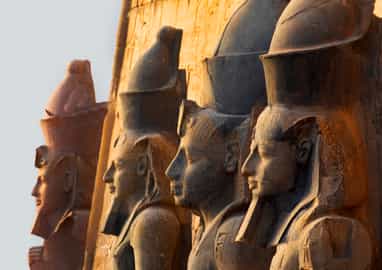
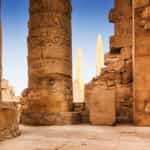
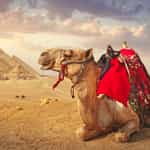
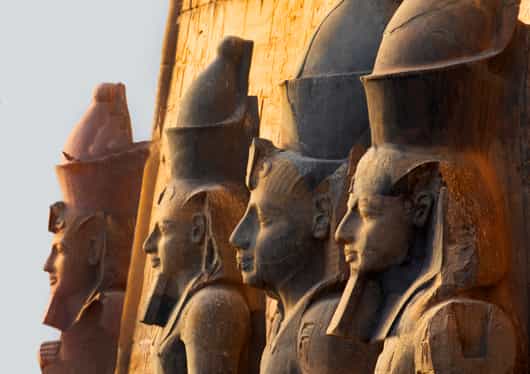
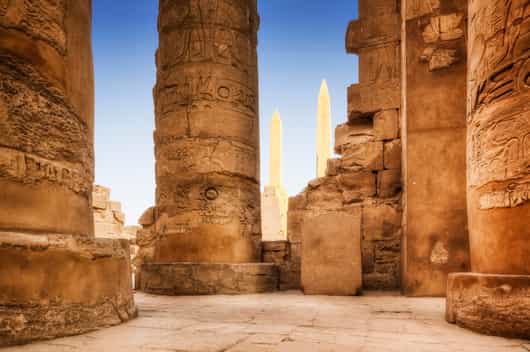
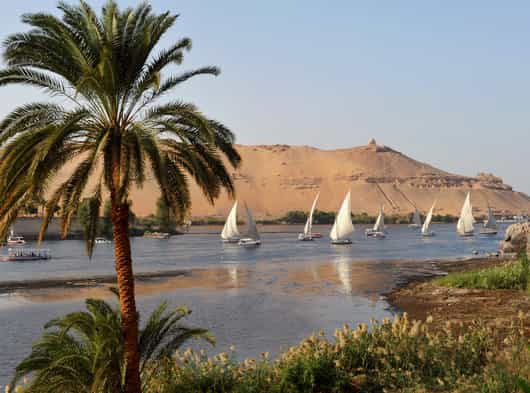
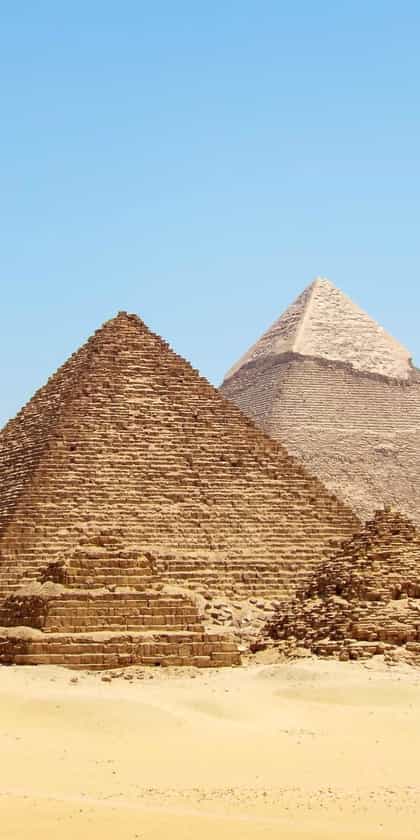
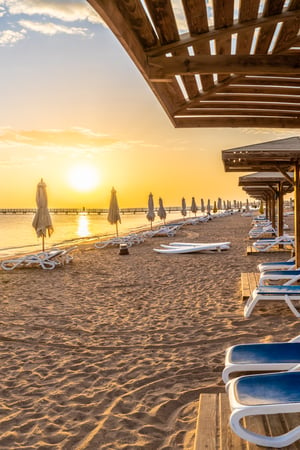
Discovering a new country is always exciting – and when that country happens to be one with an extraordinary history, filled with millennia-old tombs and temples, sand dusted pyramids, and perfectly-carved hieroglyphics and vivid artworks, there’s all the more reason to add it to your bucket-list, pronto. Located on the eastern side of North Africa, its lifeblood the mighty Nile River, Egypt is one of the oldest tourist destinations on the planet and its marvels are endless. But whilst the ancient architecture is guaranteed to bring out the student in most of us, Egypt certainly isn’t a one trick pony. Dig deeper past the Saharan sands and gigantic pyramids, and you’ll find fertile valleys, luscious oases, and islands shaded by date palms, ripe for exploration. The coast is renowned as one of the diving world’s best and a magical, kaleidoscopic realm awaits under the azure waves. On the surface, the sandy beaches cry out for a sun lounger and a towel – and if none of that suits, take to the water for a cruise down the Nile and enjoy the sights and sounds in pure luxury.

Egypt’s hotels are unapologetically indulgent. From sensory spas to gilded bedrooms, glamorous rooftop bars and some of the most desirable restaurants this side of the Sahara, they are the antithesis to modern day minimalism – and completely fabulous.
Most of us are so focused on Egypt’s timeless past that we forget its living creativity. In fact, its modern-day TV and film stars are recognised beyond the Arab-speaking world, modern politics are present, and the young are proud of their past and future. If you get the chance, delve into this side of the country too and you won’t be disappointed…

It’s been a tricky few decades for Egypt’s tourist industry but the country is slowly finding its feet. Every year, thousands of tourists visit safely and the effect of tourism on the economy is unparalleled.
Start with a recommended trip or create one from scratch

11 nights from $6K per person

8 nights from $4.1K per person

11 nights from $5.2K per person

10 nights from $5.7K per person
10 nights from $4.2K per person
Get advice and suggestions to make this your perfect trip.
or call us on: +1 (646) 542 0667
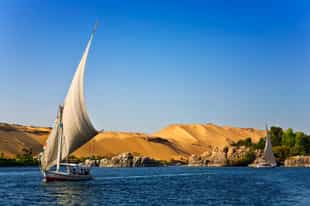
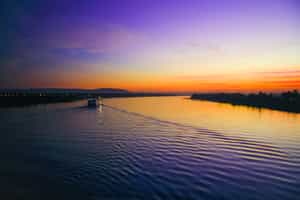
Meandering down the Nile, dwarfed by pyramids and temples, and ending on a squeaky, white-sand beach – now that’s an Egypt vacation.
Egypt is notorious for its baking hot weather, particularly in the summer months (June - August), with many major cities reaching temperatures in the high 30s or above (Celcius) and little rainfall all year round. Most travellers avoid the peak heat and choose to travel between October and March. The weather remains temperate, making sightseeing trips to the Pyramids, temples and bazaars much more pleasant. However, everyone has the same idea and tourist numbers are high, meaning the hotel prices follow suit. Visiting in the shoulder seasons (May and September) can be favourable as the weather remains milder than the summer time and room prices haven't reached peak season levels. In September, the sea breezes are lovely if you're planning a coastal visit and you'll enjoy the Red Sea without the usual autumn / winter crowds. Between April and May, the Khamsin Wind blows through Egypt, making conditions less ideal for photography. If you hope to visit during Ramadan, which falls between the same months, be aware that opening times often change and the cities are increasingly crowded.

Dry Season — a good time to visit
Coptic Christmas, held on January 7th, is a unique holiday celebrated by virtually everyone, regardless of creed or culture. Expect big crowds, atmospheric midnight masses, and streets filled with decorations.
January is typically the coolest month of the year. While this can make diving a chilly affair, visibility is at its peak, as are shark sightings around Egypt’s world-renowned reefs.
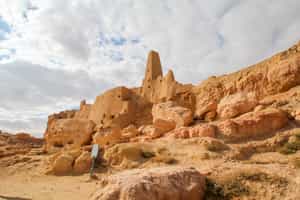
Pleasant days and cold nights make this an excellent time for exploring the otherworldly expanses of the Siwa Oasis. Speaking of other worlds, clear skies and virtually no light pollution result in some astounding views of the Milky Way.
Dry Season — one of the best times to visit
Twice a year, the rising sun pierces deep into Abu Simbel to illuminate the inner statues – a feat of ancient astronomy celebrated with music, dancing and thousands of visitors.
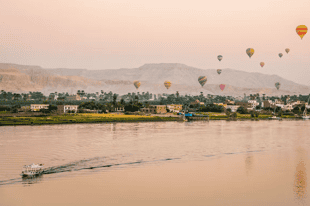
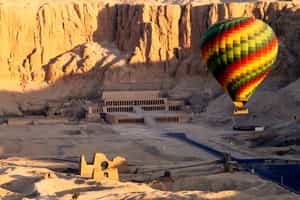
Cool mornings make this ideal for exploring ruins on foot – or from above. Hot-air ballooning offers an entirely different perspective on Ancient Egypt and an escape from the crowds.
Dry Season — one of the best times to visit
Ramadan falls through much of March. Respect local customs and savour the reward: streets exploding with life each evening, souks aglow with lanterns as families gather to break their fast.
March is shoulder season, so crowds at the big-ticket sites start to thin.
Dry Season — a good time to visit
While not quite summer, temperatures in Egypt are beginning to rise. On the coast, warmer waters and an increase in marine diversity herald the start of the diving season.
Sham El-Nessim marks the beginning of spring and is Egypt’s oldest festival. Egyptians of all religions gather in parks, at beaches, and along the Nile to observe this ancient custom, enjoying traditional cuisine and sharing in the celebration of new life
The hot, seasonal ‘khamaseen’ wind carries lots of dust, so sightseeing might not be the clearest, but it can certainly bring a lot of atmosphere.
Dry Season — a quieter time to visit
With summer fast approaching, the weather is noticeably hotter. Cooled by the Mediterranean sea-breeze, this is a great time to visit the ancient capital of Alexandria.
Whale shark sightings peak around this time, making for some possibly unforgettable diving experiences.
Dry Season — a quieter time to visit
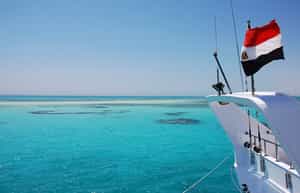
The Red Sea coast is your refuge from the sweltering interior. Sharm El Sheikh delivers balmy waters, sweet relief from the heat, and serious marine life – hammerhead sharks included.
Dry Season — a quieter time to visit
Fancy gliding through turquoise waters with manta rays? Or how about a night dive? Desert sightseeing is difficult due to extreme heat, but the Red Sea coast continues to offer excellent conditions for diving, snorkelling, and marine encounters.
Dry Season — a quieter time to visit
The Perseid meteor shower peaks mid-August, and Egypt delivers: dry air, no light pollution, crystal-clear skies. The catch? Best viewing is out in the desert – so you'll earn those stars.
Dry Season — a good time to visit
While summer is far from over, September brings slightly cooler temperatures. With a bit of planning, it’s more than possible to see the sights. Just be prepared for early morning starts!
Dry Season — one of the best times to visit
Egypt comes into its own: the blistering heat has subsided, days are pleasant, nights clear. Cruise the Nile, dive into Cairo's bustle – this is prime time for the Land of the Pharaohs.
October 22nd brings the year's second Abu Simbel Sun Festival. Expect fewer crowds than February's edition, but no less dancing, music and celebration.
Dry Season — one of the best times to visit
With temperatures like these, we’d head out to the whispering dunes and otherworldly expanses of Egypt’s deserts. Expect beautiful days and cool nights that can easily catch you off guard. Pack warmly!
Peak tourism season draws big crowds, so we’d recommend getting an early start and heading to major sites before they get too busy.
Conditions are idyllic for a hot-air balloon ride over Luxor’s myriad ancient sites.
Dry Season — a good time to visit
Floating down the Nile is a neat way to soak in the sights of this storied land. Cruises stop at points of interest, so you get the best of both worlds!
There’s more than one celestial-archaeological phenomenon in Egypt. In fact, there are several! Many are built around the winter solstice towards the end of December. Luxor, the Karnak Temple aligns with the sunrise.
Heading away from the desert and towards the coast, the cooler waters create breathtaking underwater clarity. It’s an ideal time to explore the reefs and corals in Sharm El Sheikh.

Most travellers arrive by air with direct flights from London and New York, and indirect flights from most international airports, landing at Cairo International Airport. Most itineraries will begin in Cairo, however, the UK does offer some flights to Luxor and various seaside resorts. Egypt is a large country and domestic flights are the most efficient way of travelling between cities with routes to all major locations leaving from Cairo. Nile River cruises remain popular and are an ideal way of seeing a great deal of the country while travelling between Aswan and Luxor, or vice versa. For more remote, desert locations, you will travel by private transfer, ensuring a smooth journey.
Recommended vaccinations include: hepatitis A & B, rabies, typhoid, meningitis, MMR and Tdap (tetanus, diptheria and pertussis). However, please consult your personal physician and/or a travel clinic preferably 6 weeks prior to your departure. Vaccine requirements vary based on your country of origin and your travel itinerary, as well as your previous vaccination history. It is best to consult with your physician or the CDC website for guidelines. While most hotels have a first aid kit, we advise taking a basic one of your own as well as any prescriptions / medication you may need. Tap water is safe to drink in Cairo, but it is recommended that you only drink bottled or purified water. Be aware of pickpockets while in busy areas and markets, especially at night. It is recommended that you only carry the amount of cash you might need for the day and leave valuable items at the hotel. Be mindful of touts who might offer to show you a shortcut, take a photo or arrange a tour, then request payment. Should you use a taxi, ensure the meter begins when the journey starts or agree on a price beforehand.
Money The currency in Egypt is the Egyptian Pound (EGP) and most cities have plentiful ATMs. However, when you're travelling to more remote destinations, it's best to carry a suitable amount of cash on your person. Gratuities Gratuities are not compulsory or expected; rather it is a reward for excellent service. If you are pleased with the service you receive you are more than welcome to tip your guide or the staff. Below are the suggested gratuities, however, you are free to give more or less than suggested. Small bills are best to tip waiters, porters, and housekeeping. Tips can be paid in EGP or USD at the end of each stay or service provided. Gratuities suggestions: Transfer driver: $5 per guest per transfer Porter at airport: $3 per guest Hotel porters in /out: $3 per guest per check-in or checkout Driver (for tours): $7 per guest per day Guide: $15 per guest per day Cruise staff: $10 - $12 per guest per day Egyptologist / Cruise guide: $10 per guest per day Restaurant: $3 per guest per meal The gratuity given at bathrooms at historical sites (based upon local standards) is 5 Egyptian Pounds (about $0.25).
Insurance It is a condition of booking that you carry the correct comprehensive travel and medical insurance to cover yourself, as well as any dependents/travelling companions for the duration of your trip. This insurance should include cover in respect of, but not limited to, the following eventualities: Compulsory Insurance: a. Emergency evacuation expenses b. Medical expenses c. Repatriation expenses Recommended Insurance: a. Cancellation or curtailment of trip b. Damage/theft/loss of personal luggage, money and goods
As a general precaution, we recommend you make several copies of your travel-related documents (passport, credit cards, itinerary, airline tickets, insurance cover, visas, etc). Leave one set at home, and bring another set with you, and place it in a location separate from your originals. You may need to present any relevant travel-related documents at any time on the trip. For most nationalities, a visa can be organised on arrival at Cairo International Airport or online via the Egyptian Government's e-visa portal (https://www.visa2egypt.gov.eg/) at the cost of $25. You are required to have a passport valid for at least 6 months after your arrival in Egypt and carry a travel itinerary with all documentation of your accommodation / booked activities. Please do contact the embassy in your home country to reconfirm visa requirements, as they change often. Visa Central is also a good resource for further information.
Climate Egypt is reliably sunny, ranging from the scorching heat of summer (June - August) to the mild, temperate days in autumn and winter (October - March). There is little to no rainfall all year round, except for some winter rain on the coast. The Nile and seaside destinations do enjoy a cooling breeze to break the heat, but it is rare to ever feel cold in Egypt (even at night). The exception to this is in the desert but you won't spend more than one or two days there. Dress Code In Egypt, loose-fitting clothing is favourable and, in order to respect the local culture, it's best to wear clothes that cover you from your shoulders to just below the knee. This is especially true for women and when visiting a mosque, you are required to wear clothing that covers from the shoulders to the ankle, as well as your hair. However, it's recommended that men also avoid wearing shorts and tight vests. What to pack: - Sunscreen (reef-safe sunscreen if applicable), a hat and sunglasses. - Loose, airy trousers, long skirts or maxi dresses. - Scarves and extra tunics. - Lightweight cottons and linens, and a light jacket or fleece. - Comfortable walking shoes. - A day pack or money pouch. - Insect repellant, hand sanitiser and wipes. - Swimming costume. - A reusable water bottle. - Spare batteries, plug adaptors and chargers. Egypt uses Type C and F plugs and operates on a 220V and 50Hz supply voltage. Luggage Please check with your airlines for the specific luggage restrictions relevant to your flight schedule. Many international airlines have a baggage allowance of 20kgs or more per person and commercial airlines generally permit two (2) pieces of checked luggage. The carry-on bag must be of such dimensions and weight as set by the airlines.
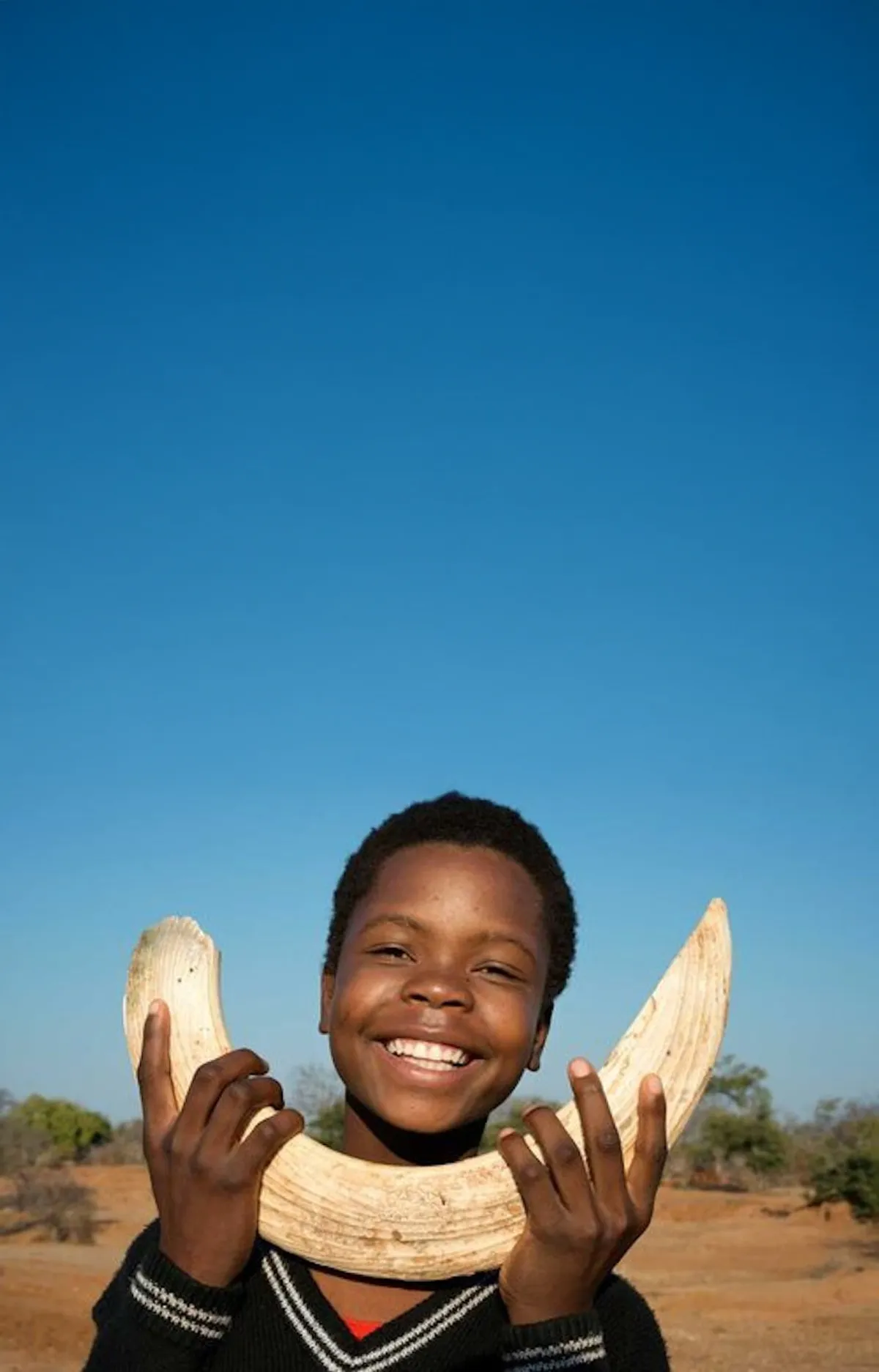
We’re big believers in leaving a positive impact in the countries in which we operate. We’re proud to donate $50 for every booking to projects focusing on female empowerment, tech education, conservation, and so much more.
Our dream is to empower our guests to travel with a purpose.
So far, we’ve donated $107,000 to projects across the globe.


Why travel with Timbuktu?

We've been crafting one-of-a-kind journeys since 2014 — over 2,500 trips across 40+ countries, each one built from scratch around your interests and dreams.

Our team only recommends places they've slept in, eaten in, and happily keep going back to. Condé Nast Traveler named 11 of them Top Travel Specialists in 2026, and Travel+Leisure made three A-List Advisors.

Travel+Leisure's readers voted us the World's No.1 Tour Operator in 2024 and No.2 in 2025 — the travel industry's biggest readers' award, judged by people who actually travel.

$50 from every booking goes to female empowerment, tech education, and conservation projects across the countries we love. We have donated $78,000 so far – and it's going up!
Your travel specialist is with you the whole way, dreaming up the trip, building the itinerary, checking you in, and answering the 2am question from the other side of the world..

We are rated 4.9 out of 5 from 995 verified Feefo reviews. And these are the words of people who actually went, not us talking about ourselves.
11 Condé Nast Traveler Top Travel Specialists 2026

No. 1 & No. 2 Tour Operator in Travel + Leisure's Best Awards 2024 & 2025

Best Booking Platform in Women's Health Travel Awards 2025

Travel Specialist voted as Latin America A-List Travel Advisor 2025

"Timbuktu can take relatively complex and slightly amorphous travel plans and transform them into a well-organized, perfectly tailored trip."