We're one of the World's Best Tour Operators!
Named three years running in Travel+Leisure World's Best, including No.1 in 2024
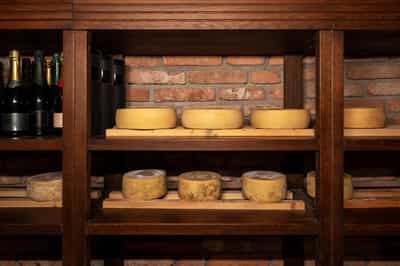
A local wine expert walks you round a handful of Paris's lesser-known wine bars. Some have barely changed in a century, others pour biodynamic bottles from small producers just outside the city. You'll taste both, with platters of ham and cheese alongside.
Along the way you'll pick up the useful stuff: how to read a French wine label, what the regional appellations actually mean, and how the industry has shifted. The walk ends at one of the oldest markets in Paris, where you can sample a few specialities and buy something to take home. It's a fair bit of walking between stops, so wear shoes you can stand in for a few hours.
Small bars, good bottles, no tourist crowd.
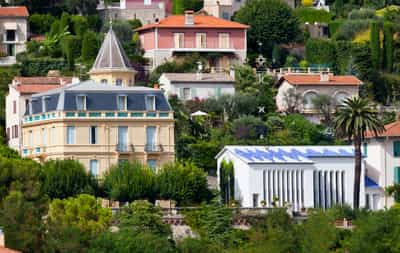
Matisse arrived on the Riviera for the light and stayed for almost four decades, and this day takes you through the corners of the coast that kept him there. With a private driver-guide, you'll start in the city where he lived and worked, at a museum that traces his style from early canvases to the cut-outs of his later years. Then it's up into the hills, through villages where painters and writers once gathered, finishing at a small chapel Matisse designed himself, right down to the priests' robes. Its walls are white tiles covered in simple black line drawings, and when the sun hits the stained glass, the floor fills with pools of lemon, bottle-green and ultramarine. Entry fees are covered. It is a quiet way to end the day, and a moving one.
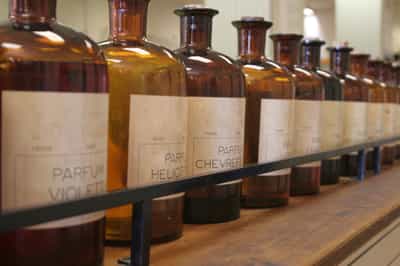
Ever wanted a scent nobody else can buy? Here's your chance. In an hour or so with a professional perfumer, you'll work your way through a palette of high-quality raw ingredients, sniffing, blending and tweaking until your top, heart and base notes sit together just so (it's much harder than it sounds, and a lot more fun). Your perfumer explains how a fragrance is built as you go, so you'll leave with a sharper nose as well as a bottle of something that's entirely yours, plus a signed certificate to prove you made it. Everything happens at a table, so the workshop is fully accessible and easy to slot into a day on the coast. The best souvenir from the South of France is one you made yourself.
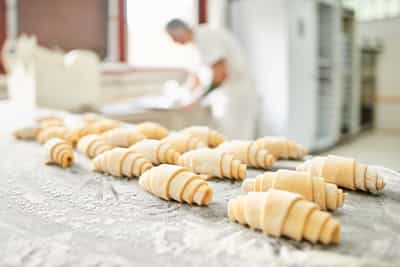
A chef takes you through the croissant from scratch: mixing the pâte feuilletée levée, then the kneading, rolling and folding that builds the layers. It's slower and more technical than it looks, which is rather the point.
Once the basics are down, you'll move on to crème pâtissière, the custard that fills half of French pastry. Everything you make comes home with you for a delightful breakfast.
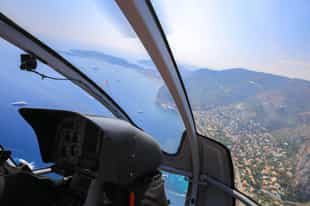
Charge your phone and clear some space on the camera roll. Your driver-guide heads along the stretch of the Riviera where the Alps drop straight into the Mediterranean, stopping at lookouts and hidden corners most visitors drive right past (some are a short scramble from the road, so leave the heels at the hotel). Expect clifftop villages with stone alleyways tumbling with bougainvillaea, a seaside town where the façades are painted in shades of ochre, lemon and terracotta, and cobbled lanes so high above the coast that the sea seems to go on forever. Break for lunch along the way, and bring someone you'd like in the photos. It's a romantic day out, and the views take care of themselves.
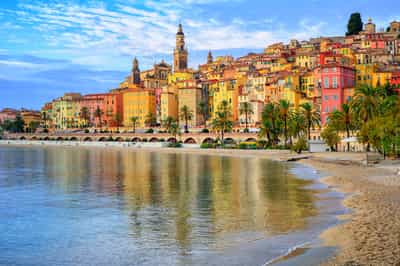
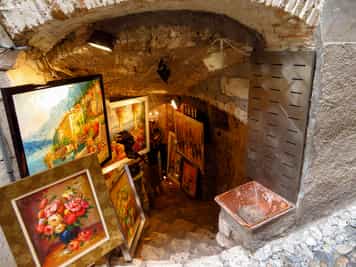
You'll spend this day on the Riviera following the painters, writers and film stars who fell for the hilltop villages of Provence, and in some cases never left. Your driver-guide leads you through ramparts built on royal orders, down lanes where the galleries almost outnumber the houses, and into a modern art collection set among pine trees and sculpture gardens, with big names from the 20th century on show. Stop for lunch wherever takes your fancy (it isn't included, so choose freely), then round off the day in another medieval village on a ridge, full of history and quiet squares. It's easy-going enough for children, and grown-ups will enjoy it just as much.
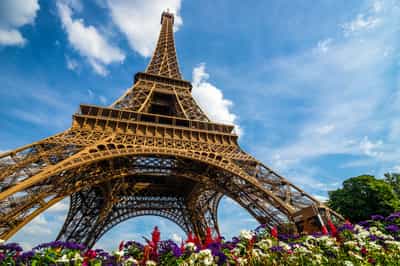
Gustave Eiffel's 330 metres of iron, and still the first thing most people want to see. Take the lift to the second floor for the view over the Champ de Mars and the bend of the Seine, or climb the 674 steps if your legs are willing, then a second lift up to the summit. Book a timed slot in advance. The queues without one are punishing.
Go at dusk and stay for the sparkle on the hour.
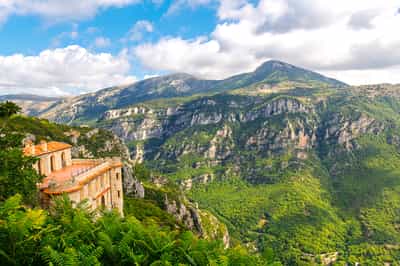
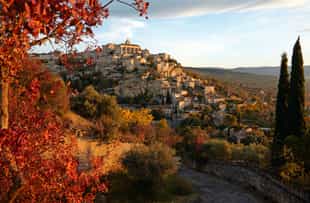
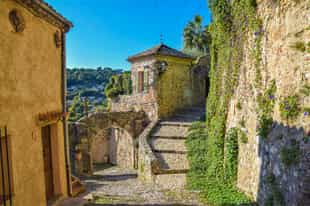
Leave the superyachts to the coast and head for the hills. Your own driver-guide takes you inland for a day in the Riviera's medieval villages: fortified towns on craggy clifftops, cobbled lanes barely wide enough for two, and tiny galleries and ateliers still carrying the artistic spirit that drew some of the 20th century's great painters here. Expect honey-coloured stone, ramparts with views over the rolling countryside and a pace that slows to a meander (sensible shoes a must). Along the way you'll stop for a long, lazy lunch somewhere local,
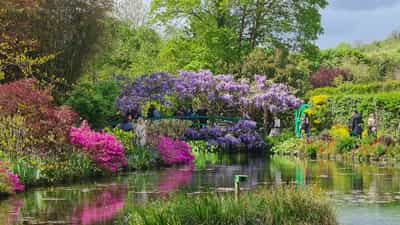
Monet bought the house at Giverny in 1890 and spent the rest of his life turning the grounds into his subject matter. Your private guide walks you through both halves: the Clos Normand, a dense grid of flowerbeds running downhill from the pink house, and the water garden beyond it, with the green Japanese bridge and the lily pond he painted for the best part of thirty years. Inside, the kitchen is tiled blue and the dining room is yolk-yellow.
Two things worth knowing. The gardens are smaller than the paintings suggest and by midday they're busy, so go early.
And they close over winter, which makes this an April to October outing.
Stand at the pond and the paintings suddenly make sense.
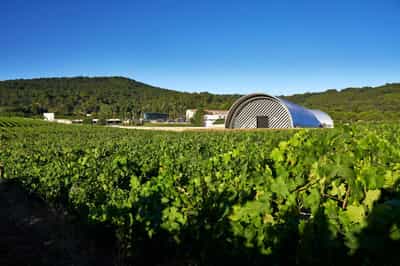
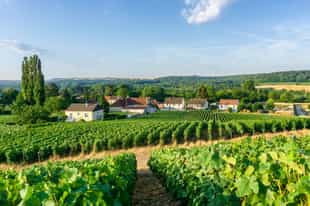
This is a working wine estate where famous architects and artists are invited to leave a piece of work on the grounds. The collection keeps changing, so you walk between pavilions and sculptures set in the vines, with a tasting at the end. A vineyard that doubles as an open-air gallery.
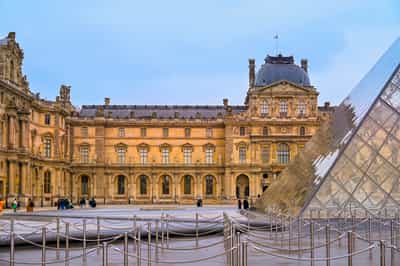
Discover the Louvre on a private VIP visit led by a curator, entering through the Pyramid entrance, typically closed to the public. Explore iconic masterpieces and learn unique stories and anecdotes about the museum’s history, including access to selected backstage areas of the auditorium.
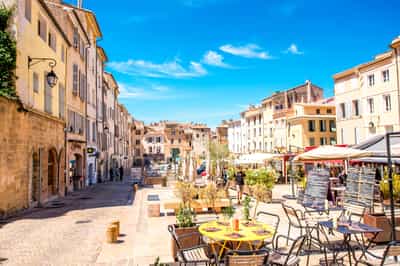
King Rene made Aix his Provencal capital in the 15th century, and it has had a reputation as France's cleverest city ever since. Cézanne and Zola both grew up here. You get elegant townhouses, fountains on almost every square and a buzzy café scene that carries on well into the evening.
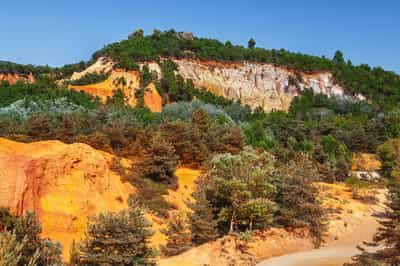
Roussillon is a Luberon village on a hilltop of cliffs coloured in shades from saffron-yellow to deep rust-red. A guide takes you on a two-hour hike through that landscape. Wear shoes you don't mind getting dusty, because the ochre dust sticks to everything.
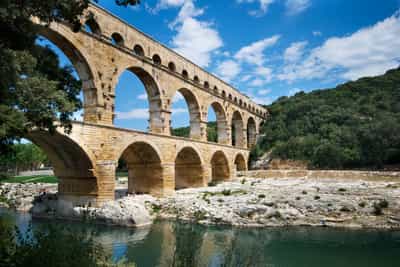
The Romans built this three-tiered aqueduct to carry water to Nemausus, the city now called Nîmes. They did it without mortar. It's one of the best-preserved Roman aqueducts anywhere and a UNESCO World Heritage Site, with its honey-coloured stone spanning the green Gardon river. Two thousand years on, it still looks like a feat of engineering.
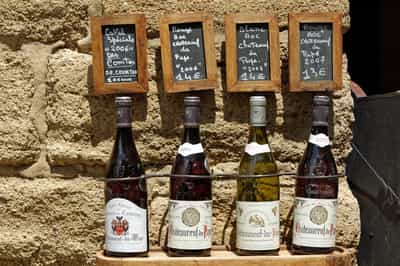
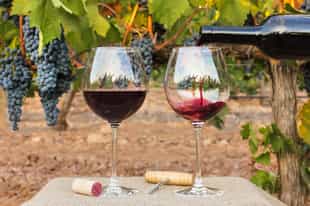
The ruins of a 14th-century castle, once the popes' summer retreat, look down on this village and its vineyards. The fields are covered in the large round stones the region is known for. You'll taste at a local estate, such as Domaine de la Janasse, Domaine de la Barroche, Château de Vaudieu or Château de Beaucastel. Big, sun-warmed reds are the main draw.
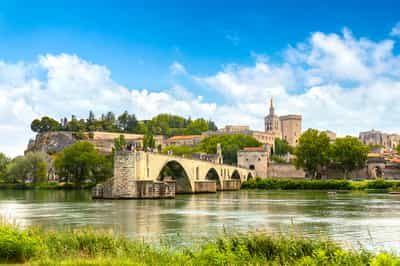
In the 14th century the popes moved to Avignon, and for a while it was the centre of the Christian world. You can still see that in the city. The Palais des Papes is a huge Gothic fortress. The Pont Saint-Bénézet runs halfway across the Rhône and then just stops. Old churches fill the streets around them. It feels like history was built on a grand scale here.





Namibrand, Namibia