We're one of the World's Best Tour Operators!
Named three years running in Travel+Leisure World's Best, including No.1 in 2024
Explore 35 handpicked hotels in France
Paris
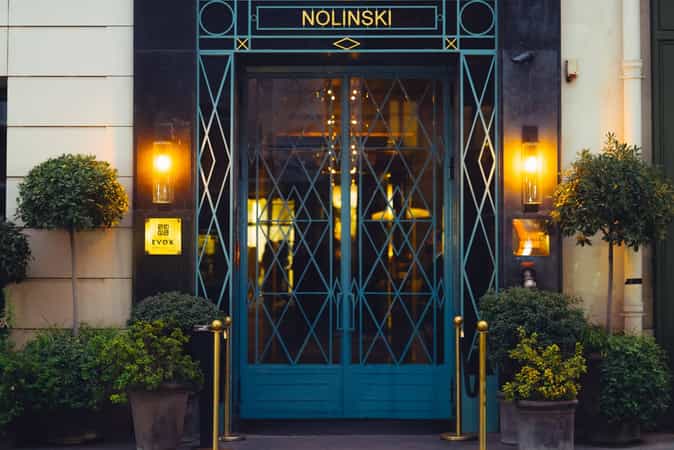
Sixteen Avenue de l'Opéra puts you a few minutes' walk from the Louvre, the Comédie-Française and the ramen counters of rue Sainte-Anne, which is about as central as Paris gets. Jean-Louis Deniot took a Haussmannian office block and made something closer to a jade-and-bronze apartment: 45 rooms and suites, a green Carrara marble reception desk, and a storm-sky fresco by Mathias Kiss spiralling up all six floors. Downstairs sits a heated pool under a mirrored ceiling pricked with tiny lights. In fact, you won't find a single downlight in the place. After a day of exploring the city, returning to your own 'flat' is perfection.

Champagne
Set high on the hills overlooking the exquisite Champagne region, the Royal Champagne Hotel and Spa is an elegant medley of curved terraces, pale limestone, and acres of glass. Modern, yes, but somehow this former coaching inn-turned-boutique hotel fits right into its surroundings, which are mere minutes from Epernay, Champagne’s capital, and close to Reims, Champillon and Hautvillers. A soothing golden and taupe colour palette is reminiscent of its namesake bubbles, and there are two swimming pools (indoor and outdoor) and a beautiful spa to spend the days. Many also come for the restaurant, Le Royal, helmed by Chef Christophe Raoux and renowned in a region where it's hard to have a bad meal.
Loire Valley
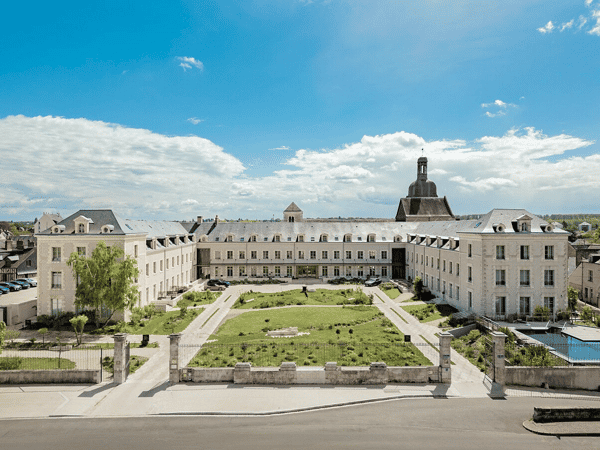
Gaston d'Orléans ordered this hospice built on the Loire's left bank, facing the royal château he was busy remodelling across the water. Christophe Hay, born up the road in Vendôme and trained at the hotel school in Blois itself, sold the restaurant that made his name in order to take the place on. It opened after a long restoration and his kitchen now holds two stars and a green one. Grounds run down towards the river: greenhouses, a permaculture potager, fifty-odd heirloom asparagus varieties. He keeps his own wagyu herd, too. Dinner is very much the draw, and everybody here knows it.
Burgundy
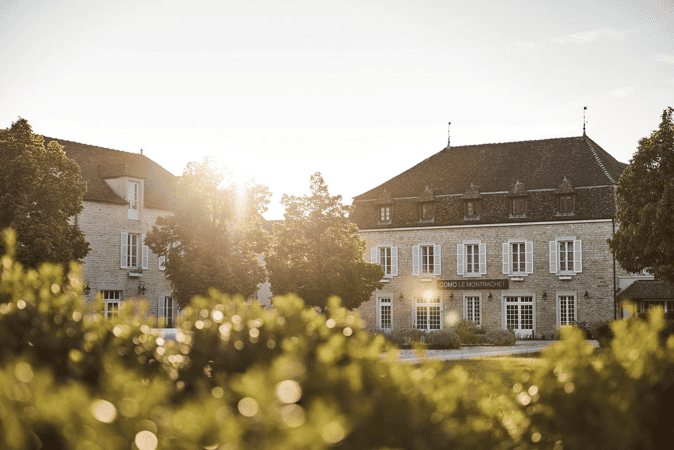
Puligny-Montrachet is a working grower village with a share of four grand crus and famously almost no cellars, because the water table sits too high to dig them. On the square, a 19th-century inn has been taken over by COMO and reworked by Paola Navone, who kept the zinc bar and the beams and brought in sage, petrol blue and a woven willow wall ten metres tall. The sommelier arrived long before any of it and has pushed the list past 17,000 bottles, nearly all of them Burgundian, which in a village this size is quite the statement.
Bordeaux
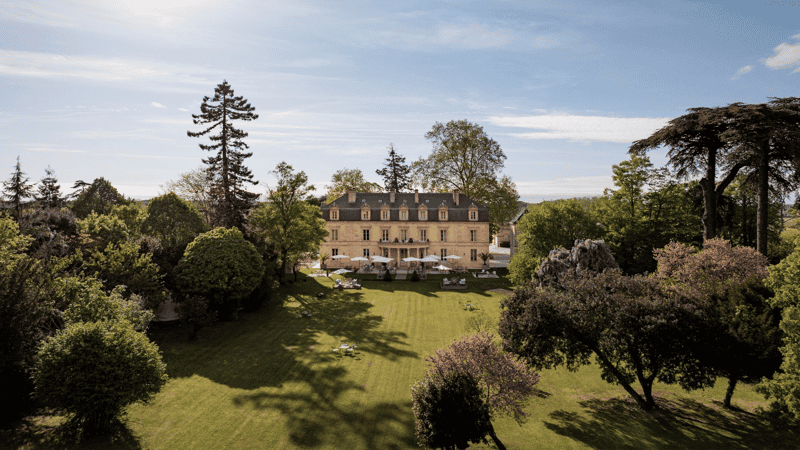
An hour north of Bordeaux, the Médoc is almost all vines and flat as a pancake all the way to the Gironde estuary. And in the middle of the grape-drenched landscape is La Maison d'Estournel. An 18th-century manor that once belonged to Louis-Gaspard d'Estournel, the wine baron behind the Cos d'Estournel vineyard next door, it now welcomes wine-lovers to stay. With only 14 rooms, it's intimate and personal and the interiors are classic enough to make you feel like royalty, but with just the right amount of contemporary. The kitchen was left in the capable hands of Jérôme Banctel, the triple-Michelin-starred chef who also runs the stoves at La Réserve Paris.
Antibes
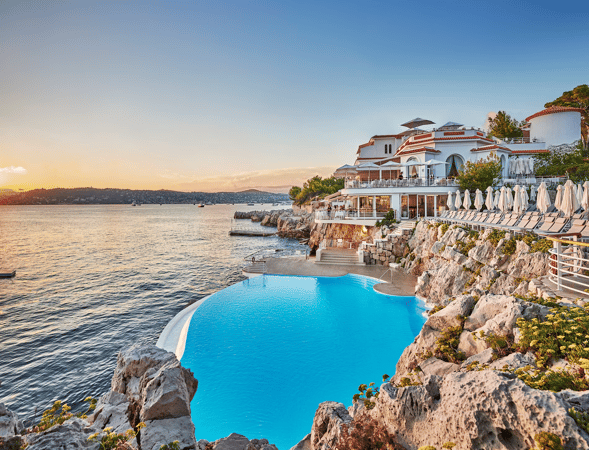
Cannes and Nice sit 20 minutes off in either direction, yet from the tip of Cap d'Antibes, both disappear entirely, swallowed by nine hectares of pine forest and a coastline straight off the front of a postcard. And that’s the best bit of Hotel du Cap-Eden-Roc: total seclusion, right in the middle of the busiest stretch of the Riviera. The cliffside pool, cut straight into the rock, comes with a trapeze slung above the water, where Picasso, Hemingway and the Fitzgeralds once filled its cabanas, inventing the Riviera season as we know it. Three MICHELIN Keys, one of only a handful of hotels anywhere holding them, confirm what regulars already know… Nowhere else on this coast does it quite like Eden Roc.
St Tropez and the Gulf
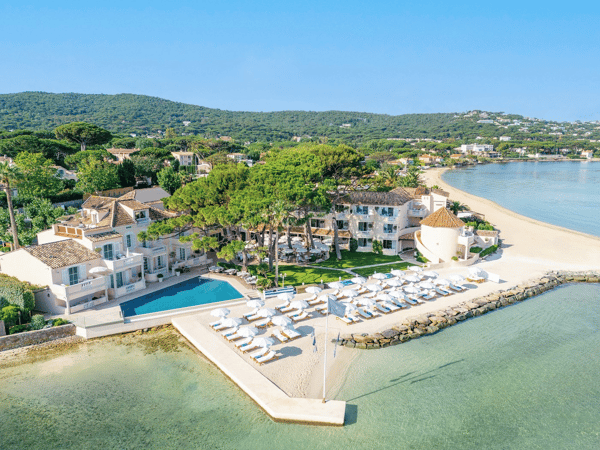
Rosé-pink walls, umbrella pines and a private beach on the Plage de la Bouillabaisse, a ten-minute stroll from the old port. Small, calm and pointedly unfussy, this is the St-Tropez the magazines tend to skip: no DJ, no velvet rope, no one checking your labels. Arnaud Donckele runs the kitchen at La Vague d'Or, holds three Michelin stars and is a saucier before he's anything else (you'll understand at dinner). The original Capron ceramics survived the LVMH makeover, which tells you the tone. The village is ten minutes on foot. The pontoon is thirty seconds. We know which we'd choose.
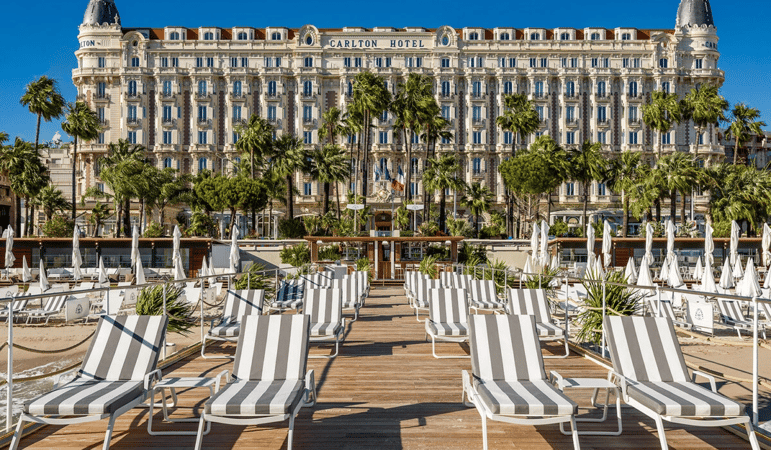
Cannes
The Riviera has plenty of grand hotels, but only one where the concierge can namedrop Grace Kelly's iconic kiss scene before the bellhop's finished with your bags. Opened in 1911 and still fronted by its two famous domes, the Carlton Cannes has changed a little since then, thanks to 750 French artisans who rebuilt it from the inside out. Behind the façade, they also added the one thing it had gone a century without: a Mediterranean garden and a pool you can swim lengths in. And La Croisette's shops, casino and film-festival red carpet are all just a stroll away.
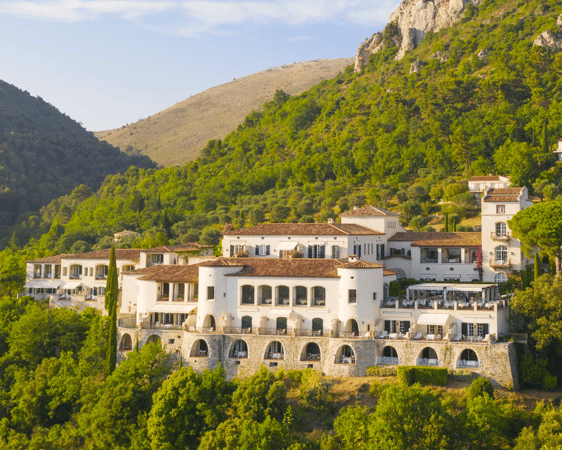
Hilltop Villages of the French Riviera
In the hills above the pretty village of Vence, amid the warm cypress and cicada song drifting on the breeze, Château Saint-Martin & Spa claims the best patch of hillside. Once a site guarded by Roman sentries and then fortified by the Knights Templar, a stretch of old wall, a chapel and part of the drawbridge still stand in the gardens today. Today, the hotel is lighter and brighter but still undeniably French (undeniably Provençal, in fact) and the chateau-style building is one-of-a-kind. Surrounded by acres of natural beauty, it's a wonderful place to just be for a few days, Cannes one way, Nice the other, and olive groves tumbling down in between.
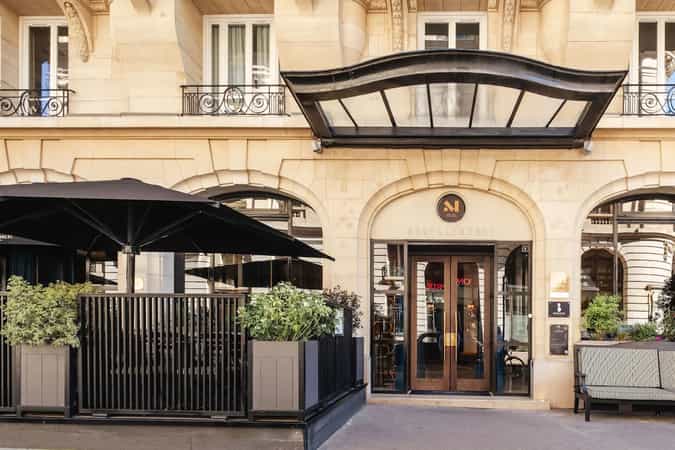
Paris
Rue de Montalembert is a hundred metres long, with the Gallimard publishing house at one end and a square named after Gabriel García Márquez at the other. The Montalembert has occupied number 3 since 1926, and when Christian Liaigre stripped it back in the 90s, people started calling it a "boutique hotel" - and it truly lives up to the phrase. Classic yet modern, lavish but never over the top, it boasts a restaurant that Left Bank publishers treat as their canteen and a private library, Salon Gallimard, that's the perfect spot for a nightcap. Fascinatingly, it also claims to be the first hotel in Paris to put duvets on its beds (and we can confirm, they are still there now)!
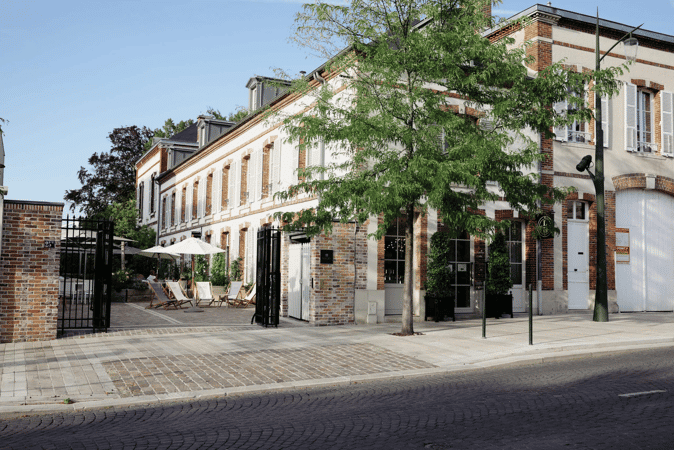
Champagne
Five bedrooms, on a street where the neighbours count their stock in millions. Épernay's Avenue de Champagne has been UNESCO-listed since 2015 and the great houses line it one after another, cellars running deep into the chalk below. Behind one of the doors, though, is a family townhouse rather than a monument: 18th-century bones, a fire in the hall, and a walled garden at the back that comes as a genuine surprise given what's on the other side of the building. The furniture the previous owners left behind has been kept and set against newer pieces. The wine house attached went biodynamic decades before anyone else in the region thought it sensible, and the tastings are correspondingly unhurried. Grand address, small house.
Provence
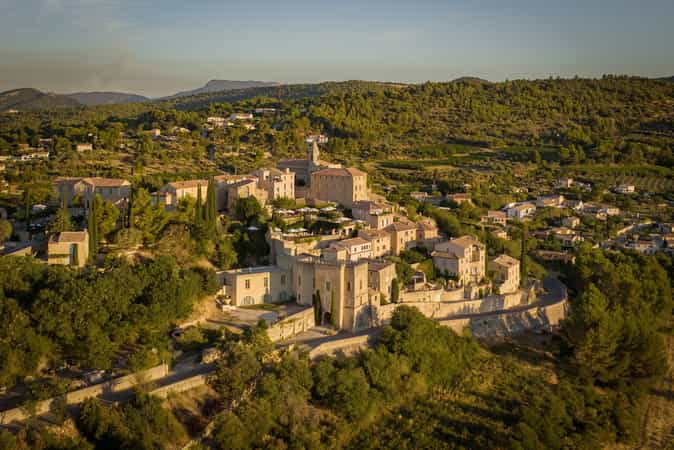
A dozen tumbledown village houses have been stitched into one hotel here, joined by lanes and stone bridges, with Mont Ventoux filling the end of every terrace. Lunch at La Table du Ventoux runs long over the vineyards, and the kitchen will happily teach you to cook it. The village has five hundred-odd residents and no shops to speak of, and takes its name from Henri IV's favourite soldier. The king's famous line to him, 'Hang yourself, brave Crillon; we fought and you weren't there', is probably apocryphal, but nobody here minds. Nothing much happens up on this hill. That's the appeal.
Burgundy
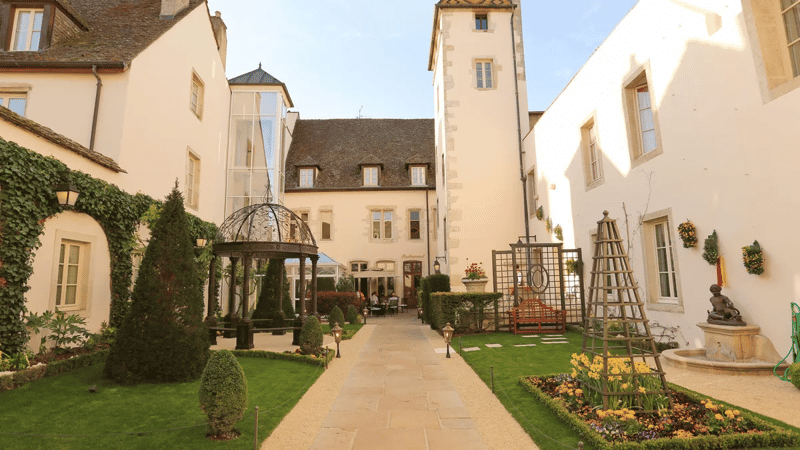
Behind an unassuming door sits not just one building but a clutch of old Beaune houses, bought up one at a time by the same family and gently knocked into each other. The result is a warren of courtyards: one timbered in the 1570s around a Renaissance stair tower, another older still with an artesian well the kitchen draws on for summer breakfasts – and both listed. Below ground, the cellars hold more than a thousand bottles going back to the 1920s, Hospices auction lots among them. We can't think of a better address in town.
Bordeaux
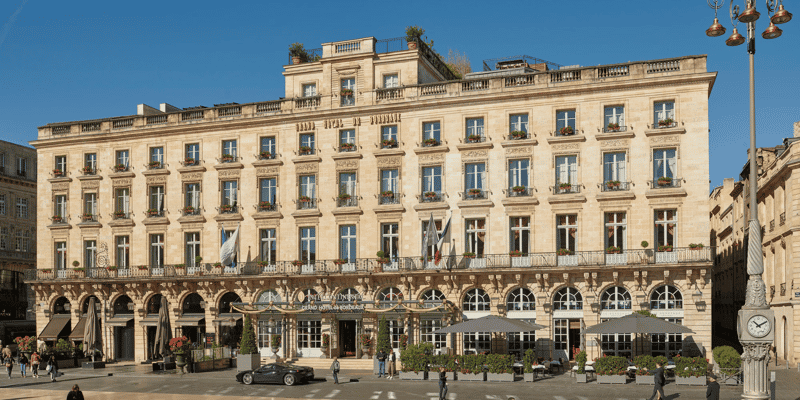
Facing the opera house on one side of Bordeaux's grand central square is an 18th-century townhouse turned five-star hotel that goes by the name of Le Grand Hotel. All 130 rooms and suites are drenched in rich mauve, burnt orange and gilt that wouldn't look out of place in Marrakech, but actually, you're in the heart of the city. On the ground floor, there's a two-Michelin-starred kitchen and on the fifth, a Guerlain spa with a full roster of spectacular treatments. You're a few minutes on foot from Place Gambetta, the shops of Cours de l'Intendance, and the tram. But at this address, you may just never want to leave...
Normandy
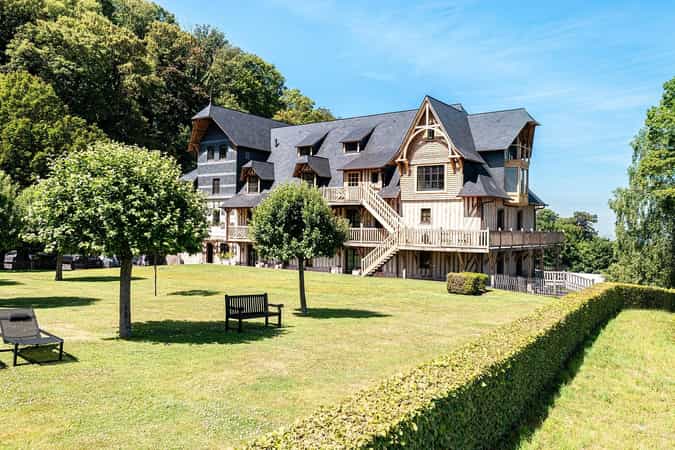
A farm on the hill above Honfleur became an inn in the 1820s, and by the sixties Boudin, Monet, Jongkind, Courbet and Bazille were all trooping up here to paint the Seine estuary. The landlady ran tabs, and the story goes that several of them settled up in canvases. Monet painted the road to the farm more than once, and those pictures now hang in Paris, Boston and Tokyo. Seven hectares of garden still face the water, and the view has not changed all that much. Sound inspiring?
Antibes
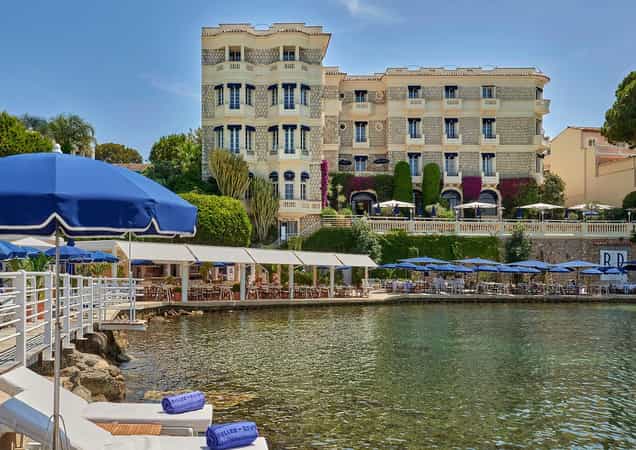
This Art Deco hotel is built directly on the shore in Juan-les-Pins, at the foot of Cap d'Antibes, and bills itself as the first on the Riviera with its feet in the water. Nice airport is 20–30 minutes away by car and the restaurants of Juan-les-Pins a ten-minute walk, so it suits a two-night stopover as well as a week by the sea. Inside, the 1930s glamour has been restored rather than replaced, with chrome chandeliers, period murals and a mosaic floor. F. Scott Fitzgerald started Tender Is the Night here when it was still a private villa. Come for the setting, and save your evenings for the bar.
Cannes
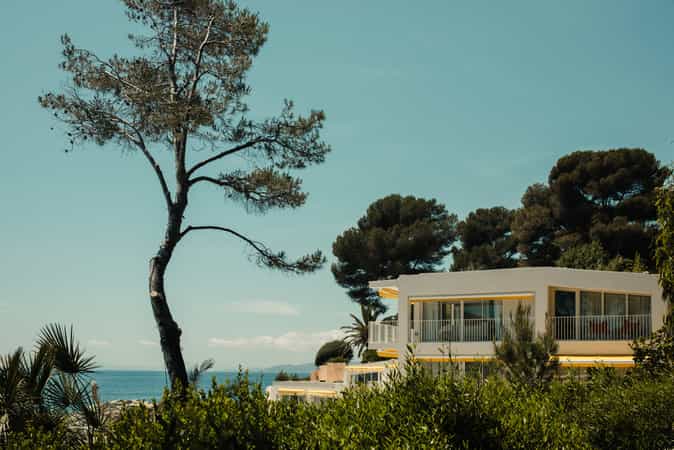
Between Cannes and St Tropez, the corniche twists along the Esterel mountain range, where red volcanic rock drops straight into crystal clear water and the Île d'Or sits offshore. There's also an exceedingly lovely fishing village, Saint-Raphaël, and an even lovelier hotel: Les Roches Rouges. Taking its name from the red stone, it's a low modernist building of whitewash and polished concrete, marigold and ochre. Two swimming pools look onto the bay, one of them seawater and hewn out of the rocks at the water's edge. Kayaks and paddleboards are free to borrow, and a barefoot dinner for two on the pontoon can be arranged. This is where the Côte d'Azur drops its gloss and it's rather wonderful.
Paris
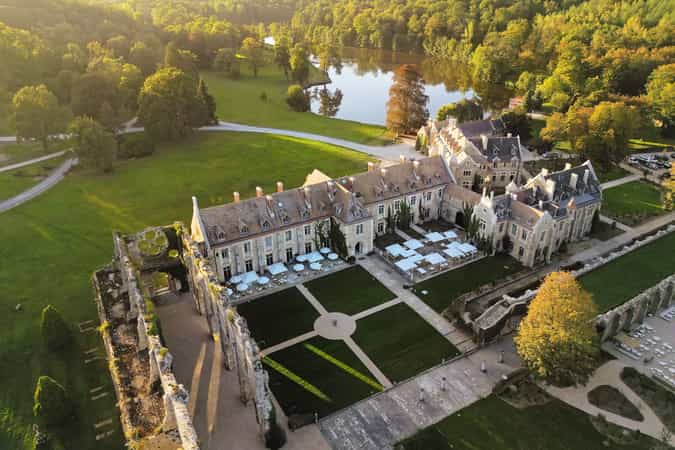
Forty-five minutes from Paris, in the folds of the Chevreuse Valley, sits a Cistercian abbey that's been standing since 1118. The monks left after the Revolution, the roofs fell in, and then Baroness Charlotte de Rothschild bought the ruin in the 1880s and spent decades coaxing it back. What you get now is more estate than hotel, with rooms spread between the abbey itself, the old stables and a working farm down the lane, plus a lake, a Tata Harper spa, half a dozen places to eat and a kids' club stocked with miniature Range Rovers. Cordélia de Castellane did the interiors. You'll want a bicycle.
Provence
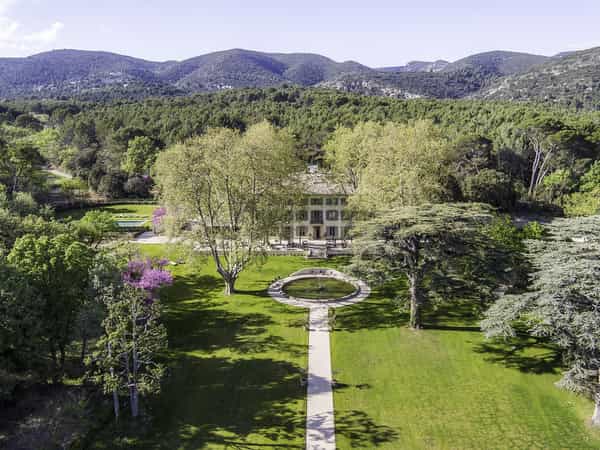
Vines run right up to the walls of this old Provencal bastide on the sunnier southern flank of the Luberon, and the grapes you wander past at dusk end up in your glass at dinner. It belongs to Les Domaines de Fontenille, a small group that would rather make its own wine than print somebody else's on a list. Elderly cedars shade the pool, donkeys and hens patrol the lawn, and the vaulted cellar has been handed over to contemporary art, rehung a few times a year. Two kitchens cook here: one chasing stars, one feeding you straight from the vegetable garden. We'd happily eat in both.
Paris
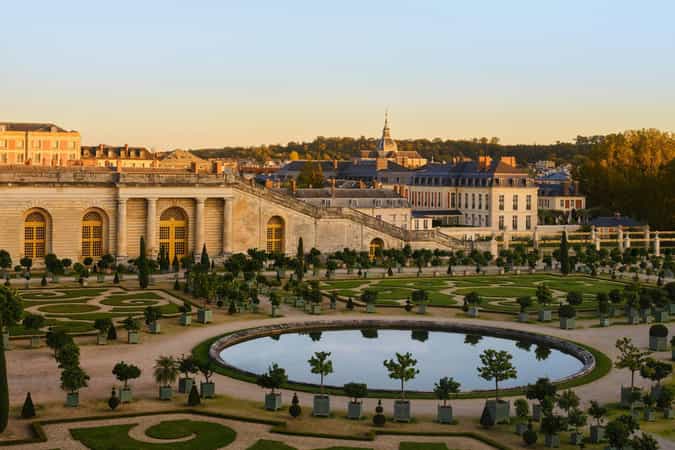
Louis XIV's finance ministers ran the royal accounts from this 1681 building, and the last of them, Jacques Necker, sat here working out how to bankroll the American Revolution (the street outside is still called Rue de l'Indépendance Américaine). It's now a hotel inside the gates of the Versailles estate, the only one of its kind. Airelles spent four years and a fortune putting the 18th century back: an 1788 inventory guided the furniture hunt, the staff wear period dress, and Alain Ducasse runs the kitchen. What you're paying for, really, is the palace after the crowds have gone home. Fourteen rooms, and that's the lot.
Loire Valley
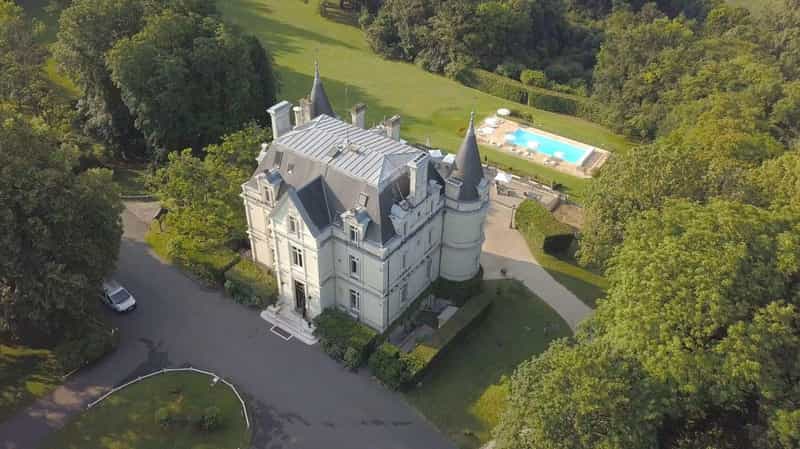
White turrets, steep slate roofs and a terrace looking down a green valley: this is a country-house hotel, comfortable rather than grand, and all the better for knowing it. Lawns fall away under cedars of Lebanon to the Indre, one of the Loire's gentler tributaries, and you can row on it. Dinner comes under the glass roof of the old orangery, with pigeon from Racan up the road and truffle when the season allows. Fires get lit in both salons, a billiard table waits by the bar, and nobody hurries you in the morning. Tours is fifteen minutes off, and the rest of the Loire Valley an easy drive.
Monaco
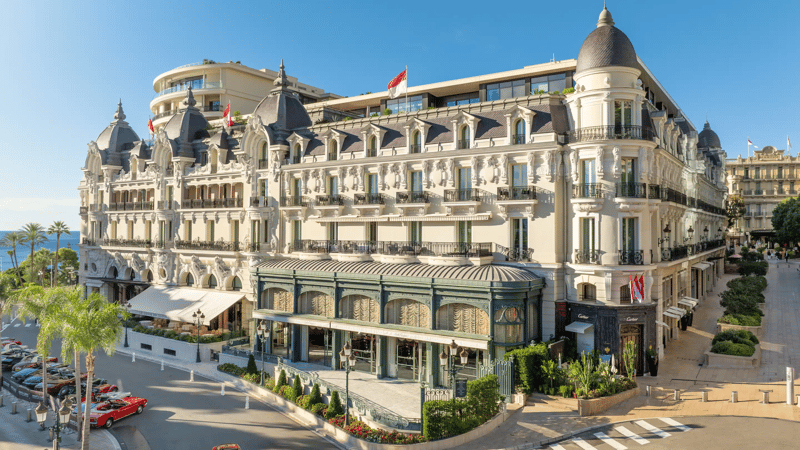
Monaco runs on luck and nerve, and nowhere proves it better than the Place du Casino where François Blanc built a casino and then, sensibly, a hotel grand enough to match it. And that hotel was the magnificent Hôtel de Paris, the anchor of the square ever since and an icon of Monaco. Instantly recognisable by its cream Belle Époque front and stained-glass dome (and usually a line of Ferraris and Rolls-Royces outside), it's the only hotel in Monaco to hold Michelin's top rating of Three Keys, and it earns every one of them.
Paris
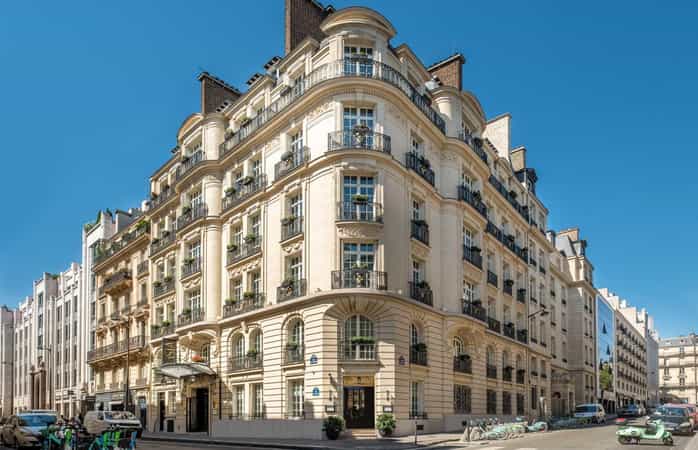
In the heart of the 8th arrondissement, right on the iconic Golden Triangle, the Elysia is in one of Paris' swankiest neighbourhoods, and it definitely lives up to expectations. A traditional Hausmann building on the outside, the inside is a temple of sophistication in various tones of cream, gold and bronze. Soothing, serene and utterly delightful. With only 39 rooms, the hotel feels eminently private and the service is outstanding. When you're not exploring, make use of the underground wellness area, complete with sauna, steam room and a hot tub, or enjoy tea in the exquisite Salon Bamboo - how very Parisian...
Provence
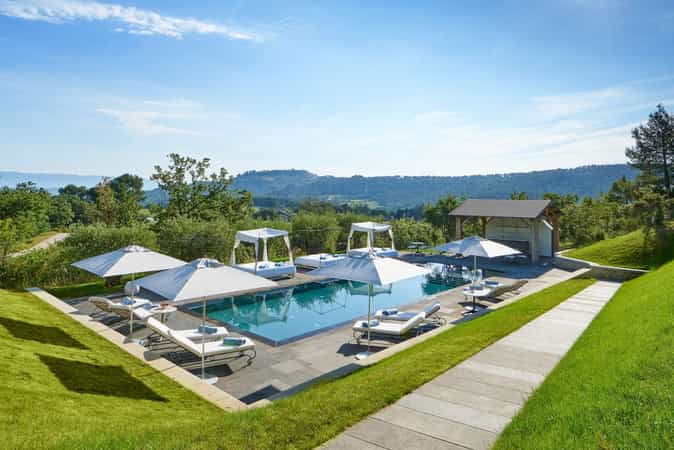
Honey stone and tall glass on a hill above a biodynamic vineyard outside Aix, each suite hidden behind a wall of its own. Step out of yours and the estate starts handing you things: a Tadao Ando chapel, a Frank Gehry music pavilion, Louise Bourgeois's spider crouched over a reflecting pool, Richard Serra's steel leaning into a hillside. Paddy McKillen, the Irish property developer who owns the lot, has spent two decades commissioning permanent work from Pritzker winners and blue-chip artists and setting it loose among the vines. The wine is made here too, and made very well. The art is public; the hotel very much isn't.
Loire Valley
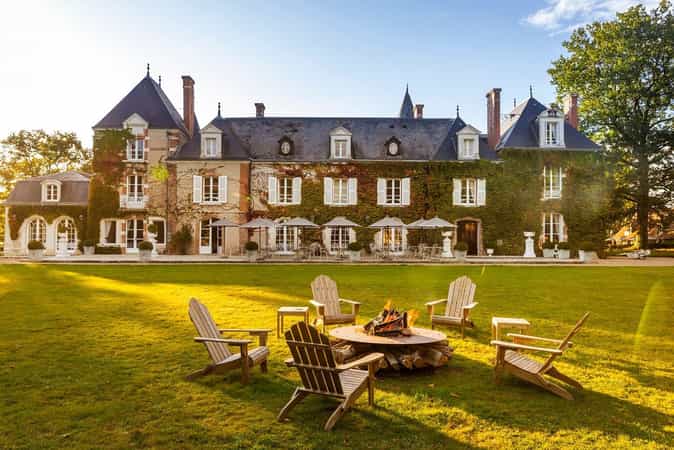
Creeper climbs the brick and stone here, so the whole front goes scarlet in October, and the oak woods behind are full of paths, two ponds you have to look for and dead-straight rides once cut for hunting. The Loire is a short drive south and invisible from every window, which makes the name aspirational. Inside runs to ebony bookcases, blue-grey walls and toile de Jouy, with candles and lit fires once it gets dark. The kitchen once held two Michelin stars and now holds none, and a chef in his late twenties is trying to win them back. Children are properly welcome, which is rarer than it ought to be.
Bordeaux
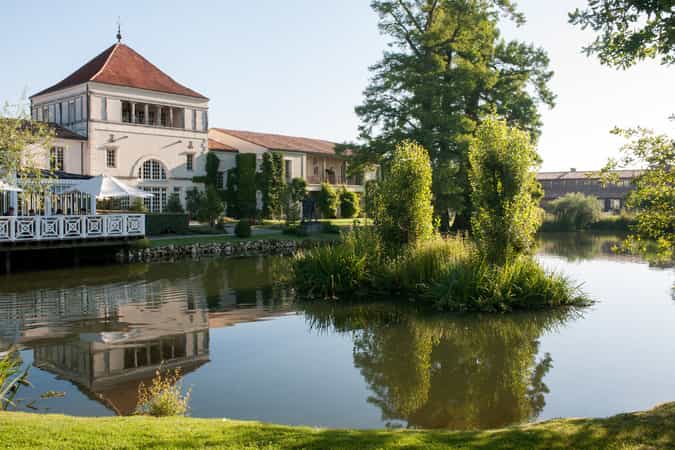
Ensconced by grand cru vines, barrel cellars and château gates, Les Sources de Caudalie is elegant French countryside living, personified. Built by the family behind Caudalie skincare, it's Bordeaux's only Palace-rated hotel and one of France's Three-Michelin-Key properties. The draw runs deeper than good wine, however, and the highlight is a spa fed by a hot spring, 540 metres underground with a list of treatments centred around the grapes next door. When you're finished being pampered, there are two-Michelin-starred restaurant to enjoy, and the vines of Smith Haut Lafitte just beyond the tree line. Come for the spa and stay for everything else.
Paris
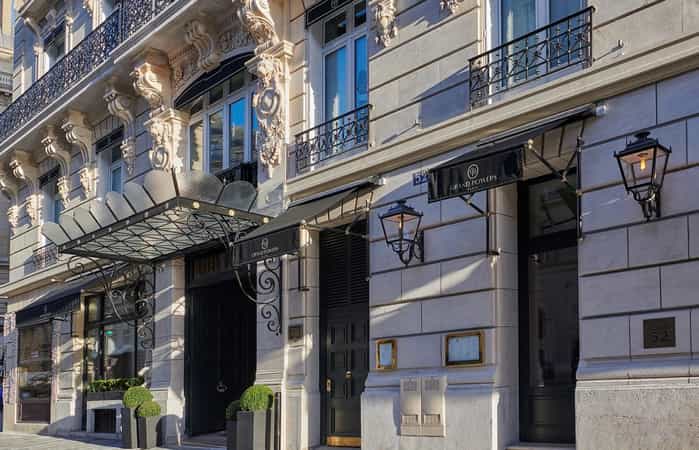
Perched on the corner of Rue François 1er since 1920, with Chanel, Dior and Céline amongst its discerning neighbours, the Hotel Grand Powers is polished, Parisian and absolutely beautiful. Art-deco on the outside and powder pink, celadon green and blue on the inside, it's a peaceful oasis in the Golden Triangle, and rooms are on the spacious side by Parisian standards (for all the shopping, we might guess). After long days, recuperate in the Thala Spa, complete with hammam, sauna and Jacuzzi, pull up a pew in Cafe 52 for a craft cocktail and excellent people-watching, or retire to your balcony and gaze at the Eiffel Tower twinkling ahead.
Provence
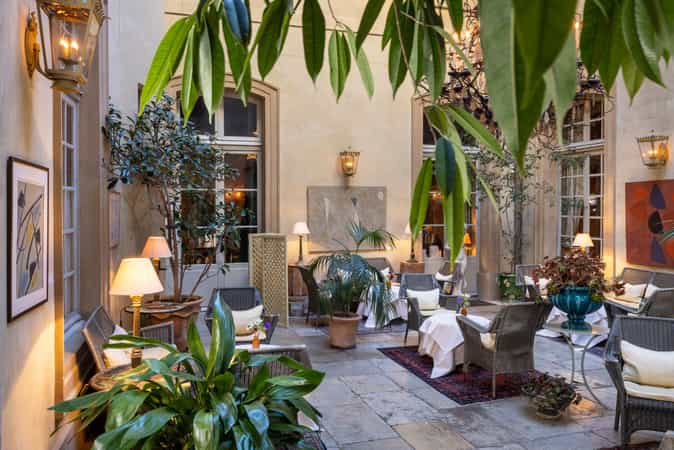
The Gothic bulk of the Palais des Papes rises directly across the lane from this cardinal's house, close enough to fill the bedroom windows. Inside, the Stein family spent three years layering antiques, silks and papers until it looked as though one household had been decorating since the popes left. Out back, a walled garden of fig trees and roses swallows the city whole. Add three restaurants and a cookery school in the old kitchen, and you begin to see why the cardinal chose the spot: Avignon, not Rome, was the seat of the papacy for most of the 14th century, and he wanted to live as close to the action as he could get. He got his wish. So do you.
Paris
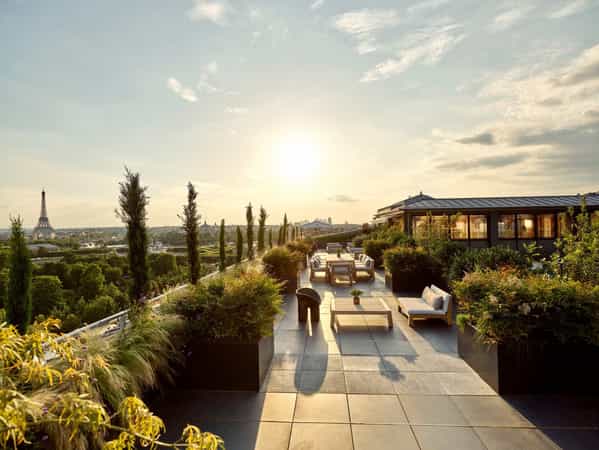
Founded in 1815 for British travellers and settled on rue de Rivoli since 1835, this is the oldest of the Paris palace hotels, and it carries the history lightly. Salvador Dalí kept a suite here for some 30 years and was allowed to paint the walls and bring animals in. Philippe Starck reworked the public spaces twice, so Grand Siècle plasterwork and gilding now share the building with Tulip chairs and a surrealist ceiling. In August 1944 the German governor of Paris ran the city from these rooms, then disobeyed the order to destroy it. Still standing and grander than ever, Le Meurice really shows off.
Paris
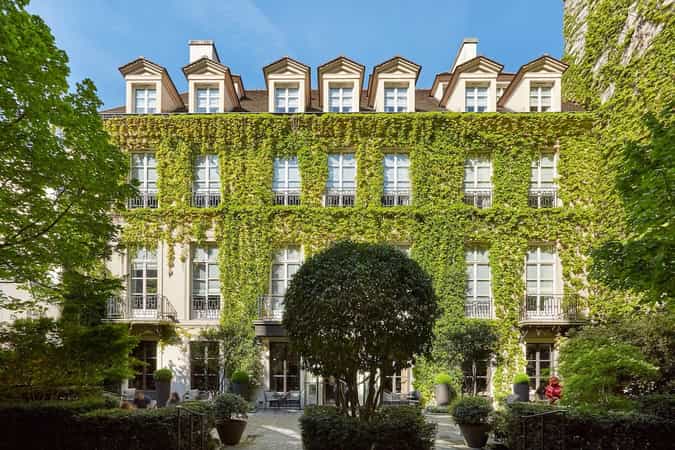
Place des Vosges was inaugurated in 1612, which makes it the oldest planned square in Paris, and this is the only hotel actually on it. You arrive through a passage into a private cobbled courtyard, ivy-clad and strung with lights, one step removed from the arcades. Inside, the rooms sit among exposed beams, marble mantels, gilded mirrors and copper-coloured velvet. Restaurant Anne holds a Michelin star across 20 covers. The Chevalier family have run the place for three generations and it shows in the details: an honesty bar with snacks, bicycles you can borrow, free parking (a small miracle in central Paris).


Namibrand, Namibia