We're one of the World's Best Tour Operators!
Named three years running in Travel+Leisure World's Best, including No.1 in 2024
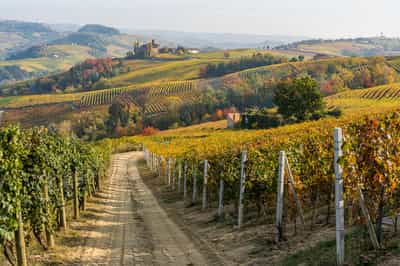
Sister regions either side of the Tanaro River, the Langhe and Monferrato roll across southern Piedmont in waves of vineyards, hazelnut groves and stone hilltop villages. And the greatest claim to fame? They are both considered some of Italy's finest grape-growing regions. Langhe is home to Barolo and Barbaresco (and the Nebbiolo grape produces reds with serious backbone). Nearby Alba is the home of the white truffle, dug up by trifolau and their dogs in autumn forests, whilst Hilltop villages like La Morra, Monforte d'Alba and Neive are all about cellar visits accompanied by plates of tajarin pinched into being by hand. Cross over into Monferrato and the pace slows right down: fewer tourists, sleepy villages built from honey-coloured pietra da cantoni, and the curious infernot, tiny cellars hand-dug by farmers and now UNESCO-protected in their own right. Idyllic or what?
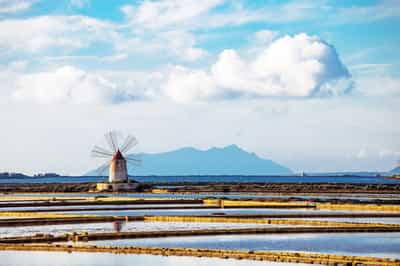
Curling into the sea on a sickle-shaped promontory (legend has it that Demeter dropped her sickle here while searching for her daughter Persephone), Trapani is right on Sicily's far western tip, with a distinctly North African streak running through its cooking. Wander the old town's pedestrianised streets and Baroque piazzas, then settle in for a plate of fish couscous, a nod to the city's Tunisian influences, or busiate pasta with the local almond-and-tomato pesto. Just south of town, old windmills rise above the salt pans that fuelled the local economy for centuries, and they are at their prettiest at sunset. Trapani also makes a superb base for day trips: ride the cable car up to Erice, a medieval hilltop village 751 metres above the sea, or hop on a ferry to the Egadi Islands: Favignana is the biggest and busiest, with its old tuna works and turquoise Cala Azzurra; Levanzo is car-free and barely populated; and Marettimo is further out and wilder, all sea caves and goat tracks and almost no traffic whatsoever.
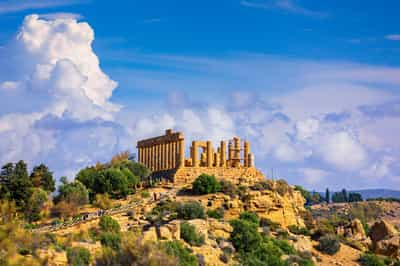
Stretched along a limestone ridge above the sea, the Valley of the Temples is home to Sicily's most spectacular collection of Greek temples, seven of them built in the 5th and 6th centuries BC. The remarkably intact Temple of Concordia is the showstopper (visit in the early morning to see it glowing gold) while the Temple of Juno on the eastern hilltop still bears the marks of the fire set by Carthaginian invaders in 406 BC. Arrive at opening time to have it more or less to yourself, then retreat from the heat to the Kolymbethra Garden, a former Greek fish pond now shaded by blood orange, lemon and bergamot trees and aeons-old olives. Then, follow the coast west to the Scala dei Turchi, a dazzling white cliff carved by wind and waves into giant steps or continue to Selinunte, where more Greek temples are perched right beside the sea. By dusk, find a table with a view of the floodlit temples and settle in with a glass of Nero d'Avola…


Namibrand, Namibia