We're one of the World's Best Tour Operators!
Named three years running in Travel+Leisure World's Best, including No.1 in 2024
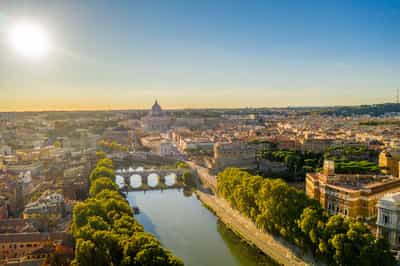
Exquisite, 17th century Bernini fountains and Renaissance piazzas buzzing with Vespas; archaeological ruins and haute couture; church bells and waiters balancing trays of espresso… Where else could you be but Rome? With millennia’s worth of history, the capital city’s big ticket items are worthy of every exclamation – Vatican City, the Colosseum, the Pantheon and just about any corner of the historic, UNESCO-listed centre – but it’s when you get stuck into the bits in between that the fun really begins. We’re talking savouring a cacio e pepe at a linen-draped table in Testaccio and slurping gelato as you wander; perusing antique dealers in Monti before aperitivo and dinner in a candle-lit trattoria; or even detouring out of the city to Tivoli’s Renaissance villas and the beautiful harbour town of Ostia Antica. Rome is big, frantic and hurried, but live like a local (with very good taste) and you’ll see a different side to the usual tourist trail.
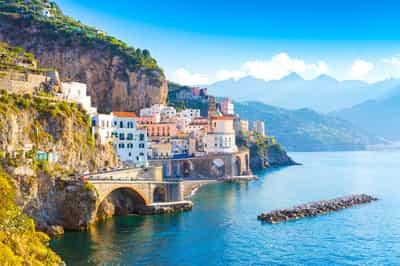
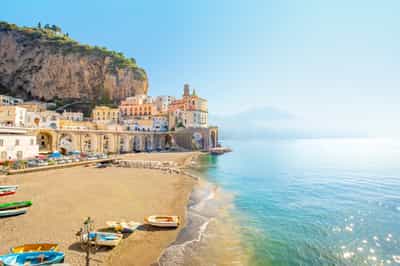
Craggy, breath-taking and riddled with beaches, candy-coloured umbrellas, hidden coves and golden sun worshippers, the Amalfi Coast is one of the Med’s glitziest destinations. A series of hairpin bends (complete with whizzing vespas) link one village to the next, their sun-bleached houses and lemon-strewn gardens tumbling down to the ocean below. From the household names of Positano, Salerno and Ravello, where the yachts dot the harbours and an Aperol is never far away, to the lesser-known towns of Atrani and laid-back Praiano, each is unique in its charms and achingly beautiful. When you’ve finished working your way through the sea of irresistible restaurants, there’s plenty to see and do too from boat trips and cooking classes to hillside wine tastings and visits to Amalfi’s striped Duomo – as well as a little shopping for colourful ceramics and bejewelled sandals, of course.
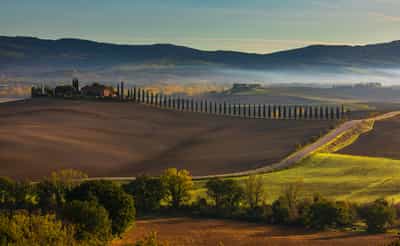
Exactly how you might picture rural Italy, Tuscany’s panoramas will seduce you in a haze of olive groves and world-renowned wine. Florence, the birthplace of the Renaissance, sets the scene with its outstanding art and la dolce vita, before the Val d’Orcia — a UNESCO cultural landscape — ripples to the horizon in a stream of wheat fields and cypress-ruled ridges. Completing the bucolic scene are the hilltop towns of Montepulciano and San Gimignano (and so many more), the vines and villages of Chianti, and ochre-hued Siena and its shell-shaped Piazza del Campo. So far, so painting-worthy. But there’s also Montalcino’s revered Brunello estates where Italy’s most magnificent red wines are aged, and the coastal contrasts: Maremma in the south (long beaches and sunflower meadows) and the Versilia Coast (marble-white sands a stone’s throw from Lucca). And we still don’t think we’ve mentioned everything…
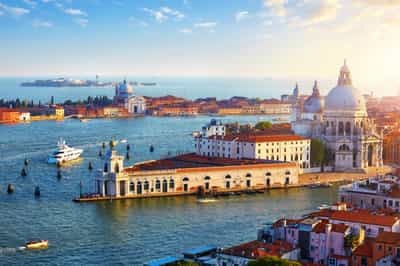
Built across more than 100 tiny islands in a shallow lagoon, Venice, or the ‘Floating City’, is a place like no other. Stitched together by canals, bridges and narrow walkways, gondolas and vaporetto boats glide along the Grand Canal past Gothic-style homes and palaces and under the graceful Rialto Bridge. On land, the Piazza San Marco and its magnificent Basilica is high on any visitor’s list, but one of the best ways to spend a day in Venice is to get lost in the maze of barely-there pathways and quaint bridges. Step inside a bacaro for a glass of ombra wine and a plate of cicchetti, browse tiny workshops where artisans still make masks, paper and glass by hand, and discover the quieter churches and galleries, where Venetian masterpieces hang without the crowds. Venice may be one of the world’s most famous cities, but its charm and romance are utterly captivating.
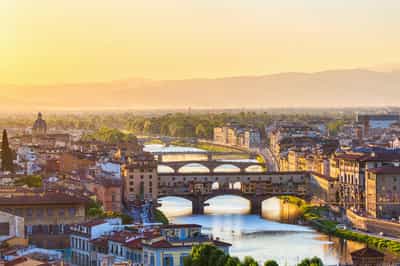
The capital of Tuscany and the cradle of the Renaissance, Florence is one of those cities you think you know… until you stand under the Duomo’s terracotta dome and realise how utterly beautiful it really is. Red tiles and cobbled streets; the Cathedral of Santa Maria del Fiore and the Uffizi; Michelangelo’s David and Botticelli’s Birth of Venus; frescoed chapels and marble courtyards – the art, architecture and history is almost unbelievable. But there’s also the present: the goldsmiths of the Ponte Vecchio, leather artisans rubbing shoulders with ice-cool fashion on the Via de’Tornabuoni, and the buzz of the Mercato Centrale. You could spend weeks here and barely scratch the surface, but if you catch the late-afternoon light shimmering on the Arno, before settling in for a charred bistecca alla Fiorentina in a tucked-away trattoria, you’ll understand exactly why Florence still holds the world in its thrall.
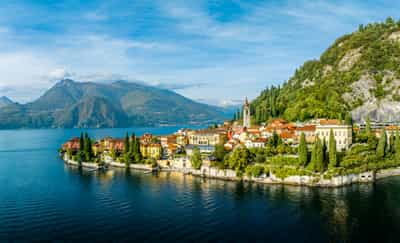
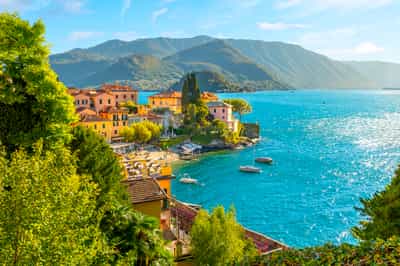
A hideaway for poets, aristocrats and a few Hollywood movers and shakers, Lake Como is dramatic, theatrical and very, very beautiful. Its narrow, branching Y-shape creates steep wooded slopes that drop sharply into intensely blue water, the towns — Bellagio, Varenna, Menaggio — carefully dotted in between. There’s a real hint of the Roman here, and the neoclassical estates and tiered wedding-cake gardens that cling to the shore are no less fabulous than they were centuries ago. The five-star hotels are numerous and legendary, and as much a part of Como as the scenery, especially when you’re on the terrace, spritz in hand. But the best way to admire the cinematic landscape is undoubtedly from the water, cruising on a traditional, Venetian-style vessel or an elegant Riva boat before arriving back to land for sunset.
Nowhere feels more quintessentially Tuscan than the Val d’Orcia. A UNESCO World Heritage Site, the valley is an almost impossibly perfect scene of wheat fields, vineyards and scattered Renaissance towns, each more beautiful than the last: Montalcino and its Brunello estates and fortress views; Montepulciano and its barrels of Vino Nobile; and Pienza, designed in the 15th century as the “ideal city” and still known for its pecorino cheese, best tasted warm and freshly cut. The largest of the towns is ochre-hued Siena, one of the most finely-preserved medieval cities in Italy and divided into seventeen neighbourhoods or ‘contrade,’ each with its own coat of arms and traditions, making every wander a foray into a new world.
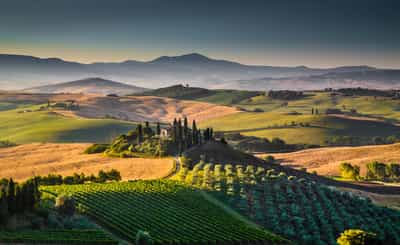
Separated by a narrow stretch of sea, Sicily is worlds apart from the mainland. It’s the kind of island where stress feels out of place, helped along by the stunning scenery in every direction, full of mountains, searing blue seas and flaxen sands. The island itself was ruled by many nations over the years, influencing everything from architecture to the cuisine, and Greek temples sit next to perfectly-preserved Baroque paintings and glittering Arab-Norman mosaics. Whenever the opportunity arises, take a moment to sample the island’s signature dishes including caponata, gambero rosso (raw red prawns) and cannoli filled with creamy ricotta – and in Palermo, pay a visit to one of the many markets, piled high with swordfish, citrus and arancini. Inland, almond trees and pistachio groves abound and a visit to the adored hillside town of Taormina and nearby Noto is a must. And then there are the hotels. You’ll find sprawling five-star residences that are every bit as White Lotus as they sound, designer boutiques and guesthouses that will thrust you into the heart of Sicilian family life (and the cucina).
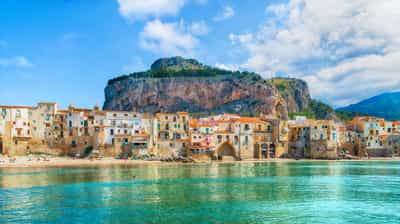
Forming the sun-drenched heel of Italy’s boot, Puglia is a stretch of silvery olive groves, fertile farmland and a crashing coastline that stretches for hundreds of kilometres. Across the countryside, distinctive trulli houses – round stone huts with cone-shaped roofs – dot the landscape around UNESCO-listed Alberobello, while hilltop towns like Ostuni gleam brightly in the sun. Along the coast, Polignano a Mare perches dramatically on limestone cliffs, and the handsome Baroque city of Lecce, the “Florence of the South”, dazzles with honey-coloured churches and ornate palazzi. This is a place where life unfolds slowly and days are leisurely… We’re talking long lunches beneath pergolas, swims in hidden coves and evening passeggiatas through the old piazzas. Oh and when it comes to cuisine, it’s best to leave your preconceptions at the door and embrace Puglia’s distinct dishes like orecchiette pasta with turnip tops…
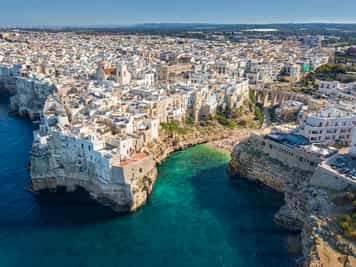
Rising vertically from the Tyrrhenian in a sweep of limestone cliffs, summits and hairpin bends, Capri has been seducing visitors since Emperor Tiberius built his villas here nearly 2,000 years ago. The glamour is real — polished piazzas, tailored linen, upscale hotels and the design-forward boutiques of the Via Camerelle — and the iconic image of Jackie O in her white kaftan and dark sunglasses is a perfect shorthand for the jet-set. But behind it, you’ll find a blend of history, nature and worldliness. The Faraglioni rock stacks pierce the sea just offshore, Monte Solaro is all about wind-brushed panoramas, and the Blue Grotto still glows an electric shade when the light hits. Capri town brings theatre and people-watching; Anacapri feels calmer and a little more residential, with labyrinthine lanes and shady gardens. Come for the drama, stay for the detail – and perhaps a very good martini at sunset.
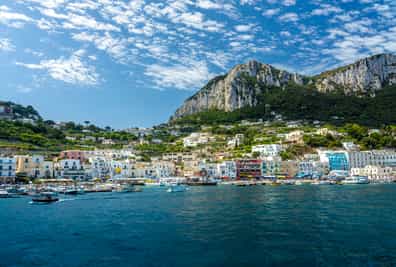
At roughly 370 square kilometres, Lake Garda is the largest of Italy’s lakes and its wide shores are laidback and distinctly unfussy. In the north, pretty limonaie and lemon groves thrive beneath the Dolomites in a glorious microclimate of their own (in fact, the lake is generally milder and sunnier year round than its neighbours). Olives are also grown up here, and the resulting oil is delicate and fragrant – the perfect accompaniment to a long lunch of fresh lake fish. Sailors and windsurfers take advantage of the steady breezes in the north, whilst hikers and cyclists will be kept busy on the hilly trails. On the southern shores, it’s all about elegant promenades and pretty towns, including Sirmione with its Roman ruins and medieval castle, and some of the country’s hottest new restaurants…
_.jpg)
“Best-kept secret” is a cliché of the terrible travel brochure kind, but, maybe Bologna really is? The rust-red city is home to the oldest university in Europe, 21 medieval towers, the unfinished Basilica di San Petronio, bars serving espresso by day and Negroni by night and, at almost 60 kilometres long, the longest trail of arched porticoes in the world. There’s also an excellent Modern Art museum and fabulous views of the lush Apennine hills from the Asinelli Tower, but it’s in the kitchens that Bologna really comes alive. Here, ragù is folded through tagliatelle (and don’t call it bolognese!), tortellini are served in broth, and juicy mortadella is sliced thick and served alongside nutty Parmigiano Reggiano and boards of focaccia. Straight to Piazza Maggiore it is…

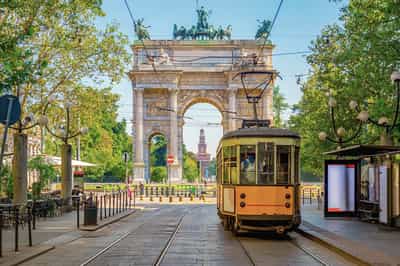
A place to dress well and eat exceptionally, Milan is the economic and fashion capital of Italy. Yes, it might not compete with the Romes and the Venices, but with the Duomo, the third largest Gothic cathedral in the world, dominating the skyline, the chance to see Leonardo da Vinci’s masterpiece, The Last Supper, and the great La Scala opera house, it can certainly offer a dose of the cultural. And then, the modern. All of the world’s haute-couture houses have their flagships on the Via Monte Napoleone and whether you’re interested in a new handbag or not, they’re worth an ogle, as are the art galleries and design studios in Brera. In the evening, Navigli is the spot for cocktails and people-watching – and then it’s time for dinner. Milanese take their food seriously and you’ll be spoilt for choice for restaurants to feast on saffron-rich risotto alla Milanese and ossobuco slow-braised to perfection.
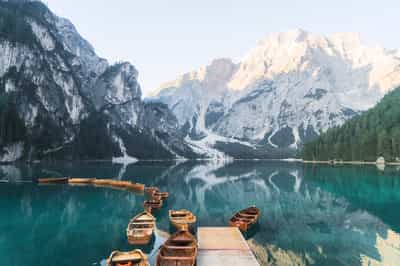
Dazzlingly white against their backdrop of green valleys and meadows, the Dolomites are a collection of pale limestone towers, UNESCO-listed and famous for glowing pink at sunset. Picturesque villages nestle in the valleys and German and Italian traditions intermingle (locals are bilingual), creating a unique culture – and cuisine – of hearty Alpine-ness and a delicate Italian finesse. In summer, the air is crisp and fragrant, wildflowers bloom and the hiking trails come alive. Come winter, Europeans and visitors flock for famous Dolomiti Superski, a mammoth 1,200-kilometre area of ski runs via 450 lifts – the Sella Ronda is the most iconic – and the gorgeous, wood-panelled hotels that glow against the snow. Whether you’re zooming down the dramatic pinnacles or simply sipping grappa in a cosy mountain rifugio, the Dolomites deliver mountain magic in spades, yet with that unmistakable Italian panache.
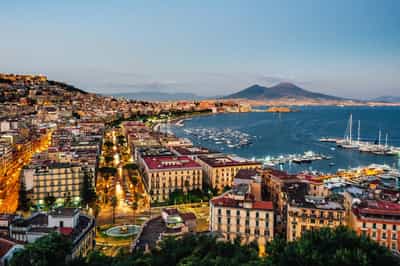
Laundry strung between balconies, zipping scooters and Mount Vesuvius rising in the distance… Welcome to Naples! It’s multi-layered and full volume and you’ll either love or hate the grit, the grime and the contrasts. But, even if you have to look a little harder for them, the rewards are there, from the Duomo and the relics of San Gennaro, to an archaeological museum with treasures from Pompeii, Teatro San Carlo, and the Caravaggios that hang in shadowy churches. Neapolitans are also obsessed with food, and we don’t just mean tri-coloured ice cream and pizza (although the latter is still the finest you’ll ever eat). Start the day with a coffee and then the choice is yours: friarielli, cuoppo and Frittatina di Pasta from the market, followed by a long-simmered ragu and Pasta alla Genovese, all topped off by a sugar-dusted sfogliatella.
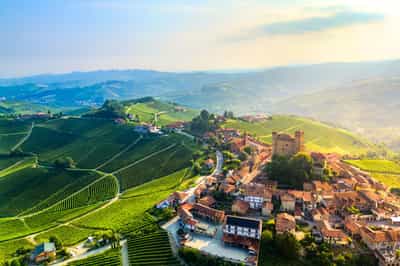
A tapestry of vine-coated hills (more on those later) and medieval castles that you can actually stay in, Piedmont is nothing if not picturesque. Surrounded on three sides by the French and Swiss Alps, the region swings from tree-lined Turin, Italy’s first capital, to pretty towns that wouldn’t look out of place in a Disney movie and the grand villas of Lake Maggiore. In the centre, the Langhe rolls out in rows of vines that produce Barolo and Barbaresco, bold reds and some of the country’s most serious wines. And it just wouldn’t be Italy if there wasn’t something suitably delicious to combine with your glass. Here, it’s most likely to involve Alba’s famous white truffles, so prized they’re shaved like treasure over tajarin pasta in the (many) Michelin-star restaurants, or rich, hazelnut-dotted gianduja. It might be a little different to the rest of the country, but Piedmont is a region that deserves to be savoured just as slowly.
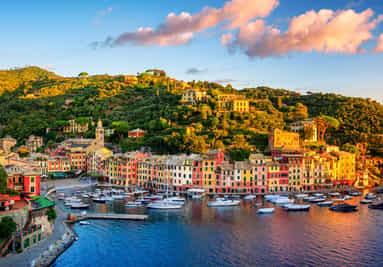
Small enough to stroll across in minutes but famous around the world, Portofino is one of the Italian Riviera’s most stylish addresses. The village curves around an idyllic harbour where candy-painted houses, fishing boats and glossy superyachts share the same stretch of water, but life revolves around the piazzetta: waiters in crisp shirts, sunglasses the size of saucers, and that wonderfully Italian pastime of sitting, sipping and watching the world go by. Behind the waterfront, narrow paths climb through olive groves and manicured gardens into the protected Portofino Natural Park, while out at sea lie hidden coves and the honey-coloured Abbey of San Fruttuoso, reachable only by boat or hiking trail. You could explore it all, of course, but Portofino is just as well enjoyed with a cold glass of something in hand and nowhere urgent to be.
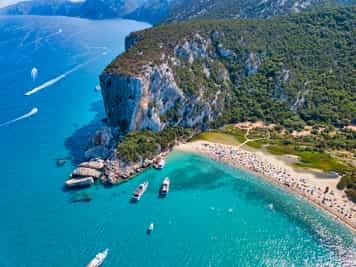
Glorious Sardinia, second only in size to Sicily and 120 miles off the toe of the ‘boot’, is an island full of surprises. On the northeast coast, the glamorous Costa Smeralda shimmers with yacht masts, billionaires and views from a Dolce & Gabbana perfume ad, but just a little further inland, life turns simple. Wild maquis blankets the hills and shepherds tend their flocks between pretty villages, and in the west, prehistoric nuraghi —mysterious stone towers — punctuate the landscape. Catalan-inspired towns like Alghero guard some of the island’s most exquisite beaches and in capital Cagliari, wanderings take you up steep hills and down to the shore. Life happens largely outdoors – long swims in Villasimius, hikes, and boat days along the rocky shoreline – or at the table: alfresco feasts of spit-roasted pig and slow-cooked lamb, ewe’s milk ricotta pasta, and plenty of mirto poured at the end of the night.
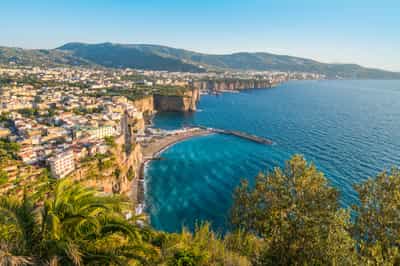
Perched along the white cliffs that plunge into the Bay of Naples, Sorrento has been luring travellers since ancient times — the Greeks believed the Sirens sang from the shores, tempting passing sailors towards the rocks. Today, it’s lemon groves and sweeping views that do the persuading and in fact, this is limoncello country, where heady citrus perfume drifts on the air and seafood arrives simply dressed with lemon, oil and salt. Wander the charming old town and the gelato-lined, restaurant-packed Piazza Tasso where artisan workshops still produce intricate inlaid wood, and then head to one of the cliffside restaurants to feast on locally-caught fish, a zesty Falanghina and full, fleshy olives. Then, when you're ready for a tad more action, take a ferry to the islands of Capri and Ischia, or enjoy a drive along the Amalfi Coast, accompanied by some of Italy's most postcard-worthy scenery.
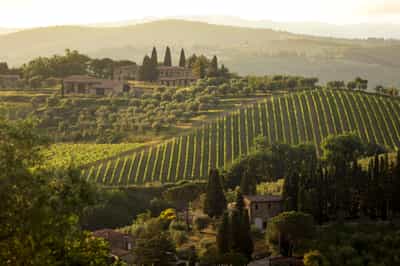
Few Italian wines are as instantly recognisable as Chianti, a bottle generously poured at trattoria tables around the world. And here, between Florence and Siena, is where the story begins. This is the heartland of Chianti Classico, the original zone established in 1716 and still identified by the black rooster seal on every bottle. Sangiovese grapes reign and the vineyards are all about livelihood and legacy, often attached to family-run estates that have been bottling since the 1700s, their cellars cool and barrel-lined beneath stone farmhouses. Villages like Greve, Radda and Castellina offer fabulous tastings in tiny enotecas and in between, you’ll find serious olive oil producers and butcheries specialising in cinta senese pork. The scenery is beautiful (this is Tuscany, after all), but a visit to Chianti is less about view-gazing and more about tasting iconic vintages and understanding this incredible craft.
Shaped by ancient glaciers and framed by the spiky peaks of the Alps, Italy’s northern lakes have long been a retreat for those seeking a touch of elegance with their mountain air. First up, Lake Como. Plunging to over 400 metres in depth, the water stretches out in a distinctive inverted Y, its slopes dotted with neoclassical villas and tumbling gardens draped in bursting bougainvillea and cypress trees. Over at Lake Garda, the largest in Italy, things get a little more varied, with lemon groves in the north and beautiful lakeside promenades further south. And in the middle of it all is Milan, tying the bucolic lake scenes together with its gothic spires, contemporary design studios, and fabulous dining scene. Days in the north are easy and peaceful: ferry crossings (or private charters) between small towns, long, languid lunches beside the water, gardens in full bloom, and evenings below the mountains and a sky bedecked with stars… And maybe even a glimpse of George Clooney?
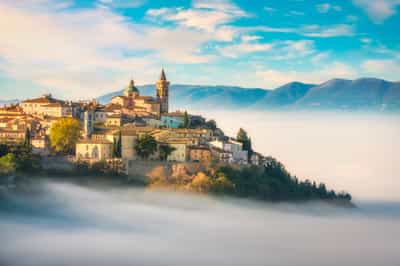
Perched atop a hill in the heart of Umbria, this ancient city wears its history like a well-tailored suit – comfortable, distinguished, and utterly captivating. Underground escalators whisk you through Etruscan ruins straight into a labyrinth of narrow medieval streets where Renaissance palaces rub shoulders with bustling student cafés. The grand Piazza IV Novembre pulses with local life, while the imposing Palazzo dei Priori houses artistic treasures that would make Florence jealous. Chocolate aficionados will find paradise at the annual Eurochocolate festival, where the city's famed Baci chocolates take center stage. But beyond the sweet temptations lies a city of intellectual vigor, home to one of Italy's oldest universities and a renowned jazz festival that transforms summer evenings into musical magic.
Beyond the vineyards, Tuscany unfolds into the Tyrrhenian Sea and the gin-clear waters of Isola D’Elba, an island that’s smaller than Sardinia, quieter than Capri and where the locals go for a spot of sea and sand. Pine-laden hills tumble down to the water, while historic villages cling to rugged cliffs. The beaches – all 70 of them – range from pristine stretches of gold to hidden pebbled coves accessible only by boat, the occasional waterfront trattoria serving the morning’s catch. Inland, Monte Capanne rises to just over 1,019 metres with hiking trails that offer up dreamy views of the Tuscan Archipelago (as lovely as it sounds) as you stroll. History buffs can delight in following Napoleon's brief exile here, but Elba today is less about history and more about swimming before breakfast, sailing between hidden bays and devouring plates of fresh seafood.
.jpg)
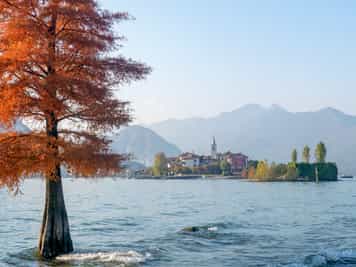
Stretching across Piedmont, Lombardy and even into Switzerland, Lake Maggiore is all about the quiet life (and definitely no celebrity spotting). It’s characterised by glacial mountain peaks and cold, deep, blue water, yet the camellias, azaleas and palms that spill from the terraces are a reminder of the surprisingly mild Mediterranean microclimate. Along the banks are grand villas and Belle Epoque hotels, charming towns and simple trattorias, and at the centre are the Borromean Islands, owned for centuries by one aristocratic family and still fabulously theatrical. Take a ferry from Stresa and hop between them; Isola Bella and the 17th century Palazzo Borromeo with its 10-tiered, peacock-filled gardens is Italy at its extravagant best, whilst Isola Madre is bountiful and botanical, and Isola dei Pescatori remains delightfully lived-in.
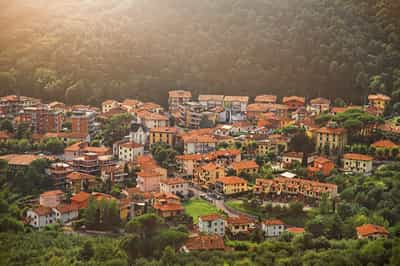
Once the playground of European aristocracy, this thermal spa town retains all its art nouveau swagger with none of the stuffiness. Picture palm-lined boulevards, Liberty-style architecture dripping with frescoes, and mineral-rich waters that have been drawing the health-conscious (and hypochondriacs) since Roman times. But scratch beneath the genteel surface and you'll find buzzing aperitivo bars, fantastic restaurants that locals actually frequent, and a funicular railway that whisks you up to medieval Montecatini Alto for sunset views. It's wellness with a wink – therapeutic waters by day, Tuscan wines by night.
You may not know Campania by name, but you will certainly know its coastline – the Amalfi. An impossibly glittering sea, lemon-infused breezes, bowls of spaghetti alle vongole and irresistible hotels that have defined Italian glamour for decades, Positano, Ravello and Amalfi are the epitome of la dolce vita. Beyond the beach, Mount Vesuvius protrudes on the horizon, its volcanic soil nourishing everything from San Marzano tomatoes to citrus groves, while Naples hums with scooters, street markets and pizza. From here, the region radiates outwards: to Pompeii and Herculaneum, astonishingly preserved snapshots of Roman life; to Sorrento, a pretty perch between city and sea; and just offshore, to the islands of Capri and Ischia, one glossy and panoramic, the other lush with thermal springs and gardens.
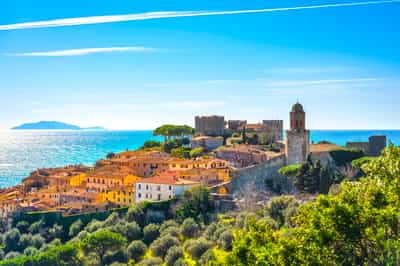
Maremma is the version of Italy that the locals keep for themselves. In fact, the sweep of coast on Italy’s western edge is a bit like Tuscany on a summer holiday, its sleeves rolled up, and much less manicured. Along the coast, the mood is wild and wide with enormous stretches of sand backed by dunes and umbrella pines. At Castiglione della Pescaia, the beaches sit beneath a medieval hilltop town, while further south, Monte Argentario rises in a rocky headland from the Tyrrhenian Sea, the harbour towns of Porto Ercole and Porto Santo Stefano offering the perfect spot for seafood and a glass of Morellino di Scansano. Then, there’s Maremma Natural Park. Stretching for miles along the protected shoreline, it’s patrolled not by lifeguards but by the butteri, Italy's last cowboys, who've ridden these plains since Etruscan times and once famously outperformed Buffalo Bill's troupe in Rome.
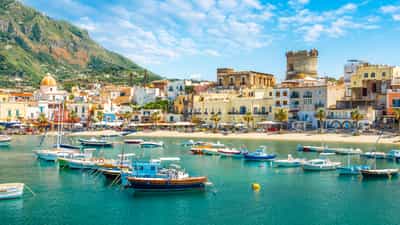
If Capri gets the flashbulbs, then Ischia gets the insiders. A 17-square-mile volcanic dot in the Gulf of Naples, it’s lesser-known, a little bit retro and begs exploring, especially to the famous mineral-rich thermal hot springs. At Sorgeto, steam rises from the rock and springs bubble through the sea, but for a true spa experience try Negombo or Giardini Poseidon, wellness parks that are fed by natural springs. All this fertile, volcanic soil also means gardens of surreal blooms and lush displays and plenty of vineyards producing the local Biancolella, best sampled over a long, undisturbed lunch. Inland, the mighty Monte Epomeo is the main attraction (and well worth a hike), while the coast is watched over by Aragonese Castle and dotted with towns and villages of whitewashed houses, quirky shopping (without a Gucci in sight) and nonnas hanging out their laundry.
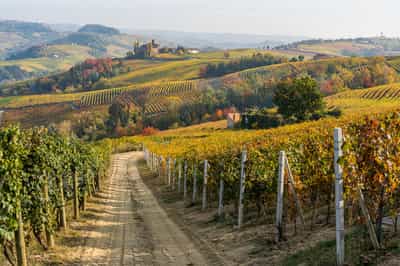
Sister regions either side of the Tanaro River, the Langhe and Monferrato roll across southern Piedmont in waves of vineyards, hazelnut groves and stone hilltop villages. And the greatest claim to fame? They are both considered some of Italy's finest grape-growing regions. Langhe is home to Barolo and Barbaresco (and the Nebbiolo grape produces reds with serious backbone). Nearby Alba is the home of the white truffle, dug up by trifolau and their dogs in autumn forests, whilst Hilltop villages like La Morra, Monforte d'Alba and Neive are all about cellar visits accompanied by plates of tajarin pinched into being by hand. Cross over into Monferrato and the pace slows right down: fewer tourists, sleepy villages built from honey-coloured pietra da cantoni, and the curious infernot, tiny cellars hand-dug by farmers and now UNESCO-protected in their own right. Idyllic or what?


Namibrand, Namibia