We're one of the World's Best Tour Operators!
Named three years running in Travel+Leisure World's Best, including No.1 in 2024
Takayama
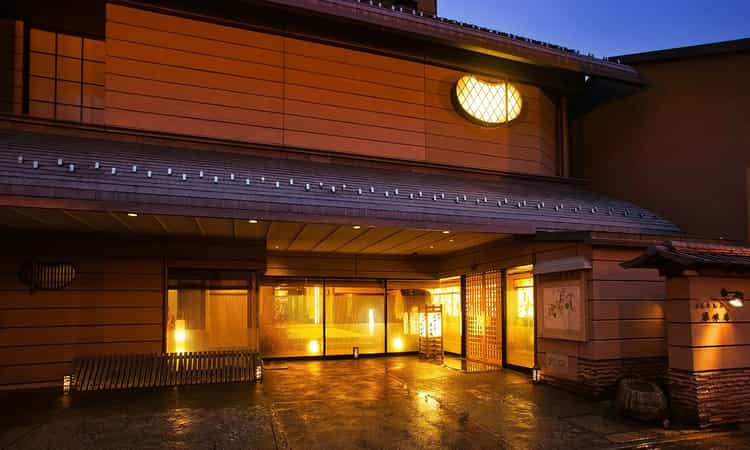
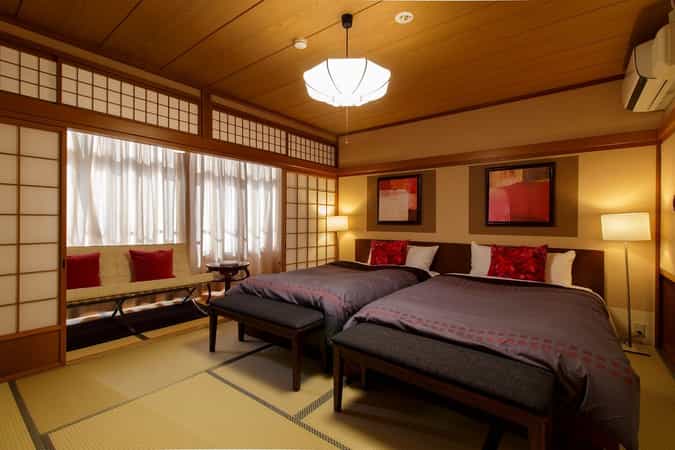
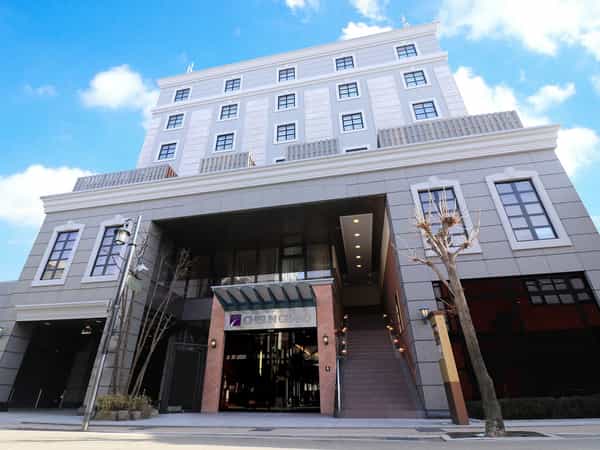
Honjin Hiranoya Kachoan is a high-quality relaxing space for adults, nestled in the old townscape of Hida Takayama. Guests can enjoy a comfortable stay as they immerse themselves in the hotels peaceful and tranquil atmosphere. Guests can also explore the various areas around the town as well as enjoy local delicacies at the towns restaurants, known for it's Hida beef as well as Takayama ramen.
Takayama
Takayama
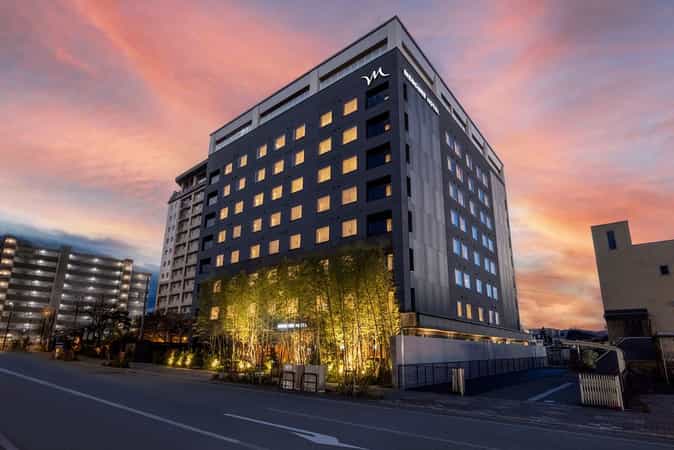
Mercure Hida Takayama is just a 5-minute walk from Takayama Station, giving you exceptionally easy access to tourism in Hida Takayama! At Mercure Hida Takayama you are invited to enjoy the hot spring baths and to relax your muscles in their calming waters. Delight in the hotels cuisine made with seasonal ingredients and enjoy a luxurious experience that is truly unique to this hotel.
Takayama
Takayama
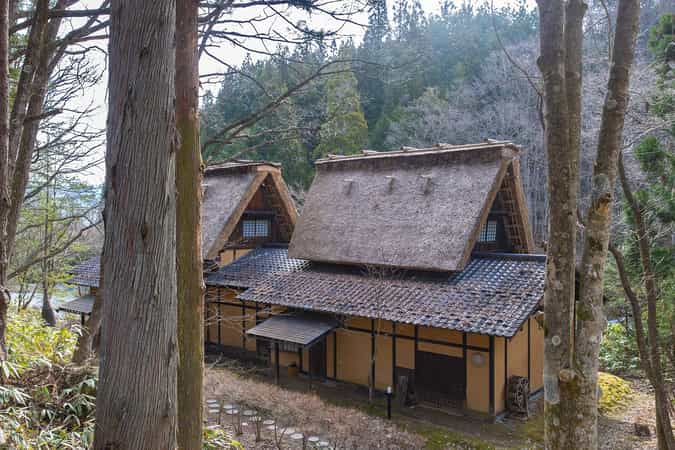
A village hidden in the mountains of Hida, borrowing the landscape of Mount Norikura
Takayama City in Gifu Prefecture ranks as the city with the largest area in Japan. It has been famous as a city in the mountains with a flourishing culture of town people, but in the south of the downtown there is "Wanosato", embraced by sacred mountains, with the Miyagawa river valley at our feet.
Nature has been left untouched on the most of the vast grounds of approximately 45,000 sqm, allowing guests to enjoy each moment in any season. All the eight unique guest rooms boast a sense of history and Japanese culture, and are built in the ways of Hida region to be cool in summer and warm in winter.
Dinner around the sunken hearth in the main building will feature local people eager to tell you a variety of folk tales. Please enjoy the stories about gassho-zukuri and Hida's history, about various cultural elements concerning plant and food culture, along with our traditional alcoholic beverage "kapposake".
Takayama
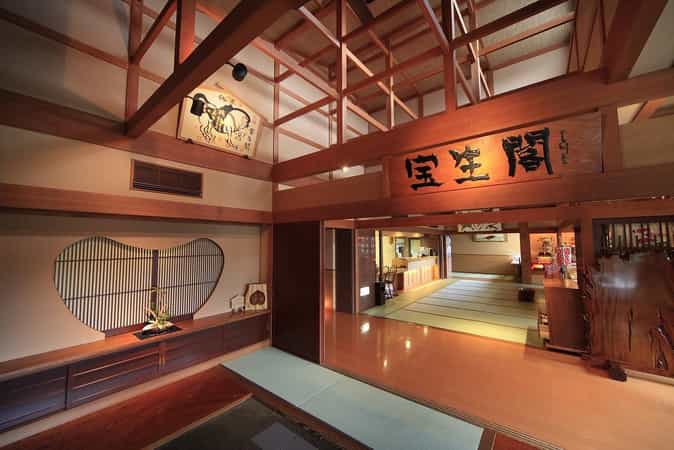
Standing on the hill leading to Shiroyama Park and the remains of Takayama Castle, surrounded by greenery, Hoshokaku is about three-minute walk from Jinya early-morning market, the old town and other popular sightseeing spots. An authentic Japanese style inn, it prides itself on its tranquil atmosphere. Upon entering the hotel, visitors’ eyes are drawn to the imposing ceiling beams and the tatami passageway leading off the hall. The Japanese-style rooms display the beauty and skill of Hida architecture and craftsmen, while the western and combined Japanese-western rooms offer luxurious comfort.
Matsumoto
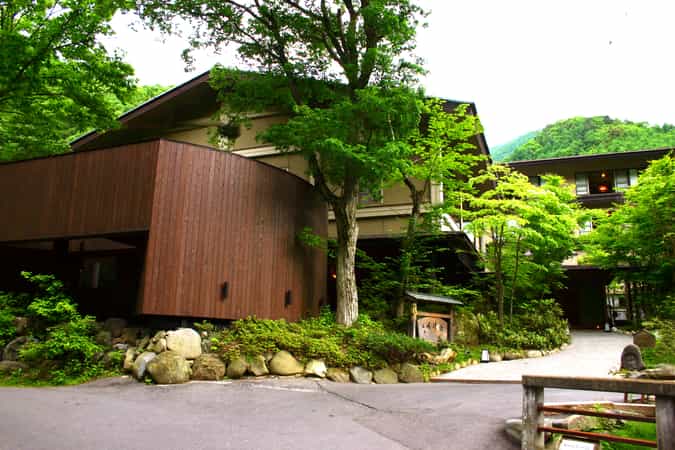
Thirty minutes above Matsumoto, tucked into the forest at 1,050 metres, Myojinkan feels genuinely otherworldly. The Saito family has welcomed guests here since 1931, and the mythology runs even deeper. In fact, local legend talks of gods that once came to these mountains to soak in the hot springs. With three communal onsen open around the clock, private baths in every room, and silence broken only by birdsong and the babble of the Susukigawa river, this is a place built entirely for slowing down. Unusually for a ryokan, there are two distinct restaurants – organic French and traditional kaiseki – both sustained by local ingredients.
Matsumoto
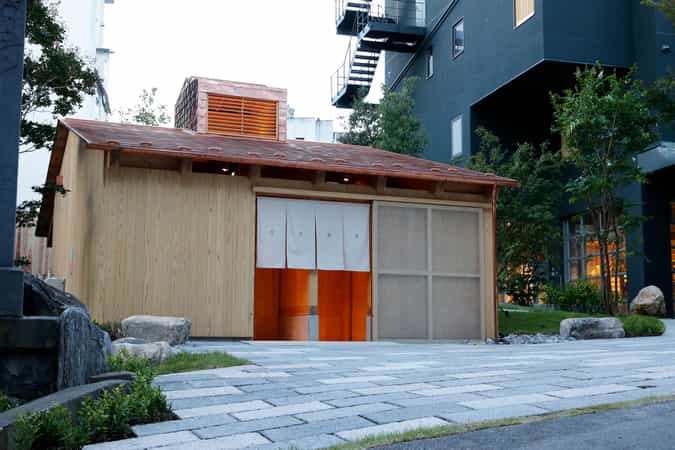
Matsumoto Jujo is the collective name for the revitalization project of Koyanagi, a long-established inn with a history dating back to 1686. Jujo means "ten stories." The name was chosen with the hope that visitors will experience various stories in this place, and that their own stories will begin here.
The premises include two hotels, "HOTEL Matsumoto Honbako" and "HOTEL Koyanagi," as well as a bookstore, bakery, shop, restaurant, and hard cider brewery. Outside the premises are two cafes, "Oyaki and Coffee" and "Philosophy and Sweets".
Matsumoto
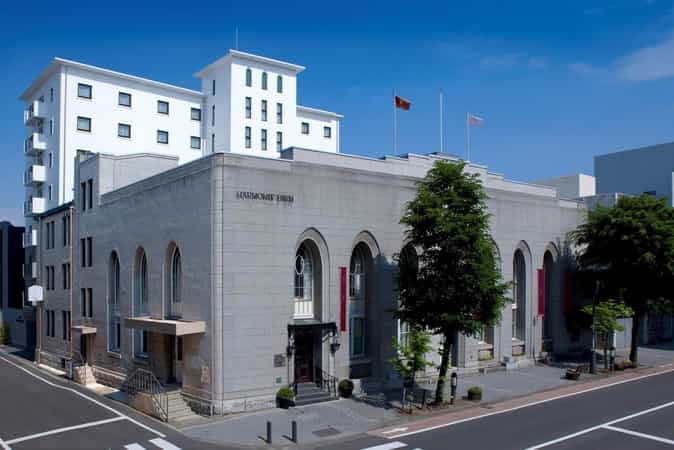
This hotel, located close to the Matsumo catle, has the perfect location for your stay. Their spacious guest rooms are designed for convenience and comfort, making them ideal for individuals as well as groups.
Matsumoto
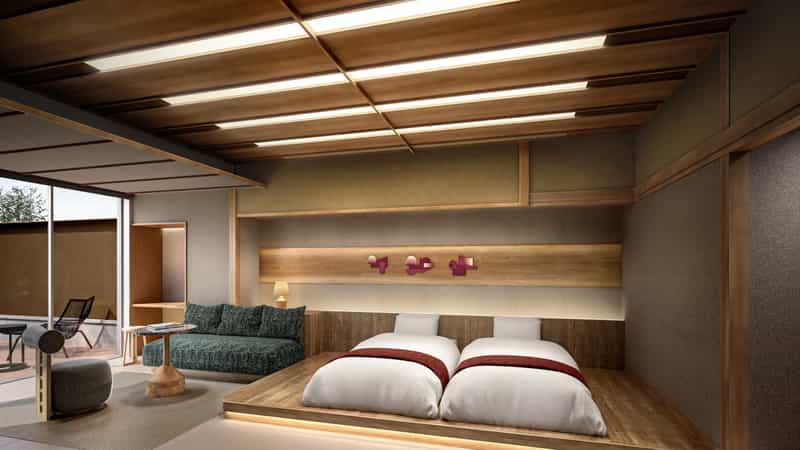
Matsumoto is Nagano's handsome castle town, home to one of Japan's oldest fortresses and, since 1992, an internationally renowned summer classical music festival that has stitched the city firmly into Japan's cultural map. On its quiet northern edge lies Asama Onsen, a bathing district so prized by Matsumoto's ruling lords it was nicknamed the 'inner parlour' of the city. KAI Matsumoto, Hoshino Resorts' polished spin on the ryokan, leans into both tales: live music plays in the lobby nightly, the rooms are built for listening, and dinner is a playful Italian affair matched to Nagano wines. It reopens in August 2026 after a full renovation.
Matsumoto
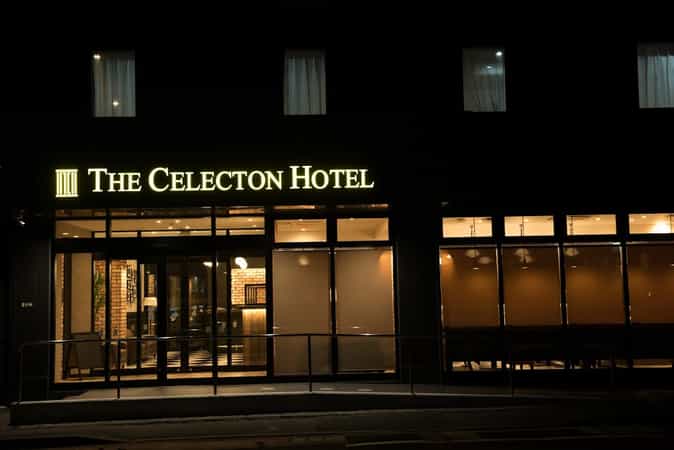
The Celecton Matsumoto sits within easy walking distance of Matsumoto Castle — and some rooms look straight out at it. The design are neo-vintage: exposed brick, warm wood, and interiors that feel more Brooklyn coffee shop than corporate Japan. It's a mid-range chain hotel, so nobody's coming here for a transformative experience, but it punches above its weight with a communal bathhouse, a bakery-style breakfast, and Serta beds that do exactly what you need after a day in the Japanese Alps.
Osaka
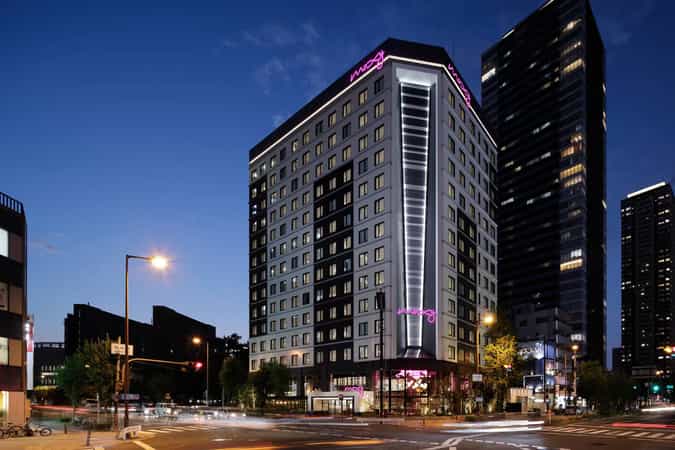
Designed for fun, Moxy Osaka Shin Umeda offers everything you need to work, play and relax. Their dog-friendly hotel boasts a sought-after location in Umeda, Japan, one of the main hubs of Osaka City. They're only a five-minute walk from JR Fukushima station; enjoy easy access to key attractions such as Universal Studios Japan, Osaka Castle and more. Settle into chic, cozy and dog-friendly lodging, filled with all the amenities you’d expect from a lifestyle hotel. Fun facilities include the Moxy Hotels brand’s signature Bar Moxy, with its outdoor terrace and bustling atmosphere, the quiet Library Zone to plug in and tune out, an exclusive 24-hour fitness center and furiously fast and free Wi-Fi for ultimate connectivity. Create, connect and energize in our stylish common areas.
Osaka
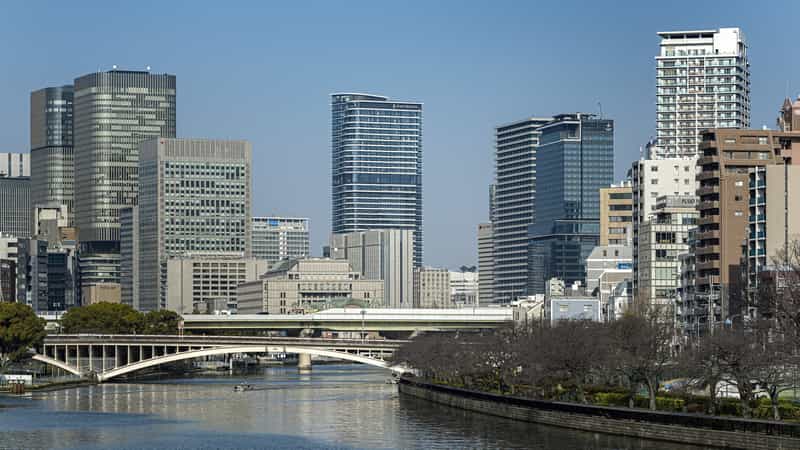
Embodying Osaka’s rise as a global city, the luxury Four Seasons Hotel Osaka forms the core of a new lifestyle destination at the heart of western Japan’s biggest city and the region’s hub of commerce and culture. As the city’s new icon of luxury and style, Four Seasons provides a pitch-perfect modern take on the quintessential ryokan (traditional Japanese inn) with a range of unique, immersive experiences that deliver a true sense of Japan. From the entire floor of meticulously designed Japanese-inspired guest rooms to the private ofuro (traditional baths), Four Seasons is a contemporary portal to the authentic heart of Osaka, immersing you in the city’s intriguing blend of heritage and modernity.
Osaka
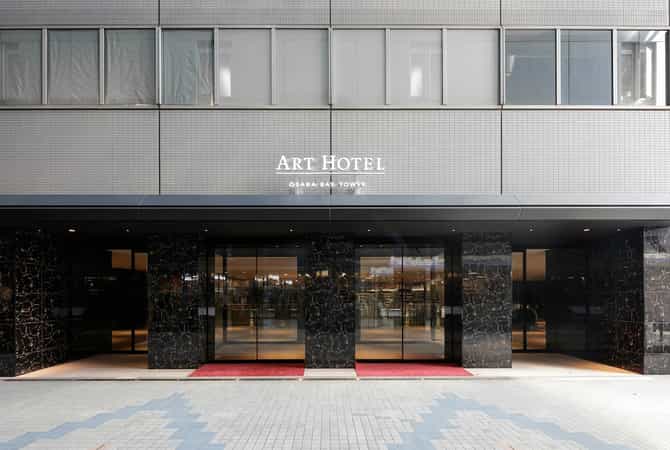
ART HOTEL Osaka Bay Tower allows you to enjoy a dynamic view from 200 meters above ground. With 51 floors, the hotel has earned high praise for its beauty as one of the foremost sights of the Osaka night sky. Directly connected to Bentencho Station on the JR Osaka Loop Line and the Osaka Metro, it is conveniently located within a short distance of Universal Studios Japan, Osaka Aquarium Kaiyukan, Osaka Port, Sakishima and more.
Osaka
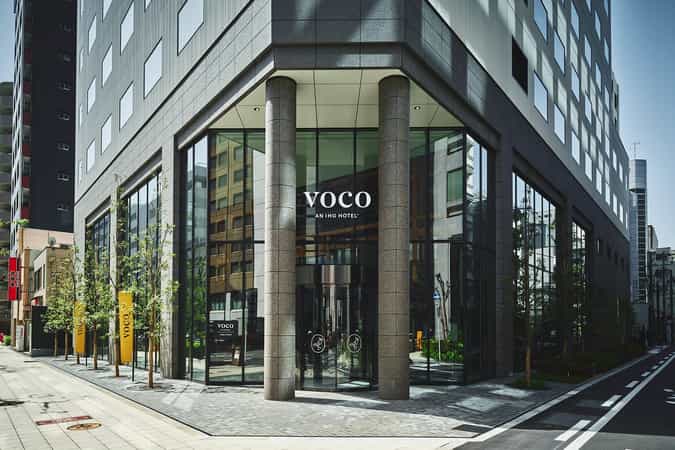
Japan's first voco brand, voco Osaka Central, shines with its attractive design, friendly service filled with smiles and natural energy, dining where you can enjoy the relaxing atmosphere of being invited into your own home and carefully prepared dishes, and its attention to sustainability.
Through the large glass windows surrounding the lobby, restaurant, cafe and bar area, this premium hotel connects guests with the local community, its vibrant energy and colors drawing people in. Guests are welcomed by the warm design, including art linking the past and present of Kyomachibori, interior décor made from recycled materials actually used in houses, and a spiral staircase, all welcoming them with the smiles of their hosts.
Osaka
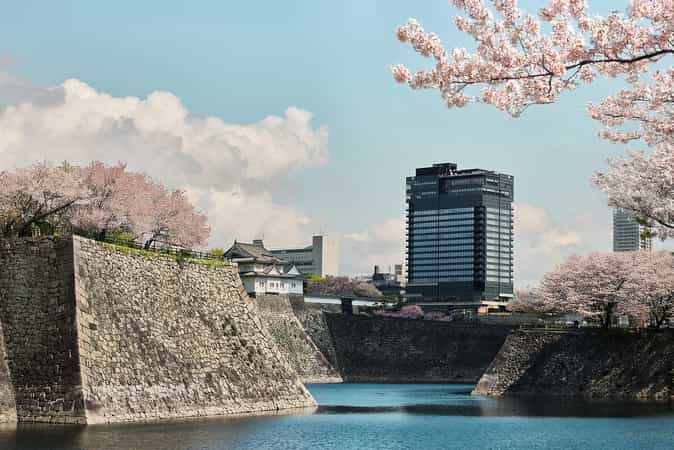
Inspired by kisetsukan, the rhythm of the seasons, Patina Osaka is an urban sanctuary that honours tradition with the elegance of modern luxury. Connect to transformative experiences that move with you, right where you belong
Osaka
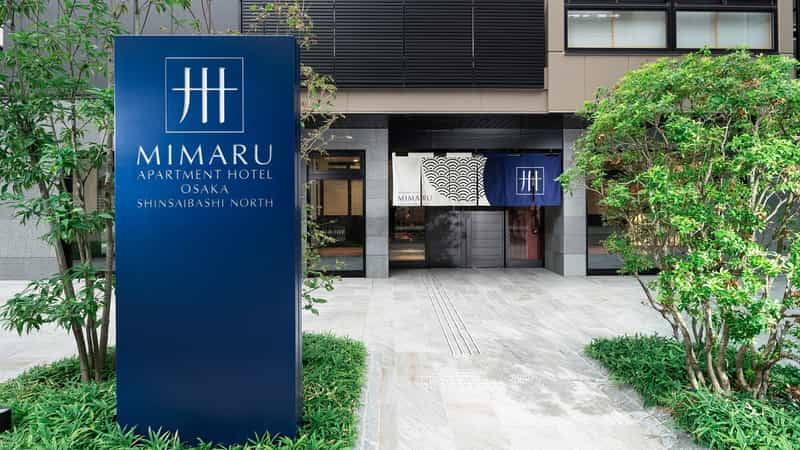
Come together with friends and family at MIMARU. During your stay, your room will feel like a comfortable home, and you'll find the staff always ready to support you. Traveling through Japan, you'll feel closer to your travel companions, become closer to those you encounter, and your connections will become special and memorable.
Osaka
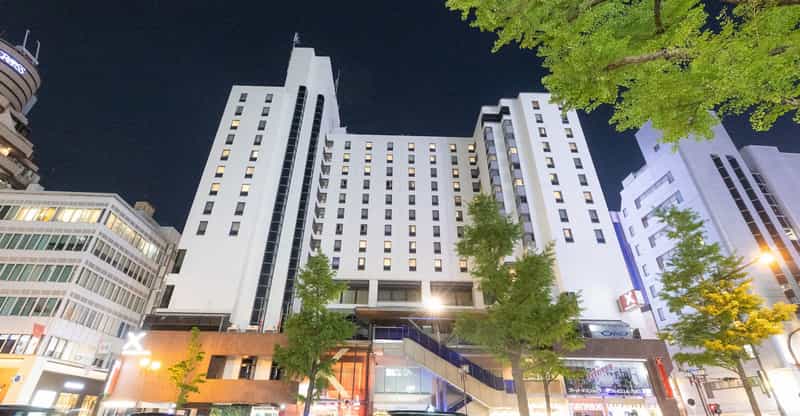
Enjoy an irreplaceable moment spent in this city, at this hotel. Cross Hotel values the experiences unique to this city. A hotel that loves this place, deeply explores the best of this city, and proposes experiences that can only be found here. And even the time you spend inside the Cross Hotel should be typical of this city. In order to make the time spent by their guests during their stay an irreplaceable time that cannot be found in other cities or other hotels, each staff member constantly considers ``the uniqueness of this city and this hotel'' and strives to provide the best service to our customers.
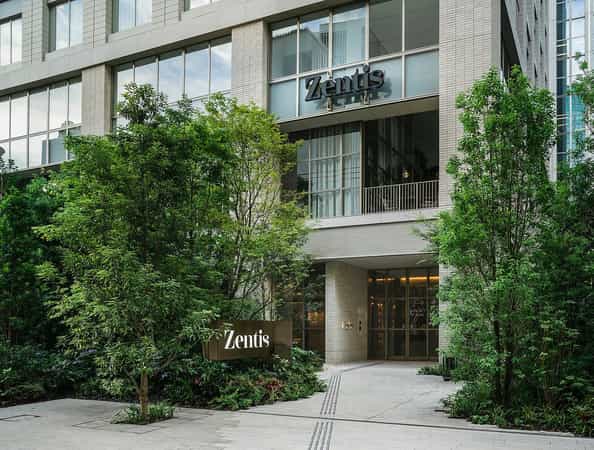
Osaka
Contemporary and refined, Zentis is a new hotel in Dojimahama, Osaka mere minutes from picturesque Nakanoshima and trendy Kitashinchi. Zentis Osaka has a fitness centre, garden, a shared lounge and terrace in Osaka. This 5-star hotel offers a 24-hour front desk, a concierge service and free WiFi. The property is 400 metres from the city centre and 200 metres from Dojima Avanza Entrance Porch.
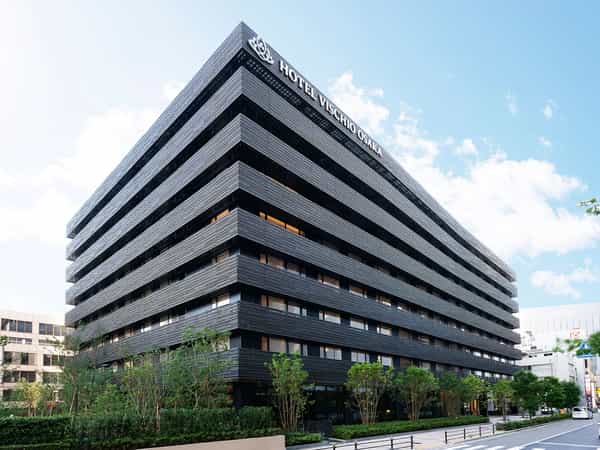
Osaka
A polished city hotel from JR West's Vischio stable, sitting five minutes on foot from Osaka Station — which in Osaka terms means you're essentially attached to everything. The name means mistletoe in Italian (good luck charm, apparently), and the hotel leans into that with considered touches: Simmons mattresses, natural bathroom amenities, and a first-floor restaurant serving a Japanese-Italian fusion breakfast that sounds odd but works. Drip-X-Café handles your morning coffee one cup at a time. No frills, no pretensions — just a reliably comfortable base for one of Japan's most exhilarating cities.
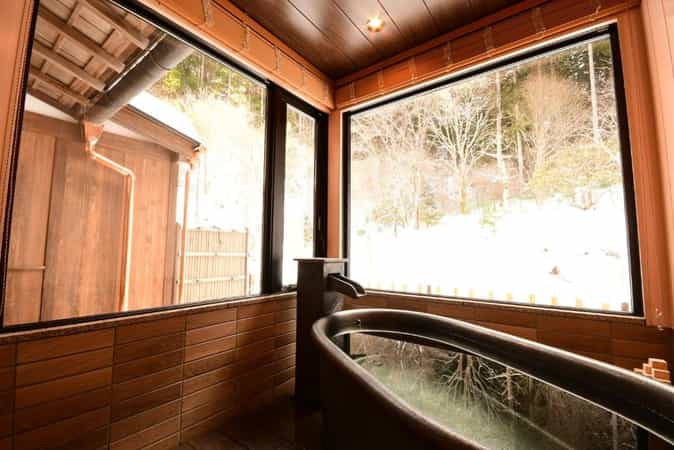
Mount Koya (Koyasan)
A shukubo — temple lodging — on the sacred mountain of Koya-san, where monks have slept for over a thousand years and guests are very much welcome to do the same. Fudo-in dates to 906 and is dedicated to Fudo Myoo, the fierce, flame-backed deity of spiritual protection. Conveniently positioned in the southern part of Koya-san's central Yamauchi district, it's a brilliant base for exploring the mountain's cedar-shrouded temples and graveyards. A Japanese garden, birdsong, and the option to try sutra copying round out an experience that's as far from a hotel as Japan gets.
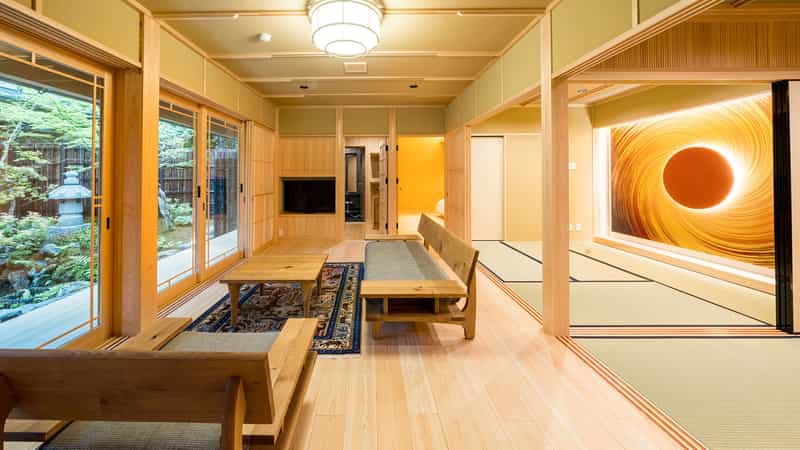
Mount Koya (Koyasan)
Experience the history and traditions of Koyasan, and enjoy a special time of peace through the unique experiences and hospitality of Koyasan’s temple lodging. In addition to participating in morning religious services and Goma prayers, they also provide various experiences that only a temple lodging can offer, such as ajikan meditation and sutra copying
Yudanaka
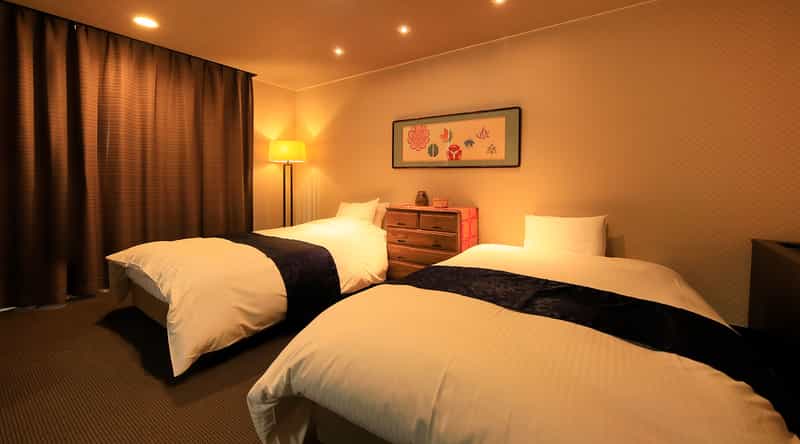
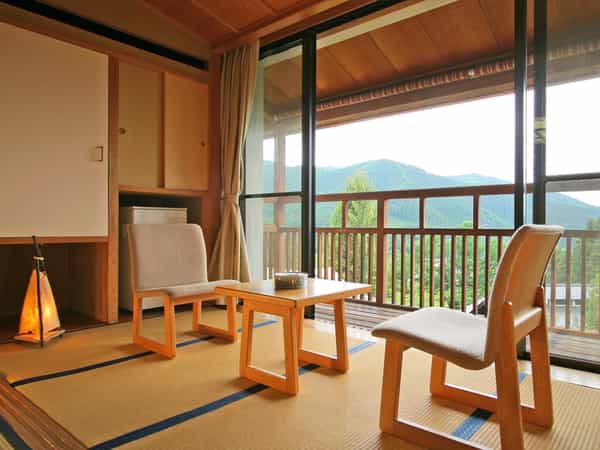
This hotel offers a wide variety of guest room types, including Japanese-style rooms, Japanese-Western rooms, and special rooms with open-air baths. At night, you can enjoy a view surrounded by mountains typical of Shinshu from the rooms on the Segawa side.
Yudanaka
Tucked into the small hot spring village of Kanbayashi, a short forest walk from Japan's famous bathing macaques, Senjukaku was first established in 1928. A result of an unlikely encounter between a Japanese railway magnate and a Norwegian lieutenant, it was one of the first properties to fuse Western hotel comforts with traditional ryokan hospitality – and the Japanese Emperor himself was a regular visitor! The result is an elegant, unpretentious retreat, surrounded by pine forests and ancient cherry trees, and of course, a beautiful onsen. Add multi-course kaiseki dinners built around apple-fed Shinshu wagyu and mountain ingredients, and you've got a very compelling reason to visit.
Yudanaka
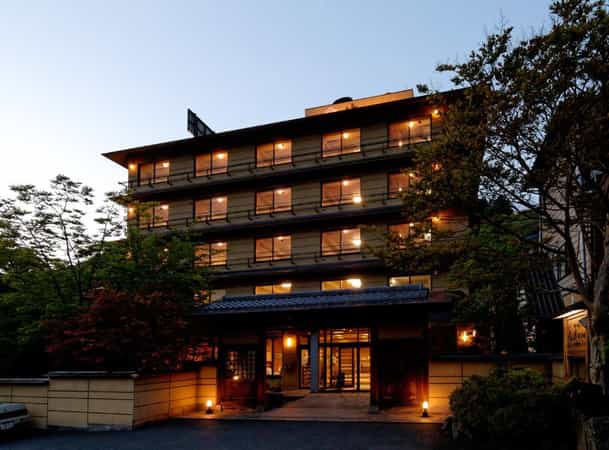
Shibu Hotel has been with everyone since the Showa era. From the first generation, they have carried on the spirit of "hospitality" that welcomes customers with a smile and sends them off with a smile.
Shibu Onsen has a history of 1,300 years and boasts one of the highest amounts of hot spring water and quality. While there are many hot spring hotels that circulate or filter their hot spring water, at Shibu Onsen they provide hot spring water directly from the source, not only in the outdoor baths but also in most of the inn baths. The hotel also uses water straight from the source. As a hot spring inn, they are proud to be able to provide guests with authentic natural hot springs.
Naoshima Island
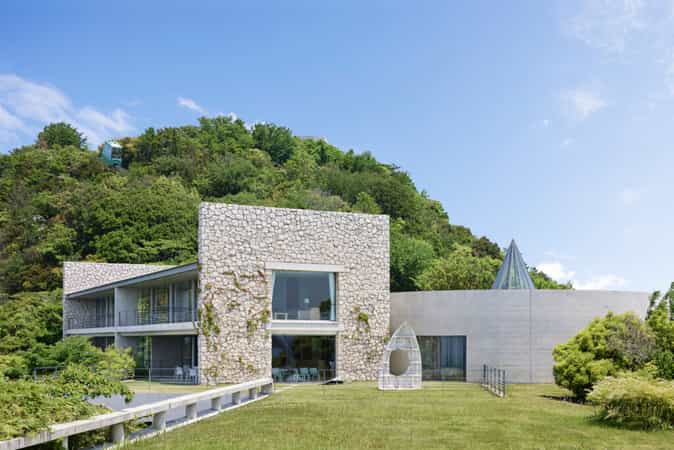
Naoshima Island
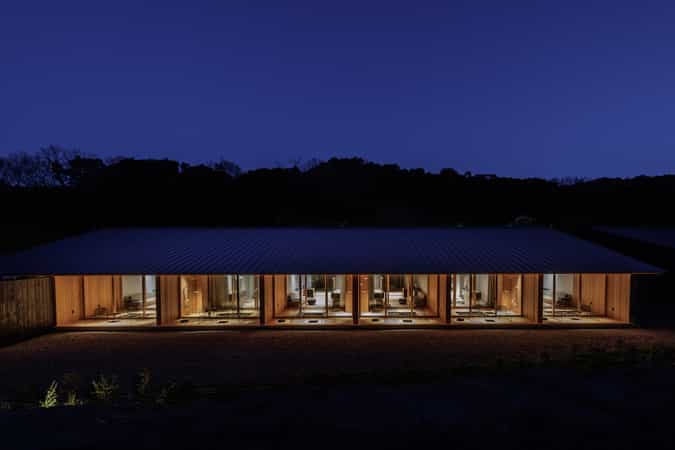
Built on a gentle slope surrounded by the nature of the Seto Inland Sea, this is one of the few wooden buildings by Ando.
From the verandas of the guest rooms, you can see outdoor artworks scattered across the green lawn and the Seto Inland Sea, with the mountains of Shikoku and the blue sky beyond. The hotel also features an art space designed by the artist himself, a lounge available only to guests staying at the hotel, a terrace restaurant, a shop, and a park hall that can accommodate up to 120 people.
Akan-Mashu National Park
Akan-Mashu National Park
Shiretoko Peninsula


Namibrand, Namibia