.jpg)
.jpg)

Planning Guides
Peru Country Guide
Ancient mysteries & dreamy landscapes…This is Peru.
Peru
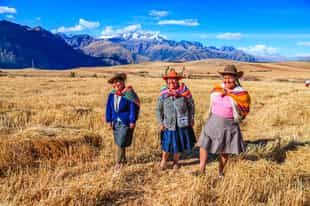
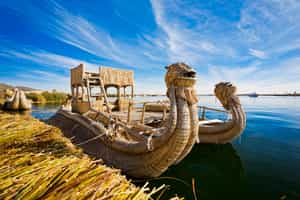
From the unique history of Lake Titicaca to Cusco’s Rainbow Mountain, the Amazon to Machu Picchu, there’s nowhere like Peru.

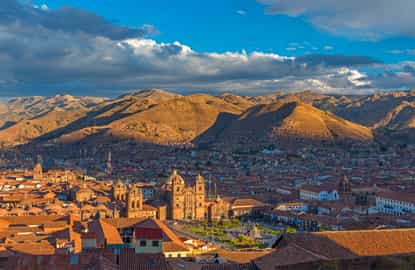
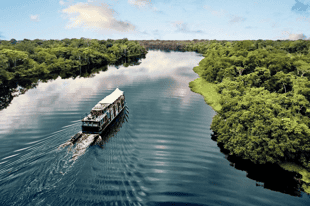
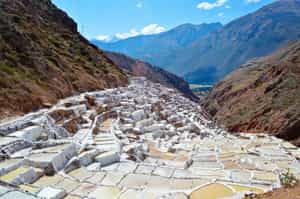
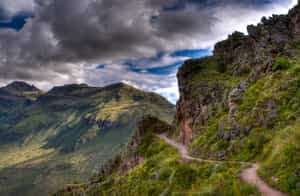
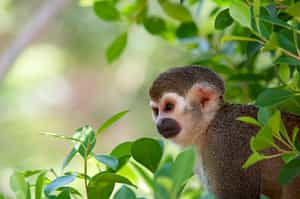
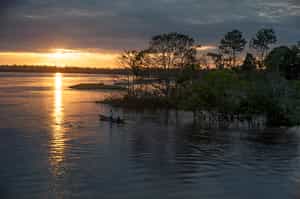
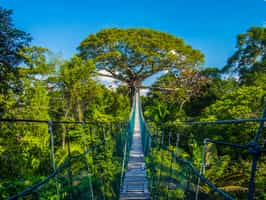
With a long and winding Pacific Ocean coastline flowing onto chiselled deserts, the Andean highlands and exuberant rainforests, Peru serves up a full taste of everything South America has to offer - and then a dollop more. The country’s dramatic geography makes for equally stunning landscapes, and there's a rich diversity in just about everything from the people, the cultures, the history, the gastronomy and the experiences. From meeting the dwellers of the highest freshwater lake in the world to exploring the deepest canyon in the Americas, exploring the remnants of ancient civilisations to sampling the fusion cuisine of downtown Lima, there's a contrast around every corner. Then, there's the adventure. Dusty sand dunes and majestic peaks are just the tip of the iceberg in this giant country - we're talking navigating the world's longest river, the Amazon, and spotting pink dolphins from a kayak or getting lost in the madness of a street festival. And, if you need more convincing, we have two words for you: Machu Picchu.

There’s a reason Peru is named the “World’s Leading Culinary Destination” over and over (and over!) again: anywhere and everywhere you go, the food will dazzle, from the freshest ceviche to the simple grilled anticuchos on a street corner.

Peru is a vast country and many visitors follow the same trail - but there’s plenty to discover off the beaten path. Plan ahead and explore hidden mountain villages and less-trodden hiking routes or time your trip to arrive for one of the many folk festivals.

Don't let Machu Picchu steal all the glory - Peru has SO much more to offer! Leave ample time for your visit, enjoy as many places as you can and you’ll end up with a once-in-a-lifetime experience. Take our word for it.
Start with a recommended trip or create one from scratch
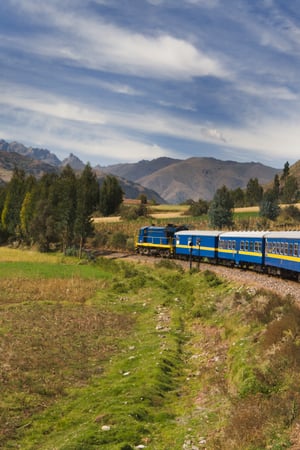
12 nights from $6.3K per person
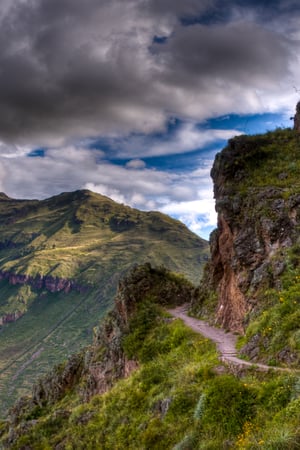
9 nights from $9K per person
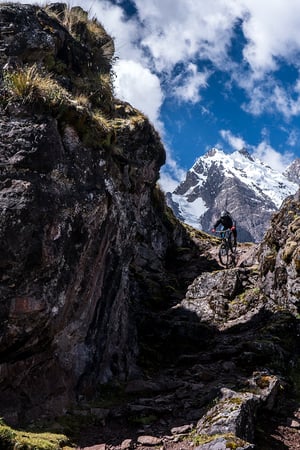
8 nights from $4K per person
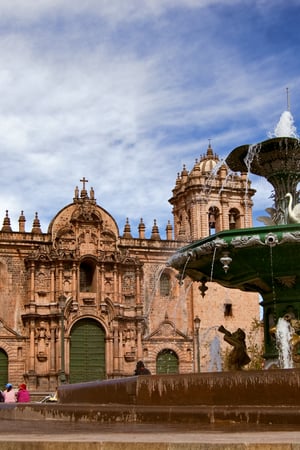
18 nights from $12K per person
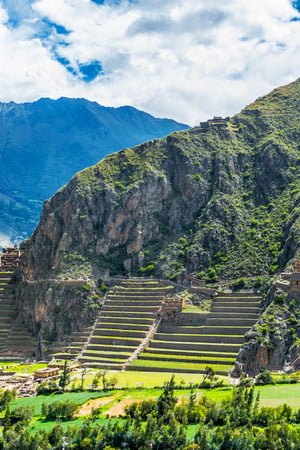
8 nights from $5.4K per person
Get advice and suggestions to make this your perfect trip.
or call us on: +1 (646) 542 0667
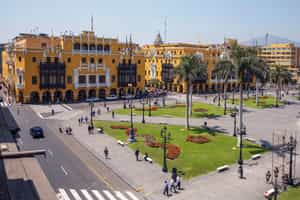
From the moment you land in Lima, Peru whisks you away on a journey to historic stalwarts like Lake Titicaca and Machu Picchu to the rich biodiversity of the Amazon.
,url-https%3A%2F%2Fassets.waybird.com%2Fcdn-cgi%2Fimage%2Fwidth%3D12%2Cformat%3Dauto%2Fhttps%3A%2F%2Fassets.waybird.com%2Fimages%2Fmap%2Fpin-primary-outlined.png(-72.08146263445053,-13.328537971883827),url-https%3A%2F%2Fassets.waybird.com%2Fcdn-cgi%2Fimage%2Fwidth%3D12%2Cformat%3Dauto%2Fhttps%3A%2F%2Fassets.waybird.com%2Fimages%2Fmap%2Fpin-primary-outlined.png(-72.54495883933541,-13.163169113603912),url-https%3A%2F%2Fassets.waybird.com%2Fcdn-cgi%2Fimage%2Fwidth%3D12%2Cformat%3Dauto%2Fhttps%3A%2F%2Fassets.waybird.com%2Fimages%2Fmap%2Fpin-primary-outlined.png(-69.32637213117111,-12.884981331949849),url-https%3A%2F%2Fassets.waybird.com%2Fcdn-cgi%2Fimage%2Fwidth%3D12%2Cformat%3Dauto%2Fhttps%3A%2F%2Fassets.waybird.com%2Fimages%2Fmap%2Fpin-primary-outlined.png(-70.01347715872036,-15.841251062963508),url-https%3A%2F%2Fassets.waybird.com%2Fcdn-cgi%2Fimage%2Fwidth%3D12%2Cformat%3Dauto%2Fhttps%3A%2F%2Fassets.waybird.com%2Fimages%2Fmap%2Fpin-primary-outlined.png(-77.0436282000987,-12.046033946452722),url-https%3A%2F%2Fassets.waybird.com%2Fcdn-cgi%2Fimage%2Fwidth%3D12%2Cformat%3Dauto%2Fhttps%3A%2F%2Fassets.waybird.com%2Fimages%2Fmap%2Fpin-primary-outlined.png(-73.89064074286058,-4.538502353216563),url-https%3A%2F%2Fassets.waybird.com%2Fcdn-cgi%2Fimage%2Fwidth%3D12%2Cformat%3Dauto%2Fhttps%3A%2F%2Fassets.waybird.com%2Fimages%2Fmap%2Fpin-primary-outlined.png(-69.2139503754707,-12.802102443829035),url-https%3A%2F%2Fassets.waybird.com%2Fcdn-cgi%2Fimage%2Fwidth%3D12%2Cformat%3Dauto%2Fhttps%3A%2F%2Fassets.waybird.com%2Fimages%2Fmap%2Fpin-primary-outlined.png(-71.54148791060561,-16.411304506092655),url-https%3A%2F%2Fassets.waybird.com%2Fcdn-cgi%2Fimage%2Fwidth%3D12%2Cformat%3Dauto%2Fhttps%3A%2F%2Fassets.waybird.com%2Fimages%2Fmap%2Fpin-primary-outlined.png(-71.78241843747112,-15.627217897559776),url-https%3A%2F%2Fassets.waybird.com%2Fcdn-cgi%2Fimage%2Fwidth%3D12%2Cformat%3Dauto%2Fhttps%3A%2F%2Fassets.waybird.com%2Fimages%2Fmap%2Fpin-primary-outlined.png(-76.24704606936956,-13.820639667166764)/auto/600x400?access_token=pk.eyJ1IjoidGltYnVrdHV0cmF2ZWwiLCJhIjoiY2poMGw1eHpkMmRkbDJ6bW8xYWZ5OGpjYyJ9.PYvAO7lUJ40SOpGvwmQLqw&attribution=false&logo=false)
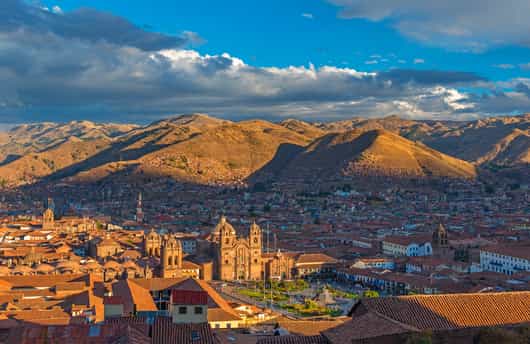
Peru
Enthralling and rife with mystic energy, this Inca city is much more than a gateway to Machu Picchu
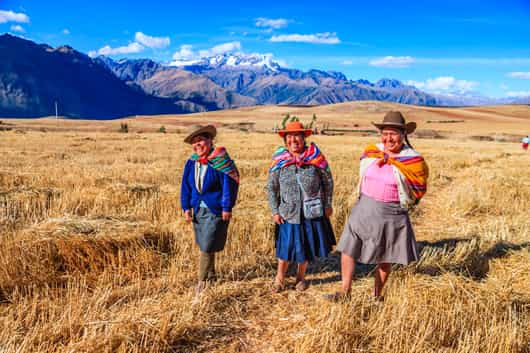
Peru
Let the Sacred Valley enchant with stunning vistas and Inca sites - at a lower altitude than Cusco!
Peru
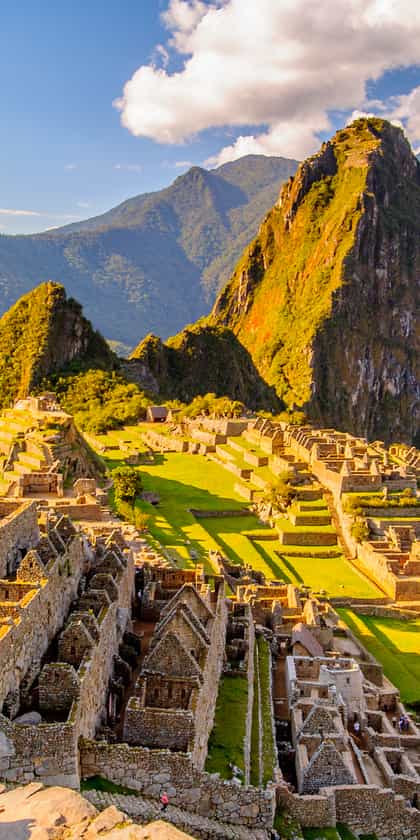
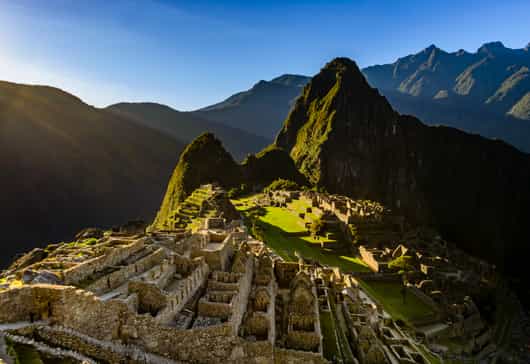
A mix of mystery and sublime beauty, this Modern Wonder of the World hardly needs an introduction
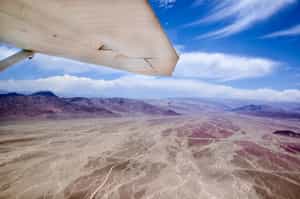
In Peru, aiming for a visit in the dry months - May to October - works well for most destinations. This time of year enjoys the best trekking conditions with no water-logged trails and cooler temperatures so Machu Picchu, the Sacred Valley and areas surrounding Lake Titicaca are definitely on the cards. However, the rest of the world thinks so too and tourist numbers are high, so EARLY booking is crucial. As the year comes to an end, the cloud forests become a flurry of birdlife and orchids. December to March bring the rain and heat to most of Peru, so it's a good time to head to the coast, which enjoys a cooler ocean breeze and pleasant weather. Get to know Lima and explore the desert region of Paracas - and its surreal geoglyphs. Although the Amazon receives high rainfall, it is beautiful at this time of year and there are usually breaks in the showers.

Wet Season — a good time to visit
January is a month of contrasts: the highlands are deep in the wet season, but the coast is in full summer mode. It’s a great time for beaches (particularly if you enjoy surfing), and an atmospheric one for the Andes if you don’t mind a little rain.
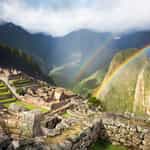
Machu Picchu doesn’t need any help creating an ethereal atmosphere, but this time of year, with lush greens, clouds floating through the ruins, and waterfalls bursting over nearby cliffs, is one of the most beautiful.
At Trujillo’s Marinera Festival, Peru’s national skirt-swirling and handkerchief-twirling dance takes centre stage alongside displays of Peruvian Paso horsemanship. It’s a vibrant celebration of coastal culture and a visually striking display.
Wet Season — a good time to visit
Similar to January, it’s still wet in the Andes but hot and sunny along the coast. It’s not the obvious month for trekking but Lima is beautifully warm, making it the ideal base for coastal explorations and long lunches that spill into the evening.
Every February, the Inca Trail closes for maintenance, but Machu Picchu is still perfectly accessible by train and is quieter than any other time of the year. It's a little wet, yes, but it’s a private and intimate time to hike.
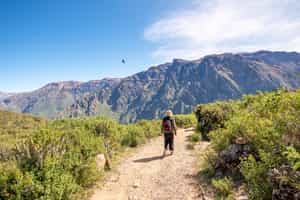
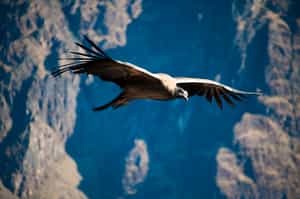
Another February highlight is the Colca Canyon, one of the world's deepest gorges. It’s full of lush greenery and condors ride the thermals above the terraced valley walls. It's a real highlight of a Peru trip - and you'll have the viewpoints to yourself.
Wet Season — a good time to visit
March is the tail end of the wet season. The Andes are still lush and the northern coast at its absolute best. It’s a great month to balance beach time (particularly on the northern coast) with some of Peru’s more dramatic natural landscapes.
If you haven't heard of Gocta Falls, you're not alone - but in March, it should definitely be on your radar! The 771-metre waterfall is spectacular at any time of year but in March, it’s at peak flow, thundering with mesmerising authority.
In Ica, the Festival de la Vendimia celebrates over 400 years of winemaking with a week of festivities, from grape-stomping to lively parades and plenty of pisco tastings! It’s a fun and slightly chaotic insight into Peru’s wine and pisco culture.
Wet Season — a good time to visit
In April, the weather in Peru turns a corner. The rainy season retreats, afternoon showers become increasingly half-hearted, and the highlands reveal themselves in all their juicy, post-rain glory.
Humboldt penguins on the Ballestas Islands begin breeding in April and with nesting underway, the colonies take on a somewhat more purposeful energy. Combine a visit with time in the extraordinary landscapes of Paracas National Reserve next door.
Easter is celebrated across Peru, with processions and celebrations taking place in cities from Cusco to Arequipa. In Ayacucho, it’s marked by 10 days of candlelit vigils, music and processions - quite a sight if you’re in the region.
Dry Season — one of the best times to visit
May is one of the best months to visit Peru. The rains have eased, landscapes are still lush, and conditions are near-perfect across most of the country. If someone asks us when to go, May is never far from the answer.
May is a month that works almost everywhere, from the Sacred Valley and Machu Picchu to the Colca Canyon and even the edges of the Amazon, making it ideal for a classic, well-paced Peru itinerary.
The Inca Trail hits its stride in May. It’s dried out from the wet season, fringed in green, and still blissfully quiet before the crowds of July and August. Up at Colca Canyon, clear morning skies generate thermals that bring the condors out in force.
Dry Season — one of the best times to visit
June marks the start of the dry season in earnest, with clear skies across the highlands and some of Peru’s most important festivals in full swing.
Inti Raymi, the Inca Festival of the Sun and one of the largest cultural celebrations in South America, takes over Cusco. The spectacle fills the plazas and streets with costumed dancers, ceremonial processions and an infectious energy.
Off the beaten track, head to the remotest reaches of the Cusco region. The Qeswachaka bridge is rebuilt each June by local communities using ancient Inca techniques. It’s an extraordinary tradition, though visiting requires a deliberate detour.
Lake Titicaca settles into the dry season, with up to ten hours of sunshine and a stillness that makes the whole altiplano feel suspended in time. You are at 3,800 metres above sea level, however, and nights can be bitterly cold.
Dry Season — one of the best times to visit
In July, Peru hits its stride. The dry season is in full swing, bringing clear skies, mountain views and some of the best trekking conditions of the year. It’s a brilliant time to be in the Andes and the landscapes are at their most accessible.
In the Cusco region, Rainbow Mountain is incredibly striking in July when the dry, clear conditions reveal the full intensity of its striped “rainbow” slopes. It’s an early start and a high-altitude hike, but the colours are as vivid as the photos.
The Amazon’s water levels begin to drop, wildlife concentrates around shrinking water sources, and sightings of giant river otters – the Amazon's most charismatic residents – start to become more reliable.
The Virgen del Carmen celebrations at Paucartambo (July 15-18) is one of Peru's great hidden festivals. Masked dancers fill the streets, while the Saqras, mischievous devil figures, scramble across rooftops in a dramatic, days-long performance.
Dry Season — one of the best times to visit
August is still dry season and the skies are reliably clear. Conditions across the highlands are excellent, but this is peak travel time and the sights are busier. Step slightly off the main circuit and you’ll still find Peru at its most rewarding.
Head to Peru's northern coast in August to see humpback whales breaching, tail-slapping and nursing calves in the water. Truly, this time of year can feel more like a wildlife documentary than real life in the ocean.
Andean communities dedicate the month of August to Pachamama or Mother Earth, with offerings and ceremonies that have been performed for centuries. August 1st is Pachamama Day specifically, when despacho rituals take centre stage across the highlands.
Dry Season — one of the best times to visit
September is one of our favourite months to visit Peru. Conditions are excellent and the highlands are still clear and accessible, but the peak season crowds have begun to thin and prices are softening.
At Huembo Reserve, you might be lucky enough to spot the Marvellous Spatuletail hummingbird, a species so absurdly beautiful with two long racquet-tipped tail feathers longer than its body, that first-time viewers often assume they've imagined it.
Dry Season — one of the best times to visit
October is a transitional month. The coast is brightening but much of the country is between seasons. Lima is still wrestling with its famous garúa coastal fog, but whilst it hasn’t fully lifted, the temperatures are creeping up.
October in Lima is also defined by Señor de los Milagros, one of the largest religious processions in the Americas. For weeks, the city turns purple as thousands of devotees follow the Cristo Moreno through the streets.
Wildlife-wise, the South American fur seals are gearing up at Paracas National Reserve and the Ballestas Islands, with territorial behaviour and courtship displays intensifying ahead of their breeding peak (November to January).
Wet Season — a good time to visit
Lima's beach season is officially open. Coastal skies begin to clear, temperatures rise and the city exhales after months of grey. Head south to Paracas or north to Máncora – both are calling.
The Amazon is transitioning back to wet season, and the forest responds immediately: fruit appears, macaw activity at the clay licks intensifies, and rising water levels begin reopening the flooded forest channels that the canoes have been waiting for.
Wet Season — a good time to visit
While much of the country gears up for the festive season, December is a good time to explore Peru’s quieter corners. Head to the thundering Gocta Falls, enjoy Arequipa's grandeur without the queues, and witness Lake Titicaca as its most dramatic.
The rainy season returns to the highlands, bringing afternoon showers to the high country. Mornings, however, typically remain clear – enough time to visit the major sites before the clouds roll in.
Machu Picchu's crowds have receded. In their place is morning mist curling through the ruins, dramatic clouds and vivid green terraces. Some argue this moody version of the citadel is more beautiful than the postcard. We'd be inclined to agree.

Jorge Chávez International Airport (LIM) is Peru’s main airport and offers direct flights from major cities in the USA, Toronto, Paris, Madrid and Amsterdam. Due to Peru’s size, the fastest and most comfortable way to travel is on a domestic flight and the country’s major hubs are within a two-hour flight of Lima, including Cusco, which is the gateway to Machu Picchu. Flights also land at Alejandro Velasco Astete International Airport (CUZ) in Cusco and Rodríguez Ballón International Airport (AQP), which offers easy access to the Colca Canyon. However, South America is known for its well-kept road routes, so private transfers work well for getting from place to place. Train journeys are also very popular and make a great way to see the sights in comfort, including the route to Aguas Calientes near Machu Picchu. Using a taxi service is preferred while travelling within a city at night, but expect traffic jams in Lima.
Please consult your personal physician and/or a travel clinic preferably 6 weeks prior to your departure. Vaccine requirements vary based on your country of origin and your travel itinerary, as well as your previous vaccination history. It is best to consult with your physician or the CDC website for guidelines. It is recommended that you are vaccinated against typhoid, hepatitis A & B, yellow fever and rabies before entering Peru. The relevant documentation must be carried with you at all times. An anti-malarial prophylaxis is also recommended, but you are required to consult your physician. Mosquitoes in Peru may carry a number of diseases so it’s advised to wear insect repellent and avoid bites as much as possible. The tapwater in Peru isn’t safe to drink so ensure you drink purified or bottled water, and avoid ice in any drinks. Communication Peru country code: +51 Calling overseas from Peru: Dial 00 followed by the country code, area code and cell phone number.
Money Peru’s official currency is the Neuvo Sol. There are various options when exchanging money on arrival including banks (there are ATMS available in every major city), moneychangers, hotels and casas de cambio (exchange houses). The casas de cambio tend to have the best exchange rates, short queues and a safe environment. Many stalls and shops don’t like giving too much change, so it’s best to hold onto your smaller notes for an easier shopping experience. If you’re travelling in a taxi, be sure to negotiate the fare before departure. Gratuities Gratuities are not compulsory or expected; rather it is a reward for excellent service. If you are pleased with the service you receive, you are more than welcome to tip your guide or the staff. Tipping is usually done at the end of your stay. You may tip the staff individually, give the tip to the manager to distribute, or do both. Gratuities suggestions: Private guide: $10 per day Private driver: $3 - $5 per day Porters: $1 per bag Lodge staff: $20 per room per night (this can be distributed by the manager) Restaurants: In most upscale/tourist restaurants, 12% VAT and a 10% service charge is already included. For local restaurants, the service charge may not be included so a 10% tip is appreciated/appropriate (12% VAT is included).
Insurance It is a condition of booking that you carry the correct comprehensive travel and medical insurance to cover yourself, as well as any dependents/travelling companions for the duration of your trip. This insurance should include cover in respect of, but not limited to, the following eventualities: Compulsory Insurance: a. Emergency evacuation expenses b. Medical expenses c. Repatriation expenses Recommended Insurance: a. Cancellation or curtailment of trip b. Damage/theft/loss of personal luggage, money and goods
Entrance into Peru from the following countries does not require a visa: the USA, Canada, Mexico, all of South America and the EU, Australia, New Zealand, South Africa, Switzerland, Israel, and certain countries in Asia and Central America. Entrance into Peru receives a single entry stamp and visitors are required to have a passport valid for at least six months with a minimum of two free pages. Please do contact the embassy or consultant in your home country to reconfirm visa requirements, as they change often. Visa Central is also a good resource for further information. As a general precaution, we recommend you make several copies of your travel-related documents (passport, credit cards, itinerary, airline tickets, insurance cover, visas, etc). Leave one set at home, and bring another set with you, and place it in a location separate from your originals.
Climate In basic terms, Peru’s climate comes down to the wet and dry seasons. The months of May to October fall into the latter, and are regarded as the most temperate time to visit, particularly if you’re planning a trip to the Andean foothills, Lake Titicaca or Machu Picchu. Although, this is also the busiest time to visit and booking a year or more in advance is crucial. The rains begin to arrive in late October, but November brings fewer crowds, an abundance of birdlife and higher water levels in the Amazon, making smaller tributaries more accessible. The rainy season starts in earnest from December leaving mountainous areas impassable and the Amazon hot and very wet - although the flora is incredible. The Inca Trail is also closed throughout the entire month of February. This is when Peru’s desert coastline comes into its own, with the Pacific Ocean breeze keeping the cities cool - the perfect time to marvel at Paracas’ desert geoglyphs. April falls in between the seasons, making it quite idyllic across the country and a fantastic time to combine Peru with the Galapagos Islands. What to pack Peru is huge with a varied landscape and choice of activities, and your itinerary will affect what to pack (and how much). The following can be used as a guideline: Layers! Quick-drying T-shirts, long-sleeved shirts, leggings or cargo pants Warm items including a sweater or fleece, insulated jacket, buffs, scarves, thermal hats, gloves and thick socks (especially if you’re visiting Cusco and the Sacred Valley) Light, water-resistant jacket (especially in the rainy season) Hiking boots / sturdy walking shoes (water-resistant is recommended) Day pack and dry bag Beach wear Sun hat, sunglasses and sunscreen lotion Toiletries, insect repellent, hand sanitizer, first aid kit and altitude sickness aids. Any vitamins or medication you may need (always ensure they are allowed on your flight) Combination padlock, water bottle, portable power pack Memory cards, batteries, chargers and adapters - Peru uses plug types, A, B and C, at a supply voltage of 220V and 60Hz Luggage Most domestic airlines in Peru allow 4 to 10kg of hand luggage and 23kg of checked baggage. When trekking or travelling by train / bus to Machu Picchu, your luggage will be limited to a daypack / backpack and it’s best to check specifications beforehand. Train to Machu Picchu: - You are required to submit full passenger information to us at least 30 days before your trip. - Carry-ons must be a single bag weighing no more than 5kg and a total size of 157cm (length + width + height). However, travellers going on the Inca Trail can present a special permit, which allows for up to 6 additional kilograms in the carriage. TREKKING If you are including a trek in your itinerary, there is a number of things to take into consideration. All travellers must be in fair/good physical condition and an acclimatisation period of 2 - 3 days is recommended. All treks include: - A pre-departure briefing - Private transfers to the start and from the finish points - First aid kit and oxygen tanks - Telecommunication system - Meals as stipulated Multi-day treks also include: - Accommodation, excluding the hotel in Aguas Calientes prior to a Machu Picchu trek - Full camping equipment - Chef and supporting staff including porters - Mules and/or llamas as stipulated - Filtered and boiled water What to bring on the trek: - Original passport - Waterproof (in rainy season) and worn-in hiking boots - Clothing that can be worn in layers & additional warm items - Day pack with any essentials - You can also bring additional snacks, rehydrating products, water bottle, bag for dirty items, cash in Peruvian soles or USD.
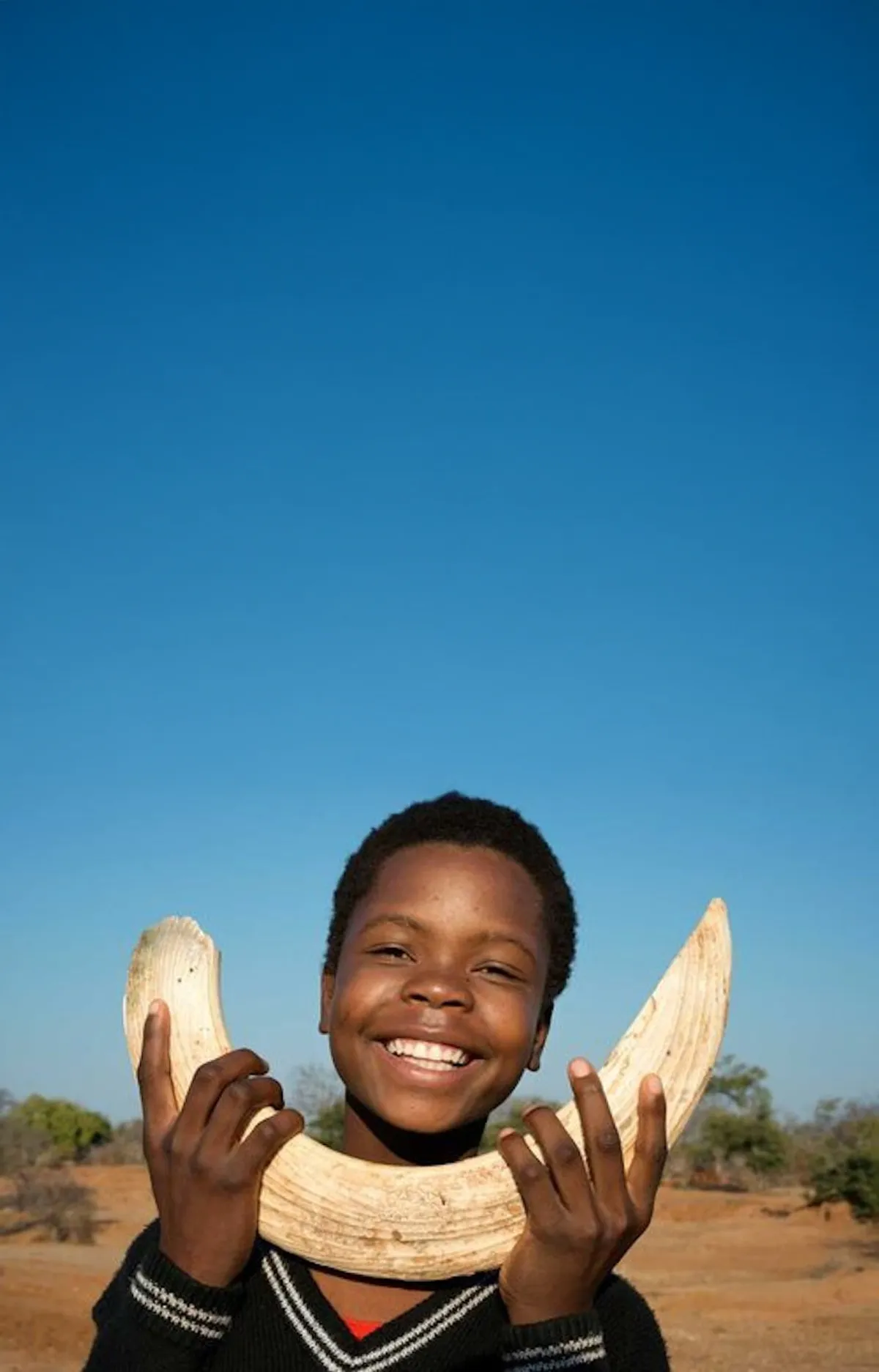
We’re big believers in leaving a positive impact in the countries in which we operate. We’re proud to donate $50 for every booking to projects focusing on female empowerment, tech education, conservation, and so much more.
Our dream is to empower our guests to travel with a purpose.
So far, we’ve donated $107,000 to projects across the globe.


Why travel with Timbuktu?

We've been crafting one-of-a-kind journeys since 2014 — over 2,500 trips across 40+ countries, each one built from scratch around your interests and dreams.

Our team only recommends places they've slept in, eaten in, and happily keep going back to. Condé Nast Traveler named 11 of them Top Travel Specialists in 2026, and Travel+Leisure made three A-List Advisors.

Travel+Leisure's readers voted us the World's No.1 Tour Operator in 2024 and No.2 in 2025 — the travel industry's biggest readers' award, judged by people who actually travel.

$50 from every booking goes to female empowerment, tech education, and conservation projects across the countries we love. We have donated $78,000 so far – and it's going up!

Your travel specialist is with you the whole way, dreaming up the trip, building the itinerary, checking you in, and answering the 2am question from the other side of the world..

We are rated 4.9 out of 5 from 1007 verified Feefo reviews. And these are the words of people who actually went, not us talking about ourselves.
11 Condé Nast Traveler Top Travel Specialists 2026

No. 1 & No. 2 Tour Operator in Travel + Leisure's Best Awards 2024 & 2025

Best Booking Platform in Women's Health Travel Awards 2025

Travel Specialist voted as Latin America A-List Travel Advisor 2025

"Timbuktu can take relatively complex and slightly amorphous travel plans and transform them into a well-organized, perfectly tailored trip."