Planning Guides
An East Africa safari guide
What to know and where to go
Rwanda
Chimp treks and gorilla safaris, wonderfully warm people and fabulous accommodations all add up to make Rwanda a true African jewel.

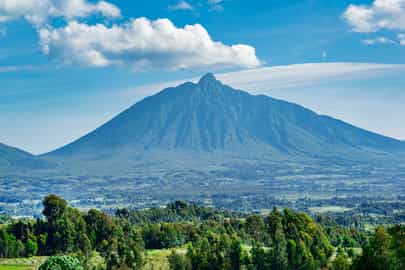
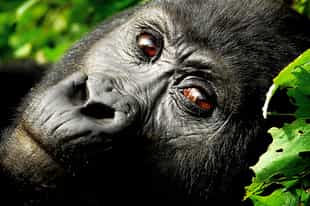
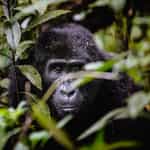
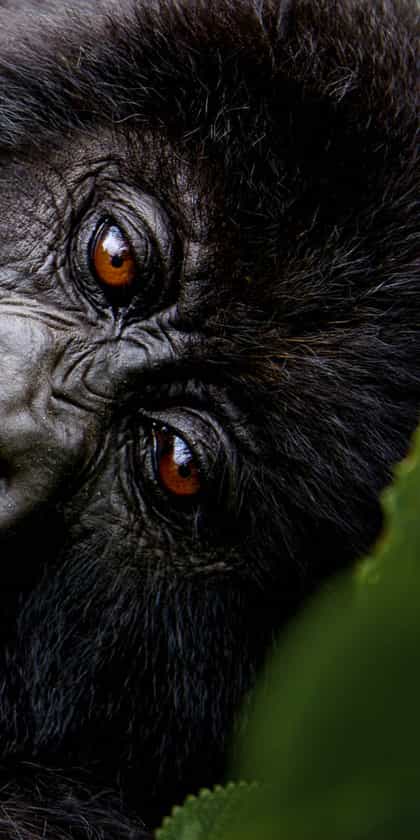
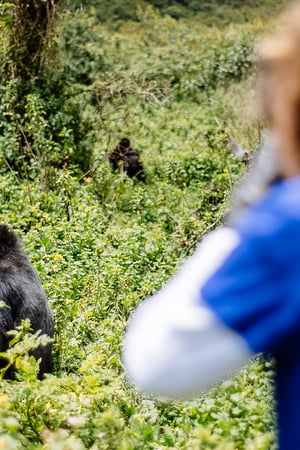
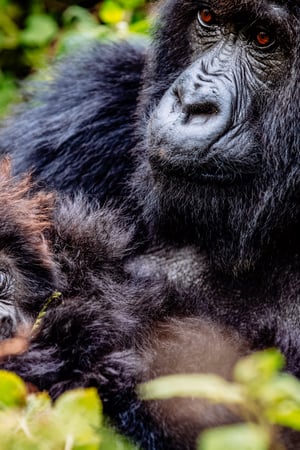
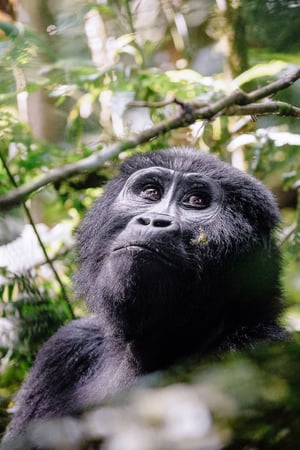
Although never forgotten, the tiny landlocked country of Rwanda has come a long way since the genocide-ridden days of the 1990s. Today the Rwandans are a united nation, full of open smiles and genuine warmth, and are keen to show their gem of a country to anyone who’s thinking of a Rwanda safari. And with vast tracts of unspoilt, luscious vegetation, spectacular sightings of iconic mountain gorillas in the mist, dense jungle forest and a healthy dose of culture and promise in Kigali, there’s plenty to show off and a lot more than first meets the eye.

If you still need a reason to love Rwanda, it’s the people and the genuine care they have for their beautiful country – did you know Rwanda has already banned plastic bags, encourages the use of biofuel and has a national clean-up-the-streets day?
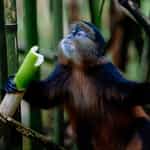
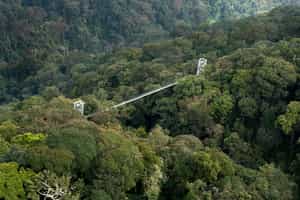
Dubbed the "African Galapagos", Nyungwe Forest is feast of biodiversity that is home to no fewer than 13 species of primates, including the legendary chimpanzee, as well as 120 species of butterfly and hundreds of ever-changing chameleons. Magical, indeed!

The cost of a permit to trek gorillas in Rwanda’s Volcanoes National Park is a whopping US$1500. A good proportion is funnelled directly into the conservation of the gorillas, which is a truly fantastic mandate, but it does make the cost of your trip very high.
Start with a recommended trip or create one from scratch
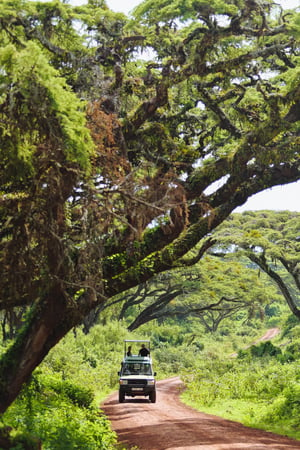
11 nights from $13.1K per person
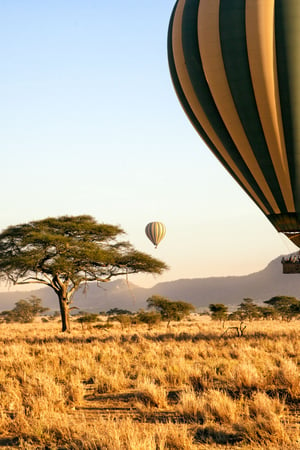
12 nights from $11.8K per person
11 nights from $13.7K per person
8 nights from $6.9K per person
9 nights from $11.2K per person
10 nights from $10.8K per person
Get advice and suggestions to make this your perfect trip.
or call us on: +1 (646) 542 0667
Whether you plan to peruse the markets of Kigali or go on a gorilla safari in the forests of Volcanoes National Park, Rwanda is certainly worth shouting about.
,url-https%3A%2F%2Fassets.waybird.com%2Fcdn-cgi%2Fimage%2Fwidth%3D12%2Cformat%3Dauto%2Fhttps%3A%2F%2Fassets.waybird.com%2Fimages%2Fmap%2Fpin-primary-outlined.png(30.5772321,-1.841789),url-https%3A%2F%2Fassets.waybird.com%2Fcdn-cgi%2Fimage%2Fwidth%3D12%2Cformat%3Dauto%2Fhttps%3A%2F%2Fassets.waybird.com%2Fimages%2Fmap%2Fpin-primary-outlined.png(30.100121,-1.9566806),url-https%3A%2F%2Fassets.waybird.com%2Fcdn-cgi%2Fimage%2Fwidth%3D12%2Cformat%3Dauto%2Fhttps%3A%2F%2Fassets.waybird.com%2Fimages%2Fmap%2Fpin-primary-outlined.png(29.2729423,-2.515285),url-https%3A%2F%2Fassets.waybird.com%2Fcdn-cgi%2Fimage%2Fwidth%3D12%2Cformat%3Dauto%2Fhttps%3A%2F%2Fassets.waybird.com%2Fimages%2Fmap%2Fpin-primary-outlined.png(29.1802623,-1.921763)/auto/600x400?access_token=pk.eyJ1IjoidGltYnVrdHV0cmF2ZWwiLCJhIjoiY2poMGw1eHpkMmRkbDJ6bW8xYWZ5OGpjYyJ9.PYvAO7lUJ40SOpGvwmQLqw&attribution=false&logo=false)
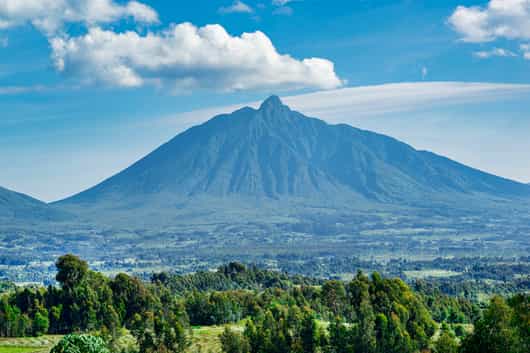
Rwanda
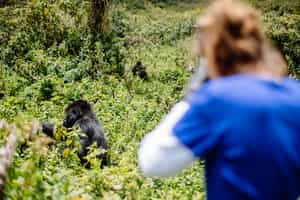
Make all your wildlife dreams come true with gorilla treks in an enchanting forest setting.
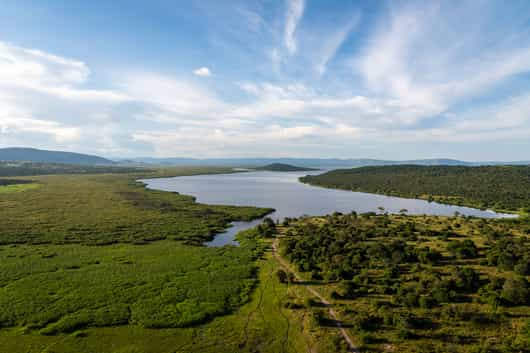
Rwanda
Visit Rwanda’s rising star and witness exceptional conservation in action alongside your game drives.
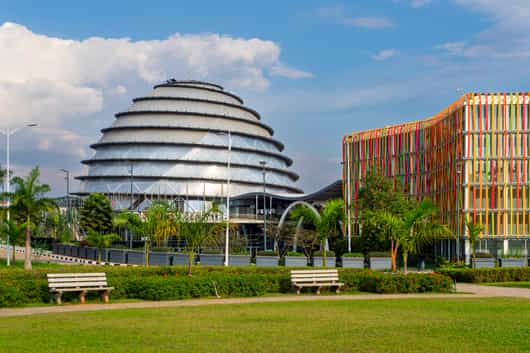
Rwanda
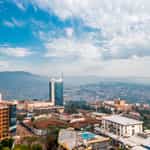
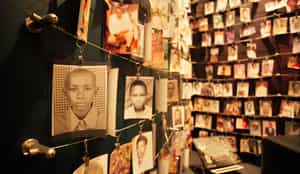
Clean, pretty and supremely peaceful, the capital is a cosmopolitan place with a sobering history.
Rwanda is typical of East Africa with a dry season from July to September and again from mid-December to February, long rains from March to May, and short rains in November and the first half of December. Although you can go gorilla trekking year-round, it’s most comfortable from July to September when the temperatures are cooler and there’s less chance of rain. January, February and March are also excellent months for a trek, just with slightly higher temperatures. If however, you are looking for chimpanzee in places like Nyungwe, the rainy season months are better – and rest assured that it doesn’t rain all day, every day! To combine Rwanda with a safari in Kenya or Tanzania and then some time at the beach, the dry season months are top-notch (July to September; December to February).

Dry Season — a good time to visit
Wet Season — a good time to visit
Wet Season — a quieter time to visit
Wet Season — a quieter time to visit
Wet Season — a good time to visit
Dry Season — one of the best times to visit
Dry Season — one of the best times to visit
Dry Season — one of the best times to visit
Dry Season — a good time to visit
Wet Season — a quieter time to visit
Wet Season — a quieter time to visit
Dry Season — a good time to visit

Rwanda has one international gateway for arrival by air, Kigali International Airport (KGL), which is located at Kanombe, 10km east of Kigali's city centre. This is a large airport and the hub for many airlines arriving from across the globe. There are various domestic airports and airfields connecting all major towns and safari destinations, and to other destinations in Africa. Depending on your arrival time you may have to overnight before catching your connecting flight to your first safari camp the next day. International flights We would recommend booking your flights online in order to get the best rates. If you need any help or advice please let us know. Domestic flights and transfers Connecting between all the locations on your trip may necessitate a variety of modes: light aircraft charters, domestic commercial flights and road transfers. Please review the inclusions and exclusions on your specific trip page for details. If you need help understanding the best flights to book, please let us know. From the moment that you land in Rwanda you will be greeted and assisted to your onward connections. You will be looked after from that point on until you are transferred back to the airport in time for your departure flight.
Please consult your personal physician and/or a travel clinic preferably 6 weeks prior to your departure. Vaccine requirements vary based on your country of origin and your travel itinerary and your previous vaccination history. It is best to consult with your physician or the CDC website for guidelines. Important vaccinations to consider and which may either be required or recommended are: Yellow Fever, Typhoid, Hepatitis A & B and Cholera, among others. Please always carry your "International Certificate of Vaccination or Prophylaxis (ICVP)" (or "Yellow Card") with you. Malaria Malaria is present in Rwanda and it is strongly advisable to take malaria prophylactics before, during and after your visit. Please consult a medical professional regarding which prophylactics will be suitable for you. In addition to the recommendations of your travel clinic or physician, you may also consider the following proactive preventative measures: ● Apply insect repellent to exposed skin. Recommended repellents contain 20-35% DEET but it is a very virulent repellent, and should be used cautiously. ● Wear long-sleeved clothing and long pants at dawn and dusk, as well as closed shoes. ● Use a mosquito net if your tent or room isn't screened or air-conditioned; and spray insecticide or burn a mosquito coil before going to bed. If you come down with flu-like symptoms either during or within four to six weeks after your visit to a malaria area, seek a doctor's advice immediately and let him/her know that you have been in a malaria area. You can also visit https://www.who.int/news-room/fact-sheets/detail/malaria for more information or see a full map of affected countries here - https://www.who.int/data/gho/data/themes/malaria. Yellow Fever There is risk of Yellow Fever in Rwanda; and, vaccination is required for travellers who are arriving from, or have transited through, countries with risk of Yellow Fever transmission (e.g. Kenya, Uganda or elsewhere worldwide). It will also be required should you be carrying on to any regional countries without Yellow Fever (e.g. South Africa, Botswana, etc). This requirement can change unexpectedly, therefore, we recommend carrying a Yellow Fever card with you at all times. Communication Rwanda country code: +250 Calling overseas from Rwanda: From a landline dial 00 followed by the country code plus area code and number. e.g. USA: 00 1 910 795 1048 When calling from a cell phone dial + prefix followed by the country code plus area code and number. e.g. USA: + 1 910 795 1048
Money The currency in Rwanda is the Rwandan Franc (RWF). You can convert money to Francs at a bank or Forex Bureau, or withdraw from an ATM, all found in the larger airports and towns. Please check with your bank for charges and advice when using international ATMs. Major credit cards are widely accepted in most hotels and establishments, however there may be a surcharge levied. It is advisable to have some cash for smaller shops and stalls. Major banks are available in most towns in Rwanda. IMPORTANT: When bringing foreign currency (e.g. USD, GBP, EUR) into the country, be sure to have the new format with no damage or marks. Gratuities Gratuities are not compulsory or expected; rather it is a reward for excellent service. If you are pleased with the service you have received, you are more than welcome to tip your guide or the staff. Tipping is usually done at the end of your stay. You may tip the staff individually, give the tip to the manager to distribute, or do both. Tips can be made in the local currency (RWF), USD, GBP or EUR. Gratuity suggestions: Safari camp or city lead guide: $15 - $20 per guest per day Transfer drivers (e.g. in cities or between the airport and hotel/lodge): $5 per guest per transfer Porter: $1 per bag Ranger or any “ancillary” guides on an ad-hoc basis for a specific activity: $5 - $10 per guest per activity General Camp staff (put in a central box in each camp’s main area): $10 - $15 per guest per day Waitstaff in a city restaurant: 10% - 15% (large group may incur automatic service charge - please check) When Primate Trekking we recommend the following: Park Guide: $20-$30 per person Tracker: $10-$15 per group per tracker (four trackers normally assist per trek) Porter: $25 per guest per day
Insurance It is a condition of booking that you carry the correct comprehensive travel and medical insurance to cover yourself, as well as any dependents/travelling companions for the duration of your trip. This insurance should include cover in respect of, but not limited to, the following eventualities: Compulsory Insurance: a. Emergency evacuation expenses b. Medical expenses c. Repatriation expenses Recommended Insurance: a. Cancellation or curtailment of trip b. Damage/theft/loss of personal luggage, money and goods
As a general precaution, we recommend you make several copies of your travel-related documents (passport, traveller’s cheques, credit cards, itinerary, airline tickets, insurance cover, visas, etc). Leave one set at home, and bring another set with you, and place it in a location separate from your originals. Citizens of countries members to the following international organizations; African Union, Commonwealth and La Francophonie get visa upon arrival and are waived visa fees for a visit of 30 days. Effective 01 January 2018, all nationalities will be able to apply for visas on arrival and without prior application. Please do contact the embassy or consultant in your home country to reconfirm visa requirements, as they are known to change frequently - https://www.migration.gov.rw/anounce/anounce/online-visa/ Visa Central is also a good resource.
Climate Rwanda produces a hot and humid climate with minimal temperature fluctuations throughout the year. There are two rainy seasons in the country – late-February to early-May (long rains) and the period from mid-October to early-December (the lighter short rains). Rwanda can be visited at most times of the year, but the climate can become quite unpredictable at the peak of the wet season. Dress Code Conservative/casual clothing is advisable in the bigger towns and cities in Rwanda Generally speaking, light layers of clothing in neutral safari colours of green, khaki and beige are the best items to bring with you. Dark colours such as navy or black can attract tstese flies and are best avoided, as are bright colours like yellow, red and purple if you are going on safari. Gorilla Trekking Guidelines • No spitting in the park • No littering in the park • No coughing in the direction of the gorillas • Only speak in whispers • Do not point at the gorillas • Movements around the gorillas must be unthreatening • No venturing behind thick shrubs, you may surprise a gorilla • If a nettle stings you, do not cry out, scream, shout-out loud or make any sudden moves • If a gorilla charges or vocalizes, do not look directly at it - stand perfectly still unless the guide asks you to crouch or move back • Keep a minimum distance of 7 meters from the Gorillas Please note: that children must be older than 15 years of age for gorilla tracking. What to Pack • Layers - long and short sleeve shirts and trousers • A warm fleece or jumper • A lightweight waterproof jacket • Comfortable but sturdy shoes • Flip-flops • Swimming costume (Bathing suit) • A hat or baseball cap • Sunglasses • Sunscreen – a must!
• Insect repellent • Toiletries – most camps will provide shampoo, shower gel and soap • A small torch • Spare batteries, plug adaptors and charging equipment • A good pair of Binoculars (8x40/8x42 is recommended) • Books or a fully loaded Kindle / iPad for siesta time • Pair of garden gloves (1 pair) • Low ankle gators (1 pair) • Knee high socks (1 pair) Most camps and lodges will have a small medical and first aid kit, but we recommend bringing your own supply of essentials - cough medicine, plasters, vitamins, aspirin and paracetamol, and anything else you use on a regular basis. Camera Equipment (for the enthusiasts) • A telephoto lens (200/300mm) • Flash and fast film (400 ASA) for night photography • Ample film (64,100,200,400 ASA) if you are using an SLR camera • Spare memory cards for digital cameras • Camera cleaning equipment and a good dust proof bag • Bring spare batteries as although you may recharge your batteries at the camps, charging capacity can be limited NB: Plastic bags are banned and carry a fine if brought into the country. Make sure you leave your bags on the airplane upon arrival. Luggage Please check with your airlines for the specific luggage restrictions relevant to your flight schedule. Many international airlines have a baggage allowance of 20 kgs or more per person and commercial airlines generally permit two (2) pieces of checked luggage. The carry-on bag must be of such dimensions and weight as set by the airlines. Electricity In Rwanda, the power sockets are of type C and J. The standard voltage is 230 V and the standard frequency is 50 Hz. Most hotel rooms have sockets for 110V electric razors. Also, most safari camps have electricity points either in the main communal area or in each tent/room. It is best to bring an adapter/convertor combination.
Absolutely. Rwanda has built a reputation as one of the safest, cleanest and most efficiently-run countries in Africa. Gorilla trekking in Volcanoes National Park is tightly regulated and you will always be accompanied by highly-trained rangers who ensure your safety. While the western border with the Democratic Republic of Congo experiences regional tensions, tourist routes avoid the area and won’t be affected.
Rwanda has a dry season from June to September and again from December to February, when trails are at their most accessible and enjoyable. However, as you get firmly into the dry months, gorilla trekking permits require booking 6 months to a year in advance. To avoid the busyness of peak season, some guests prefer the shoulder season of months (March to May and October to November) as gorillas tend to stay at a lower elevation, permit availability is better and lodge prices are lower. Rain usually only occurs in short afternoon bursts anyway.
A week-long Rwanda trip can easily include gorilla trekking in Volcanoes National Park and a safari in Akagera National Park, with a day in Kigali in between. However, if you have some extra time, opting for a trip of 10 days to two weeks makes it possible to add chimpanzee trekking in Nyungwe Forest National Park and some time relaxing on the shores of Lake Kivu.
The gorilla trekking permit is vital and effectively becomes the anchor around which the rest of your trip is built. So, nailing down a date and booking your permit is priority number one, and will likely need to be done 6 to 12 months in advance. It’s also important to understand the fitness requirements and your own limitations. You could be walking anywhere between one and eight hours, across uneven terrain, at elevations of 2,500 to 3,000 metres. Hiring a porter to assist you may be the best decision you make on the trip. Finally, get your packing right including the right coloured clothing, knee-high socks and gardening gloves.
A gorilla trekking permit in Rwanda costs $1,500 USD per person per trek for all international tourists. The amount covers park entry, the pre-trek briefing, your guide and armed ranger escort, and the hour spent with a gorilla family. The revenue feeds directly back into gorilla conservation and ranger employment, and the experience itself is exceptionally intimate. Depending on the time of year you’re planning on trekking, you’ll likely need to book 6 months to a year in advance.
We’re big believers in leaving a positive impact in the countries in which we operate. We’re proud to donate $50 for every booking to projects focusing on female empowerment, tech education, conservation, and so much more.
Our dream is to empower our guests to travel with a purpose.
So far, we’ve donated $107,000 to projects across the globe.


Why travel with Timbuktu?
We've been crafting one-of-a-kind journeys since 2014 — over 2,500 trips across 40+ countries, each one built from scratch around your interests and dreams.

Our team only recommends places they've slept in, eaten in, and happily keep going back to. Condé Nast Traveler named 11 of them Top Travel Specialists in 2026, and Travel+Leisure made three A-List Advisors.

Travel+Leisure's readers voted us the World's No.1 Tour Operator in 2024 and No.2 in 2025 — the travel industry's biggest readers' award, judged by people who actually travel.

$50 from every booking goes to female empowerment, tech education, and conservation projects across the countries we love. We have donated $78,000 so far – and it's going up!
Your travel specialist is with you the whole way, dreaming up the trip, building the itinerary, checking you in, and answering the 2am question from the other side of the world..
We are rated 4.9 out of 5 from 1007 verified Feefo reviews. And these are the words of people who actually went, not us talking about ourselves.
11 Condé Nast Traveler Top Travel Specialists 2026

No. 1 & No. 2 Tour Operator in Travel + Leisure's Best Awards 2024 & 2025

Best Booking Platform in Women's Health Travel Awards 2025

Travel Specialist voted as Latin America A-List Travel Advisor 2025
"Timbuktu can take relatively complex and slightly amorphous travel plans and transform them into a well-organized, perfectly tailored trip."