We're one of the World's Best Tour Operators!
Named three years running in Travel+Leisure World's Best, including No.1 in 2024
You’ll never run out of things to see in Sri Lanka, an island where you can marvel at ancient royal relics, go leopard spotting and bask on a sunny beach all in one trip.
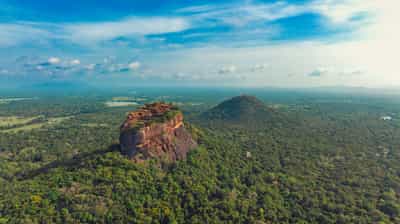
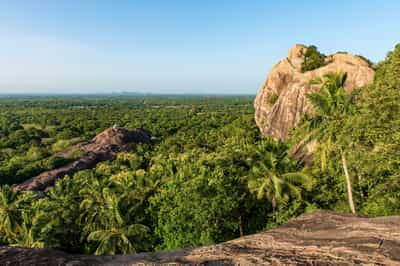
As spectacular, natural landmarks go, the towering rock formation of Sigiriya definitely scores highly. Making it even more mind-boggling is the fortress perched at the apex, the brain-child of King Kasyapa I who ordered construction in the 5th century. It is said that he went on to live in it with his harem of 500 for 20 years, but that’s a story for another day… The entire structure reaches over 200 metres into the sky, towering over the tangled jungle landscapes below, and will elicit a good few gasps from several kilometres away. Views from the top are utterly breath-taking and can be reached by ascending 1,202 delicate steps, past beautiful wall paintings. Start your climb at dawn for the dreamiest of views, or if you don’t fancy the head-rush, take to the skies in a hot-air balloon and appreciate its wonder from the clouds.
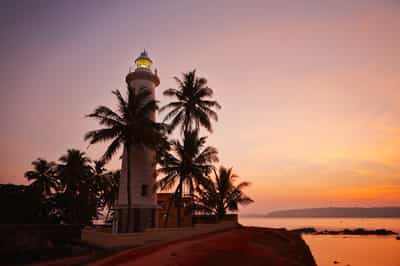
Sri Lanka’s south coast might be all surf, sea and sunshine but step away from the sand and into Galle’s higgledy-piggledy streets for something a tad different. The fortified town is one of Sri Lanka’s seven UNESCO World Heritage Sites and in its heart is a jaw-dropping fortress crammed with centuries of colonial influence from Portuguese to Dutch to English. It might be a cliché, but watching the sun rise or set over the thick castle walls will be a highlight of any trip. Beyond the ramparts, you’ll find an eclectic mix of art galleries, cafes and chic hotels all watched over by a jumble of entirely elegant architecture. Get into the nooks and crannies on a walking tour – the best ones will take you past local restaurants serving tuna salads and tasty hoppers, through the flea market to pick up antiques and decorative bunting, and ending at the sweeping seaside for a pineapple shake.
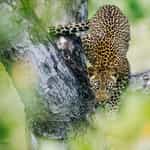
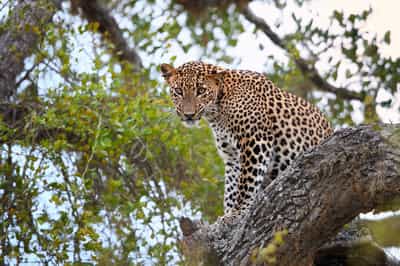
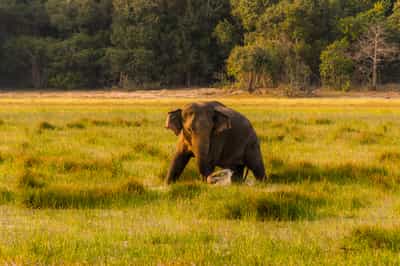
For a generous slice of Sri Lanka’s safari action, pop Yala on your travel list. Undoubtedly the country’s most well-known national park, it may already be on your radar, but the hype is absolutely worth it. Sloth bears, water buffalo and elephants roam wild through a diverse terrain of jungles, grasslands, lakes, plains and even a caramel-coloured beach or two, but the biggest drawcard is the leopard. Not only does the park have the largest population of the spotted cats in the world (60 in 380 square miles at the last count), they are also King of the food chain and can be spotted slinking around their natural habitat with relative ease. Any month of the year should yield sightings, but your best chance is probably from January to July, which handily coincides with the palu tree fruit season in late June and early July and the sloth bear’s nirvana.
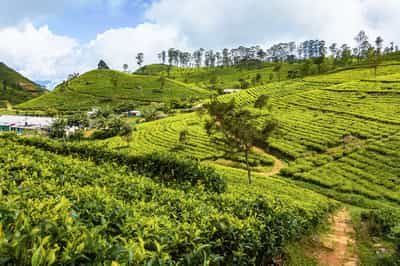
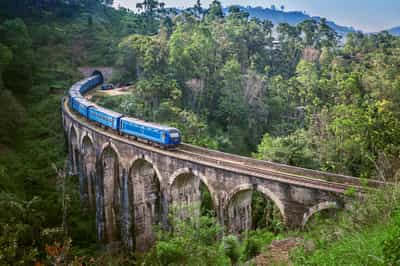
We know, we know, we shouldn’t have favourites, but once you’ve clapped eyes on enchanting Ella, we think you’ll agree with us. At 1000-metres above sea level, surrounded by quivering peaks and mist-wrapped landscapes carpeted with tea, the scenery around this little mountain village is beautiful. Add the iconic Nine Arch Bridge and the trundling toy train (make sure you hop in a carriage for at least part of your journey down) and the stupendous views through the Ella Gap, all the way to the lighthouses of the southern coast, and we’d go as far to say it’s some of the island’s best. So, what to do when you’re not ogling the scenery? Ella is famous for its walking trails and routes range from gentle strolls to temples and tea plantations, to hardy hikes up Ella’s Peak and to some of the region’s most astonishing waterfalls.
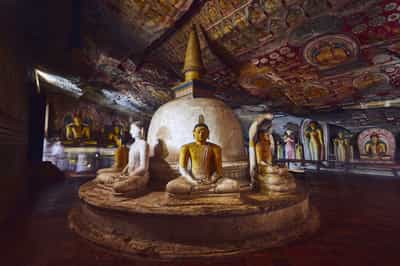
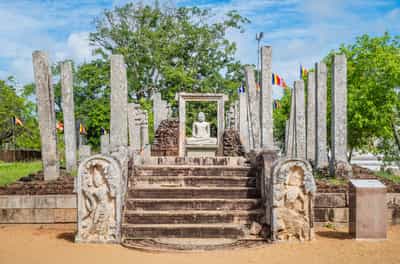
Anuradhapura was the ancient monastic capital of Ceylon from the 5th to the 10th century and a place of glory, promise and majesty. Today, it’s still the capital of the region and although not quite as grand as it may once have been, the crumbling temples, monasteries, and forts are still magnificent. Many of the buildings are, in fact, in use today as places of worship and the entire area has a vibrancy to it, magnified by the ever-present hum of Buddhist ceremonies. Sights to take note of include the enormous, brick-built dagobas, ancient symbols of meditation and the tallest in the world, and the old water tanks, a remnant of one of the most ambitious irrigation systems in the world. And probably the most beautiful is the sprawling Bodhi tree, believed to be an offshoot of the very tree under which Buddha became enlightened 2,300 years ago, and revered the world over.
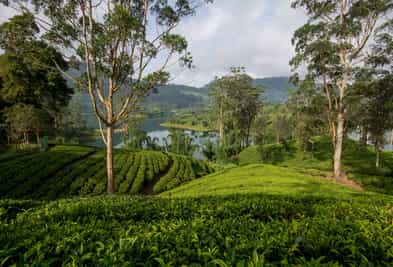
There’s more than a subtle dose of the genteel about Sri Lanka’s Hill Country, but Hatton really does take the (cream-filled) biscuit. It’s the first stop on the train journey from Kandy and arrivals at the platform are greeted simultaneously by honking goats and chickens and the station manager, resplendent in cap and gold frills. Drive out of the town centre and you’ll pass colourful Hindu temples and row after row of lush tea plantations. The world’s favourite hot drink is really the focus of a stay here and you’ll have the pick of the factories to learn everything there is to know about the leaf-to-cup process. Hatton is also the closest point from which to hike Adam’s Peak, a 2,243-metre-high conical mountain with a sacred footprint rock formation thought to belong to Buddha.
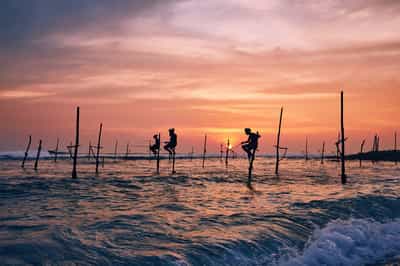
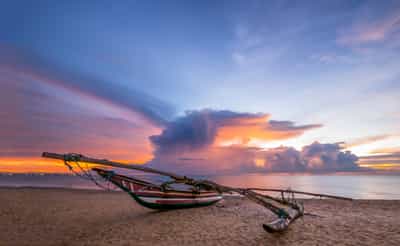
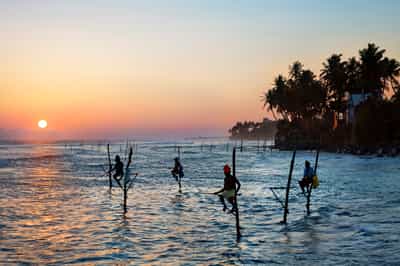
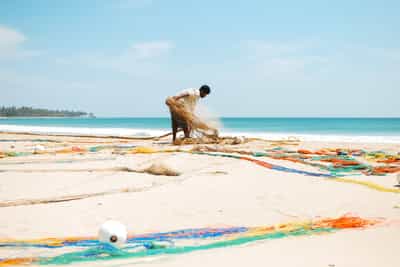
On the southern section of the Sri Lankan mango, the Weligama coast is another highlight of any beach-comber’s handbook, although in this case there’s another reason to visit: whales. The coastline (and in particular the fishing town of Mirissa) is one of the best places in the world to spot both blue and sperm whales as well as frolicking dolphins, and if the denizens of the deep top your wishlist, time your visit from December to April. If not, there’s still plenty to captivate, from the pretty bays and coconut groves to the gentle ocean swell that will have you reaching for a surfboard in the flash of a flipper. Other water-based activities include sailing, kayaking, surfing, diving and snorkelling, and then there’s the iconic stilt fisherman and their colourful fishing boats, one of Sri Lanka’s most iconic sights and a beautiful one at that.
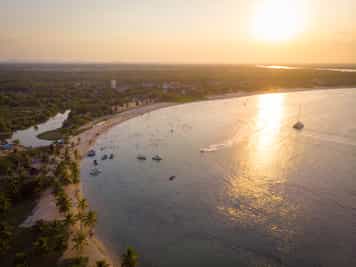
It is said that the further east you head from Galle, the more beautiful, blissed-out and rustic the beaches become. Tangalle is about as far east as you can get and the silky sands that line this little stretch of coastline and frame its pretty villages certainly are supreme. Coast-side, you’ve got your pick of tranquil coves and coconut-lined bays and the gentle swells couldn’t be better for a morning swim or an afternoon surf. The Deep South has upped its style game in recent years and the crop of cool-as-a-cucumber hotels and villas (spot the Geoffrey Bawa) will appeal to loved-up ‘mooners, young families and yoga bunnies. If you tire of lounging (you never know, it might happen), head inland to the patchwork rice paddies for hidden villages, Buddha statues and the increasingly well-known Mulgirigala rock temples, or venture further afield for a day trip into one of the island’s wildlife-strewn national parks.
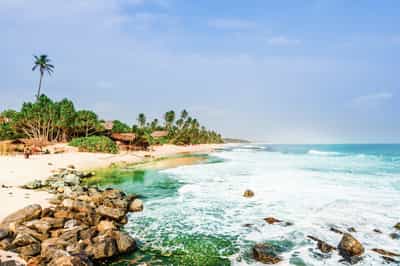
A hop, skip and a jump from Galle, one of Sri Lanka’s finest cities, lies Lake Koggala, one of its finest lakes. The freshwater lagoon and its village namesake are peaceful, inviting and totally unhurried; places where Technicolour butterflies flitter in the sky and digital detoxes don’t sound like something to be achieved – they just are. The lake itself is the main attraction and its glassy waters are punctuated with small, temple-sprinkled islands that can be explored by boat. A highlight is always a visit to one of the cinnamon farms where you can watch farmers packaging the sweet-smelling spice into long quills before being painstakingly dried into the papery bark recognised the world over. Then there’s the jungle-clad shoreline, a paradise for wildlife including larger-than-life lizards and electric kingfishers, and a couple of lowland tea plantations nearby that complete the Sri Lankan experience.
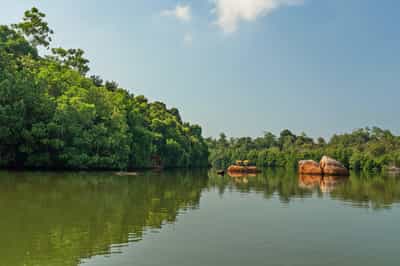
In an island of idyllic, palm-fringed beaches, it's the Bentota area, between Colombo and Galle on the south-west coast, that’s home to just about the very best. Bentota town itself is pretty enough (and a great place to shop, slurp smoothies and people-watch), but it’s a few steps further to the south where the magic really happens. First up are beaches ripe for waterskiing, windsurfing and even horse-riding, alongside exquisite Geoffrey Bawa-designed hotels. Then, head towards sleepy Balapitiya and discover a jungled landscape strewn with wetlands and mangrove forests ripe for boating, as well as inland Buddhist temples that are well worth an exploration. This southern section is also home to world-famous turtle hatcheries where you can play your part in conservation and release baby turtles into the wild. Struggling to choose a spot? Rest assured that wherever you end up, the south coast is a lesson in in forget-about-everything relaxation...
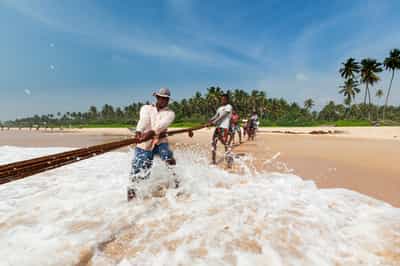
Around 30 miles south of Nuwara Eliya is the Tamil town of Haputale. Clinging to a steep ridge with extraordinary views over the mountains, sometimes mist-laden, sometimes not, it’s the kind of place where time stands still and nature reigns supreme. One draw of the sparkling air will revive even the most travel weary, as will the crop of chic hotels that have sprung up in recent years. Close-by is Horton Plains National Park, a Narnia-esque grassy highland of ancient trees and swirling fog that is magical, mystical and a delight to explore. It’s the only park in Sri Lanka that allows hiking and the circular trail will take you on a wander through cloud forests home to monkeys, deer, mongoose and giant squirrels. Then, you’ll arrive at World’s End, a stunning escarpment that plunges 1000 metres into the seemingly infinite valley below – and that’s certainly worth the 8-mile round hike.
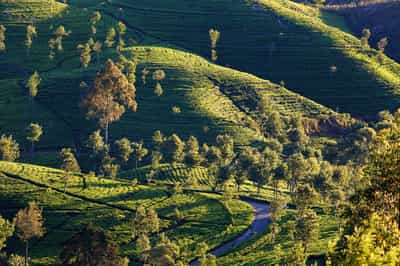
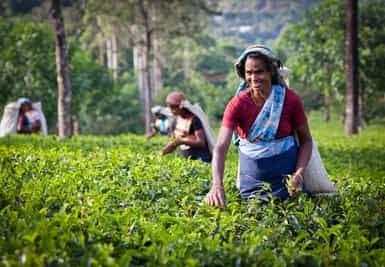
The entire Hill Country scores pretty highly in the photogenic stakes, but stealing the top rank is probably the ‘capital’ Nuwara Eliya. Translated as ‘city on the plain’, the hill station was once the favourite spot for imperial Brits to holiday (perhaps it was that familiar climate?!) and today, there’s still a strange sense of home around. On a wander, you’ll spot crimson letterboxes and croquet lawns next to estates of sari-clad tea pickers, and many of the mansions and mock-Tudor houses have been turned into fabulous boutique hotels, ideal for a G&T or three. Pottering and tea-drinking aside, Victoria Park offers excellent sightings of numerous, multi-coloured birds and the crystal waters of the dramatic Aberdeen Falls are worth a visit too. And how about rounding things off with a different type of ‘tee for two’ and a spot of golf on one of Asia’s oldest courses?
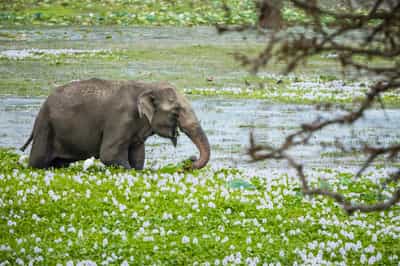
Wilpattu National Park is located in the dry lowlands of north-west Sri Lanka, which may seem strange when we tell you that the park’s defining characteristic is its natural water features. The land is actually an intricate matrix of villus, or lakes, that are strung across the wild terrain and surrounded by wide plains – a stark change from the jungled forests of other areas. Aside from being incredibly striking, it’s these villus that attract the park’s vast and varied cast of animals, from elephants and crocs, sloths and the rare barking deer to elegant white egrets and even spoonbills. The leopard population is also healthy, and whilst it might not be Yala-worthy just yet, there’s a good chance you’ll spot a cat, especially as there are no strict game drive times or even trails to adhere to.


Namibrand, Namibia