
We're one of the World's Best Tour Operators!
Named three years running in Travel+Leisure World's Best, including No.1 in 2024
Explore 6 handpicked hotels in Provence
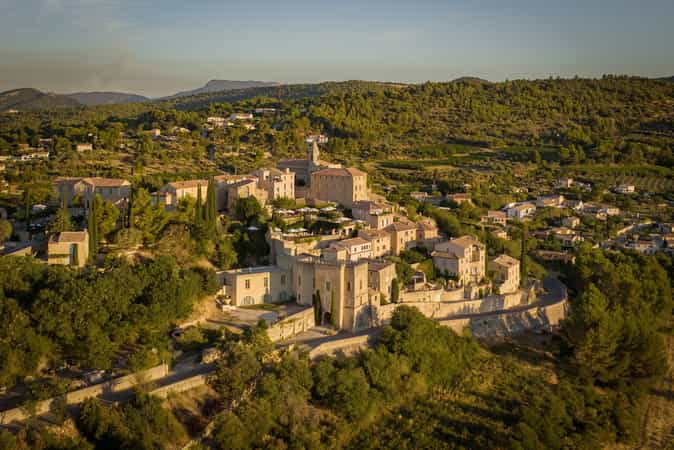
Provence
A dozen tumbledown village houses have been stitched into one hotel here, joined by lanes and stone bridges, with Mont Ventoux filling the end of every terrace. Lunch at La Table du Ventoux runs long over the vineyards, and the kitchen will happily teach you to cook it. The village has five hundred-odd residents and no shops to speak of, and takes its name from Henri IV's favourite soldier. The king's famous line to him, 'Hang yourself, brave Crillon; we fought and you weren't there', is probably apocryphal, but nobody here minds. Nothing much happens up on this hill. That's the appeal.
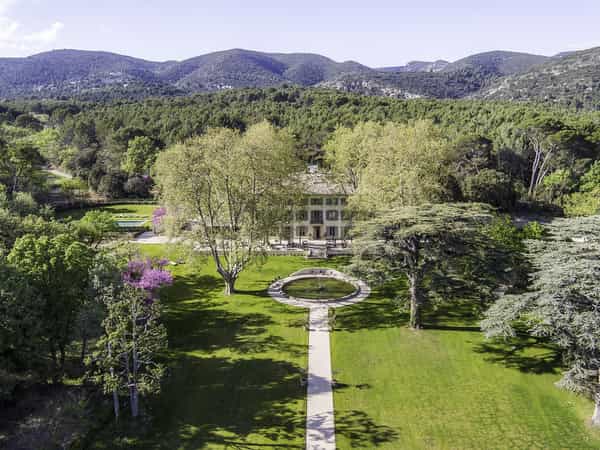
Provence
Vines run right up to the walls of this old Provencal bastide on the sunnier southern flank of the Luberon, and the grapes you wander past at dusk end up in your glass at dinner. It belongs to Les Domaines de Fontenille, a small group that would rather make its own wine than print somebody else's on a list. Elderly cedars shade the pool, donkeys and hens patrol the lawn, and the vaulted cellar has been handed over to contemporary art, rehung a few times a year. Two kitchens cook here: one chasing stars, one feeding you straight from the vegetable garden. We'd happily eat in both.
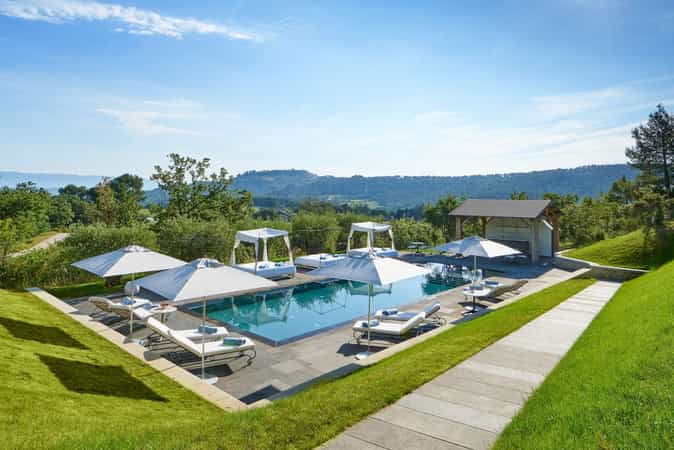
Provence
Honey stone and tall glass on a hill above a biodynamic vineyard outside Aix, each suite hidden behind a wall of its own. Step out of yours and the estate starts handing you things: a Tadao Ando chapel, a Frank Gehry music pavilion, Louise Bourgeois's spider crouched over a reflecting pool, Richard Serra's steel leaning into a hillside. Paddy McKillen, the Irish property developer who owns the lot, has spent two decades commissioning permanent work from Pritzker winners and blue-chip artists and setting it loose among the vines. The wine is made here too, and made very well. The art is public; the hotel very much isn't.
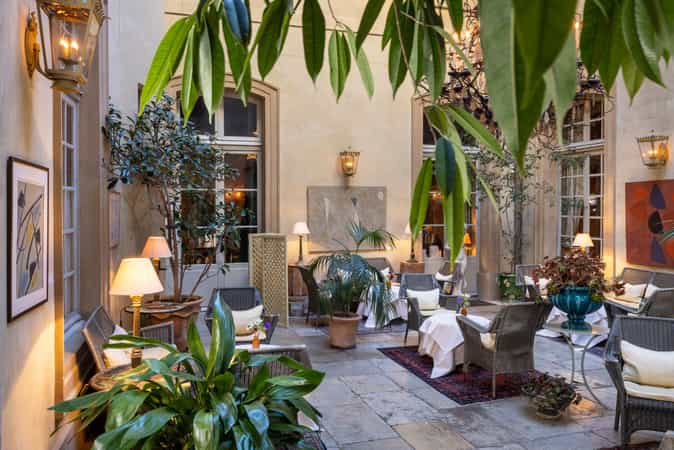
Provence
The Gothic bulk of the Palais des Papes rises directly across the lane from this cardinal's house, close enough to fill the bedroom windows. Inside, the Stein family spent three years layering antiques, silks and papers until it looked as though one household had been decorating since the popes left. Out back, a walled garden of fig trees and roses swallows the city whole. Add three restaurants and a cookery school in the old kitchen, and you begin to see why the cardinal chose the spot: Avignon, not Rome, was the seat of the papacy for most of the 14th century, and he wanted to live as close to the action as he could get. He got his wish. So do you.
Provence
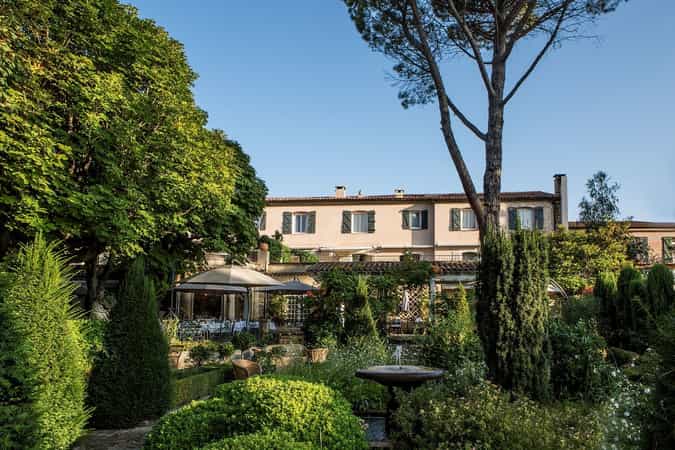
Behind gates on the southern edge of Aix, this old bastide is wrapped in a garden of rose arcades, chestnut shade, fountains and chess tables, with a heated pool tucked under the branches. Cézanne came here to paint Mont Sainte-Victoire, and from the right spot you can still see what caught his eye. Serge Gainsbourg and Clint Eastwood have both signed the guest book, and the spa offers singing lessons alongside the massages (yes, really!). Central Aix, with its fountains, plane trees and unhurried lunches, is only a stroll away. The garden makes a strong case for staying put.
Provence
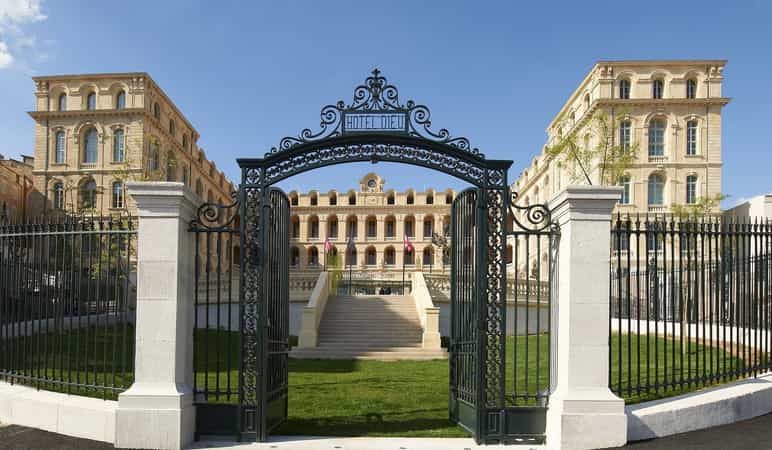
Pale stone arcades, collonaded courtyards and a long terrace hanging over the Vieux Port: this vast 18th-century hospital is now the grandest hotel in Marseille. Designer Jean-Philippe Nuel has dressed the interiors in mineral greys and pale wood. Rooms face the water or Le Panier behind, and the best open onto private terraces with the gilded Madonna glinting on the hill opposite. Les Fenêtres runs from breakfast until late, Le Capian pours pastis above the boats, the Clarins spa hides in the old vaults, and after dark the façade lights up like a stage set. Nobody here is being subtle.


Namibrand, Namibia