We're one of the World's Best Tour Operators!
Named three years running in Travel+Leisure World's Best, including No.1 in 2024
The Kathmandu Valley is Nepal’s culture-packed “starter kit” in the best possible way. Home to no less than seven UNESCO-listed monument zones and three historic Malla cities – Kathmandu, Patan and Bhaktapur, each with their own personality, quirks and charms and all reachable by taxi – it’s all woven together by a melee of temples, sacred stupas, courtyards, workshops and daily rituals. Expect a mix of spice-scented lanes, gilded shrines and awe-inducing craftsmanship around every corner. It’s also a brilliant place to ease into Nepal gently: short drives, plenty of beautiful hotels and chilled-out cafes, and endless places to just wander and see where the afternoon takes you…
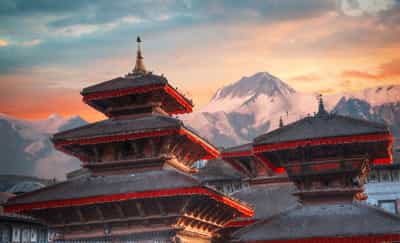
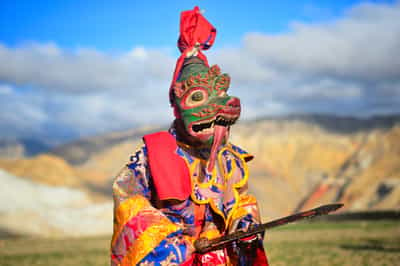
This is as close to Tibet as you'll get without crossing the border – a high-altitude desert realm that feels like stepping into another world entirely. Once a forbidden kingdom closed to outsiders, this remote corner reveals a landscape of rust-red cliffs, ancient cave monasteries, and medieval walled cities that time forgot. The former royal capital of Lo Manthang sits like a mirage in the barren wilderness, its whitewashed walls and prayer flags fluttering against impossibly blue skies. Traditional Tibetan Buddhist culture thrives here virtually unchanged, from sky burial sites to centuries-old gompas carved into cliffsides. It's harsh, haunting, and utterly mesmerising – a place where silence rings louder than temple bells and every vista looks like it's been lifted from a mystical dream.
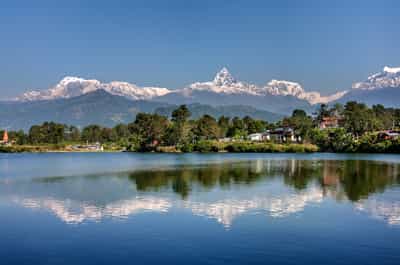
Like taking a giant breath and letting it out slowly, Pokhara is Nepal’s reset button. It’s lakeside, laidback, and surrounded by some of the most photogenic mountain scenery in the country, the Annapurna range its constant backdrop. But actually, Phewa Lake is the real star and where most days start and end: take a boat out and visit the island Barahi Temple, wander the Baidam area and browse the shops and restaurants, and give yourself permission to do absolutely nothing at least once. When you do feel energetic, Pokhara is the gateway into the Annapurna region and the incredible hiking trails, with options ranging from gentle day walks to multi-day treks, as well as Sarangkot (1,592 m), the sunrise star where paragliding and panoramic views are the name of the game.
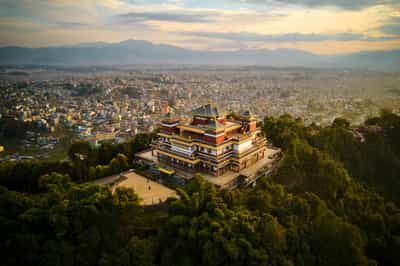
Kathmandu is buzzing, busy, brilliant and completely unfiltered. From ornate palace courtyards and incense-filled alleyways filled with the glow of butter lamps, to vibrant bazaars, processions, honking scooters and (very) determined holy cows, there really is a little bit of everything. Once a key point on the trans-Himalayan trade routes, it’s also where Nepal’s story has long been gathered, traded and argued over – and the city still feels very much like a modern meeting place today. The big-hitters – Durbar Square, Monkey Temple, the Boudhanath Stupa and the Hindu temple of Pashupatinath – are well-worth a visit, but linger for a while and browse the shops in Thamel, and then refuel at one of the pretty cafes in the Garden of Dreams to really get a feel for this iconic slice of Nepal.
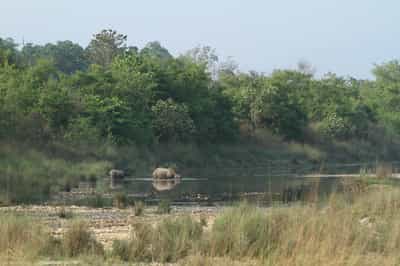
Chitwan is Nepal’s wild card – and an excellent one at that. Set in the Terai, in the lowlands of Southern Nepal, it’s a 360-square-mile patchwork of towering sal trees, grasslands and river systems and whilst the safari rhythm is instantly familiar (early starts, binoculars, excellent guides), it’s the activities that make it so unique. Hop on a jeep to search for the greater one-horned rhino, the park’s incredible conservation success story, and the fiery glint of a tiger (Chitwan is a stronghold of the Bengal and home to 120 of an estimated 3000 in the world), explore on foot for a closer look at the colourful birdlife and langur monkeys dancing in the trees, and then cruise down the Rapti River on a boat safari to spot long-nosed gahrial and even a swimming rhino or two if lady luck is on your side.
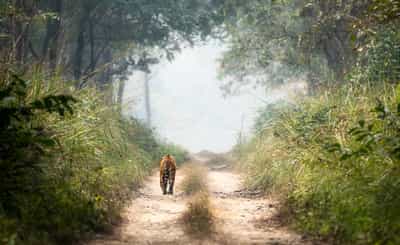
In the far west of Nepal, Bardia is all about vast jungle and seriously good wildlife sightings combined with plenty of space, fewer jeeps – and lots of elbow room! The landscape is incredibly varied and it’s this mix of dense sal forest, riverine habitats, and wide, open grasslands that make it a strong contender for the best tiger sightings in Nepal. But, if luck isn’t on your side, there are plenty of other animals to spot, including deer, nilgai, wild elephant, rhino and leopard and even Gangetic dolphins in the Karnali River. It can take a little more effort to reach than Chitwan, but that’s part of the charm… This is a place that feels remote and slightly under the radar in the best possible way.
If Nepal has a hidden gem (well, in trekking terms) it might just be Langtang. Just north of Kathmandu, it’s a region defined by emerald-green, forested trails, high valleys and glacier views, but despite being very accessible from the city, feels a million miles away from the hubbub. And, perhaps most importantly, it doesn’t come with any of the fanfare (or logistics) of the Everest side. The Langtang Valley trek is the main hiking route, but there are plenty of add-ons and diversions depending on interests: Kyanjin Gompa, a pretty, hillside settlement that offers up big mountain scenery in epic doses, the sacred lakes at Gosainkunda, or the Tamang Heritage Trail where the culture is as much the point as the peaks, for example.
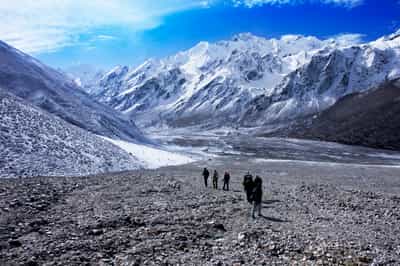
Nepal’s (or should we make the world’s?) most famous mountain playground, the Everest region is a high-altitude world of superlative scenery, big views and deep, deep valleys. Of course, trekking is one of the main reasons many come here, and the classic hiking area is within UNESCO Sagarmatha National Park, presided over by the towering peaks of Mount Everest. Many start with a flight into Lukla, then continue on foot through villages like Namche Bazaar, a major stop on the way to Everest Base Camp and a lively meeting point for Sherpas and traders. But if you don’t want to trek, do not fear! There are several scenic flight options from Kathmandu that swoop over the region for those breathtaking views without the hiking boots – and arguably better photos. However you do it, Everest for us is less about ticking boxes and more about spending time in a landscape that makes everything else feel… a bit smaller (in a good way).
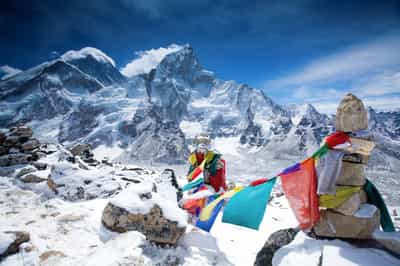
Revered as the birthplace of Buddha, Lumbini – a designated UNESO World Heritage Site and the home of Buddha for 29 years – is slow, peaceful and totally serene. At the centre of it all is the Sacred Garden, home to the Maya Devi Temple (dedicated to Buddha’s mother) and the Pushkarini Sacred Pond, whilst the wider area includes monastic zones where countries from across the Buddhist world have built temples and monasteries in their distinct style. The entire area is a contemplative contrast to the tiny lanes and bustling squares of the Kathmandu Valley and even if you’re not travelling for pilgrimage, it’s a place for reflection and easy days, gazing at the intricate architecture and tuning into your spirituality.
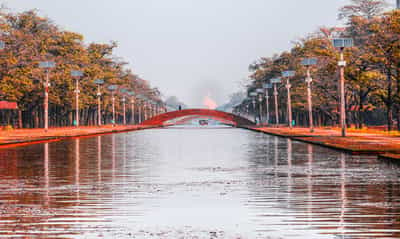
Whether you’re in for a wild trekking adventure or a gentle few days of village wanderings and lodge comforts, Annapurna fits the bill. Spectacular, varied and flexible, it’s anchored by the Annapurna Conservation Area — Nepal’s first conservation site and largest protected area - and is rich in both biodiversity and culture, with tiny communities spread across the valleys. A classic circuit is Poon Hill, famous for being manageable but rewarding – and for its sunrise views and places like Ghandruk, full of terraced hillsides and big Himalayan backdrops that look as if they have fallen from a storybook. Bigger journeys head for Annapurna Base Camp or take on sections of the Annapurna Circuit… and there’s always a cosy fire and hearty dinner on your return.
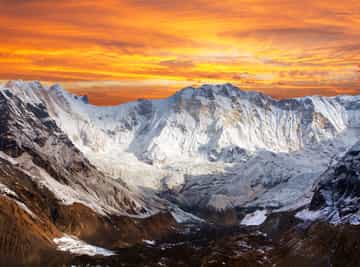
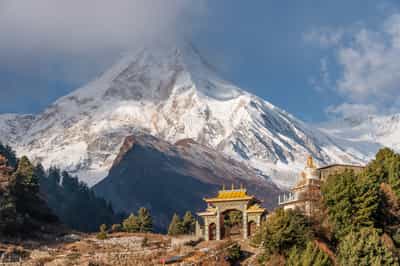
Rugged and remote, Manaslu (meaning “Mountain of the Spirit”) is Nepal’s off-radar hiking choice for those looking for something… well, a little less crowded. The mountain itself is the eighth-highest in the world at 8,163 metres above sea level, and the Manaslu Circuit is a full loop trek around the base, winding through subtropical forests, alpine desert landscapes and icy-blue freshwater lakes, ending with an ascent over the staggering Larkya La Pass to Manaslu Base Camp at an impressive 5,106 metres. The area is also a dedicated conservation zone and home to wild and wonderful creatures including snow leopards, red pandas, and Himalayan Tahr. And then there’s the culture – with Gurung, Tibetan and Tamang influences, the region is a melting pot of diversity and encounters with the local people are intimate and hugely rewarding.
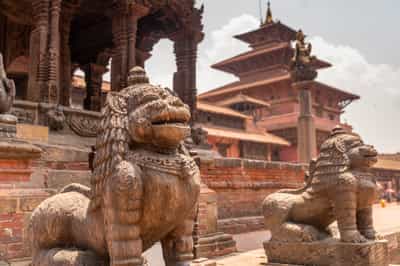
Patan (or Lalitpur, meaning ‘beautiful city’ in Sanskrit) is a little like Kathmandu’s stylish cousin. Famed for its exquisite and well-preserved architecture, the creative heritage is evident everywhere you turn, from the intricate metalwork and carvings to the out and out beauty of the squares and buildings. A highlight for many is the Patan Museum, set within a restored palace and known for its beautiful collection of South Asian art and artefacts as well as several stolen pieces, returned to Nepal by foreign museums. This is a town that is perfect for travellers who like culture without chaos: take it slowly, go detail-hunting, then settle in for a long lunch while the city carries on around you.
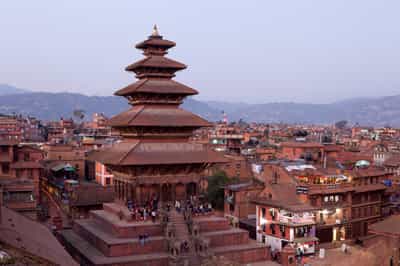
Step back in time into the streets of Bhaktapur, a meticulously preserved Newar city a short drive east of Kathmandu. The historic centre is absolutely made for wandering with its narrow lanes, carved façades and traffic-free squares. UNESCO hotspot Durbar Square is the obvious starting point (and definitely worth the hype), with the Palace of 55 Windows as a headline act, but don’t stop there: wander to Taumadhi Square to see the stunning five-tier Nyatapola Temple and nearby Bhairavnath Temple, then carry on to Dattatreya Square for more temples, wood carvings and pleasant courtyard life. The city is also a wonderful place to browse local markets, and shopping opportunities for terracotta pottery and woodwork abound. It’s brilliant as a day trip – but even better with an overnight so you can see it early.


Namibrand, Namibia