We're one of the World's Best Tour Operators!
Named three years running in Travel+Leisure World's Best, including No.1 in 2024
Safari greats, coastal beauty spots & the allure of Cape Town (and its winelands!) are all yours on a spectacular South Africa trip.
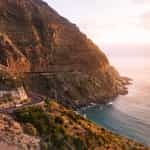
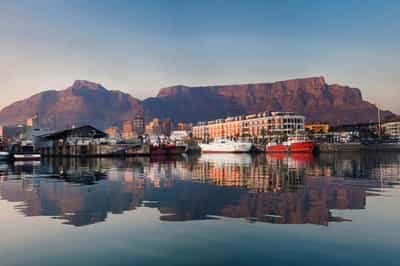
Cape Town is, quite simply, one of the most beautiful cities in the world, and to say we are glad to be based here is an understatement! Rising up behind the city bowl is unmistakable Table Mountain, source of beautiful views and endless hiking opportunities. Pound the quirky streets of the city centre for boutique shops, respected galleries and delectable restaurants, or peruse the V&A Waterfront for food with a view. More of a sand-between-your-toes sort of person? Head for the golden beaches of Clifton and Camps Bay, or south along the peninsula to Simonstown, with its naval history, bouldered beaches and more than a few penguins. Add gorgeous sunshine and welcoming people and you’ve got yourself a pretty spectacular holiday destination!
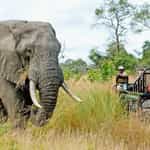
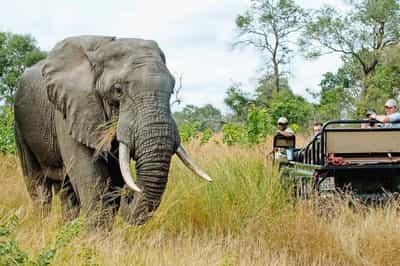
The incredible Kruger National Park is undoubtedly southern Africa’s most famous game reserve, well known for its outstanding variety of wildlife. It’s not just the national park that attracts attention either; the enormous private reserves around Kruger – the Sabi Sand and Timbavati to name a couple – are some of the most wildlife-rich areas in the world, packed to the rafters with prowling predators. If you have just a few days for a safari and want to see as much wildlife as possible, then these are the places for you. Here, accommodation ranges from uber-luxurious lodges to simple, tented camps. But whichever you choose, your Kruger safari experience is guaranteed to be one to remember.
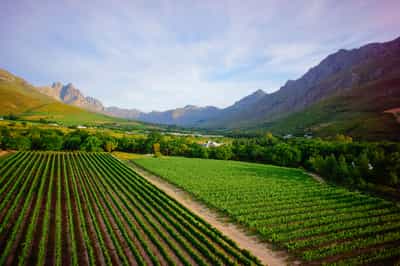
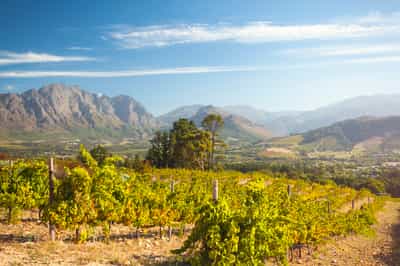
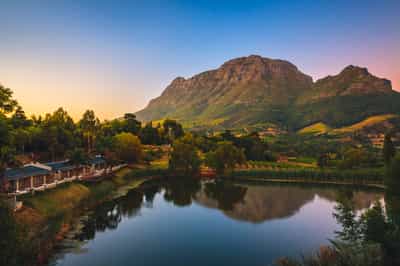
For a hedonistic few days of the best kind of indulgence – of food, of wine, of shopping and of breath-taking views – Franschhoek is the bees knees. A tiny yet incredibly buzzy village in the heart of the Winelands, it was established by French Huguenots in 1688 (the name literally means “French Corner”) and became an enclave of European culture and experience. Today, it’s the gastronomic capital of the country and home to the crème-de-la- crème of restaurants and wineries. From Michelin stars to foraged cuisine, and vineyards with boutique winemakers to picnics accompanied by a glass of something cold, epicurean delights abound – and they are all exquisite. Enjoy them from the wine tram, an old-fashioned rail car that rattles around the valley and stops at a selection of farms. Then, once you’ve tasted-tested your way around, take some time to enjoy the stunning natural scenery: mountainous Mont Rochelle reserve is the place to walk or hike in style (and admire the breath-taking views), or hire a bike and peddle around the farm paths and trails. And don’t forget a morning in the village, peeping into the cool-as-a-cucumber galleries and boutiques and sipping coffee and croissants, Parisian-style...
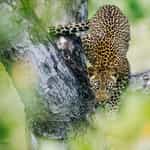
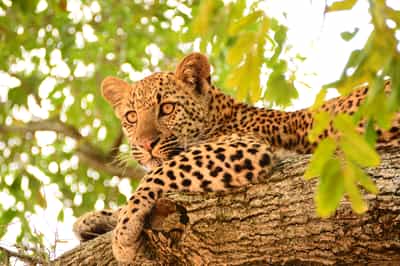
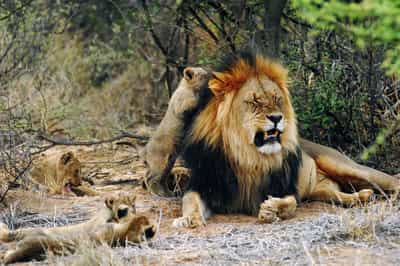
Together with the northern sector, the Sabi Sands Reserve spans 65,000 hectares and has become known as one of the finest wildlife areas in South Africa. Named after the two rivers that run across its vast terrain, the Sabi and the Sand, the reserve has plenty to keep its four-legged residents happy. It also shares a fenceless border with the Kruger National Park so animals can move freely across miles of land. In the south, many of the lodges are set along the rivers, making game drives and bush walks even more spectacular. The reserve is particularly well known for its incredible big cat sightings, especially leopards who enjoy the trees along its rivers as cool hiding spots. You can also look forward to an impressive display of birdlife from eagles to the tiniest kingfisher. In the south, the lodges (all of the luxurious kind!) enjoy a sense of exclusivity in their activities and you’re unlikely to see other visitors whilst out and about.
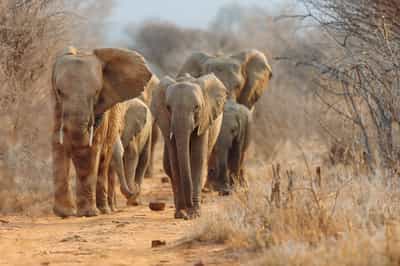
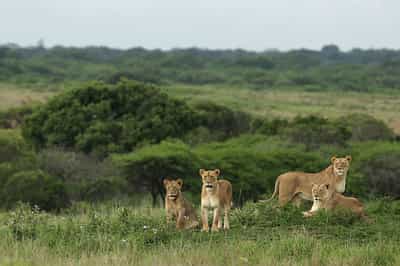

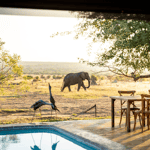
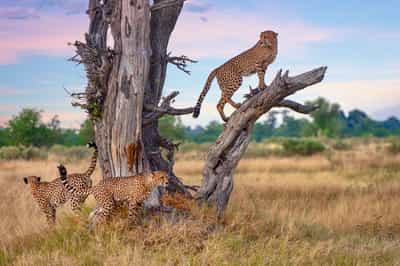
A truly prolific wilderness where everything from the smallest klipspringer to herds of elephants roam the bushveld, the Kruger National Park has become an icon in safari circles. The Central Kruger is one of the most popular sectors and its diverse habitat is home to a whole host of animals and birdlife. Whilst out on game drives, you’ll have the chance to spot an array of antelope and good numbers of lion, leopard and cheetah. The region also has a collection of high-end lodges spread across different concessions, where you can cool off in the pool or enjoy a rejuvenating session at the spa.
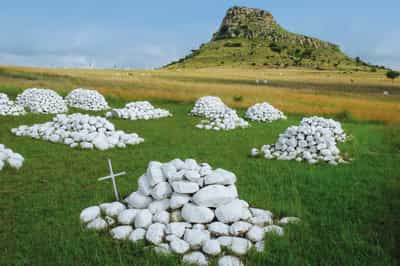
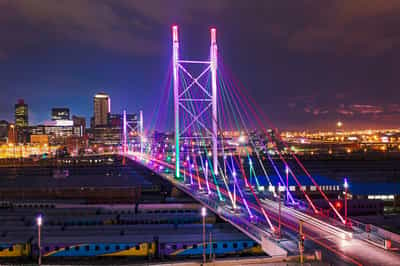
Also known as Egoli, the Place of Gold, Johannesburg is Southern Africa's economic hub. Most inbound flights will route via Johannesburg, and it's well worth spending a few extra days in this vibrant city. Spend some time at the Apartheid Museum, where South Africa's rocky racial past is laid bare, or head out of town to The Cradle of Humankind, where some of the earliest hominid remains have been un-earthed and are on display at the amazing Maropeng Museum. Enjoy some of the busy restaurants of Sandton, or head into the rejuvenating City Centre of Newtown for a melting pot of African cultures.
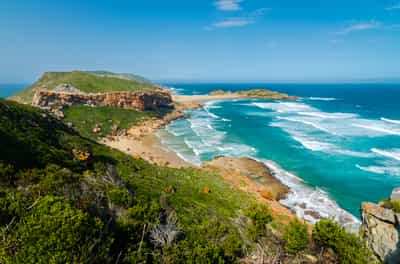
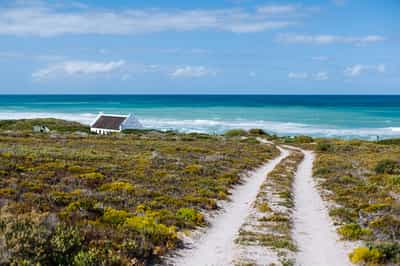
After you’ve left Cape Town and before you reach the beginning of the Garden Route, there’s a beautiful stretch of land with picturesque towns dotted among rolling hills, seaside hamlets overlooking white sands and frothy waves, and stunning wildlife and nature reserves that even the locals don’t know about. This is the Western Cape Overberg region, one of the lesser explored parts of South Africa, and one that you should add to your itinerary now. It’s a photographer’s dream, there’s wildlife aplenty and, to top it all, you may well be the only people there – really!
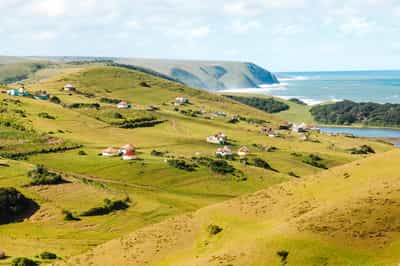
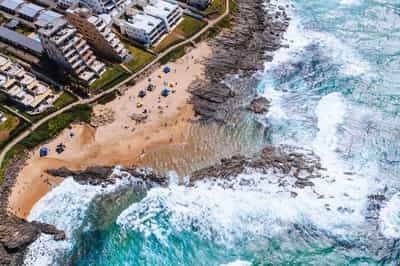
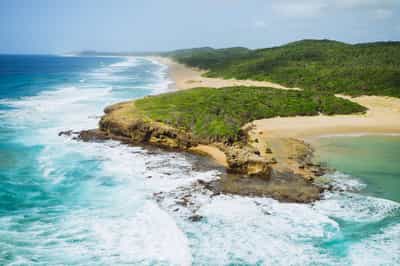
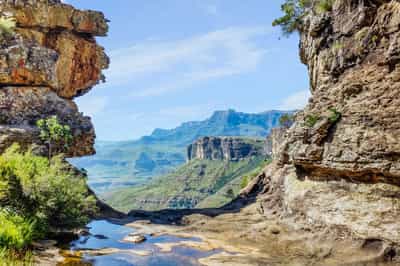
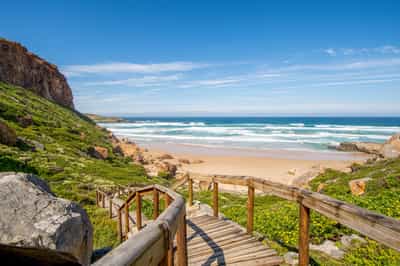
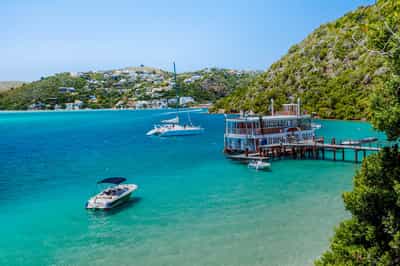
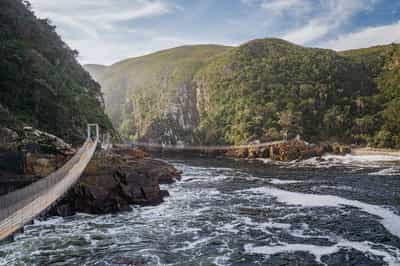
Drive east from Plettenberg Bay, past pretty-as-a-picture Keurboomstrand and the heart-stopping Bloukrans Bridge and bungee, and you’ll soon stumble across Tsitsikamma and the village of Storms River. Tsitsikamma is the name given to this section of the Garden Route National Park and encompassing deep ravines and dense forests, roiling rivers and a host of flora that looks as if it belongs on a movie set - think giant Outeniqua trees and orchids and lilies the size of small children - it’s nothing short of spectacular. The 80km coastline is just as remarkable and it’s not unusual to spot dolphins and whales from the shoreline whilst baboons and dassies run amok nearby. Storms River is a few minutes from the entrance to the park and although small, has made its name as a something of an activity hub. It’s here that you can book the zip-lining tree canopy activity, guided hikes, and kayaking tours. If you’d rather tackle Tsitsikamma alone, simply head through the gate and follow one of the well-marked hiking or walking trails; the viewpoint just over the 77-metre suspension bridge at the Storms River mouth is a favourite.
If you were under any doubt that Wilderness was astonishingly pretty and, well, tucked into the wilderness, let us set you straight. A world of dense forests, towering slopes and pretty lagoons on one side, and whiter-than-white sand pounded by a frothing ocean surf on the other, to stay here is to slow down, relax, and enjoy everything the great outdoors has to offer. The area is, in fact, renowned for its peace and tranquillity and the enclave certainly seems to have been absolved of stormy seas and windswept shorelines, making it ideal for long, wandering walks and hikes, mountain biking and windsurfing, or simply finding a pretty spot to sit down and just…be. The town centre is perhaps not as ‘wild’ as the name suggests, but when the coffee’s that good (we’re talking the Green Shed Roastery) and there’s an authentic Neapolitan pizza restaurant in the vicinity, we’re quite happy to take a visit.


Namibrand, Namibia