Brazil is huge (it’s the fifth-largest country in the world and takes up almost half of South America), vibrant and filled with wonders, both human-made and natural. In fact, we’d go as far as to say there’s nowhere quite like Brazil with its staggering biodiversity, over 7,000 kilometres of unbroken coastline and unique culture, which varies from one region to the next. In this blog, we’ll explore our top 10 favourite things to do in the country (although there are thousands), so get comfortable and dig in!
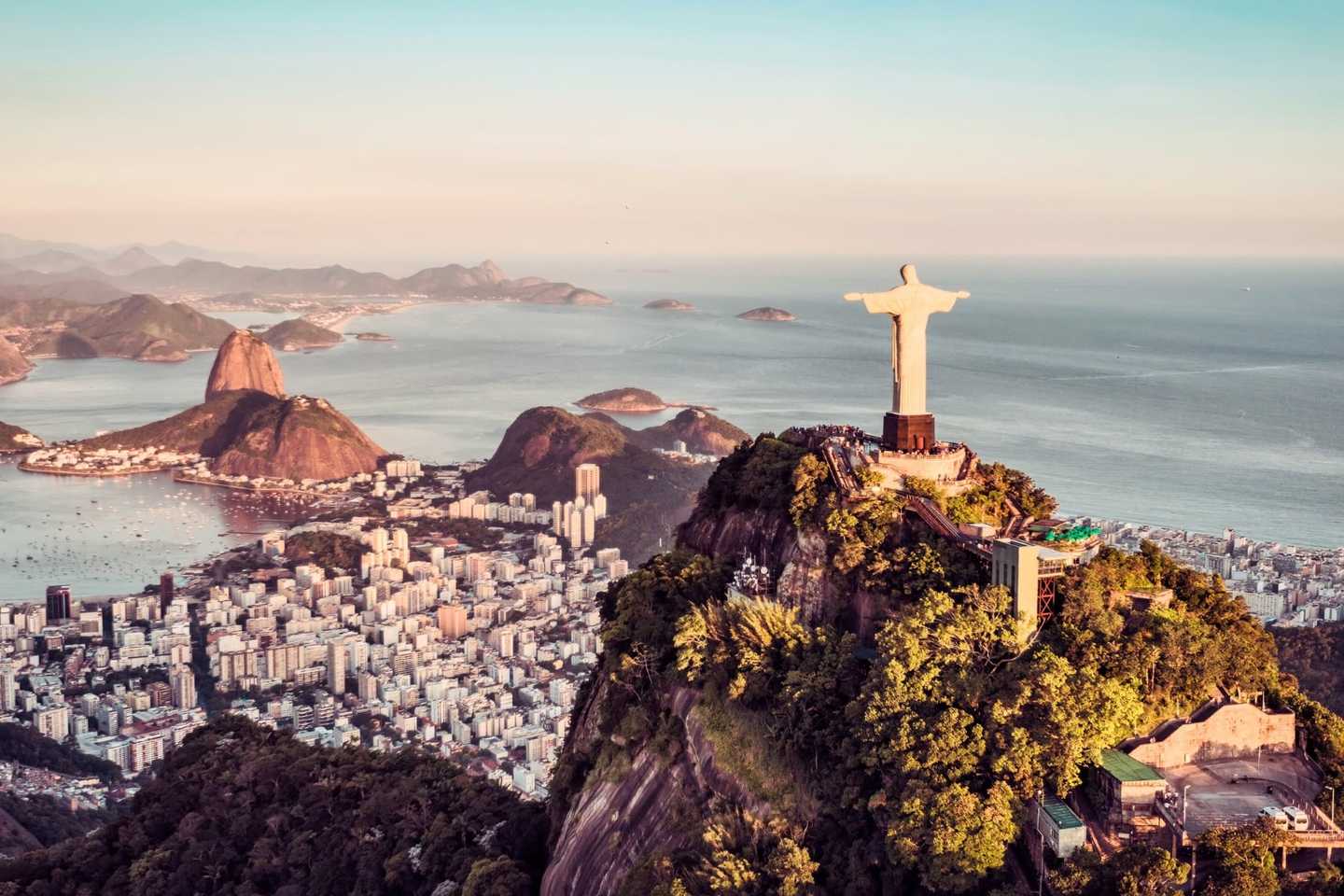
Stand beside Christ the Redeemer in Rio
Often called the ‘Marvellous City’, Rio de Janeiro is a buzzing metropolis that doubles as a seaside town where everyone strolls about in Havaianas. The city is jam-packed with incredible sights (be sure to bring an extra memory card) but the most iconic of all is the striking statue of Christ the Redeemer. One of the New Seven Wonders of the World, his arms reach over the city from the top of Corcovado Mountain. Standing beside the 30-metre-tall figure is rather memorable in itself, but it’s the view before you that really steals the show. From this vantage point, enjoy a 360° panorama of the glinting bay, colourful streets and forest beyond.
Top tip: Visit in the early morning or late afternoon to avoid the infamous crowds that gather around his feet.

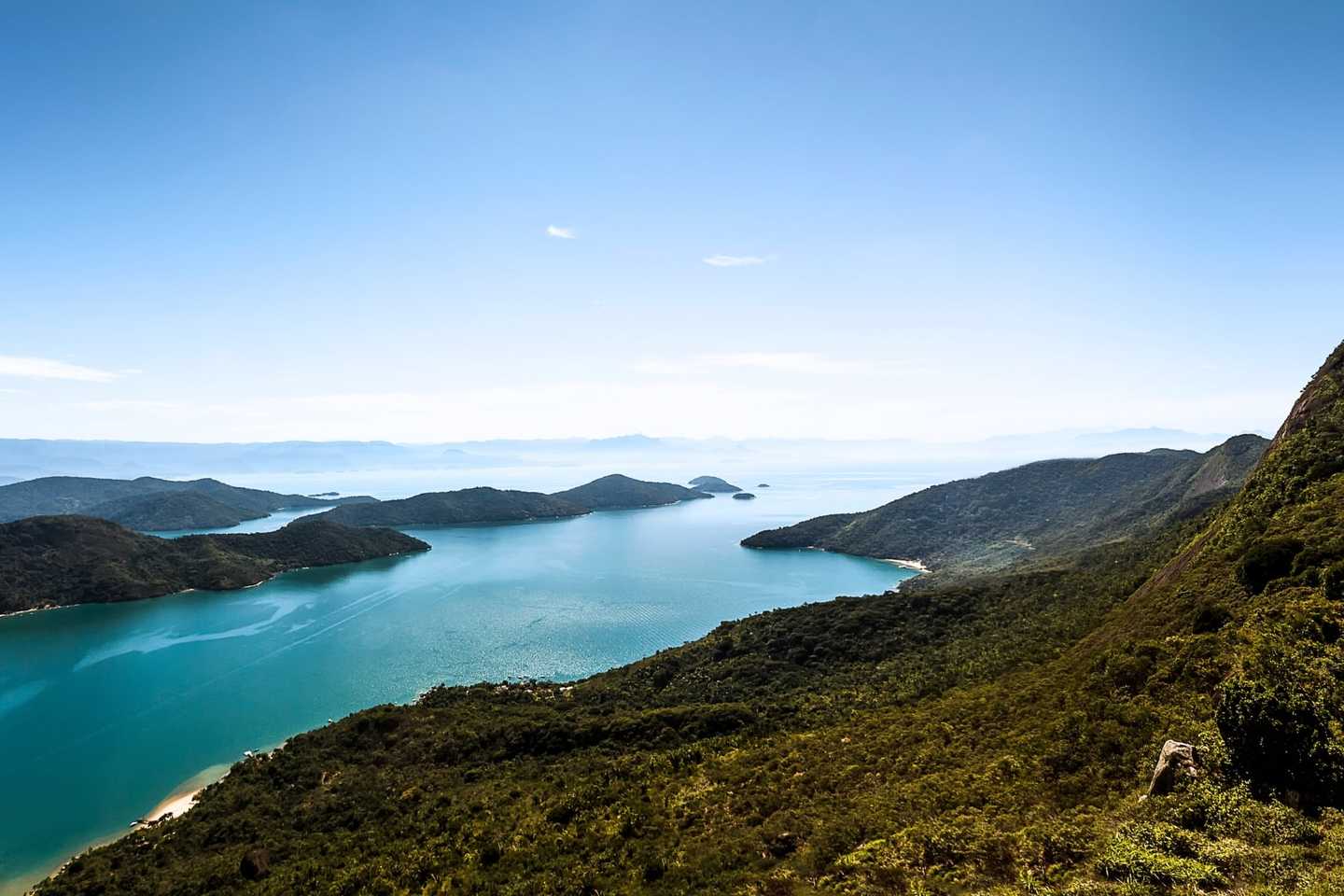
Bask on the beaches of the Costa Verde
Occupying the shoreline between Rio de Janeiro and Sao Paulo, the Costa Verde is a beautiful blend of Atlantic rainforest and idyllic islands and beaches. There are hundreds of gold, sandy stretches and hushed coves, some of which are only accessible by boat or kayak. Just offshore from Paraty, the Costa Verde’s historic centre, lies Ilha Grande. A car-free paradise, the island is famed for its glorious beaches (there are over 100 of them) where you can soak up the sunshine, snorkel or scuba dive amongst dazzling marine life, or simply float in the clear turquoise waters.
Top tip: If you’re visiting Ilha Grande, be sure to take some cash as you won’t find a single ATM or bank on the island.

Get the full Carnaval experience
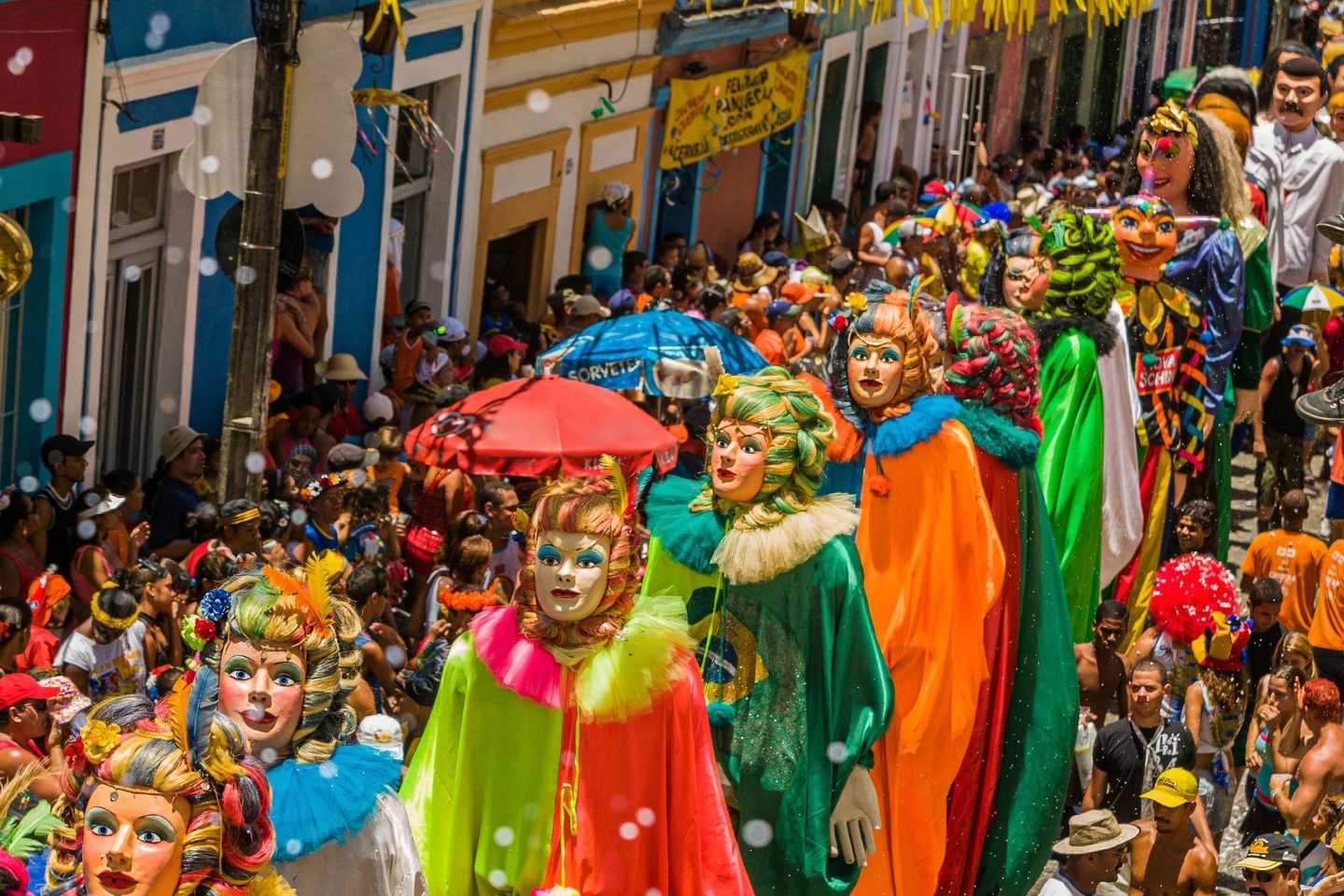
Considered by many to be the biggest cultural event on Earth, Carnaval is the embodiment of that infectious Brazilian passion and flair. For about a week, the streets are taken over by fiery and feathered parades, where the samba is king and colours are non-negotiable. Rio’s version may be the most famous but we say, why not enjoy the festivities in the birthplace of Carnaval, Salvador de Bahia? The city is Brazil’s former capital and stuffed full of history. Make sure to pay a visit to the Casa do Carnaval, where you can learn all about its Afro-Brazilian origins.
Top tip: Don’t miss out on Salvador de Bahia’s scrumptious street food while you’re in town – a gastronomic tour is highly recommended.

Marvel at Iguazu Falls
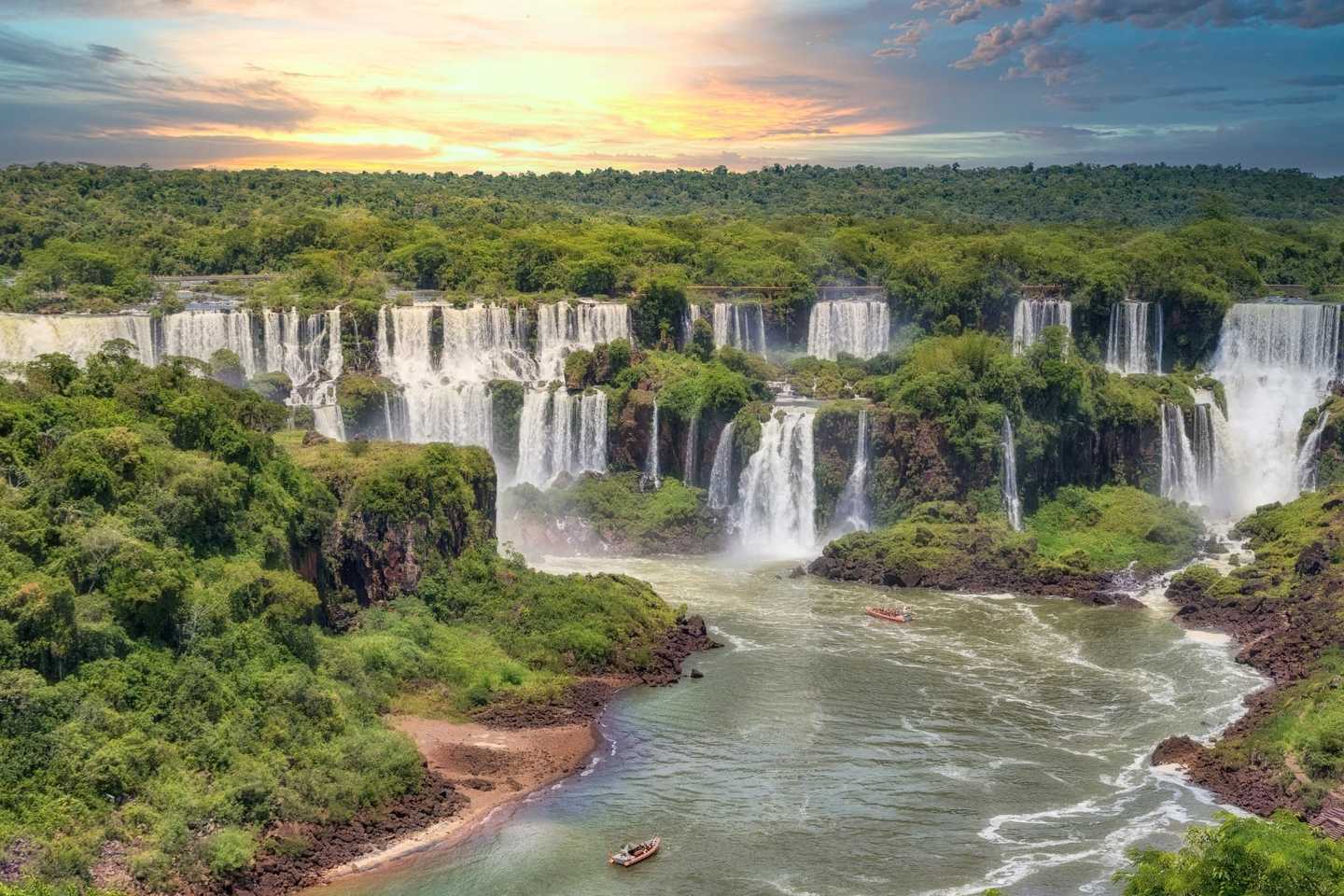
Get swept up by the splendour of Iguazu Falls, 275 separate cascades tumbling into a churning chasm below and completely ensconced by Atlantic rainforest. The Falls straddle the border between Argentina and Brazil, but the latter offers the most spectacular, all-encompassing vistas. Enjoy strolls along the cliff edge or step out onto the metal walkway for the ultimate view of the Devil’s Throat, take a speedboat ride to the base of the falls or soar overhead in a helicopter. Taller than Niagara and wider than Victoria Falls, the Cataratas do Iguaçu are, without a doubt, one of the most spectacular sights in Brazil.
Top tip: While December to February bring the most powerful flow, a visit between March and May or August and October means pleasant temperatures and moderate crowds.

Search for jaguars in the Pantanal wetlands
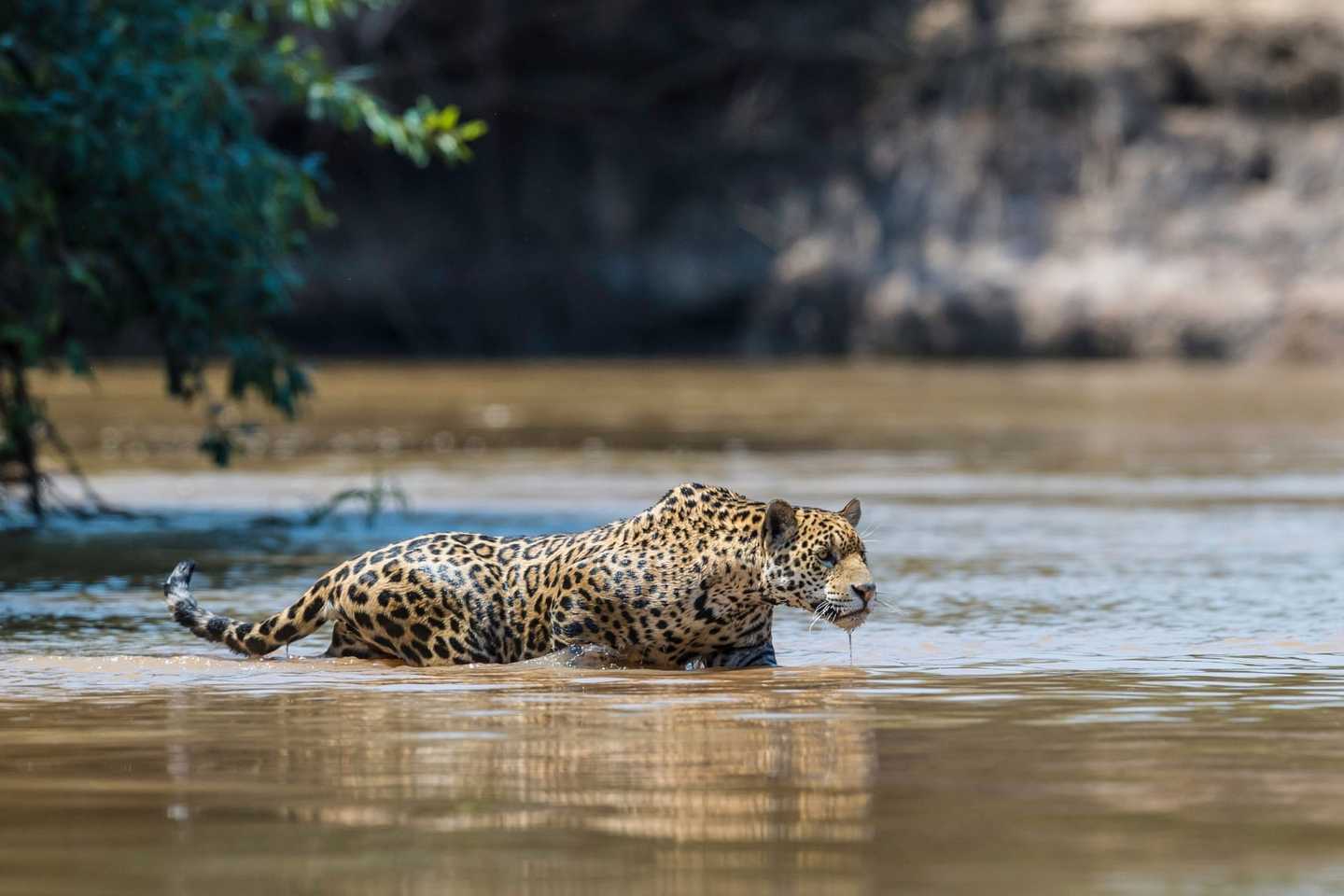
Spanning some 60,000 square miles in Brazil alone, the Greater Pantanal is the world’s largest tropical wetland – and it also happens to be one of the best places for seeing jaguars in the wild. The Pantanal’s open marshes, savannahs and rivers provide perfect conditions for wildlife watching, in the form of horseback rides with Pantaneiro cowboys, boating safaris or jeep drives. There’s no feeling that quite matches earnestly scanning the trees before locking eyes with a stealthy jaguar, perfectly camouflaged in the foliage. The Greater Pantanal is also home to a menagerie of other creatures including capybaras, caimans, tapirs, giant river otters and exceptional birdlife like the hyacinth macaw.
Top tip: Avoid the rainy months of November through to March as 80% of the Pantanal floods, meaning travelling is difficult and many lodges close.

Sandboard & swim in Lençóis Maranhenses National Park
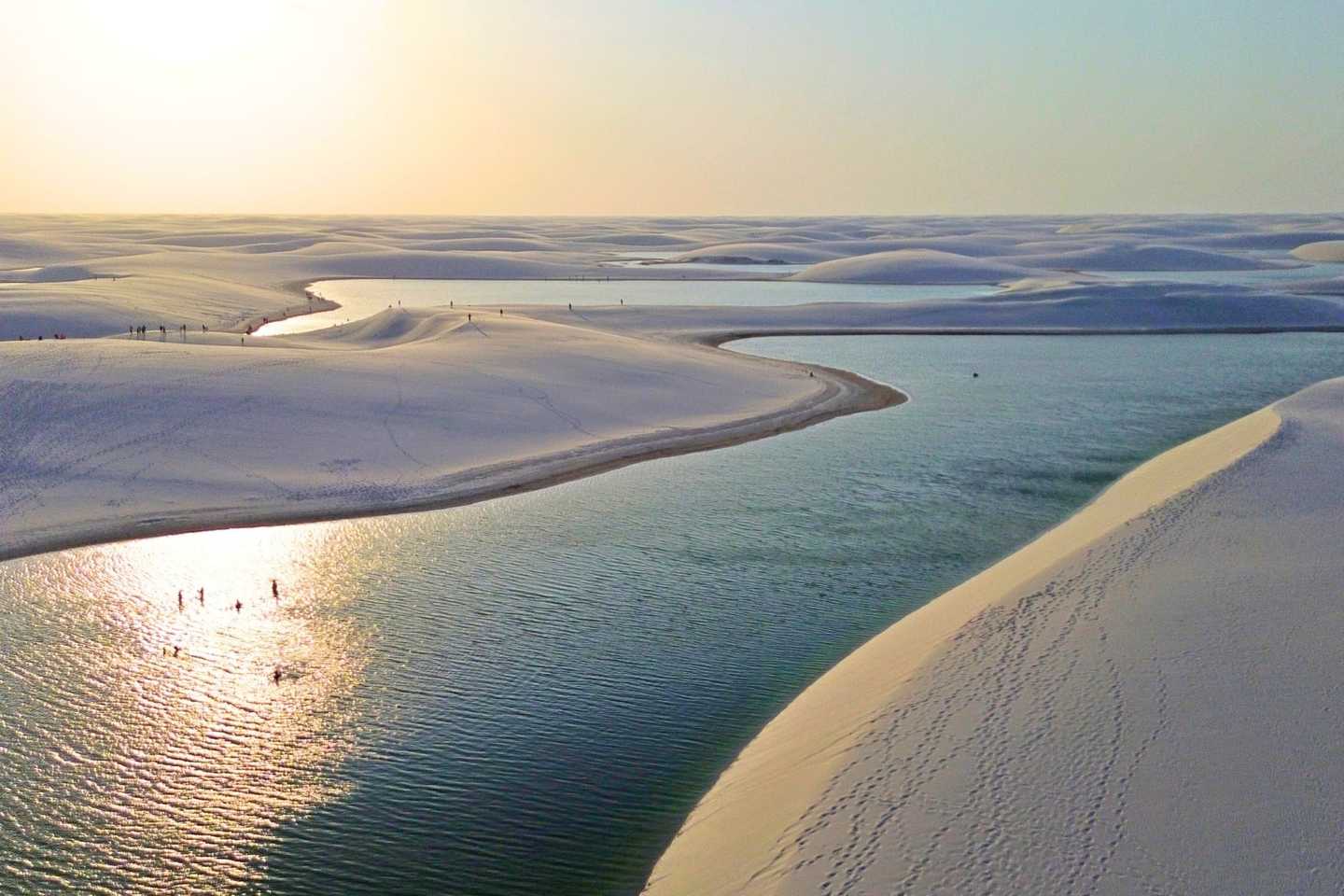
At first glance, Lençóis Maranhenses National Park appears to be a vast expanse of towering, impossibly white sand dunes formed over thousands of years by coastal winds. But venture over the crest of these dunes and you’ll discover the rain-replenished pools that lie in between them, clear and blue as the sky. They range in size from vast lagoons to intimate pools, where all manner of colourful birdlife comes to drink. For the most adventurous of visitors, sandboard down the face of the dunes for the ultimate thrill and for the very best view, hop into a tiny airplane and gaze at the tapestry laid out below you.
Top tip: The landscape changes in extremes from season to season with June to October being the optimal time to visit, when the pools are full and utterly photogenic.

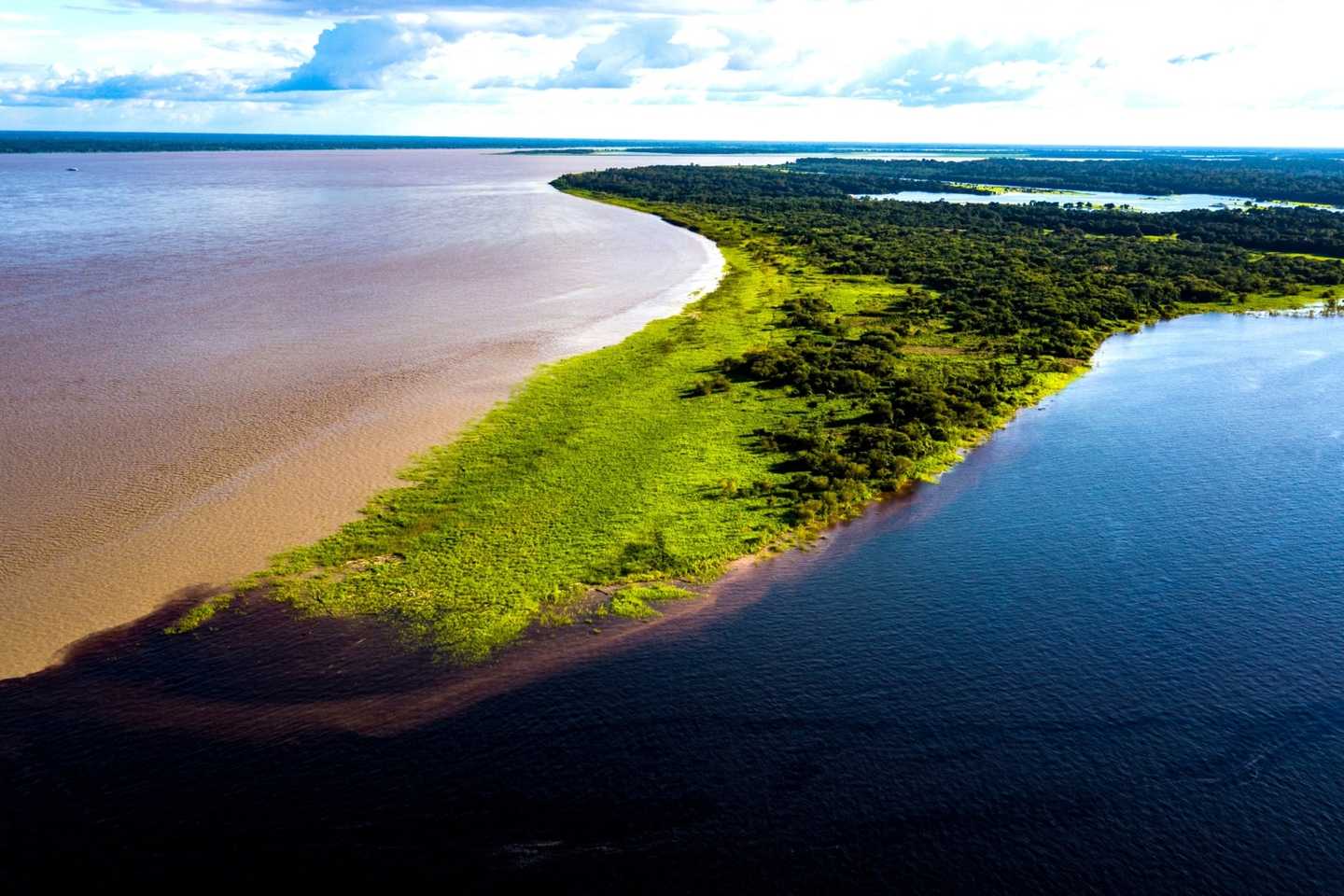
Witness the ‘Meeting of the Waters’ in Manaus
Entirely surrounded by Amazon rainforest, Manaus is one of the most remote major cities in the world, and its very existence tends to defy belief. Home to over 2.2 million people, Manaus became a powerhouse during Brazil’s rubber boom when gorgeous structures were erected all over the city. A destination in its own right, Manaus is also the main gateway to the Amazon and a prime spot from which to see the iconic ‘Meeting of the Waters’ phenomenon. Here, the inky-black Rio Negro and sandy-hued Amazon River flow side by side for around six kilometres without mixing. While science easily explains it, the magic of this occurrence is clear to anyone that witnesses it.
Top tip: While in Manaus, be sure to visit the Teatro Amazonas, an opulent opera house with a grand dome coated in 36,000 ceramic tiles in the vibrant Brazilian colours.

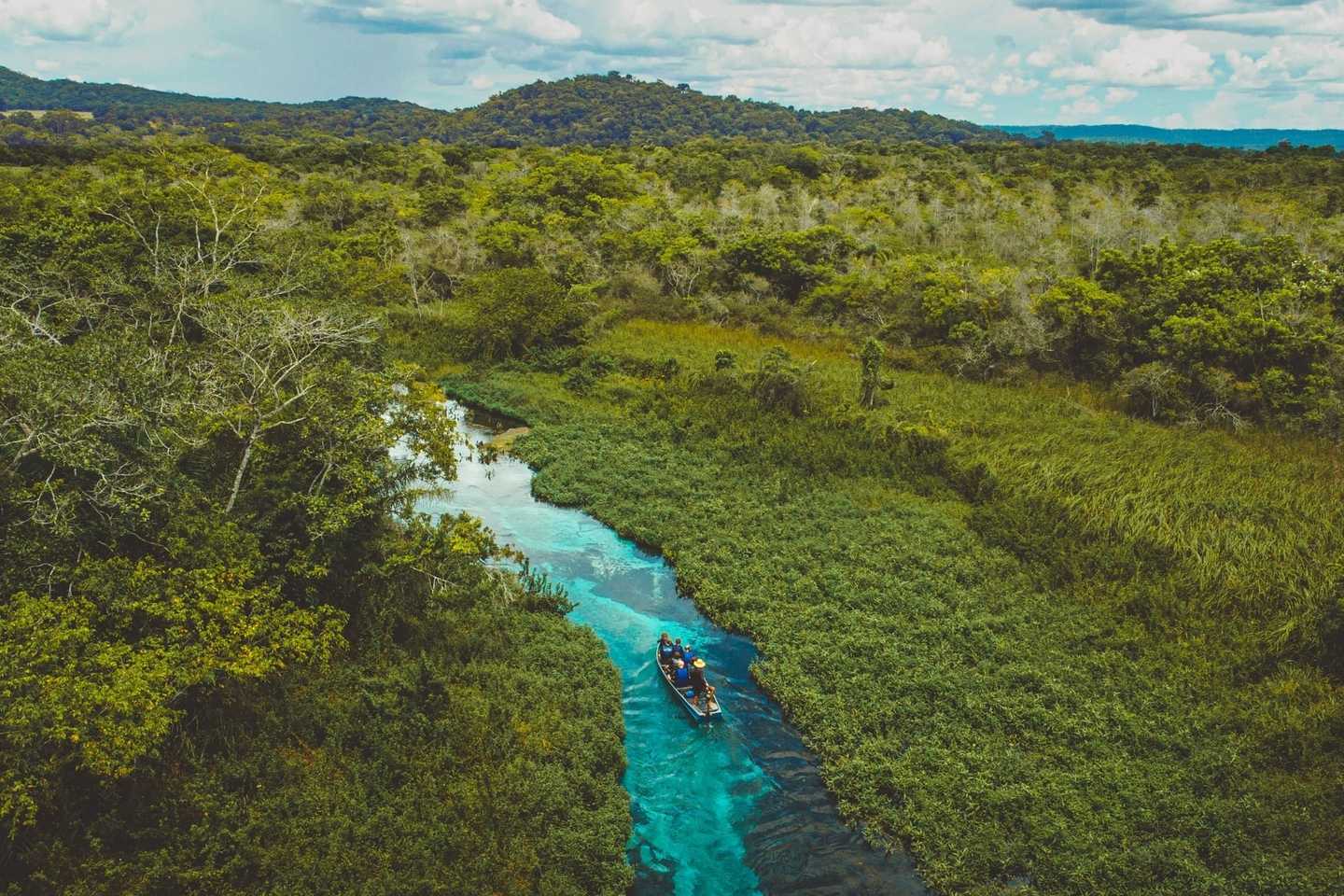
Go snorkelling in Bonito
Located at the southern tip of the Greater Pantanal wetland, Bonito is an all-natural, open-air aquarium. Crystalline rivers carry you along in their gentle currents, past schools of exotic fish and aquatic flora, and visibility can easily exceed 30 metres. The Blue Lake Cave is one of Bonito’s major drawcards and it’s easy to see why. You’ll descend into a voluminous cavern and into an electric-blue subterranean lake, where you can snorkel amongst the rock formations. The epitome of tranquillity…
Top tip: Don’t skip a visit to Buraco das Araras, one of the world’s largest sinkholes and now become a sanctuary for hundreds of red and green macaws.


Try Brazil’s unique cuisines
Beyond its undeniable quality, food in Brazil is another form of expression and culture with dishes and ingredients varying from region to region. From distinctive Afro-Bahian recipes and the melt-in-your-mouth street food of Rio to the superb yet surprising Amazonian dishes, Brazil’s culinary landscape is as varied as its geography. Of course, there is also high-end gastronomy to rival the globe’s finest – Sao Paulo has emerged as one of the great food cities of the world. And no trip to Brazil would be complete without a taste of its national cocktail, the zesty caipirinha.
Top tip: If you’re a real seafood fundi, nothing beats dining on freshly-caught creations on the Bay of All Saints in Salvador de Bahia.

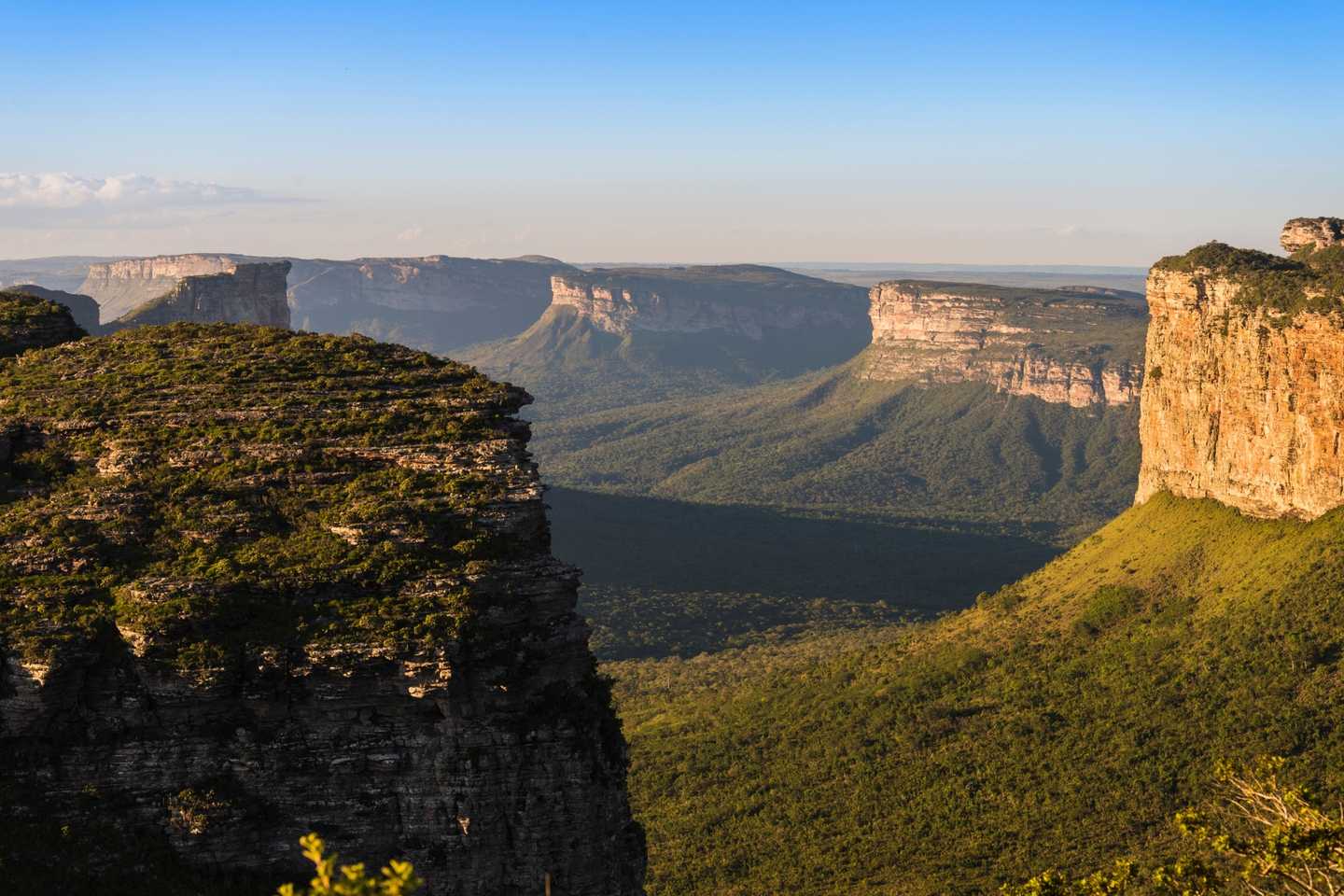
Explore Chapada Diamantina
Said to boast some of the most extraordinary scenery in South America, Chapada Diamantina is Brazil’s answer to the Grand Canyon. Its dramatic landscape is made up of tabletop mountains and lush valleys, tumbling waterfalls and mysterious caves, all waiting to be explored on foot or by horseback. The most iconic views can be enjoyed at Morro do Pai Inácio when sunset turns everything gold – cameras at the ready.
Top tip: The most important thing to have in Chapada Diamantina is a private guide – you’ll be grateful for their expert directions or a helping hand.

It’s official: Brazil is one-of-a-kind. From its spirited zest for life to its dreamy, sun-drenched landscapes, you’ll need more than one visit to truly experience all this country has to offer. So grab your passport and say “olá” to your new favourite place to go.
Latest blogs


As seen in