A Safari for One: How to Travel Solo with Confidence
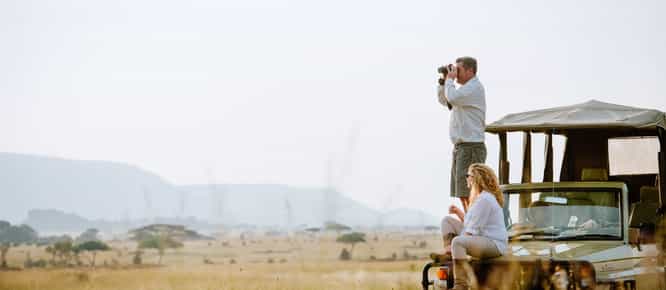
You’re sipping your morning coffee as the sun rises over the Serengeti, when a lone elephant ambles past your tent. There’s no one to nudge, no need to whisper “are you seeing this?” – just you, the wilderness, and a moment that’s entirely yours. Welcome to the transformative world of solo safari travel.
If the idea of embarking on an Africa safari solo sends a flutter of excitement mixed with a dash of trepidation through you, you’re not alone. In fact, you’re in remarkably good company. More women than ever are packing their khakis and heading to the African bush on a trip for one, and, in recent years, safari-makers and lodges have transformed to welcome them with open arms. Gone are the days when travelling alone meant paying eye-watering single supplements or feeling left out at dinner time. Today’s solo safari is a sophisticated, supportive, and surprisingly social affair (if you want it to be!).
Why the Wild is Calling
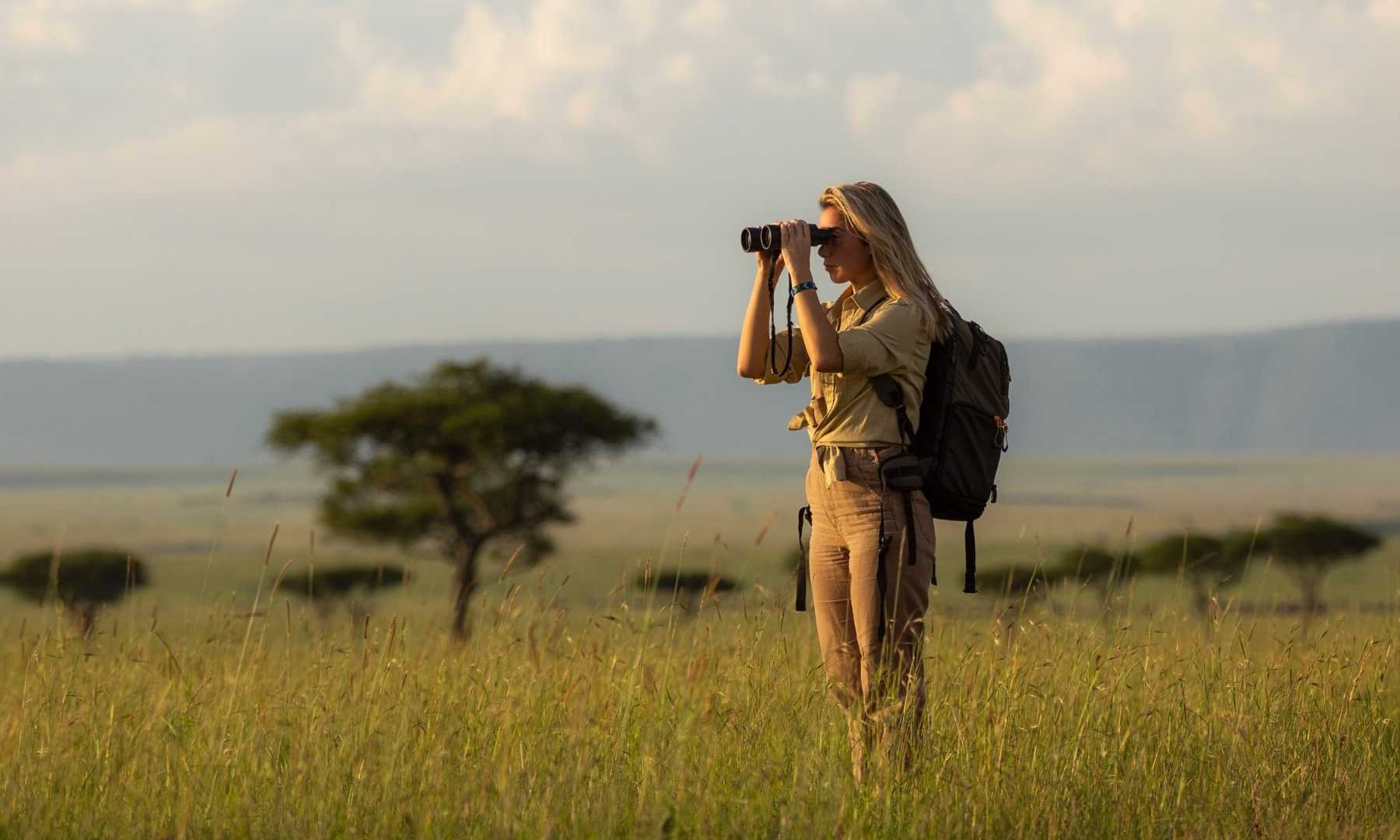
There’s something incredibly liberating about solo safari travel. Without the distraction of companions, you’ll find yourself completely present – noticing the way a leopard’s muscles ripple beneath its spotted coat, or how elephants communicate through rumbles you feel more than hear. It’s just you and the raw, unfiltered magic of Africa.
But Is It Safe?
Let’s address the elephant in the room (pun absolutely intended). Safety is likely your primary concern about solo safari travel, and rightly so. But here’s the reassuring truth: the safari industry has become remarkably adept at looking after solo travellers, particularly women.
First, you’re never truly alone on safari. From the moment you land, you’re surrounded by support. Meet-and-greet services whisk you from airports to lodges, professional guides accompany every activity, and camp staff are trained to ensure solo guests feel secure and included. Many lodges now have female guides and all-female management teams – Tanzania’s Dunia Camp in the Serengeti, for instance, is entirely run by women, from the guides to the chefs.
The camps themselves are designed with security in mind. Your tent or room will be wildlife-proof, with clear protocols for moving around after dark. Most properties provide escorts to and from dinner, and there’s always someone available if you need anything – even at 3am when you’re convinced that rustling outside is a lion (it’s usually a warthog).
As for the destinations themselves, countries like Botswana, Rwanda, and Kenya have excellent safety records for tourists. Rwanda, in particular, has emerged as one of Africa’s safest countries overall, with pristine streets, minimal crime, and a genuine warmth toward visitors.
The when and the where
Timing is everything when planning the best safaris for solo travellers, especially if you’re hoping to avoid those pesky single supplements. The secret? Travel during shoulder or green season (typically November through May, varying by region). Not only will many lodges waive single supplements entirely, but you’ll also encounter fewer crowds, lusher landscapes, and often, spectacular wildlife behaviour like the calving season of the Great Migration on the southern plains of the Serengeti.
Kenya’s Masai Mara makes an ideal destination for your first solo safari. The infrastructure is exceptional, English is widely spoken, and properties like Governors’ Camp eliminate single supplements during certain months. Plus, the Maasai people are wonderfully welcoming, and the wildlife viewing is reliably excellent year-round.
For those seeking something more exclusive, Botswana’s Okavango Delta offers an otherworldly experience. Yes, it’s pricier, but the quality is unmatched. Camps are small and intimate (often just five or six tents), making it easy to connect with fellow guests if you fancy some company. During the green season (November to March), many camps offer special rates and waived supplements.
Tanzania presents a perfect middle ground, with the Serengeti’s endless plains and the Ngorongoro Crater providing diverse experiences. Properties operated by Lemala Camps never charge single supplements, and their locations are strategically positioned for both the migration and year-round wildlife viewing.
If your safari dreams lean more toward primates than predators, Rwanda offers profoundly moving gorilla trekking experiences. Volcanoes National Park is easily accessible from Kigali, and the country’s commitment to conservation and community development means your visit directly supports local communities. Singita Kwitonda Lodge and One&Only Gorilla’s Nest provide ultra-luxury bases for gorilla adventures and as a single traveller, you’ll feel incredibly well looked after.
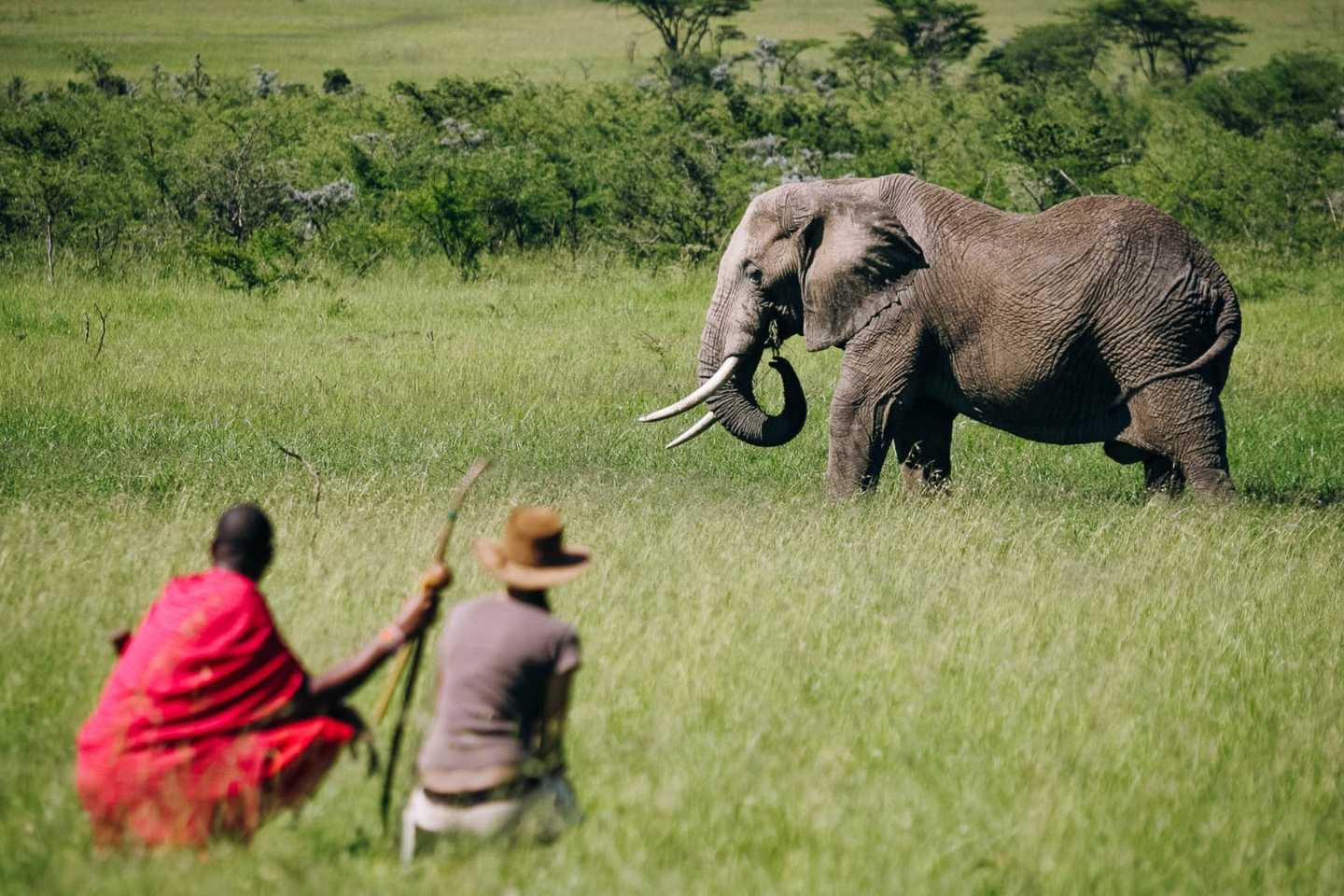
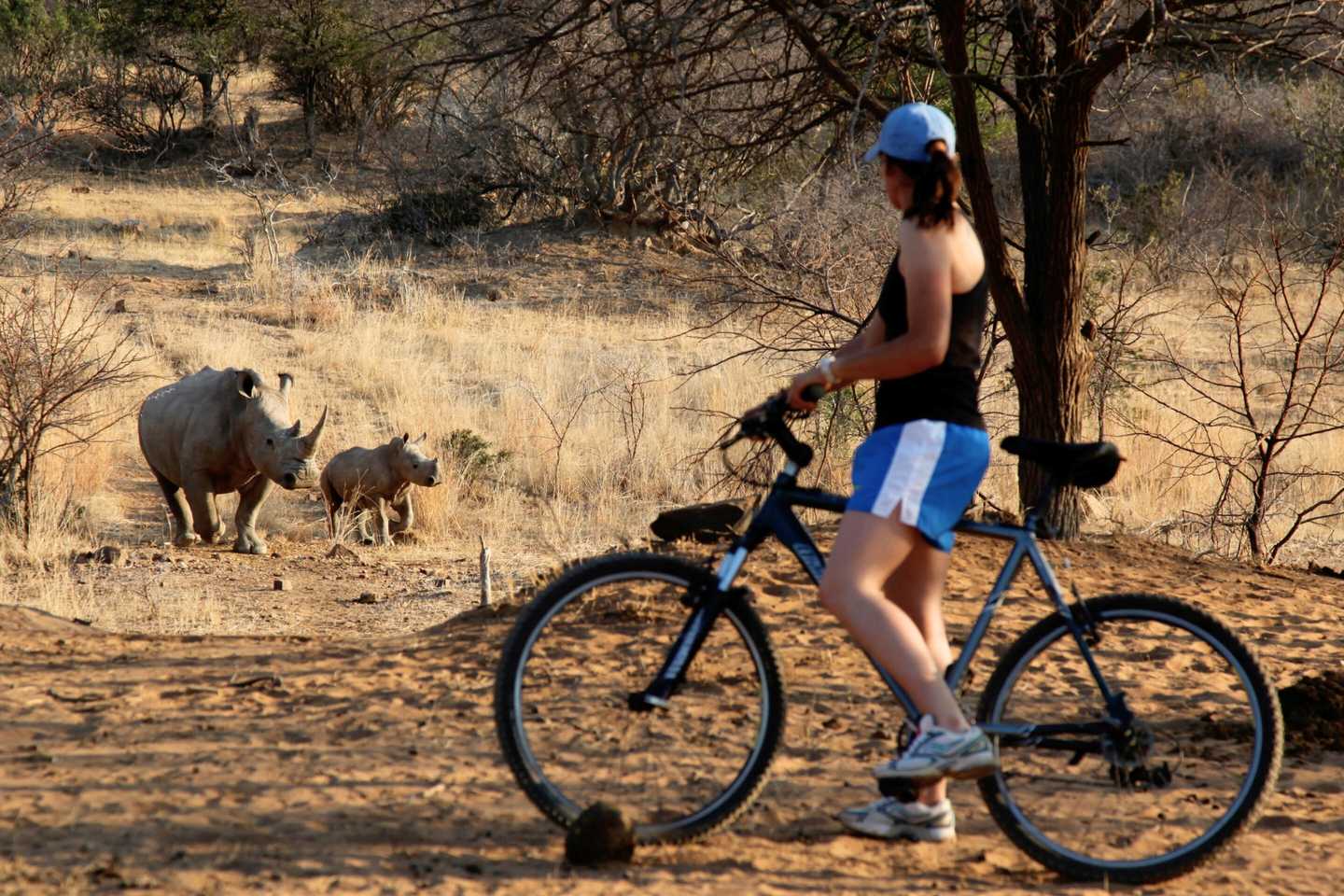
For the truly adventurous soul, consider Zambia’s South Luangwa or Zimbabwe’s Mana Pools. These destinations see fewer tourists but offer incredibly authentic experiences. Walking safaris originated in South Luangwa, and there’s nothing quite like tracking elephants on foot to make you feel properly alive.
Practical Tips from the Bush
Choose your camp wisely: Smaller camps (6-20 guests) are ideal for solo travellers. The intimate atmosphere means you’ll naturally interact with other guests if you wish, but there’s no pressure if you prefer solitude. Look for properties with communal dining areas and fire pits – these become natural gathering spots for sundowners where conversations flow as freely as the wine.
Pack light, pack right: Those tiny bush planes have strict weight limits (usually 15kg including hand luggage), and you can’t sweet-talk your way around them. The good news? Safari style is refreshingly unfussy. Three or four neutral-coloured outfits, one warm layer, and you’re sorted. Every camp offers laundry service too, so you really don’t need much. Save the weight allowance for camera equipment – you’ll want to capture every moment.
Embrace the social side (or not!): One of the joys of an Africa safari, solo-style is choosing your level of sociability. Most lodges offer communal game drives where you’ll share a vehicle with other guests – perfect for making connections. But if you wake up feeling antisocial? Book a private drive. Many lodges offer these for an additional cost.
Make friends with your guide: Your guide becomes your companion, teacher, and often, friend. Don’t hesitate to share your interests – whether you’re obsessed with birds, desperate to see wild dogs, or want to understand elephant family dynamics. They’ll tailor the experience to your passions, and their enthusiasm is absolutely infectious.
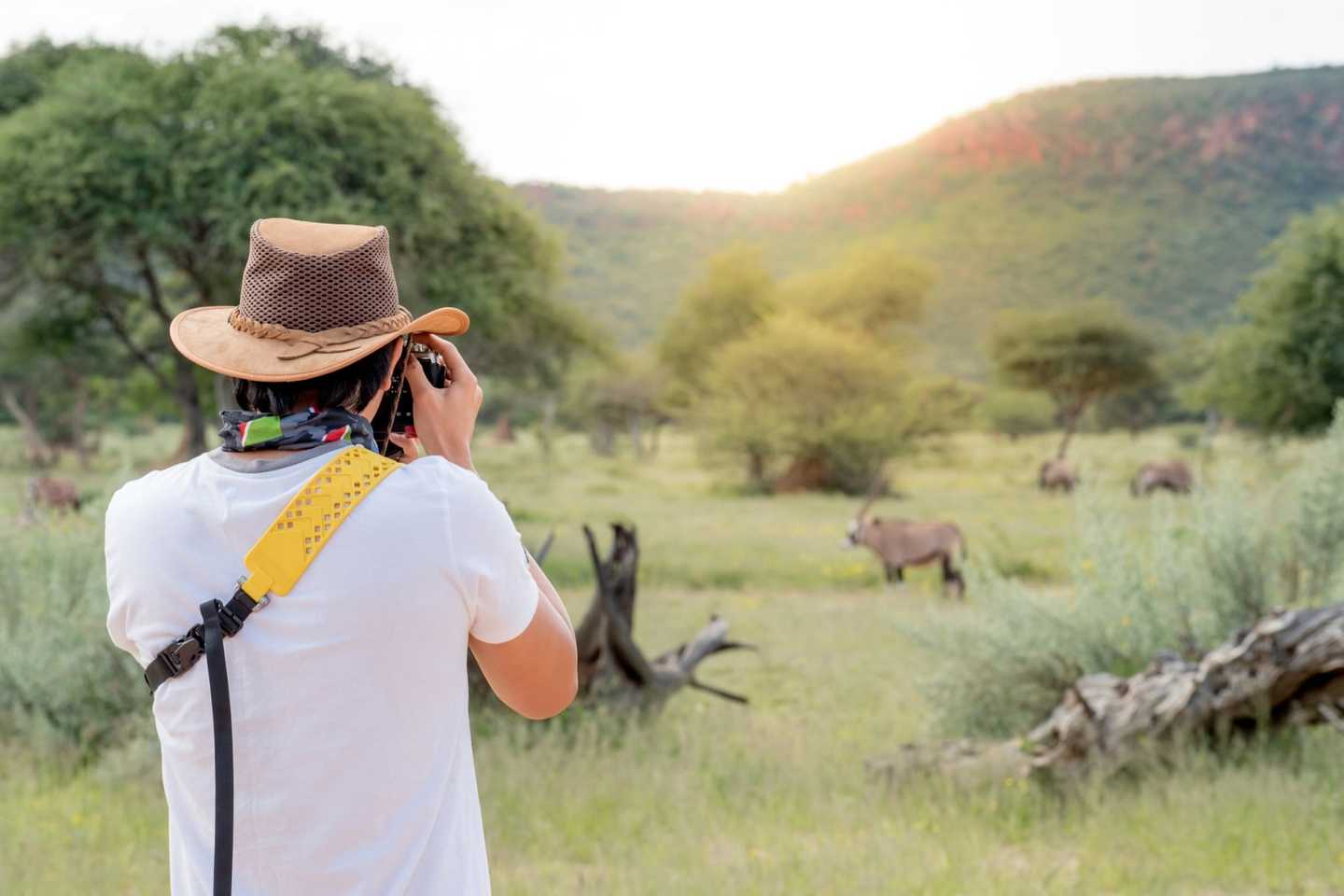
Document every step of your journey: Without a companion to share memories with, documenting your experience becomes even more meaningful. Beyond photography, consider keeping a journal. Those quiet moments back at camp, listening to hippos grunt in the distance, are perfect for capturing not just what you saw, but how it made you feel.
Why you’ll love ‘dining alone’
Let’s talk about the supposed awkwardness of dining alone, because on safari, it’s anything but. Most camps have embraced communal dining, with large tables where guests naturally mingle. You might find yourself discussing the morning’s leopard sighting with honeymooners from Sweden, or sharing photography tips with a family from Japan.
Many lodges have also introduced hosted dining, where you’ll join the camp manager or head guide for meals. These are often the most memorable conversations – hearing stories from people who’ve dedicated their lives to conservation, learning about local cultures, or getting insider tips on tomorrow’s game drive.
And on those evenings when you crave solitude? Private dining on your deck under the stars is usually just a request away. There’s something rather magical about enjoying a perfectly prepared meal while elephants trumpet in the distance and the Milky Way sprawls overhead.

The Solo Safari Sisterhood
Perhaps the most unexpected joy of a safari for solo female travellers is the instant sisterhood you’ll find. Women who travel solo tend to look out for each other, and you’ll likely encounter kindred spirits who understand exactly why you’re there. These connections often outlast the safari itself – many solo travellers report making lifelong friends during their African adventures.
The lodge staff, too, often go above and beyond for solo female guests. Don’t be surprised if the ladies on staff take you under their wing, sharing stories about their lives, their culture, and their own relationships with the wilderness around them.
What are you waiting for?
If you’ve read this far, we’d bet you’ve already got your sights set on a solo safari. And the truth is, there’s never a perfect time to disappear to Africa on your own. There will always be reasons to wait – work commitments, family obligations, that voice of doubt suggesting you’re being way too adventurous.
But here’s what women who’ve taken the leap consistently report: their only regret is not doing it sooner. Solo safari travel isn’t just about seeing incredible wildlife (though you absolutely will). It’s about discovering that you’re braver than you thought, more adaptable than you imagined, and the world is far more welcoming than the news suggests.
The African bush has a way of putting life into perspective. Under those vast skies, watching a lioness teach her cubs to hunt or witnessing thousands of wildebeest thunder across the plains, your daily worries seem wonderfully insignificant. You return home not just with spectacular photos and dinner party stories, but with a quiet confidence that comes from knowing you navigated one of the world’s last wild places entirely on your own terms.
Ready to start planning your solo safari adventure? The Timbuktu Travel team specialises in crafting bespoke safari experiences for independent travellers. We know which lodges are ideal for solo guests, when to travel for the best rates, and how to create an itinerary that’s perfect for a party of one. Your African adventure awaits.
Latest blogs


As seen in