Safari for families: how to choose a kid-friendly African safari that works
Africa is a wonderland for children. It’s a world of fairy tales, full of the stuff of dreams and imaginations, and seeing it all through the eyes of children is utterly magical. Colours seem louder, giraffes are taller than you remember, and even a bumpy airstrip landing becomes an epic story to recount.
And despite the horror stories of meltdowns at check-in and suitcases full of toys, family safaris really don’t have to mean stress and tears. With a little Timbuktu magic, they turn into wild, wonderful, memory-making adventures that your children will talk about for years – and so will you. Think top-notch family guides, activities to satisfy all ages and interests, private villas with pools and space for endless laps, and chefs who understand that sometimes all a small traveller wants is a bowl of pasta.
Our guide will help you figure out where to go on a family safari – with a focus on South Africa, Kenya and Tanzania – what sort of lodge or accommodation to stay in, and how to plan a kid-friendly safari in Africa that works for your particular brood.

Why a family safari in Africa is the best story you’ll ever tell your kids
There are family holidays… and then there are the ones that become legendary tales that are passed down through generations! And even though we might be a little biased, a family safari in Africa tends to fall firmly into the latter.
A safari is an unusually excellent classroom. There are no worksheets or screens, just endless “why?” questions answered by guides who can read the bush like a book. Your children learn about ecosystems, animal behaviour, different cultures and conservation simply by being there. No two game drives are ever the same, and the unpredictability of what you might see is half the magic. Oh, and did we mention the lack of WiFi on a game drive?!

Where do you sleep on a family safari?
Tented camps vs lodges vs private villas for families
On safari, a “hotel” can mean anything from a canvas tent with a solar lantern to a sprawling villa with its own chef and pool. For families on a kid-friendly safari in Africa, the three main options are tented camps, lodges, and private villas or exclusive-use houses. Here’s what you need to know:
Tented camps
Tented camps are the purest of the safari lot. You’re in a proper tent, but with real beds, en-suite bathrooms and hot showers. Tented camps are intimate and adventurous; staff and guides will know your kid’s name almost instantly, and campfires, star-gazing and hot chocolates become part of the nightly routine.
The flipside is that canvas walls let in more noise, both from the bush and from siblings in the next “room”. Space can sometimes be a little snug, and very nervous or very young children might take a night or two to settle. When it works though, it really works.
Safari lodges
Safari lodges offer solid walls and creature comforts. Think spacious rooms or suites, often with interleading doors, plus extras like swimming pools, playrooms and sometimes small spas. Lodges are brilliant for first-time safari-goers or multi-gen trips where grandparents appreciate a little more luxury and the reassurance of bricks and windows.
Because lodges are often slightly larger than tented camps, they can feel more social and buzzy, which many families love. The trade-off is that they may feel more hotel-like than a tiny outpost in the wild.

Private villas & exclusive-use homes
Private villas and exclusive-use houses are the “home in the bush” dream. You get your own standalone house, usually with a private team of a guide, chef and a host, plus a vehicle that’s all yours. Schedules are gloriously flexible: if your toddler needs a nap and your teen is still in pyjamas at 10am, no one minds. Drives can be shorter or longer depending on attention spans, and meal times are entirely down to you.
If you’re travelling as a multigenerational group or with another family, these houses can prove good value once the cost is split between all the occupants. The only real downsides are that availability can be tight in school holidays and the nightly rate can give you momentary shock before you do the sums. If you’re in the market, take a look at our top 10 family safari houses in Africa to help you choose.
The good news? You don’t have to pick only one type of accommodation. Some of the best family itineraries mix and match: a lodge for the first few nights to ease everyone in, a tented camp for that “Out of Africa” feeling, and a private house for a touch of luxury (and some R&R for mum and dad).

Is a family safari in Africa safe?
The short answer is yes. If you choose the right places and follow your guides’ instructions, a family safari in Africa is incredibly safe. After all, safari destinations in Africa have been welcoming families for decades.
Guides and trackers spend their lives reading animal behaviour; they know how close is close enough, and they will never intentionally take you into a risky situation. Children are always seated and supervised on vehicles, and walks or boat trips have minimum age limits for good reason. Lodges have clear policies on who can do what and when, so younger kids might have their own special activities in camp while older siblings head out on longer drives.
If malaria is a concern, you can choose regions that are malaria-free, especially in South Africa, which often brings huge peace of mind for parents of babies and toddlers. In areas where malaria is present, simple precautions – insect repellent, long sleeves in the evening and mosquito nets – go a long way. As always, we highly recommend seeking medical advice from your travel doctor, too.
Africa’s parks and reserves also take security seriously. Camps and lodges are well monitored, and you’ll usually be escorted between your room and the main area after dark by a watchman or security guard. Your main job is to listen to your guide and invite your children to ask questions rather than wander off to investigate what the rustle is in the bushes.

Where to go: the best countries for a family safari in Africa
Lots of African countries offer superb wildlife, but if you’re planning your first kid-friendly safari in Africa and want a balance of ease, infrastructure and incredible animal sightings, three places stand out: South Africa, Kenya and Tanzania.
South Africa with children
South Africa is a fantastic starting point for a safari with children in Africa. The logistics are straightforward, the medical facilities are excellent, the food is fantastic, and those magical words “malaria-free” apply to several of the country’s top reserves.
Best family regions in South Africa
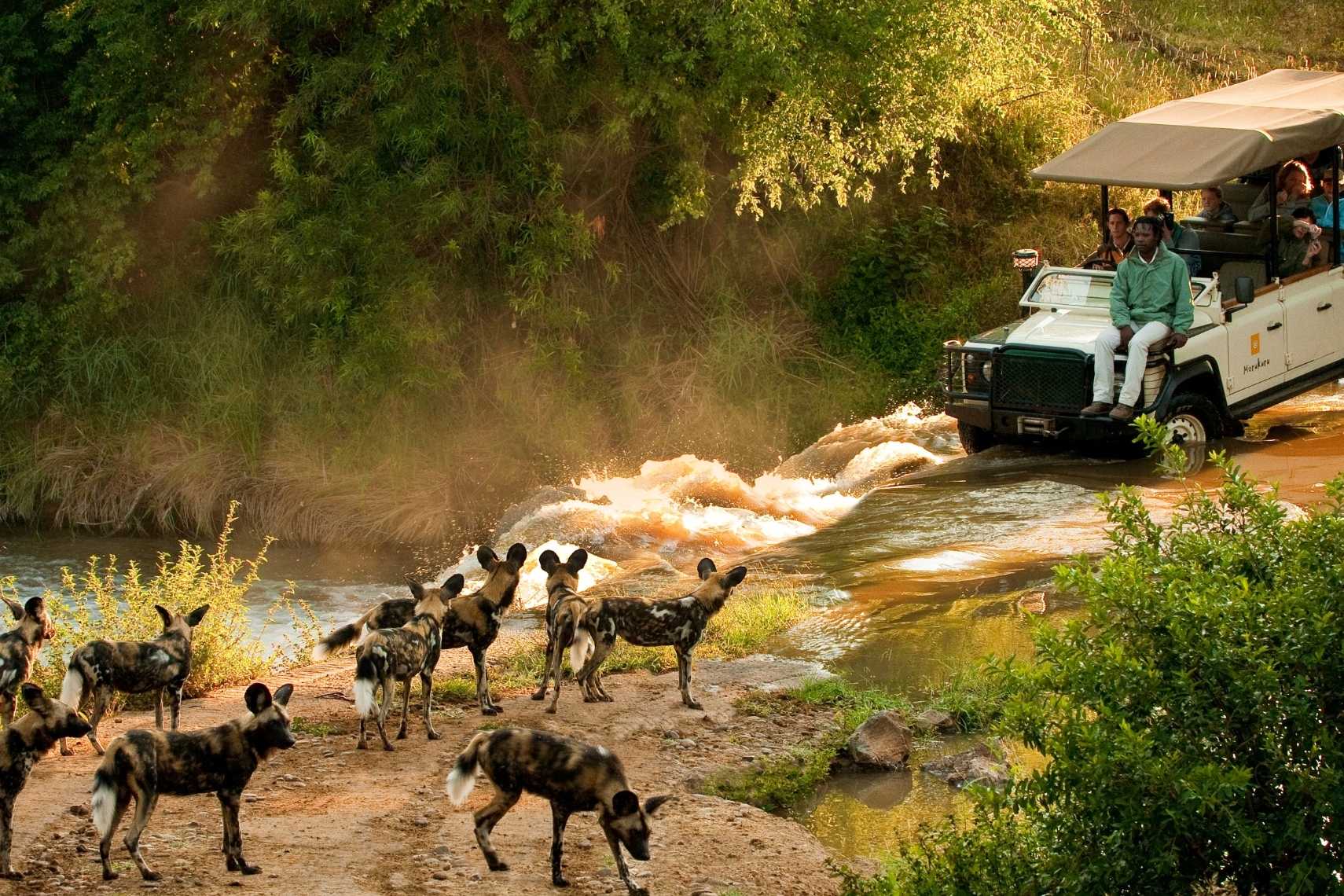
If you have ever looked into family safaris in South Africa, you’ve probably come across Madikwe Game Reserve. It’s a Big Five reserve, malaria-free and very cleverly set up for children, with several family-focused camps and lodges and plenty of interesting experiences aimed at younger guests.
Marataba, in the Marakele National Park, offers rugged mountains, meandering rivers and plenty of rhino, which makes it ideal for kids who like their landscapes dramatic and their adventures slightly watery.
Down in the Eastern Cape, private reserves such as Kwandwe are easy to tag onto a Garden Route road trip. They are malaria-free, beautifully run and perfectly suited to first-timers.
Of course, there is also the ever-popular Kruger National Park and the surrounding Greater Kruger region, which offers some of the best big game viewing in Africa – but it is not malaria-free, so it’s generally better suited to families with older children who can take anti-malarials on the advice of their doctor.

Where to stay with kids in South Africa
At Jaci’s Safari Lodge in Madikwe, children are most definitely not an afterthought. Practically speaking, there are two family suites, each with their own plunge pools and private guides and vehicles, and the décor is flamboyant and fun. Activities-wise, there’s a water-level hide and a brilliant kids’ programme with things like baking, bushveld treasure hunts, junior tracking lessons and arts-and-crafts between game drives.
In the Marakele National Park, Marataba Safari Lodge is all about big mountain views, a pool for midday splashing, and relaxing river cruises to combine with game drives.
In the Eastern Cape, Kwandwe Ecca Lodge offers interleading suites, private vehicles and excellent children’s activities, all in a malaria-free setting. The exclusive-use villas Melton Manor and Fort House are also brilliantly set-up for families of all ages and come with a private team to cater to your every need.
And in Greater Kruger, Thornybush combines epic big-cat viewing with a softer side: family suites, flexible meal times and patient guides who can somehow spot a chameleon in the dark from 50 metres away.

Kenya with kids
Kenya is the safari of storybooks: big skies, flat-topped acacia trees, and lions draped over termite mounds exactly as they are on TV. It is one of the world’s best places for a family safari in Africa and mixes wildlife, culture and hands-on conservation.
The best places for families in Kenya
Nairobi might be a stopover for some, but stay a few days to acclimatise and actually, there are some fantastic activities for the whole family. Think meeting baby elephants at the David Sheldrick Wildlife Trust, feeding giraffes at a sanctuary, wandering around coffee farms and enjoying the magical world of “Out of Africa”. From there, the Masai Mara delivers classic savannahs and iconic wildlife and, at certain times of year, the Great Migration in all its glory.
A little further north, the Laikipia region and conservancies like Ol Pejeta are ideal for kids; they combine game drives with visits to rhino sanctuaries, behind-the-scenes conservation experiences and a whole menu of activities beyond just vehicles. Samburu, even further north, is wilder and drier, and comes with its own “Samburu Special Five” – species you won’t see anywhere else. It’s particularly good for older children who enjoy going a little off-piste (we’re talking camel safaris and football games with the local Samburu tribesmen!).

Where to stay with kids in Kenya
In Nairobi, Giraffe Manor is the stuff of legends. The historic manor house is beautiful, but the long-legged residents really steal the show, poking their heads through the breakfast-room windows in search of treats.
In the Masai Mara, Kichwa Tembo is a classic camp with a superb WildChild programme by &Beyond. Children can spend their days tracking animals, making bows and arrows, beading with local ladies and generally becoming mini bush experts.
For families looking for their own space, the exclusive-use Mara and Acacia Houses in the spectacular Mara North conservancy come with private vehicles, customisable activities, village visits and fabulous game viewing. And, for a touch of old-school glamour, try Cottar’s Private Bush Villa. It might be stylish, but it also has a host of dedicated kids’ activities like bushcraft lessons, Maasai warrior training and swimming under the watchful eye of the guides.
In Laikipia, a stay at Ol Pejeta is all about rhino conservation and hands-on learning opportunities. For accommodation, we love Ol Pejeta Bush Camp – book the family tent and enjoy visits to the Endangered Species Enclosure, tracking with the anti-poaching team, and meeting the last remaining Northern white rhinos on the planet – or the Ol Pejeta Safari Cottages – two-bed cottages with chefs, housekeepers and private guides.
Up in Samburu, try Sasaab for Moroccan flair, epic views, camel walks, cultural visits with the Samburu community and a lovely laid-back, adventurous spirit.

Tanzania for families
Tanzania is all about big, cinematic landscapes, wonderful wildlife and warm hospitality. For a kid friendly safari that feels wild yet always welcoming, it’s a superb choice.
Key regions for families in Tanzania
The Serengeti National Park is Tanzania’s most famous park, most notable for the herds of the Great Migration, but also for the endless, golden-grass plains and varied and diverse sightings of elephant, lion, zebra, buffalo, giraffe… You name it and you will probably see it in the Serengeti! The Ngorongoro Crater and surrounding areas make a great combination with the Serengeti, offering walks in the forest, farm visits and gentler explorations that are ideal for younger children. For an even longer adventure, consider adding time in Lake Manyara for flamingos, forest, hot springs and, if you’re lucky, tree-climbing lions.
In the south of the country, Ruaha is further off the beaten path and is best suited to older children and teens who are excited by remoteness and the idea of being far from anyone else. The journey is longer, but the scenery and feeling of being in the middle of the wild is magical.

Where to stay with kids in Tanzania
In the Serengeti, Mkombe’s House sets the standard for families. It is a private house designed specifically with children in mind, complete with a pool, large bedrooms and a team dedicated entirely to your gang. Sayari Camp, also in the Serengeti, is a gorgeous tented camp with a pool and family tents, perfect for those who like a blend of comfort and canvas.
In Lake Manyara, &Beyond Lake Manyara Tree Lodge is a treehouse-style camp with bedrooms tucked among the mahogany trees like grown-up versions of a childhood fantasy treehouse! In Ngorongoro, Gibbs’ Farm is an easy drive to the Crater itself but also offers plenty of activities nearby. It’s a working farm so there are enormous, lush gardens, friendly animals, coffee to roast and vegetables to pick.
For families heading to Ruaha, Jabali Private House delivers style and exclusivity in a beautiful wild setting among the boulders.

Planning a safari with children: practical tips for US (and other) families
And now for the practical! For many US families taking children on safari in Africa, we often see the same questions – and here’s how we would answer them:
One common question is how long to go for. For a first trip, seven to ten nights on safari is a good sweet spot, with perhaps a night or two in a city or at the beach on either side. This gives everyone enough time to settle in to safari and get into the routine of early mornings and afternoon siestas, but without the boredom factor creeping in.
Age is another consideration. You can absolutely travel with babies and toddlers, especially to malaria-free areas and private houses (please have a look at this blog article for some hints and tips), but many parents find that six to twelve years old is the golden window for a family safari in Africa. Children are curious, chatty and old enough to remember their experiences in detail, while teens thrive on more adventurous options such as walking or canoeing, where and when it’s appropriate.
We are often asked about timing and the best time for a family safari in Africa, but really, this often comes down to school holidays and where you would like to travel. If you’re looking to travel at Easter, June to August or Christmas, we highly recommend planning a year or so in advance as they are incredible popular, and availability at smaller properties can be tight. If you can, travelling just before or after these peaks – the so-called ‘shoulder seasons’ – can bring gentler prices and fewer crowds, with wildlife viewing that is still excellent. For in-depth guides to the weather in the different destinations, you can read about South Africa, here, Kenya here and Tanzania here.
Long flights are simply part of the adventure from the US, but they don’t have to be a trial. Breaking the journey with an overnight in the arrival city, like Nairobi or Johannesburg, can work wonders – plus it gives everyone a chance to catch up on sleep and reset their body clocks.
Finally, visas, vaccinations and travel insurance are non-negotiable details and worth checking early. Requirements vary according to your passport and the countries you’re visiting, so it’s always best to look up the latest guidance and speak to a travel doctor well before departure.
Most importantly, remember that there’s no such thing as a “perfect” family safari, only the one that fits your crew. Tell us who’s coming (from toddlers to grandparents), what everyone loves, and we’ll help you put together a trip that is uniquely yours, with just the right mix of wildlife, beach time, city buzz and villa downtime.
Latest blogs


As seen in