We're one of the World's Best Tour Operators!
Named three years running in Travel+Leisure World's Best, including No.1 in 2024
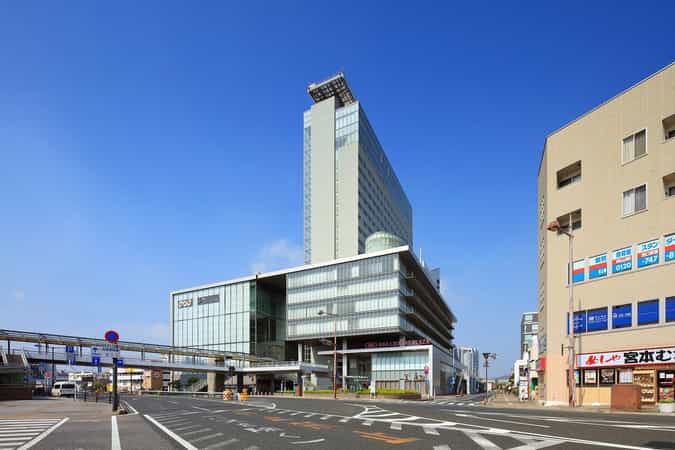
Okayama City
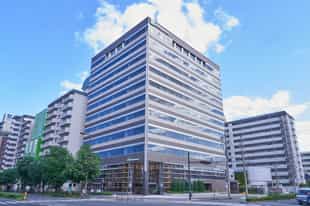
Okayama is one of those cities that rewards anyone who takes the time to stop. Known as Japan's 'Land of Sunshine' for its immaculate, clear skies, there's plenty to keep you busy: Korakuen, one of Japan's three great landscape gardens; a famously black feudal castle; easy access to the Seto Inland Sea's art islands; and a local cuisine built around sweet white peaches, Muscat grapes and some seriously good scattered sushi. In the middle of it all is the ANA Crowne Plaza, located directly beside JR Okayama Station and linked by an overhead bridge. The 20th-floor dining and lounge give it a useful edge.
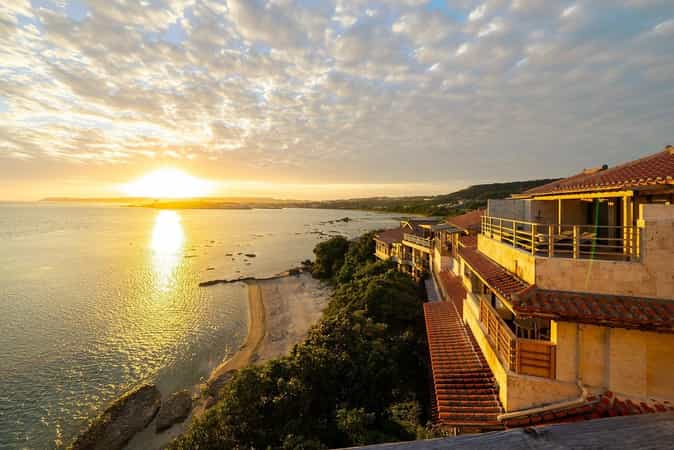
Okinawa Main Island
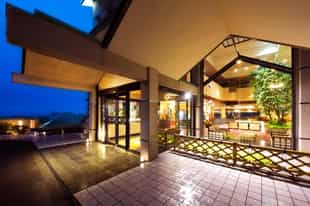
Okinawa's southern tip, where sugarcane fields give way to cliffs and open ocean, is mythological territory. This is where the Ryukyu creation god is said to have first set foot on Kudaka Island, visible from the point Hyakuna Garan occupies. The entire hotel is angled towards a 220-degree view that catches sunrise and sunset without you changing position. Ryukyu limestone walls and a coral-red roof recall the temples that inspired the design, while a seven-metre stone Buddha, carved from a single boulder, watches over the corridors. Breakfast and dinner are a delight – and definitely bring an appetite for tofuyo and awamori.
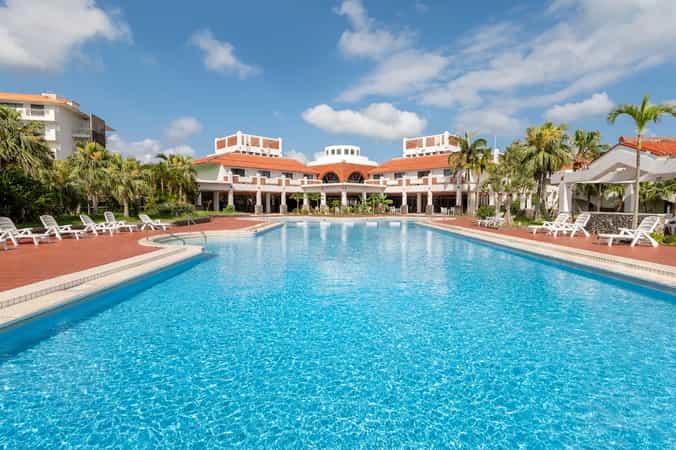
Kerama & Kume Islands
Kume Island lies around 100km west of Okinawa's Main Island, reached by a 35-minute flight or a slower, scenic ferry from Naha. Locals call it Kuminoshima, "the most beautiful island in the Ryukyus". It's easy to see why once you're footsteps from Eef Beach, which is exactly where this sprawling, three-building resort sits. Expect a lawn-fringed pool, tennis courts, a games room and the unhurried comings and goings of marathon runners and returning divers rather than any design flourishes. This is a solid, functional base for the island's real draw: boat trips to the seven-kilometre Hatenohama sandbar, hands-on silk-weaving workshops and diving among manta rays.
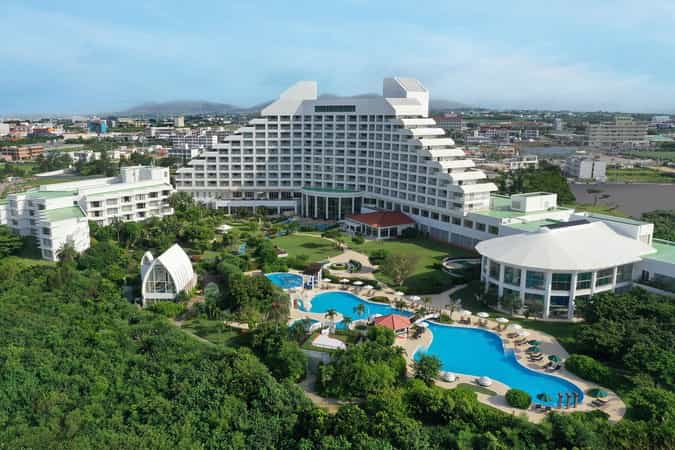
Yaeyama Islands
Nestled at the southernmost point of Japan’s Okinawa region, ANA InterContinental Ishigaki Resort is a haven of natural beauty. Boasting endless horizons of azure water, the luxury resort offers direct access to Maesato Beach, while indoor and outdoor pools mean you can swim all year round. The restaurants serve delicious Japanese and global dishes, and the spacious Maesato Ballroom is ideal for conferences and banquets.
Tokyo
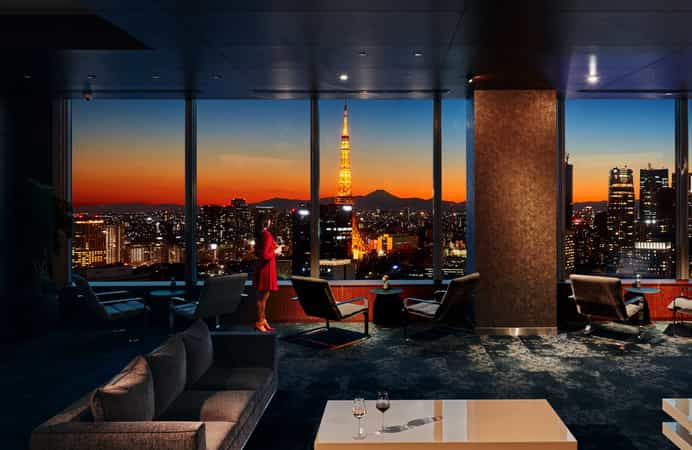
With a lobby on the 25th floor of the Shiodome Media Tower, the Park Hotel couldn't be better situated for getting under the skin of Tokyo. Right by a subway station - and only 5 minutes from the Hamamatsucho monorail station - it’s easy to enjoy the full scope of Japan's capital, from the mind-boggling lights of Shinjuku to the serenity of the Hamarikyu Gardens (they're just a 10-minute stroll away). Back at the hotel, prepare to be awed by the incredible artwork: not only does the hotel rotate the art installations in the lobby almost every month, there is an entire floor that has been completely transformed by the work of a Japanese artist.
Kyoto
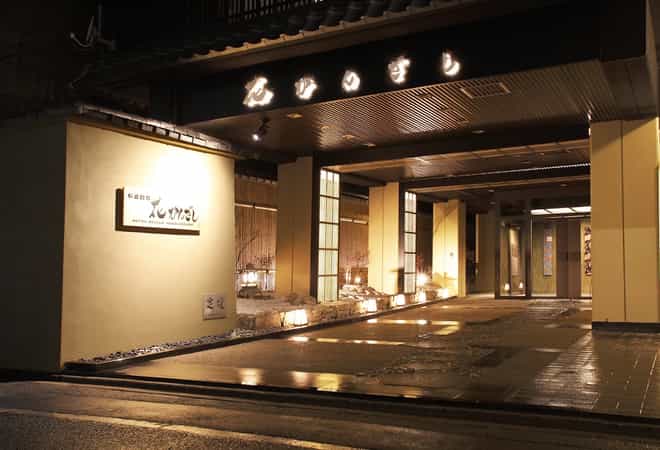
Slap in the middle of downtown Kyoto, a four-minute wander from the stalls of Nishiki Market, Matsui Bekkan Hanakanzashi does the modern ryokan rather well. Thirty tatami rooms spread across five storeys, each with futon bedding and its own private bath, though it's the communal one that steals the show: well water hauled up from 100 metres underground, fizzing into jet and bubble tubs said to leave skin silky (this isn't a mineral onsen, whatever some booking sites claim, but it's a proper soak all the same). Dinner arrives in your room, kaiseki or a Kyoto-style sukiyaki, alongside a much-praised Japanese breakfast of yudofu and grilled fish.
Kyoto
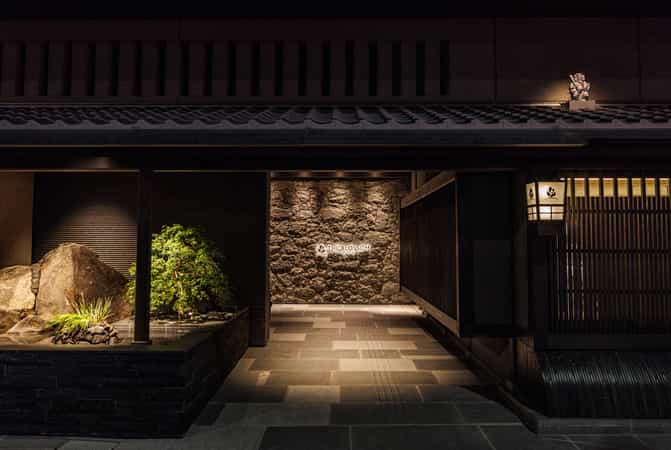
The Blossom Kyoto offers you rooms, which incorporate a "Japanese" design throughout, and are composed of 10 types that correspond to your travel style. Spend a peaceful time in the bustling city that makes you forget about time.
Kyoto is a city that transforms beautifully with each season. Traces of the past still linger throughout this place. As you pass through the narrow passage reminiscent of a traditional machiya townhouse, you’ll be welcomed by soothing sounds and gentle aromas that fill the air. This is your peaceful home in Kyoto.
Hiroshima
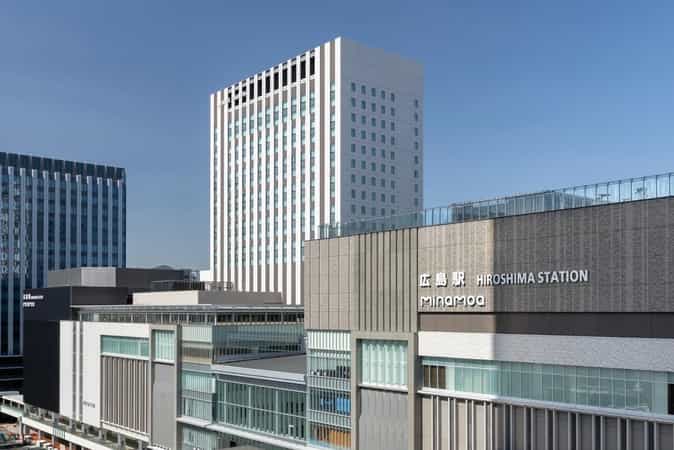
Located right above Hiroshima Station in the brand-new station building, Hotel Granvia Hiroshima South Gate opened its doors in March 2025 as the city's most conveniently placed launchpad for the Seto Inland Sea. Rooms across the Concept and Standard floors come with proper work desks and, on the better ones, views worth lingering over. Breakfast at UmiShima Dining leans into Seto regional cooking, all bright, briny flavours. From here, Hiroshima Castle, Miyajima's Mount Misen and the Shimanami Kaido cycling route are all within easy reach. Step off the train, and you're already there.
Hakone & Mount Fuji
Miyajima Island
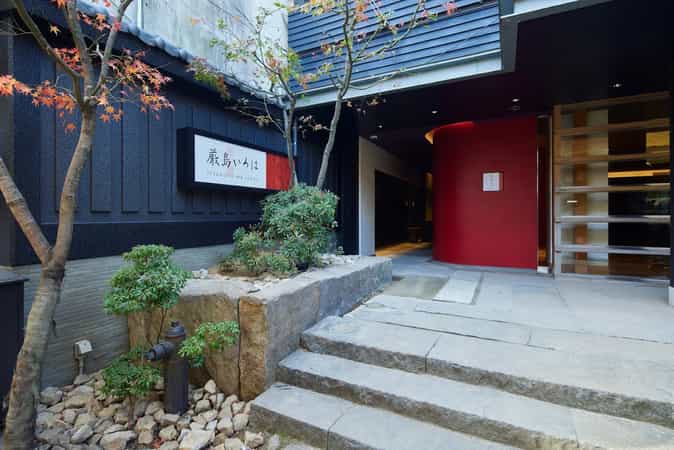
Across the sea from Hiroshima, Miyajima has long been known as one of the most scenic places in Japan. Sitting on the island's very popular Omotesando Avenue (the shopping is fantastic!), the Kurayado Iroha Ryokan couldn't have a better view of the island's floating Torii Gate and shimmering water beyond. Staying true to its very authentic roots, a stay at the Kurayado Iroha is all about bubbling, spring-fed baths and kaiseki cuisine prepared with local ingredients, including vegetables from the Chugoku Mountains and seafood caught fresh every day. Become absorbed by the magic of Miyajima Island as you wander from shrine to shrine, and take in the splendid views.
Matsumoto
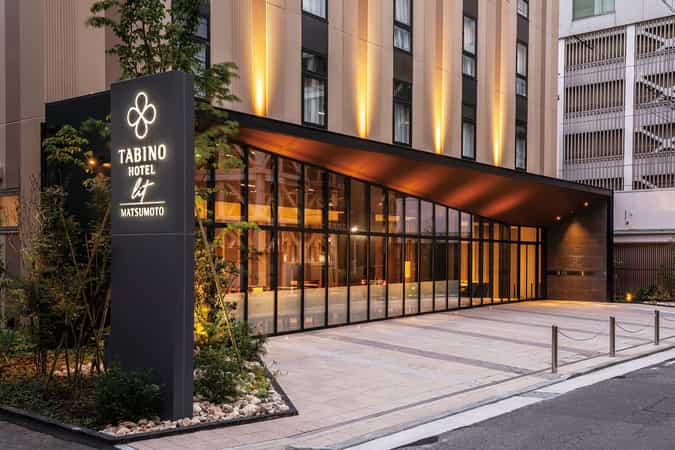
Located in the heart of Matsumoto City, right in front of Matsumoto Station, this hotel aims to be a convenient "travel base" for both business and leisure travelers, a hotel that guests will love and choose for years to come. With a bus terminal for major tourist destinations just a one-minute walk away, you can enjoy active travel to various places such as Kamikochi, Norikura Plateau, and Hakuba, using the hotel as your base.
Kanazawa
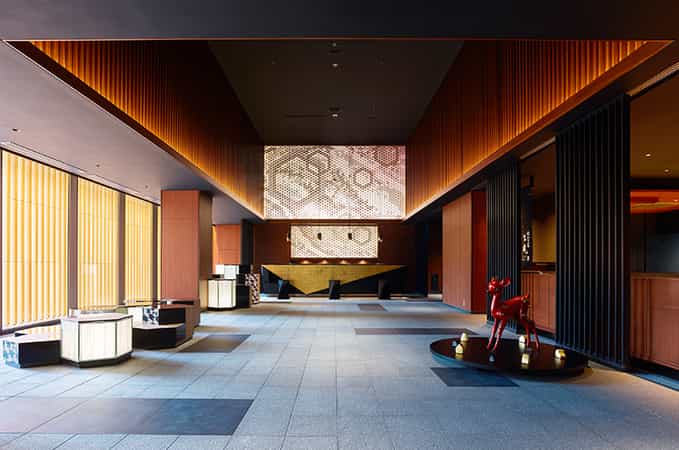
Kanazawa often gets called "Little Kyoto," but this castle town on the Sea of Japan has a charm entirely its own — think gold leaf artisans, preserved geisha quarters and one of Japan's most celebrated gardens. Positioned right in the thick of it, this contemporary hotel (the brand's first in the Hokuriku region) puts Omicho fish market five minutes away on foot, with samurai streets, Kenrokuen Garden and the castle all within easy reach. The real draw? A design that weaves local craft into every corner — Kaga Yuzen fabrics, Wajima lacquerware touches, lighting edged in gold leaf — and a rooftop bathhouse overlooking the greenery of the castle park.
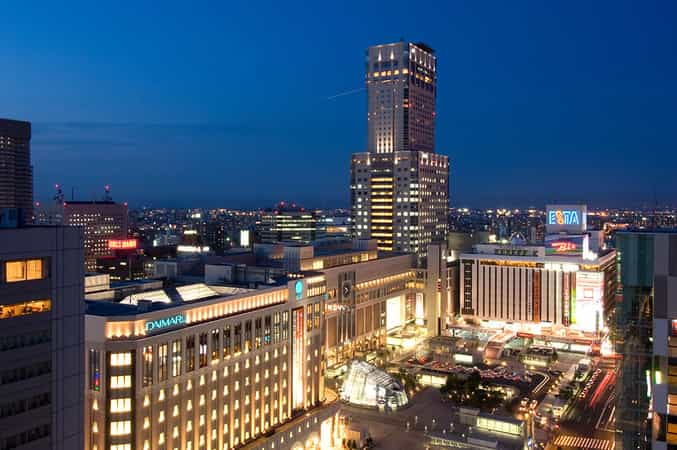
Sapporo
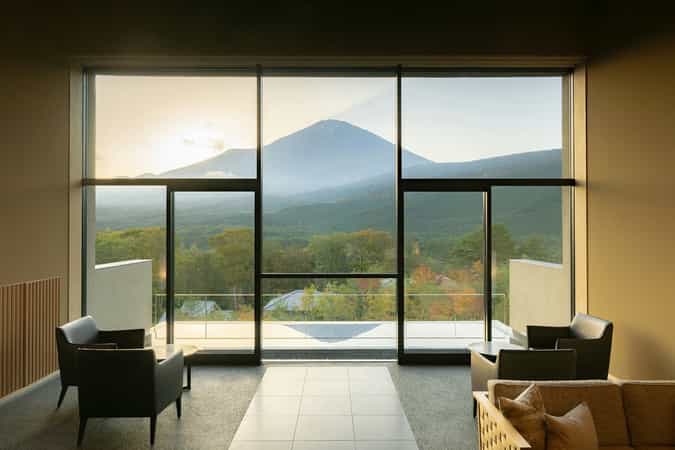
Izu Peninsula
Quite literally face to face with Mount Fuji, one of Japan’s most renowned icons, the Gora Kadan is a beautiful blend of Japanese tradition and glittering modernity. There’s plenty of sleek, gleaming surfaces and sharp lines, but also all the best bits of a traditional ryokan – think woven floors, paper sliding doors and of course, plenty of onsen (hot spring baths). At the centre of it all, however, is the mountain. Be it mist-covered or sparkling in the sunshine, the sharp edges are visible from just about every angle of the hotel, whether you’re relaxing on your private balcony, terrace or garden, enjoying a kaiseki experience in one of four restaurants, or soaking in the magical spring waters of the spa.
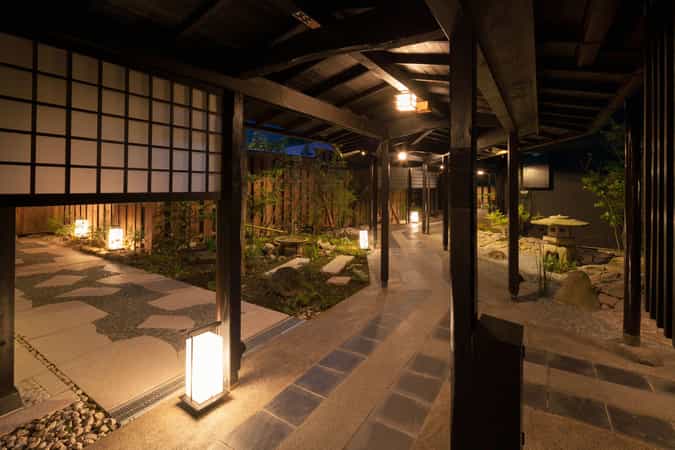
Izu Peninsula
This hotel welcomes guests with fifteen different settings, each with its own unique charm. Each guest room is uniquely designed, allowing you to enjoy a luxurious escape from the hustle and bustle of everyday life while soaking in a natural hot spring bath.
Some guests repeatedly request their favourite room settings, while others enjoy visiting all of the guest rooms. So, why not try finding your own peaceful and relaxing room?

Takamatsu
The hotel sits five minutes from the station in the middle of Kagawa's capital, the kind of city most visitors treat as a ferry terminal for the art islands of the Seto Inland Sea. That's a mistake, and this hotel is part of the reason why. The whole place runs on what its designers call Takamatsu Art Deco: 1920s New York bones dressed in bonsai motifs and locally woven rugs, then handed the full club-floor treatment usually kept for a hotel's top few rooms. Kaiseki dinners happen behind sliding doors in one of six private rooms at Nishiki. Miss the last ferry to Naoshima and you'll hardly mind.
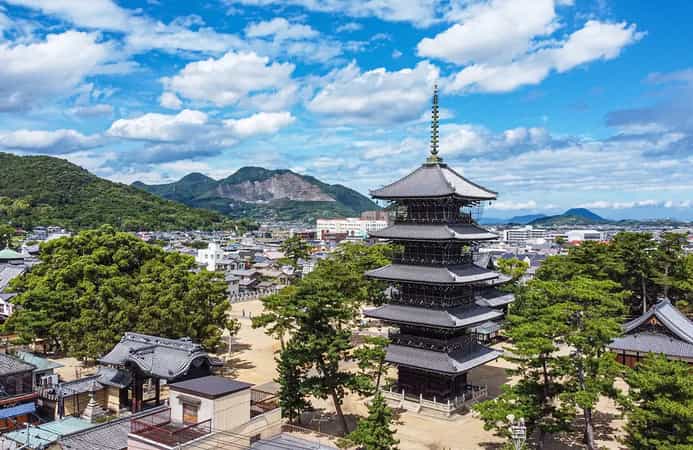
Takamatsu
The vast temple grounds, covering a total area of about 45,000 square meters, are divided into two parts: the East Wing, called the Garan, and the West Wing, called the Tanjōin. The Garan, where the Kondo, the five-storied pagoda, and other buildings stand, has been part of the temple since the temple's foundation. The Tanjōin, with the Mieido at the center, is the site of the Saeki family's former residence, where Kobo Daishi was born. Together, they show Zentsūji’s connections with Kobo Daishi’s birth and family life.
Okinawa Main Island
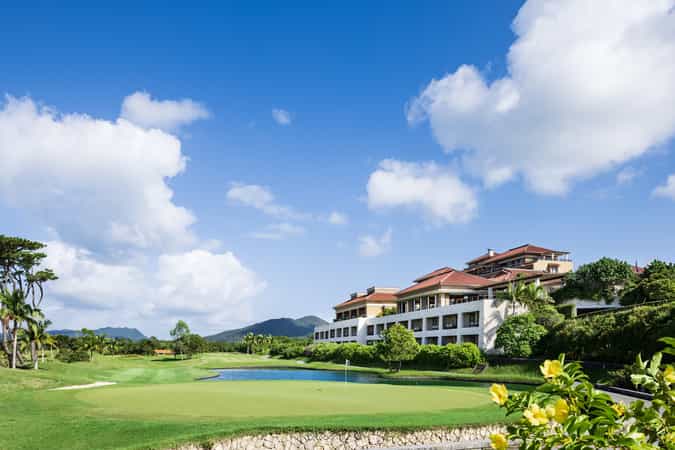
Head north from Naha and Okinawa's usual postcard beaches give way to the Yanbaru forest. It's here, wrapped in the fairways of the Kanehide Kise Country Club, that you'll find The Ritz-Carlton. The hotel wraps around three sides of the course, an unusual footprint for a Ritz-Carlton, so nearly every balcony gets a slice of green fairway, blue sea, or often both. Inside, expect handmade ceramics dotted about, low slate-grey furniture, and a spa that disappears into the trees, complete with a coral-tiled steam room. There's Kuroge Wagyu sizzling tableside at dinner, and a restaurant named, rather sweetly, after a rainbow.
Kerama & Kume Islands
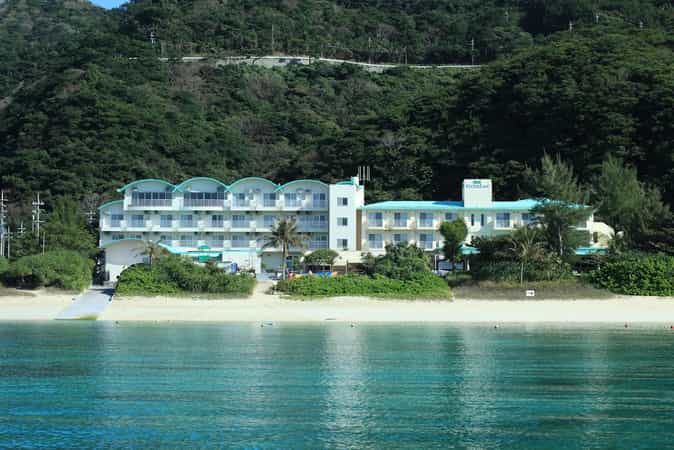
Tokashiki Marine Village is a resort accommodation boasting one of the finest locations on Tokashiki Island in the Kerama Islands. Snorkeling and scuba diving, which can be enjoyed all year round, will welcome you with coral reefs and colorful fish that stretch as far as the eye can see. It is also a great chance to encounter sea turtles. In winter, whale watching, where you can see humpback whales up close, is popular. This resort hotel allows you to enjoy Okinawa all year round. Come and visit Tokashiki Island, a paradise just a short distance from Okinawa Main Island.
Yaeyama Islands
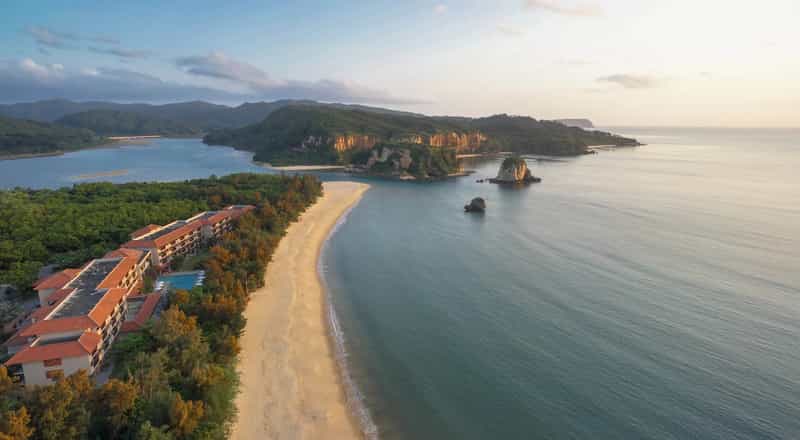
Hoshino Resorts Iriomote Hotel sits where the jungle simply refuses to stop – 4,850 species crammed onto a UNESCO-listed island, with Tsukigahama Beach as your front garden and the elusive Iriomote cat somewhere out there in the dark. Kayak the mangroves at dawn, chase waterfalls by day, and in June and July, cruise out to watch sagaribana flowers bloom and vanish before sunrise.
No in-room TVs, no toothbrushes left lying about – small, deliberate nods to the wild you came for. Evenings mean stargazing and sparkling wine on the sand. Come for the jungle, not the pool.
Tokyo
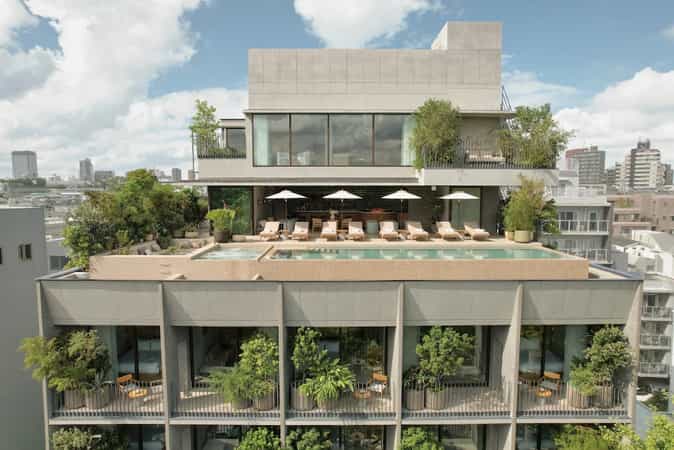
At Trunk Yoyogi Park, the guest rooms offer you a compact yet luxurious urban experience. Expansive, floor-to-ceiling windows seamlessly blend the room’s interiorwith the surrounding park greenery and cityscape. Every room type embodies an urban sophistication born from the fusion of Japanese and Scandinavian design philosophies, featuring unexpected material combinations and artworks that add a distinctive accent. Through every element—from the in-room amenities to the furnishings—you will get an experience of "Urban Recharge."
Kyoto
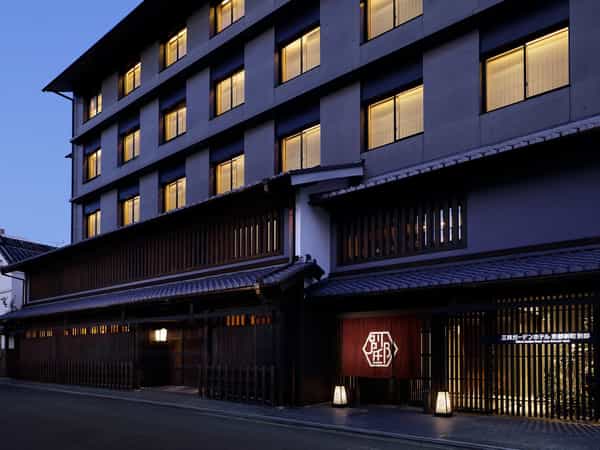
Kyoto's Shinmachi Street retains the strong charm of traditional Kyoto townhouses. This location is the perfect setting for a welcoming and hospitable bathhouse. Perhaps it would be nice to reflect on your Kyoto trip in the tranquil bathhouse, nestled amidst the hustle and bustle of the city. The large public bath on the first floor also features an artificial carbonated spring, known for its skin-beautifying effects, making for a truly delightful environment...
Hiroshima
Hakone & Mount Fuji
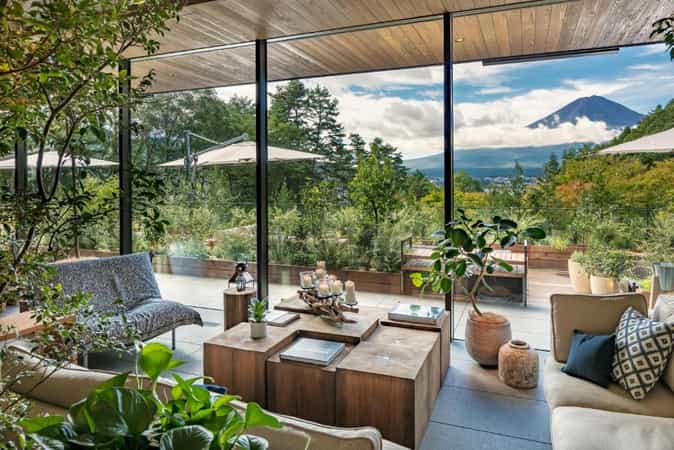
Lake Kawaguchi is the most photogenic of the Fuji Five Lakes, the one where a still morning delivers Sakasa Fuji, the mountain doubled on the water. FUFU Kawaguchiko sits in pine forest above the shoreline, one of nine properties in Japan's small-luxury FUFU group and the only hotel in Yamanashi to hold Two MICHELIN Keys two years running. All 32 suites face the mountain and come with their own volcanic-stone hot spring, so nobody's queuing for a soak here. The whole place runs on a "borderless forest" idea: trees felled to make way for the build came back as furniture, the local stone as fittings. Deliberate, unshowy, and entirely 'of the place'.
Kanazawa
Sapporo
Okinawa Main Island
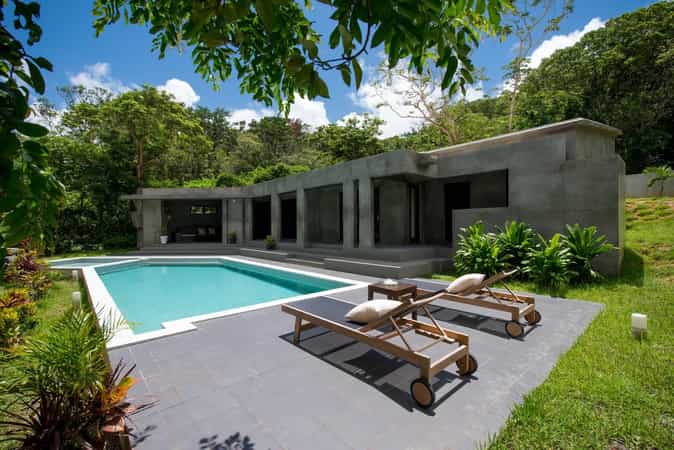
Deep in the Yanbaru Forest on Okinawa's mountainous Motobu Peninsula, 11 concrete villas sit scattered across twenty hectares of subtropical woodland, so spread out that other guests barely cross your path. The name comes from the tea once grown here to send to Nakijin Castle, the Ryukyu Kingdom's ruined mountain fortress just up the road (now a UNESCO World Heritage site and famous for growing Japan's earliest cherry blossoms). Inside, raw concrete collides with warm hardwood, and every villa comes with its own pool, a private BBQ at dusk and a bathroom roughly the size of a studio flat. Don't expect to bump into anyone else before breakfast.
Tokyo
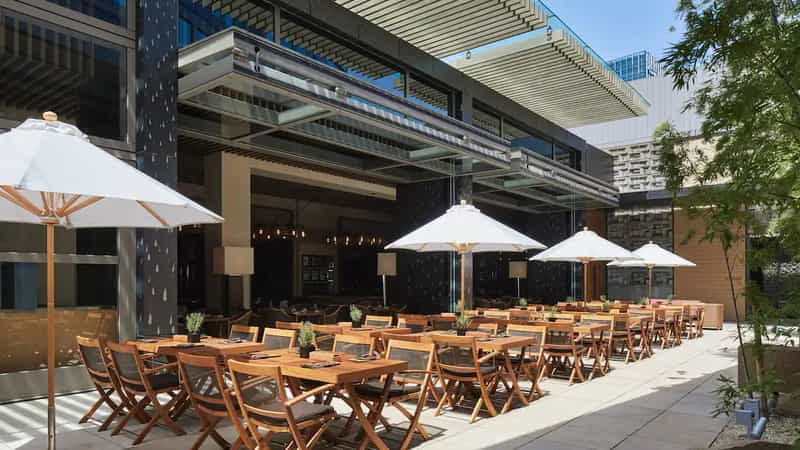
A city within a city, Roppongi Hills is a glamorous corner of Tokyo where tourists rub shoulders with expats and businessmen. Of course, this was the perfect spot for another Grand Hyatt in Japan. With an incredible 10 dining spots, you'll be spoiled for choice when it comes to where to eat, from intimate Teppanyaki-style meals to some of the finest sushi in the city, prepared with market-fresh ingredients and served alongside artisanal sake. The hotel has over 380 rooms, all exceedingly spacious, and the higher you go, the better the view, with some looking out to Tokyo Tower and distant Mount Fuji.


Namibrand, Namibia