We're one of the World's Best Tour Operators!
Named three years running in Travel+Leisure World's Best, including No.1 in 2024
From honey-hued village inns to magnificent, design-led abodes, your United Kingdom travels could involve everything from elegant urban stays to cosy countryside hideaways.
London
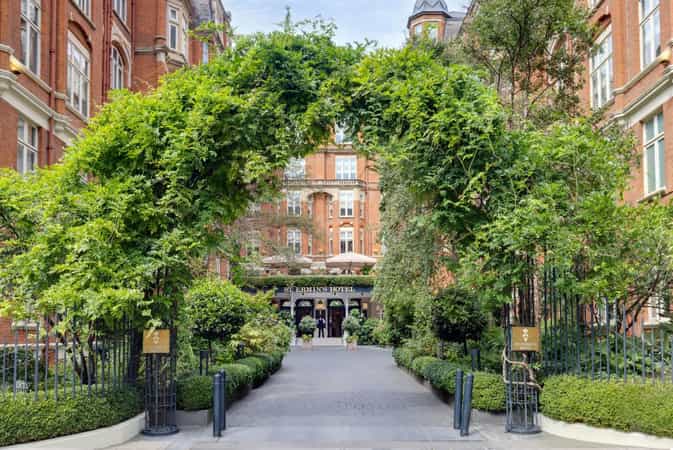
A Victorian mansion block just around the corner from Westminster, the St Ermin's is a Grade II-listed hotel that has been a great deal more than just a place to sleep in its lifetime... Notable moments include Winston Churchill convening a wartime meeting that gave birth to the Special Operations Executive and the Cambridge Five plotting over drinks in the Caxton Bar. And, rumour has it, a tunnel runs directly to the Houses of Parliament. Inside, intricate Rococo plasterwork and a theatrical double staircase set the scene from the moment you walk in, and whilst the rooms are a little more understated, they are incredibly comfortable and well-appointed. Oh, and the afternoon tea, served with honey produced by the resident bees on the third floor, is very, very good.
Edinburgh
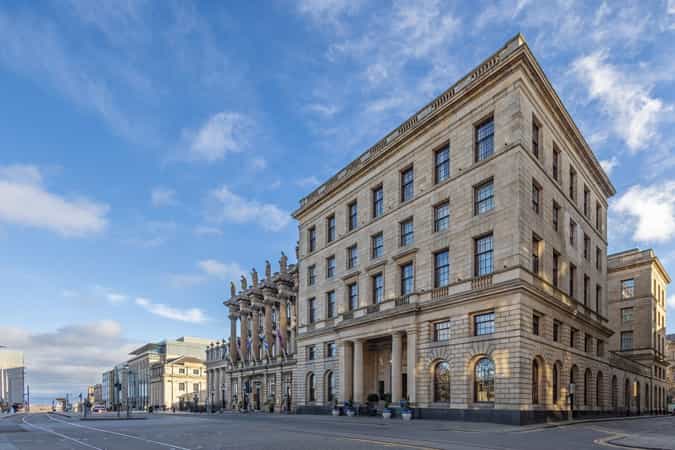
Carved into the former Royal Bank of Scotland headquarters on St Andrew Square, the Edinburgh Grand is one of the buzziest places to stay in town. There are 50 rooms in total, ranging from studios to one- and two-bedroom suites and each comes with a proper, fully-equipped kitchen and sitting room, so you can come and go as you please in the thick of the New Town however long you're staying. In the lobby, a dazzling art deco foyer opens up into a grand circular staircase and a clutch of in-house bars and a steakhouse - actually, one of the best in town. The tram to the airport also stops right outside, making connections flawless.
Edinburgh
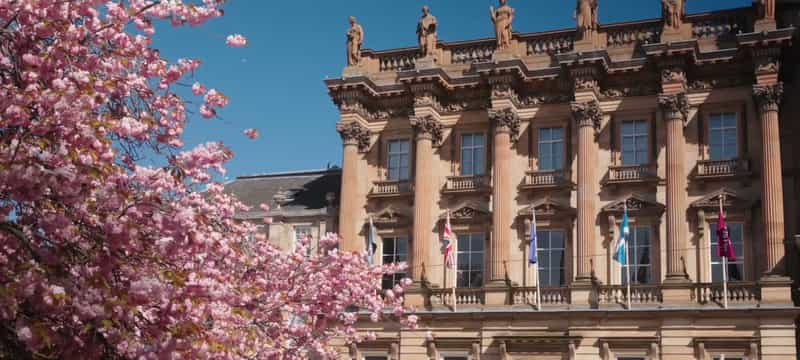
Gleneagles has spent 100 years as Perthshire's home of golf and gundogs - and now it has a sassy little sister, right on St Andrew Square in the well-heeled grid of Edinburgh's Georgian New Town. Located in the old Bank of Scotland building, the Gleneagles Townhouse is announced discreetly by a tiny plaque on the stone wall outside, but step inside and you'll enter a vibrant world of giant palms, Murano chandeliers, jewelled velvets and hummingbird-bedecked walls. The past is everywhere, too: cocktails in the grand old Telling Room, a spa built into the strong rooms once used for storing gold and silver, and a roof terrace guarded by magnificent Georgian statuary.
The Cotswolds
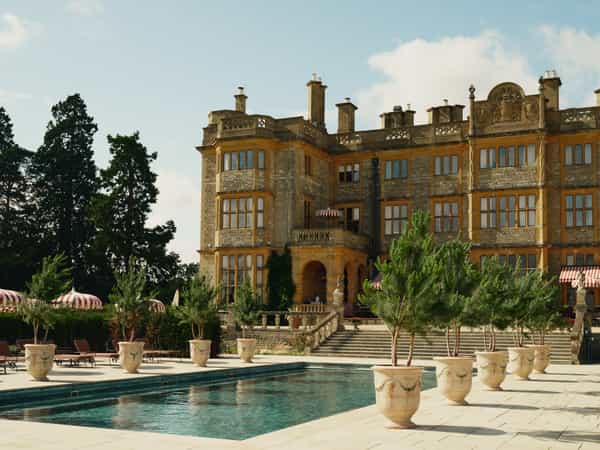
Out past Oxford, just on the edge of the Cotswolds, Estelle Manor presides over 85 acres of its own and some 3,000 more of rolling Oxfordshire parkland, gardens and ancient woodland. It's both a country house and a private members' club, all done up in a maximalist swirl of vintage finds and beautiful 20th-century pieces, atmospheric lighting and soothing tones. Days here are busy in the best way: a Roman-style bathhouse, four restaurants, a long outdoor pool, a kids' club for the little ones, and a paddock kitted out for archery and axe-throwing. It's part grand country mansion, part grown-up playground – and absolutely fantastic.
The Lake District
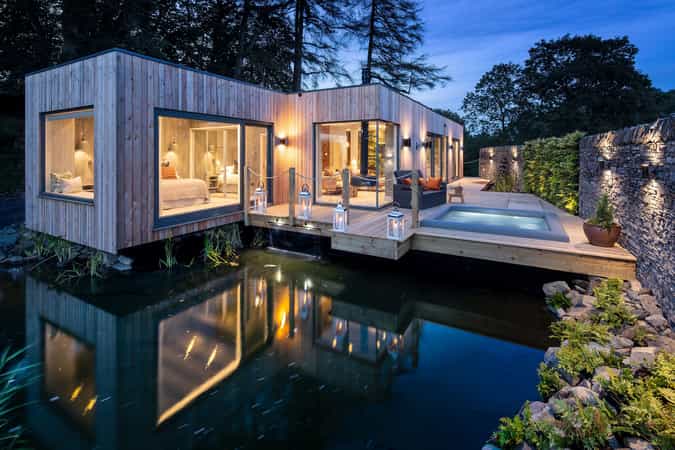
On the eastern side of Lake Windermere, up the winding Crook Road and past the broody, rolling fells, you'll find the Gilpin Hotel & Lake House. The Cunliffe family have spent six generations turning this Lakeland bolthole into one of England's most coveted retreats and there are actually two abodes set a mile apart: the 21-acre Gilpin Hotel, with its Michelin-starred restaurant, pan-Asian Spice and a meadow of llamas and micro pigs, and the six-bedroom Lake House, hidden in 100 private acres on the bank of Knipe Tarn. Both run on the same motto, "love and laughter," and both deliver it with aplomb (with plenty of G&Ts to go around).
Glasgow
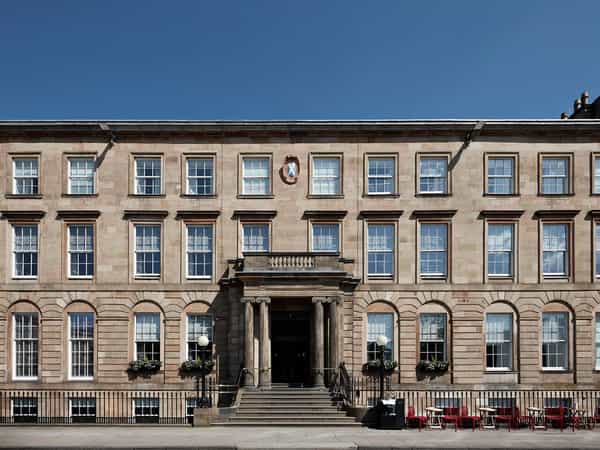
Kimpton Blythswood Square is a five-star hotel in the Georgian heart of Glasgow, beside the private gardens of Blythswood Square and close to the city centre. The spa has relaxation pools and a thermal suite, iasg is the hotel’s destination restaurant, and afternoon tea and a daily wine hour in the lobby make for an easy end to the day. Pets are welcome, there is a gym, and the Penthouse comes with its own rooftop garden…
Northern Scotland
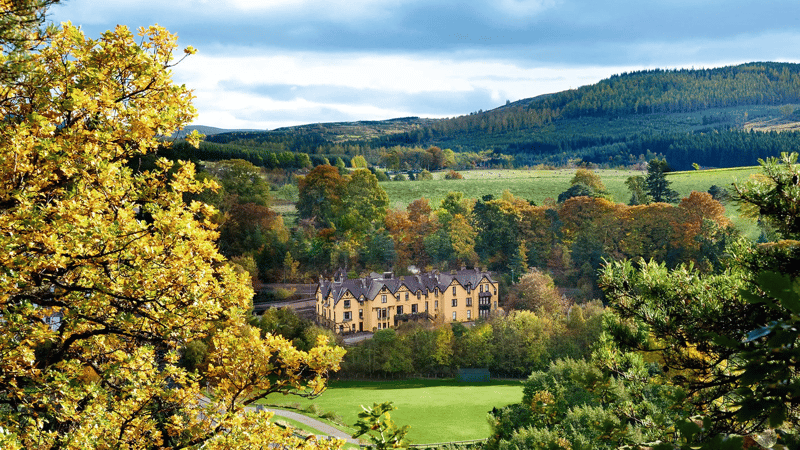
The Craigellachie Hotel is a four-star hotel in the Speyside village of the same name, looking out over the River Spey and Elchies Woods, with most of the valley's distilleries inside a 20-mile radius. Upstairs sits the Quaich Bar, pouring over 700 single malts beneath a silver band made by the King's own silversmiths. Downstairs, the Spey Inn has fed fishermen and distillery workers since 1703 and still grills meat from the butcher next door, whilst GEAMAIR runs a seven-course tasting menu. Come for one night and you'll wish you'd booked three.
Edinburgh
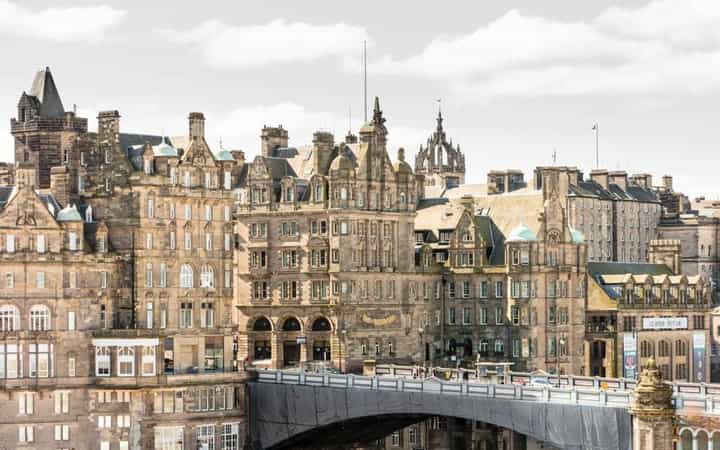
High on North Bridge, where Edinburgh's Old Town tips into the cosmopolitan New, stands The Scotsman. For the best part of a century, the presses of The Scotsman newspaper thundered away in the basement and editors filled the middle floors, but today you're more likely to hear the clinking of champagne glasses than the clacking of keys. Reborn as a hotel in 2001, it's kept the bones of the original building – oak panelling, ornate ceilings, lots of green and white marble and a 190-foot tower – while incorporating 82 rooms, a clutch of bars and a, fascinatingly, a pocket-sized cinema. The location is also dreamy, with the Royal Mile a minute's walk away and the New Town, five.
The Cotswolds
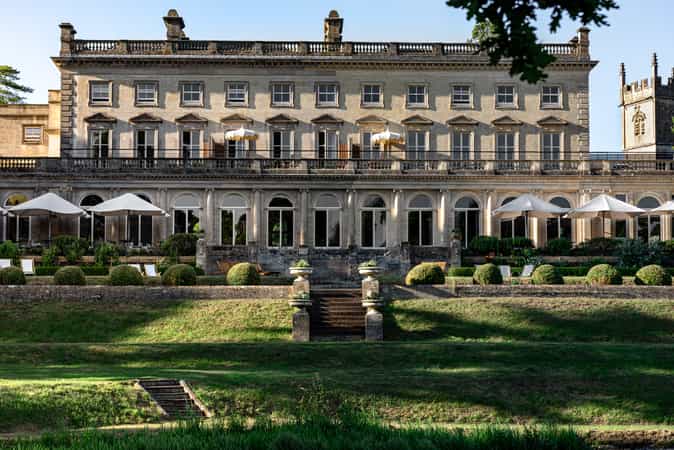
Mere minutes from the centre of Cheltenham, Cowley Manor is a magnificent Italianate house, recently given a sharp and slightly mischievous new life by the crowd behind some of Europe's best cocktail bars. The result? A country-house hotel that is definitely one-of-a-kind, and rooms that take you down a designer rabbit-hole of bold colours and very funky details. Inside, log fires and deep sofas keep it cosy; outside, acres of parkland roll away into lakes where swans drift among the lily pads and giant rabbits (sculptures!) hide in the grass. Spend your days swimming, wandering, or settling in at the bar, the Cotswolds outpost of the cool-as-a-cucumber Experimental Cocktail Club.
St Andrews
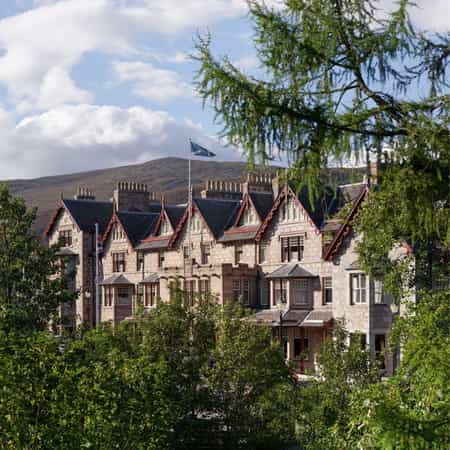
Just nine miles from Balmoral, Braemar is one of Britain's highest, coldest villages. Its grandest old coaching inn, built in 1856 and once a place where Queen Victoria swapped her horses, stood shabby for decades until art dealers Iwan and Manuela of Hauser & Wirth spent four years (and many millions) reinventing it. The result? A Highland inn that's part traditional village pub, part serious art gallery (there's a Lucian Freud and a bronze Bourgeois spider among the 16,000 works), and part psychedelic Highland dream. Nothing else in Scotland comes close... In fact, possibly nowhere does!
The Lake District
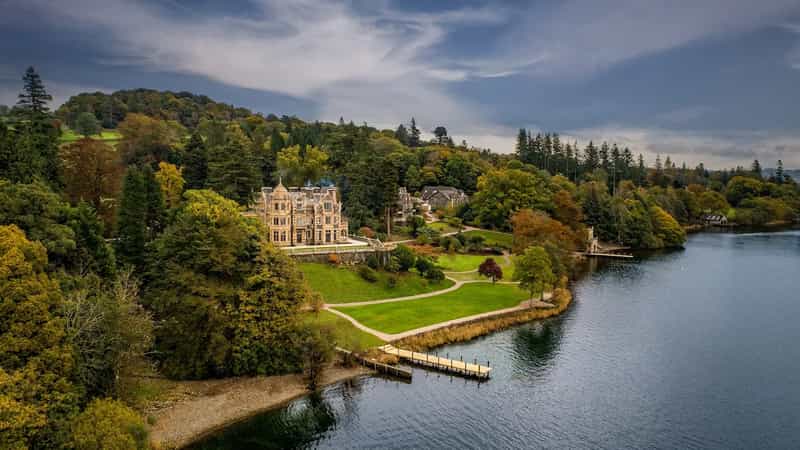
The Lake District has been turning writers soppy since Wordsworth, and the eastern shore of Windermere is where the drama is really laid on. Handily, this is exactly where you'll find Langdale Chase, a manor house that's all gables and turrets and pure Victorian fantasy. The hotel reopened in late 2023 after the most thorough restoration in its history and was promptly named the best hotel in the north, with two AA Rosettes for the food following a little later. And it's not just inside that will make you swoon... Outside, 4.5 acres of beautiful, sculpted gardens lead down to the shimmering water of the lake, a private pier and the hotel's very own boat. This is the lakes done properly.
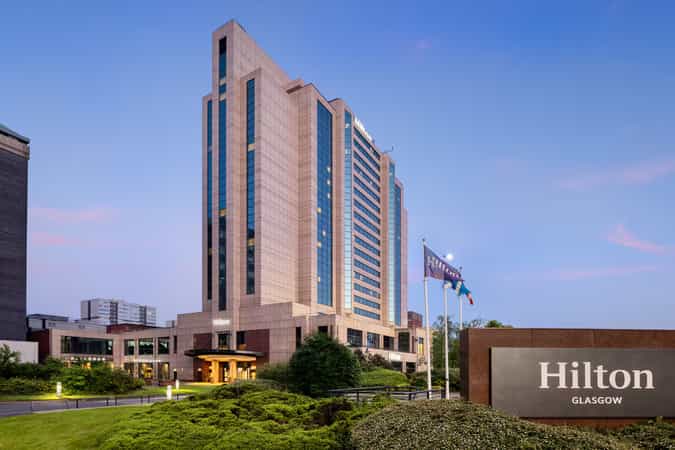
Glasgow
Hilton Glasgow is a landmark hotel on William Street, beside the SECC and about 1.5 miles from the city centre, with city views from the rooms. Whisky Mist Bar & Kitchen serves seasonal dishes and whisky cocktails, whilst The Tea Lounge by Dilmah is the place for afternoon tea. The health club has a 15-metre indoor pool, sauna, steam room and gym, and the Serenity spa handles treatments. Families are looked after too, with a kids menu and connecting rooms…
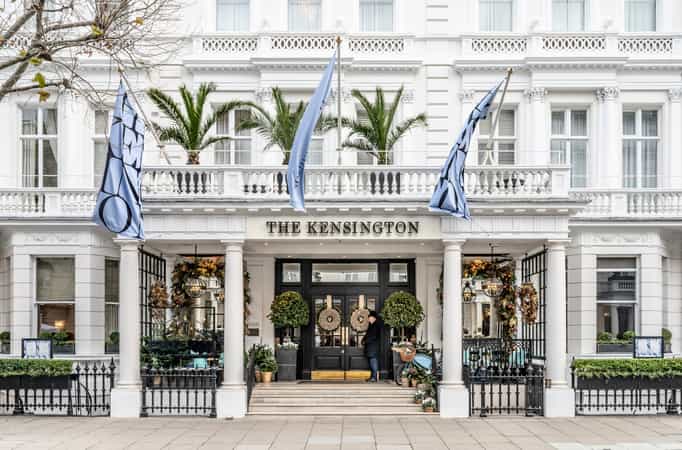
London
Few corners of London do genteel quite like South Kensington, and The Kensington Hotel is quite at home in a row of white-stucco townhouses on a peaceful residential road. Inside, you'll feel as if you've stepped into a well-loved private home: high ceilings, heritage touches and pretty, handpicked furniture atop gorgeous hardwood floors. The atmosphere is charming and friendly, never stuffy, and the team is one of loveliest in the city. It helps that the neighbourhood is one of the city's most desirable, too, all garden squares, red-brick mansions and pavement cafés - and you're mere metres from the Natural History Museum, Science Museum, and the V&A.
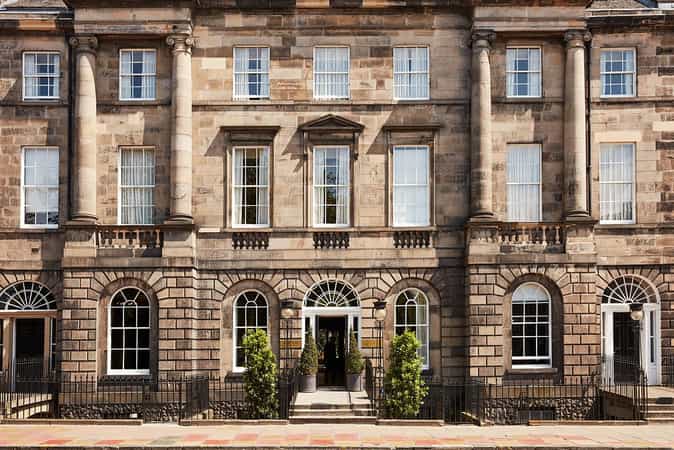
Edinburgh
In Edinburgh's West End, Charlotte Square is the grand finale of Robert Adam's New Town, and The Kimpton occupies seven of its beautiful, honey-sandstone townhouses. A stroll from George Street and the boutiques, cafes and restaurants of the New Town, it's an eminently stylish abode - just like the locals that you're sharing the square with. Inside, the mood is cosmopolitan clubhouse: deep velvets, oxblood leather, layered tartan and some fantastically oddball art. There's also an underground spa with a 12-metre pool, a Levantine restaurant doing proper charcoal-grilled mezze, and a glass-topped courtyard everyone gravitates to.
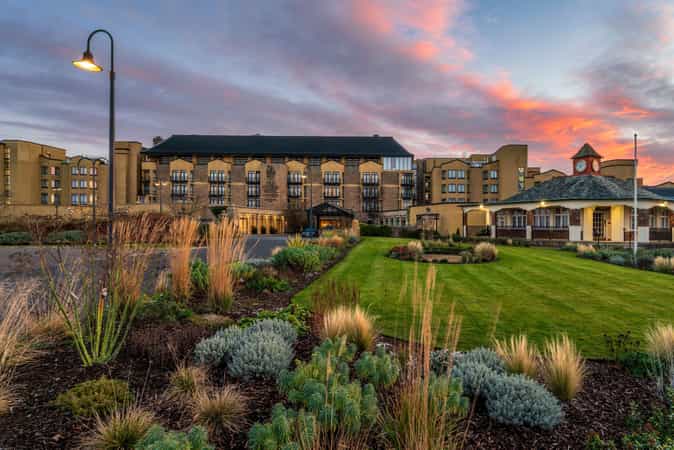
St Andrews
St Andrews is golf's spiritual home, and few addresses sit closer to its beating heart than The Old Course. Built in 1968 on the site of the old railway station, the hotel now stands wing to wing with the Old Course's 17th, the Road Hole, where professionals still aim blind over a cluster of replica railway sheds planted in its own garden. Inside, the legacy runs deep: corridors named for golfers long dead, black-and-white photographs of Opens gone by, and a snow cabin spa that feels like nothing else in the home of golf. Cathedral ruins sit on one side, the North Sea on the other. This is proper bucket-list territory and it's fabulous!
The Lake District
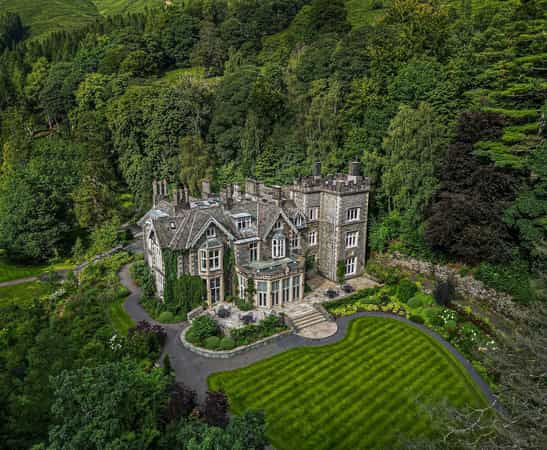
Above the village of Grasmere, in a serene fold of the Lake District that William Wordsworth spent his life eulogising, is Forest Side Hotel, a Victorian Gothic mansion that was left for decades before reopening in 2016. It's the work of Cumbrian hotelier Andrew Wildsmith, and it makes no secret of the fact that it's really a restaurant with rooms. In fact, Paul Leonard's kitchen has held a Michelin star since day one and picked up a green star for sustainability 10 years later. Around it lie 43 acres of woodland and walled garden, roamed by roe deer and the odd Herdwick sheep. Come hungry.
London
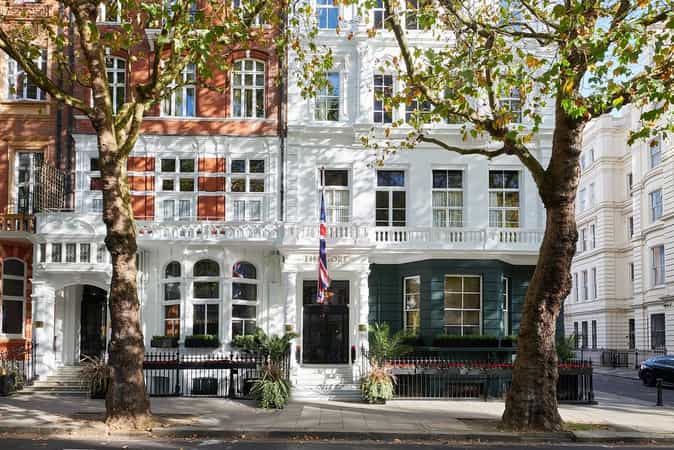
A quintessentially English hotel since 1892, The Gore is as historic as it it is unique, combining the familiar intimacy of a London club with the impeccable service of a grand hotel. Located in the heart of Kensington, and just a stone’s throw away from The Royal Albert Hall and Hyde Park, the hotel has been providing guests with understated elegance and charming service for over a century. Today, these qualities are charged with fresh energy with the new 190 Queen’s Gate restaurant and the legendary Bar 190 bringing both delights and memorable moments to your stay. All 50 of The Gore's lavishly appointed rooms and suites are individually furnished with beautiful antiques, period photos and ornately decorated beds, creating a distinctive atmosphere in each abode.
London
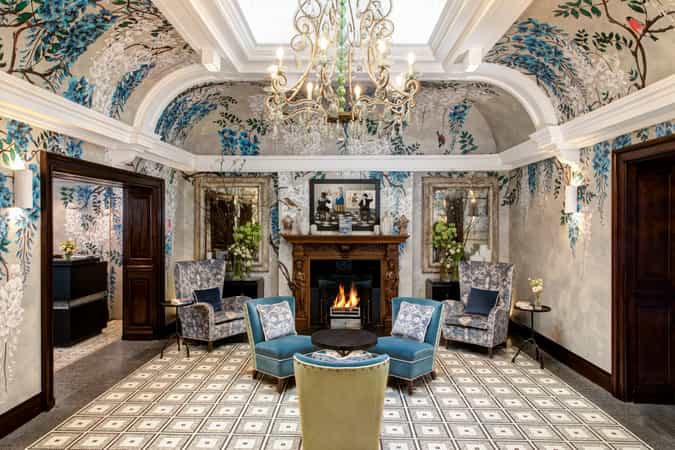
Brown's has been taking in guests on Albemarle Street since 1832, which makes it one of London's oldest hotels – and it wears its age well. Built from a row of Georgian townhouses in the heart of Mayfair, the hotel has hosted royalty, presidents and a long line of writers. Kipling worked on The Jungle Book here over decades of writing retreats, Agatha Christie borrowed it for At Bertram's Hotel, and Alexander Graham Bell made Britain's first telephone call from the building in 1876. Now, a stay at Brown's is all wood panelling and deep armchairs contrasted with modern art and bright upholstery - and a good dose of personality, too.
London
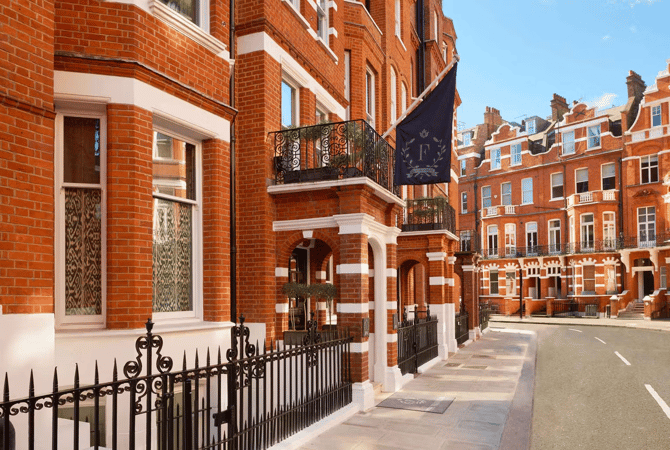
Set in an elegant Victorian building in the heart of London and surrounded by the beauty and tranquillity of Egerton Gardens, The Franklin hotel combines the warmth of a private home with the impeccable service of a luxury boutique hotel. A neighbour of Harrods and the Victoria & Albert Museum, such a unique hotel represents as well the prime example of Anouska Hempel’s timeless, Italian-influenced design.
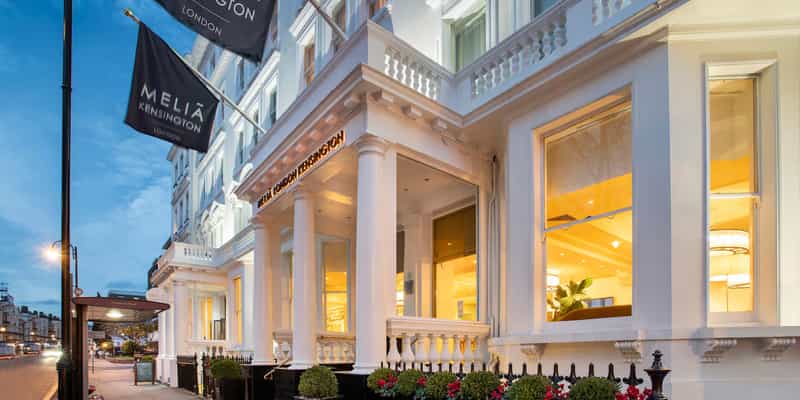
London
Elegance and modern trends intertwine in one of London's most charismatic neighbourhoods: South Kensington. This boutique hotel, featuring sophisticated rooms and suites alongside avant-garde spaces like the Pulbrook & Gould Floral Showroom, offers a perfect balance between British refinement and Spanish vitality. Thanks to its location, close to iconic landmarks such as Kensington Gardens, Hyde Park, the Victoria and Albert Museum, the Royal Albert Hall, and Harrods, it is a fantastic option for those seeking a home away from home. Relax in the comfort of our stylish rooms and discover the culinary delights of the Hispania Kensington restaurant, all while enjoying the elegance of the hotel's common spaces.
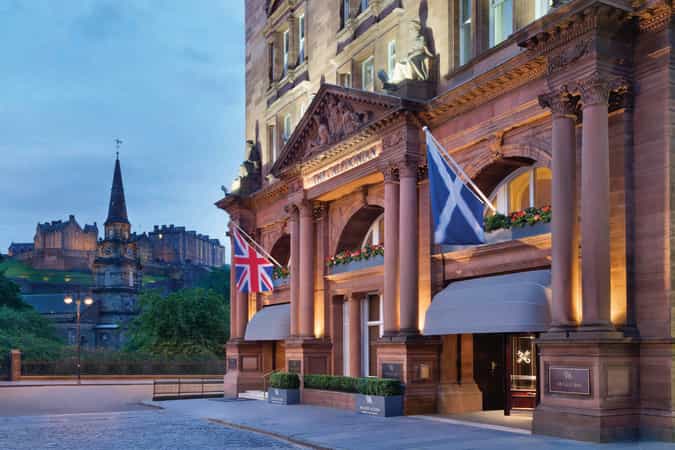
Edinburgh
Edinburgh's west end has two grand old railway hotels glaring at each other across Princes Street, and this rose-sandstone giant, now The Caledonian, was built to outdo its rival. Opened in 1903 for the Caledonian Railway (its trains once supplied the steam that heated guests' bathwater), it has since hosted everyone from Nelson Mandela to a Hollywood cowboy who marched his horse up the grand staircase in matching Stetsons. These days, "The Caley" trades a little more elegantly, reworked with a station-clock cocktail bar, a vinyl listening room, and more sleek, castle-view rooms than anywhere else in the city.
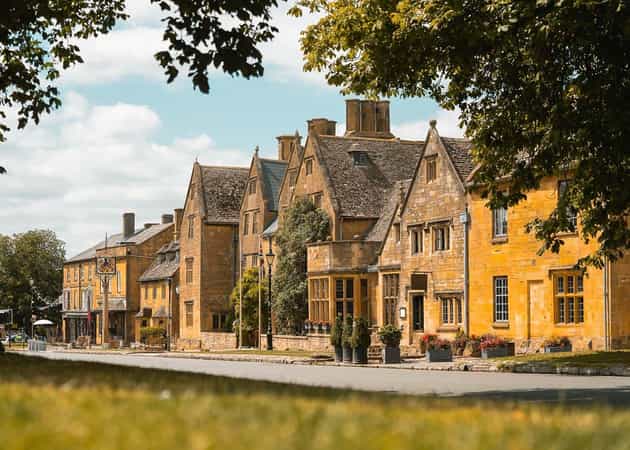
The Cotswolds
Broadway is the kind of place that you might describe should someone ask you to picture a quintessential English village: honey-coloured stone, immaculate gardens, and a quaint High Street that is said to be one of the prettiest in the UK. At the heart of it all is The Lygon Arms, a coaching inn that King Charles I sheltered in during the English Civil War. In fact, his former sitting room is now the hotel reception, complete with the secret spiral staircase! Today, a seasonal restaurant occupies the vaulted dining room, there's a spectacular spa behind the historic facade, and the surrounding Cotswolds countryside does the rest.
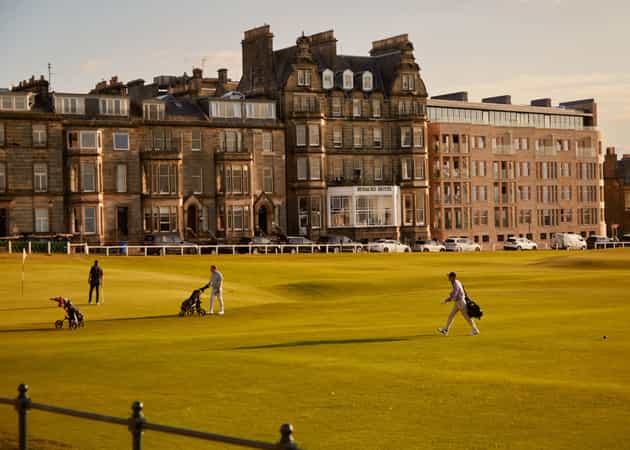
St Andrews
St Andrews doesn't do subtle when it comes to golf, and neither does Rusacks. Built in 1887 by Johann Wilhelm Rusack, a German émigré who swapped Lower Saxony for the Fife coast, the hotel has spent well over a century propped directly above the 18th green of the Old Course, close enough to watch both triumph and heartbreak play out from your bedroom window. It's now the flagship of Marine & Lawn's collection of course-side hotels, and is adorned in golfing memorabilia and sophisticated, thoroughly Scottish details. And did we mention the R&A Clubhouse is right next door? You couldn't get closer to golf's beating heart if you tried.
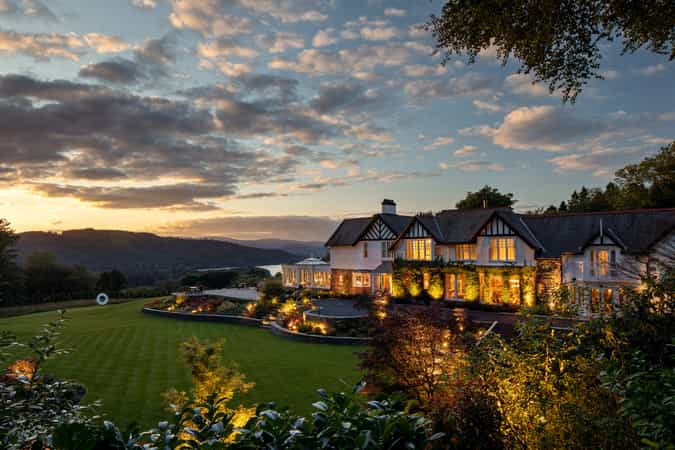
The Lake District
An old Edwardian summer house from 1901 and now the Lake District outpost of South Africa's Leeu Collection, Linthwaite House sits high on its own hill with gorgeous views across Lake Windermere and the Coniston Fells. Inside, it's very much a scene of modern, 21st-century luxury - think bold prints and wild colours, sumptuous armchairs and a fine selection of African art, all from the owner's personal collection. It's surrounded by 14 acres of garden and woodland that keep the rest of the world at arm's length, and when you're finished exploring, there's always a crackling log fire somewhere to cosy up to. Frankly, Wordsworth would have approved.
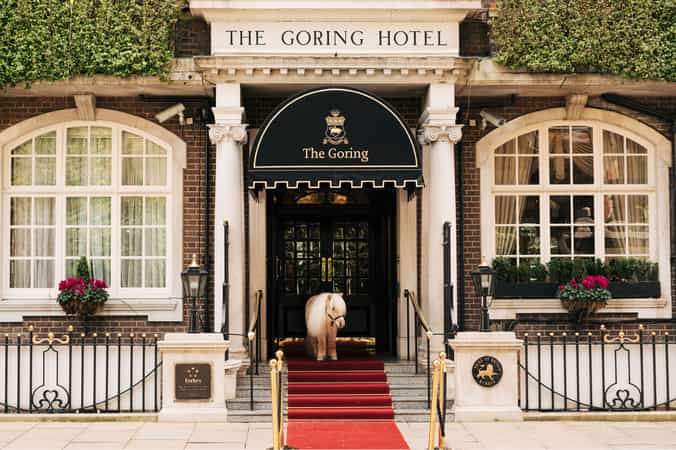
London
Set on a quiet and marvellously-regal Belgravia street, The Goring opened its doors in 1910 and is still the epitome of English charm today. The character is full-blown Edwardian with footmen in red livery at the entrance, a flock of life-size wooden sheep posted by the hearth, and a degree of fuss that feels gloriously out of step with modern-day London. The very hotel where Kate Middleton spent the night before her royal wedding, the Goring has generations of regulars return precisely because so little changes. This is a hotel where everything is the result of decades of reflection and study, from a pillow plumped just right to meals known across the city.
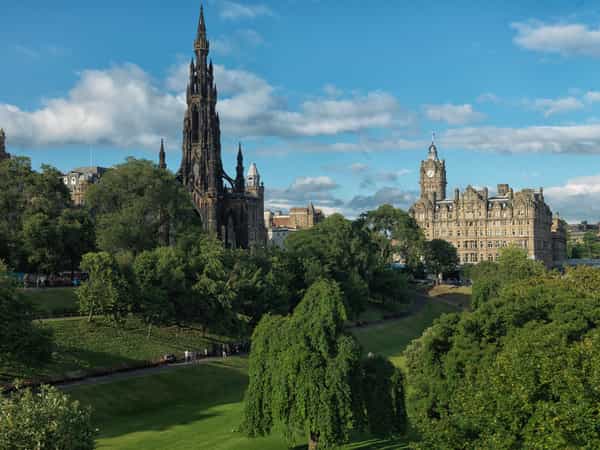
Edinburgh
You'll have seen the clock before you ever see the hotel. That sandstone tower at the east end of Princes Street, set deliberately three minutes fast since 1902 so railway travellers never miss a train, belongs to The Balmoral, Edinburgh's grandest, most iconic hotel by a fair Scottish mile. Inside, just past the kilted doorman, you'll find a 500-strong whisky bar, afternoon tea in the glass domed Palm Court and a serene spa with a distinct touch of the Sicilian. Decor is all moor-greens and heather-purples and the odd splash of tartan and despite the fact that you're right on Princes Street, one of Edinburgh's most popular shopping streets, all is calm once you're safely inside and in the hands of the ever-charming team.
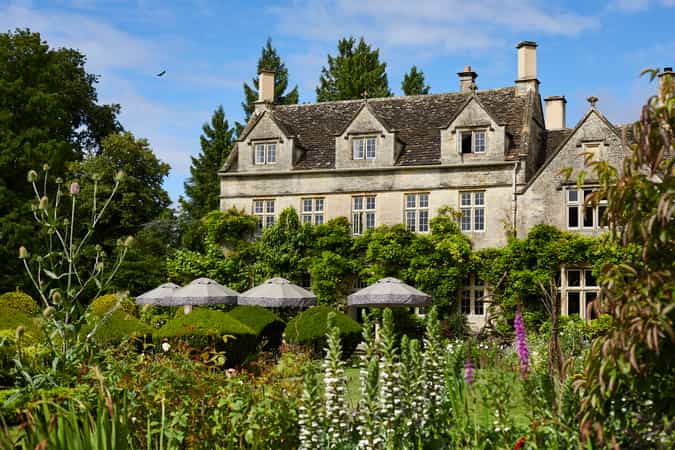
The Cotswolds
The Pig hotel group – a collection of country houses across England, each built around a kitchen garden and a their famous 25-mile menu – found its natural home when it took over this 17th-century manor in the Cotswolds village of Barnsley. The house was formerly owned by Rosemary Verey, one of Britain's most celebrated garden designers, and her legacy is still very much in residence: a laburnum walk, a beautiful knot garden, a Tuscan temple and a kitchen garden that supplies the restaurant year-round. Four miles from the market town of Cirencester, with a village pub directly across the road and a spa tucked among the orchards, it's a very easy place to while away a few days in the quintessential English countryside.
St Andrews
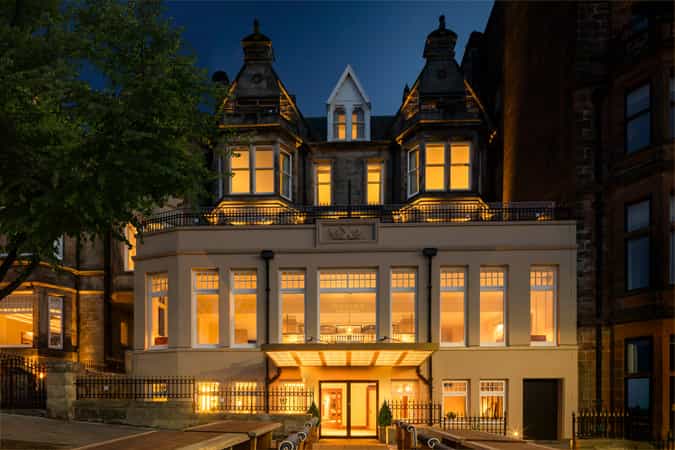
St Andrews has obsessed over a small white ball for six centuries, and Seaton House sits right in the thick of it on The Scores, with the Old Course's first tee close enough to wave at. Behind its restored 1864 townhouse facade are 42 rooms in oak panelling and tartan, plus three distinct places to eat and drink. Beyond golf, there's a cathedral ruin, a 600-year-old university and West Sands beach, cinematic and vast, right outside. This isn't a country retreat, but rather a clifftop townhouse with sea air, single malt and one of sport's most storied views built in.
London
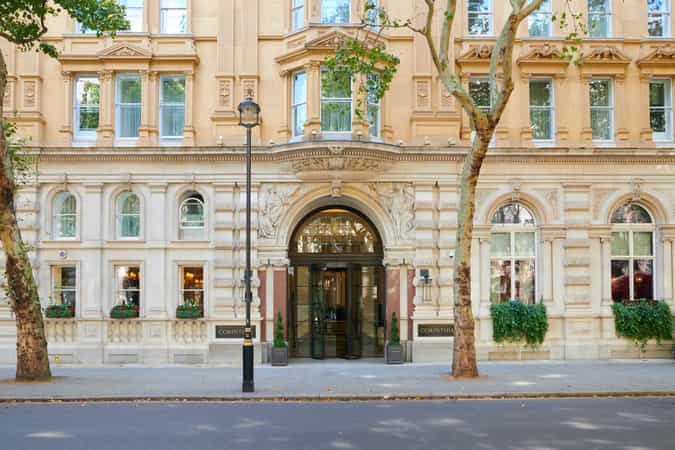
For decades this enormous, triangular Whitehall building toiled away as a government institution, until it reopened in 2011 as a hotel... and remembered how to enjoy itself! Today, The Corinthia is a glorious riot of luxury and opulence in the most sophisticated of ways: ceilings that go up and up, a slow sweep of staircase, light catching gilt and glass, and always, a vast bouquet of fresh blooms in the centre of the lobby. Location-wise, you're on the the corner where Whitehall runs down to the Thames, and Westminster, Trafalgar Square and the South Bank are all only a short walk away. It does drama and class brilliantly, yet somehow never takes itself too seriously – and the afternoon tea is definitely worth skipping lunch for.
Edinburgh
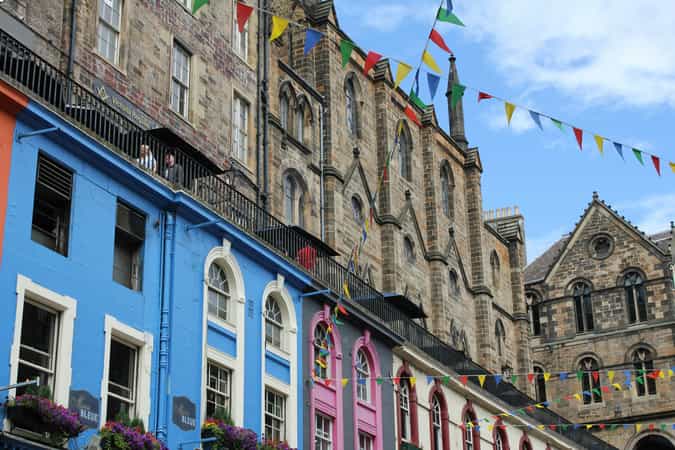
Victoria Street is the candy-coloured curve that half of Edinburgh believes inspired JK Rowling's Diagon Alley - and right at the top, a red door gives way into the 1864 India Buildings. This is Virgin's first hotel outside the US, and the brand has poured its irreverent spirit into a maze of three listed buildings (excavations turned up siege weapons and a slice of the old city wall!). Inside are 222 bedroom "chambers", a circular lounge beneath a staggering Victorian cupola, a flagship restaurant, and a rooftop with the castle in full view.


Namibrand, Namibia