

.jpg)



Planning Guides
Chile Country Guide
Geysers, glaciers & Easter Island
UK

.jpg)
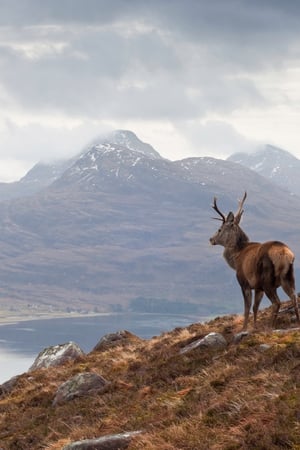
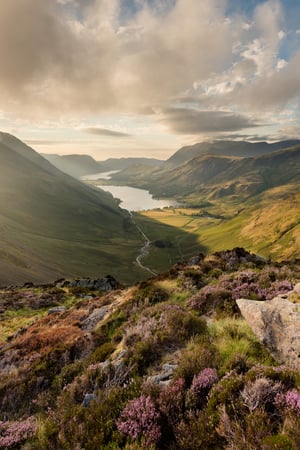
Impossibly varied for its size and insatiably passionate about its own history (steam engines, the railway, the telephone, the television, the World Wide Web and penicillin to name a few), the United Kingdom packs more into a relatively small island than almost anywhere on earth. More than 800 languages are spoken in London, making it the most linguistically diverse city on earth, Scotland has 790 islands, and there are 47,000 pubs serving possibly even more ales. Quite impressive! And somewhere in all of this is one of the world's great travel experiences: extraordinarily green landscapes and heather-strewn highlands; misty, mysterious lakes, lochs and fells; world-class cities and tiny, honey-hued villages; glorious architecture and universities that have been teaching since before the Aztec Empire; a food scene several decades past its tired reputation; and a nation of incredibly friendly people, albeit one a little obsessed with discussing the weather (and queuing).

The variety is, quite simply, extraordinary. Have a Michelin-starred dinner in Edinburgh on Tuesday, wake up in the Cotswolds on Wednesday and be on a remote Scottish beach by Thursday, all without leaving the island.

England has over 2,000 miles of navigable waterways, built during the Industrial Revolution and best explored on a hired narrowboat that requires no licence and considerably less skill!

The rail network is excellent and makes getting between cities scenic as well as easy. London to Edinburgh takes around four and a half hours on the East Coast Main Line, and the countryside through the window is half the fun.
Start with a recommended trip or create one from scratch
Get advice and suggestions to make this your perfect trip.
or call us on: +1 (646) 542 0667
From windswept beaches to Michelin-starred restaurants, history-filled market towns, and more pubs than you’ll know what to do with, a UK trip proves just how much can fit onto one small island.
,url-https%3A%2F%2Fassets.waybird.com%2Fcdn-cgi%2Fimage%2Fwidth%3D12%2Cformat%3Dauto%2Fhttps%3A%2F%2Fassets.waybird.com%2Fimages%2Fmap%2Fpin-primary-outlined.png(-3.188267,55.953252),url-https%3A%2F%2Fassets.waybird.com%2Fcdn-cgi%2Fimage%2Fwidth%3D12%2Cformat%3Dauto%2Fhttps%3A%2F%2Fassets.waybird.com%2Fimages%2Fmap%2Fpin-primary-outlined.png(-1.959043715004607,51.79031594840848),url-https%3A%2F%2Fassets.waybird.com%2Fcdn-cgi%2Fimage%2Fwidth%3D12%2Cformat%3Dauto%2Fhttps%3A%2F%2Fassets.waybird.com%2Fimages%2Fmap%2Fpin-primary-outlined.png(-2.797734249331131,56.33929046591614),url-https%3A%2F%2Fassets.waybird.com%2Fcdn-cgi%2Fimage%2Fwidth%3D12%2Cformat%3Dauto%2Fhttps%3A%2F%2Fassets.waybird.com%2Fimages%2Fmap%2Fpin-primary-outlined.png(-3.051944064711269,54.45555673743876)/auto/600x400?access_token=pk.eyJ1IjoidGltYnVrdHV0cmF2ZWwiLCJhIjoiY2poMGw1eHpkMmRkbDJ6bW8xYWZ5OGpjYyJ9.PYvAO7lUJ40SOpGvwmQLqw&attribution=false&logo=false)
.jpg)
UK
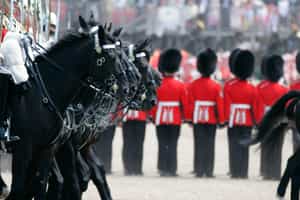
With a borough for every possible mood and sightseeing for days, London has genuinely never been better.
UK
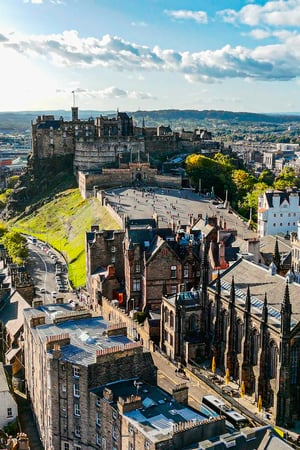
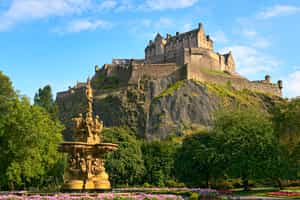
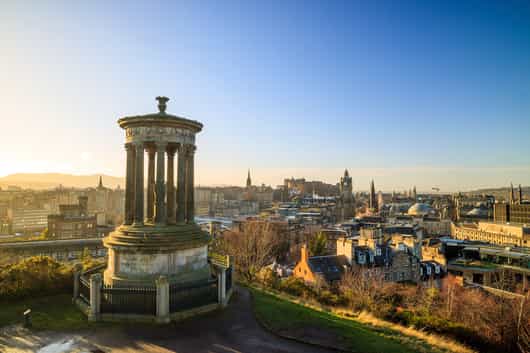
Scotland’s alluring capital city of ancient architecture, charm, culture and cuisine in spades.
.jpg)
UK
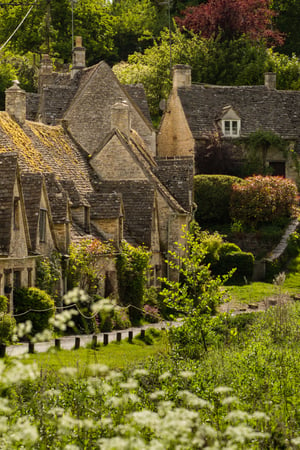
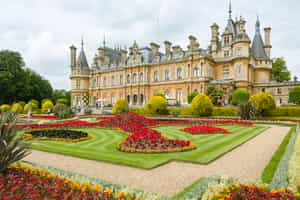
800 square miles of honey-gold villages, winding lanes and quintessential English-ness.
The UK doesn't run to strict dry and wet seasons as much as changeable and very changeable, and rain is never entirely off the table, whatever month you choose. Both England and Scotland are at their best in late spring and early autumn, when long days bring blossom or foliage depending on which end of the season you catch, mild temperatures, and none of the school-holiday crowds. In fact, May and September are consistently rated the best all-round months in both. Summer, from June to August, brings the promise of warm weather and the fullest events calendar, from Wimbledon and Royal Ascot in England to the Edinburgh Fringe and Highland Games in Scotland, though it's also the busiest time to travel. Winter swaps daylight hours for log fires and Christmas markets, rewarding those happy to wrap up warm with some of the year's quietest, best-value trips.
And remember, don't let the odd grey afternoon put you off. A shower often gives way to some of the softest, most flattering light of the day. Travelling in shoulder season means smaller crowds, easier bookings, and both countries looking (and feeling) their very best.

Winter Season — a quieter time to visit
In England, it’s the coldest month of the year, with snow settling over the Lake District and the Yorkshire Dales while London ticks along on short, crisp days.
Scotland is also bitterly cold and icy winds blow in off the coast in Edinburgh. Burns Night (25th) is celebrated nationwide with whisky, haggis and wonderful poetry readings.
The quietest, cheapest month to visit either country, with hotel rates at their lowest of the year.
Winter Season — a quieter time to visit
It’s still cold in both countries, though usually a touch drier than January. Snowdrops begin pushing through English gardens toward the month's end.
The Scottish Highlands are icy cold but still covered in a dusting of snow making this an excellent time of year for skiing.
London Fashion Week adds a burst of glamour to the capital.
Low-season pricing continues and February is one of the best-value months of the year.
Early Spring Season — a good time to visit
Daffodils appear across English gardens and hedgerows, and Bath's Literature Festival gets underway.
In Scotland, the frost starts to thaw in the south and around Edinburgh, but the Highlands and Cairngorms hold onto their snow.
A quiet, good-value window before the Easter crowds arrive.
Spring Season — a good time to visit
Blossoms and bluebells fill the English orchards and hedgerows by late April, and Easter brings the year's first busy season and usually, higher rates.
April is Edinburgh's driest month of the year, and at the end of the month, Beltane, a pagan fire festival, draws crowds to Calton Hill in the heart of the city.
The Highlands' ski season winds down as slopes in the Cairngorms and West Highlands close for the year.
Late Spring Season — one of the best times to visit
The Chelsea Flower Show takes over London in late May and most of England's gardens at their showiest and brightest.
Scotland's countryside turns to wildflowers and rhododendrons, and World Whisky Day (the third Saturday) is a good excuse for a distillery detour - and some tasting.
Long daylight hours, mild temperatures and the start of Highland Games season make this one of the best all-round months in either country.
Public holidays bookend the month, so the first and last weekends are often busy.
Early Summer Season — one of the best times to visit
Wimbledon and Royal Ascot dominate England's social calendar and the weather is warm and generally dry.
Scotland's midges arrive from June and linger until September. Insect repellent is a must if the Highlands or West Coast are on your itinerary.
With almost 17.5 hours of daylight in Scotland (and more further north), the evenings are long and perfect for beach walks and late dinners.
Peak Summer Season — a good time to visit
Most schools in Europe are on holiday in July, making this a busy time to visit
The weather is reliably (sometimes!) warm in England and nice but cooler in Scotland, though rain is never fully off the table.
Music festivals dominate the English summer, while Scotland's Highland shows and agricultural fairs continue across the country.
Peak Summer Season — a good time to visit
Edinburgh is at full volume: the Fringe (the world's largest arts festival) and the Military Tattoo take over the city and rooms are booked out months ahead.
London's spectacular Notting Hill Carnival closes out the month on the August bank holiday.
August attracts peak pricing, but it’s the trade-off for the liveliest atmosphere of the year.
Early Autumn Season — one of the best times to visit
Widely considered one of the best months to visit the UK. Expect warm, dry weather and peace and quiet as the summer crowds ease (although Scotland can still be wet).
The Braemar Gathering, Scotland's most famous Highland Games, takes place just north of Pitlochry.
Down south, England’s harvest festivals get underway, including York's Food and Drink Festival and Bath's Jane Austen Festival.
Autumn Season — a good time to visit
Autumn colour peaks with purple heather blanketing the Yorkshire Dales, and the Scottish Highlands and Isle of Skye putting on their best display toward the month's end.
October is cool, crisp and notably less rainy than other months making for good walking weather in both countries.
Some Highland hotels and attractions begin closing for the season from mid-month, but England stays fully open with half-term holidays adding a busy week in the middle.
Late Autumn Season — a quieter time to visit
A quiet, atmospheric month in both countries with shorter, cooler days, and noticeably fewer visitors.
Bonfire Night (5th) lights up the skies with fireworks, while St Andrew's Day (30th) in Scotland is marked with feasts and dancing.
The first snowfall often arrives in the Scottish Highlands and the ski season begins.
Winter Season — a good time to visit
Christmas markets and lights brighten towns and cities across the country from early in the month.
Edinburgh is the place to be for Hogmanay (Scottish New Year), with fire dancers, fireworks and one of the world's great New Year parties.
Days are short and dark but often crisp and clear and it’s a magical, if chilly, time to visit either country.

England: London Heathrow (LHR) is one of the world’s most connected airports, with direct flights from virtually every corner of the globe on carriers including British Airways, Virgin Atlantic, Emirates, American Airlines, United, Delta and Air Canada. Gatwick (LGW) covers a good spread of long-haul and European routes too, while Stansted (STN) and Luton (LTN) are the natural home of budget carriers like Ryanair and easyJet. Outside London, Manchester (MAN) is the north’s major hub — a sensible arrival point if the Lake District or Yorkshire is your focus.
Scotland: Edinburgh (EDI) and Glasgow (GLA) are Scotland’s two international airports. Delta and United fly direct to Edinburgh from the US, with further transatlantic services into Glasgow; Ryanair, easyJet and Scotland’s own Loganair cover a wide range of European routes. Connecting via London is also a dependable option if a direct service isn’t available.
By train: Coming from continental Europe, the Eurostar from Paris (2 hrs 15), Brussels (2 hrs) or Amsterdam (3 hrs 55) arrives directly into London St Pancras. Within the UK, LNER runs King’s Cross to Edinburgh Waverley in around 4 hours 20, and Avanti West Coast covers Euston to Glasgow Central in a similar time — a genuinely scenic alternative to flying, and one that drops you straight into the heart of either city.
Into the city: From Heathrow, the Elizabeth line reaches Paddington in about 40 minutes (the Heathrow Express does it in 15, for a premium); the Gatwick Express runs to Victoria in 30 minutes; the Stansted Express takes about 50 to Liverpool Street. In Edinburgh, trams run from the airport to the centre in about 30 minutes; in Glasgow, the Citylink 500 bus departs every 10 minutes. Taxis and rideshares are available everywhere, though allow for traffic — London traffic is, well, London traffic.
No vaccinations are required to enter the UK, and healthcare - provided by the NHS - is reliable throughout. EU and EEA citizens should carry a Global Health Insurance Card (GHIC), which covers emergency NHS treatment; everyone else should arrive with comprehensive travel insurance and solid medical cover, no exceptions. Private treatment is available and good, but not cheap.
Tap water is safe (and in Scotland, genuinely excellent) throughout. Ticks are present in long grass and moorland between spring and autumn in both countries — check yourself after walking. In the Scottish Highlands specifically, midges are the unofficial mascot between May and September, at their worst around dawn and dusk in still, damp conditions: more irritating than dangerous, but a DEET-based repellent earns its keep.
Both countries use the Pound Sterling (£), and contactless is thoroughly embedded in daily life — you can tap your way through most of a trip without reaching for cash, though it’s worth keeping some notes for market stalls, rural pubs and the odd establishment that hasn’t quite caught up. ATMs are widely available in towns and cities (check international withdrawal fees with your bank before you go); airport exchange rates are rarely the best.
One quirk worth knowing: Scottish banks issue their own pound notes, which are valid currency throughout the UK but are sometimes declined by shops and taxis in England. If you’re carrying Scottish notes south of the border, spend them or swap them at a bank.
Tipping: 10–15% for good service in restaurants is the norm (check your bill first, as many now add a discretionary service charge).
Tipping bar staff in pubs isn’t expected - offering to buy them a drink is the traditional move - and rounding up the fare for taxi drivers is standard.
Budgets vary considerably: London and Edinburgh are expensive by any measure, while the north of England and rural Scotland offer excellent food and hospitality at noticeably friendlier prices.
It’s a condition of booking with Timbuktu that you carry comprehensive travel and medical insurance for the full duration of your trip, covering at minimum emergency medical expenses, emergency evacuation and repatriation. We also strongly recommend cover for trip cancellation or curtailment, loss or damage to luggage, and personal liability.
Don’t default to the cheapest policy — read the small print. If your itinerary includes anything active — coast-to-coast walking in England, or hill walking, skiing in the Cairngorms or coasteering in Scotland — confirm explicitly that your policy covers it. Most standard policies cover gentle hiking; anything more adventurous deserves a proper check before you set off.
England and Scotland are both part of the UK, which sits outside the EU’s Schengen area. UK and Irish citizens need no visa. EU, EEA and Swiss citizens can enter visa-free for up to six months with a valid passport or national ID card, as can citizens of the US, Canada, Australia, New Zealand, Japan and most other countries — though most of the latter now need a UK Electronic Travel Authorisation (ETA) before they travel.
The UK ETA works much like the US ESTA: an online pre-authorisation costing £10, valid for two years and covering multiple trips, taking just a few minutes to apply for via the official app or website. Sort it before you book flights. Nationalities that require a Standard Visitor Visa should apply through UK Visas and Immigration and allow at least three weeks for processing. Your passport should be valid for the full duration of your stay — no extra buffer is required at the border, though it’s always sensible to have one.
Climate: England’s weather is temperate and changeable — mild spring, warm-ish summer (London especially, in July and August), golden autumn, cold grey winter — with rain a possibility at any time. Scotland takes it a step further: four seasons in a day is not an exaggeration, particularly in the Highlands, and even a decent summer comes with a fair amount of rain in the west.
Pack:
Luggage: check with your airline for specific baggage allowances; most international carriers permit 20kg or more checked per person, with carry-on limits varying by carrier.

We’re big believers in leaving a positive impact in the countries in which we operate. We’re proud to donate $50 for every booking to projects focusing on female empowerment, tech education, conservation, and so much more.
Our dream is to empower our guests to travel with a purpose.
So far, we’ve donated $107,000 to projects across the globe.


Why travel with Timbuktu?

We've been crafting one-of-a-kind journeys since 2014 — over 2,500 trips across 40+ countries, each one built from scratch around your interests and dreams.

Our team only recommends places they've slept in, eaten in, and happily keep going back to. Condé Nast Traveler named 11 of them Top Travel Specialists in 2026, and Travel+Leisure made three A-List Advisors.

Travel+Leisure's readers voted us the World's No.1 Tour Operator in 2024 and No.2 in 2025 — the travel industry's biggest readers' award, judged by people who actually travel.

$50 from every booking goes to female empowerment, tech education, and conservation projects across the countries we love. We have donated $78,000 so far – and it's going up!

Your travel specialist is with you the whole way, dreaming up the trip, building the itinerary, checking you in, and answering the 2am question from the other side of the world..

We are rated 4.9 out of 5 from 1007 verified Feefo reviews. And these are the words of people who actually went, not us talking about ourselves.
11 Condé Nast Traveler Top Travel Specialists 2026

No. 1 & No. 2 Tour Operator in Travel + Leisure's Best Awards 2024 & 2025

Best Booking Platform in Women's Health Travel Awards 2025

Travel Specialist voted as Latin America A-List Travel Advisor 2025

"Timbuktu can take relatively complex and slightly amorphous travel plans and transform them into a well-organized, perfectly tailored trip."