Italy’s accommodation scene certainly doesn’t disappoint. In fact, you could spend years in the country staying in a beautiful hotel every night, some centuries old and still a little eccentric, and others all glass, light and a cool-as-a-cucumber design. On our list, we’ve got a former monastery turned spa, a cliff-hugging modernist statement on Lake Como and a red-walled Amalfi icon. Each one has its own style, its own point of view, and a very good reason people keep coming back…
Casa Monti
Rome
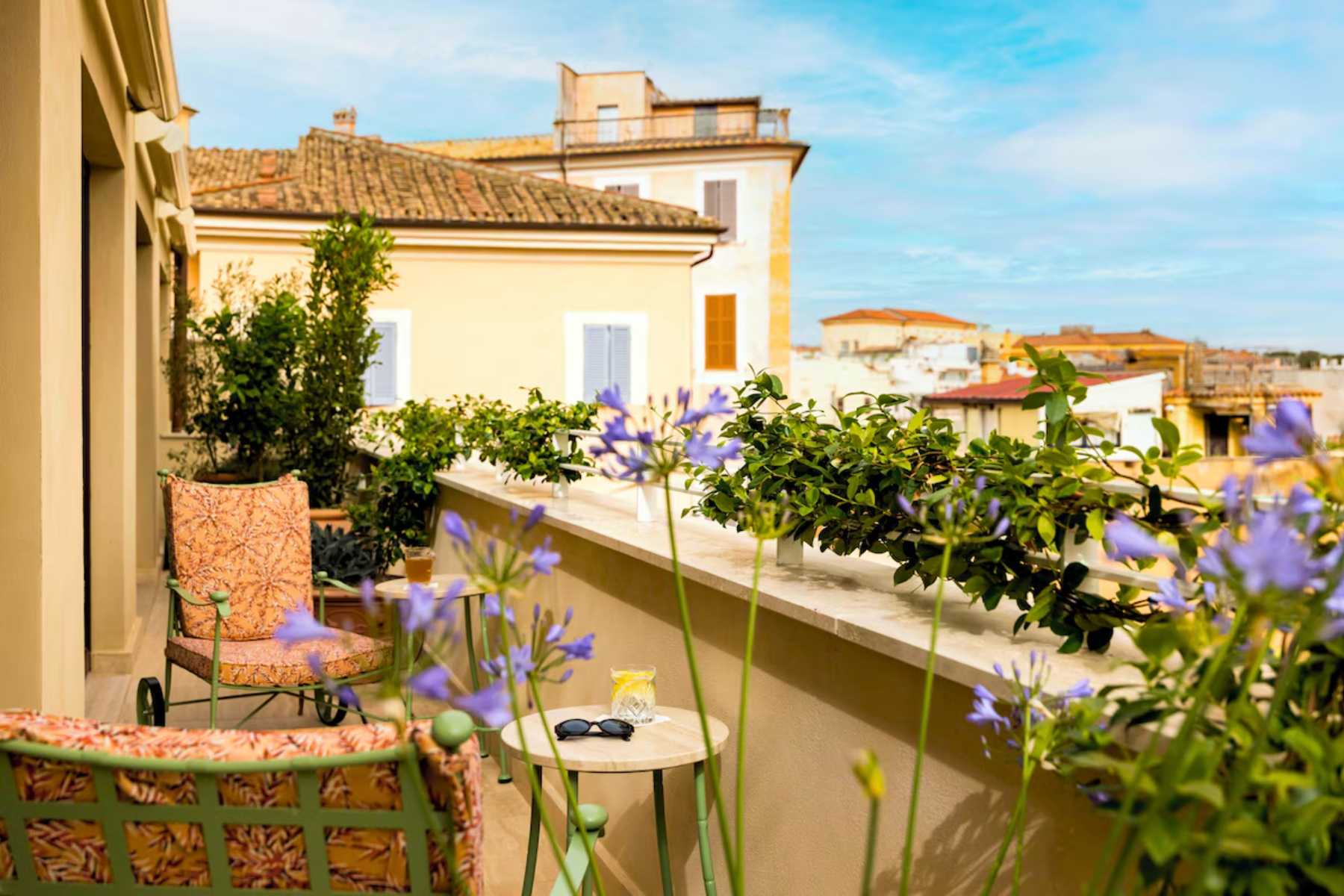
Tucked away in Monti, one of Rome’s oldest districts, don’t be fooled by the cream façade and traditional green shutters of Casa Monti. Inside, it’s a maximalist jewel box of bohemian treasures and seriously-stylish furnishings. There are 36 rooms, full of artfully clashing patterns, a Susanne Kauffman spa on the fifth floor, and an elegant ristorante helmed by Sicilian-born chef Umberto Tuccio. Step outside and you’re straight into the neighbourhood and the pick of the city’s independent boutiques and galleries.
Passalacqua
Lake Como
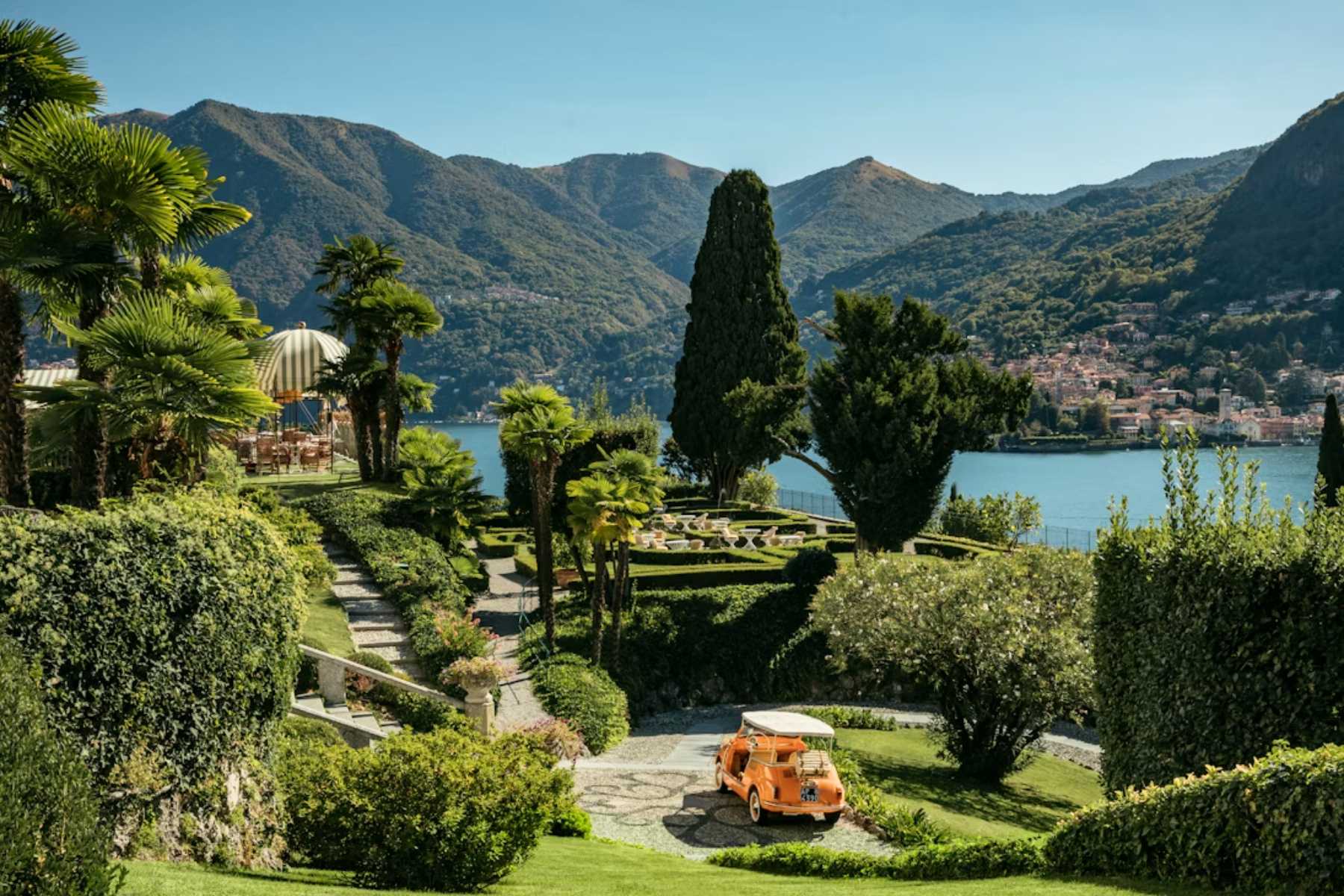
A former 18th-century villa high above Lake Como, Passalacqua feels less hotel and more like you’ve been handed the keys to someone’s very glamorous home. The De Santis family have spent years restoring it, filling the place with frescoes and Murano chandeliers and just 24 rooms that are all completely different. There are hidden tunnels running down to the water (useful if you’re feeling theatrical), breakfast can appear wherever you happen to be — the rose garden, the terrace or somewhere in between — and Beppe the boatman is usually nearby if the lake starts calling.
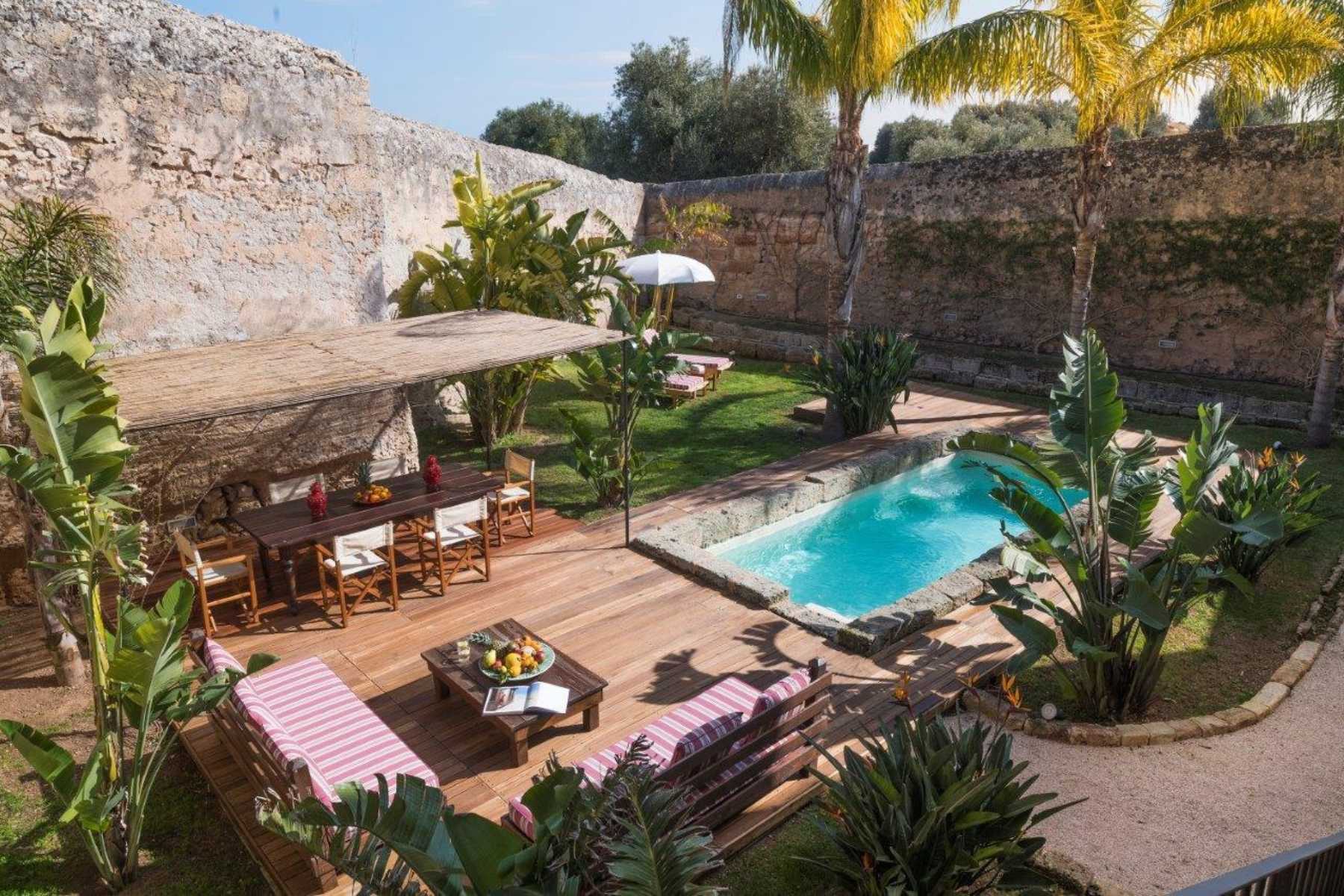
Masseria Torre Coccaro
Puglia
Reached by a twisting, olive-tree-lined driveway that is so Italian it’s almost a cliché, the fortified farmhouse of Torre Coccaro is beautiful – and beautifully straightforward. Whitewashed buildings, thick stone walls, and cool interiors provide the funky farm chic, whilst breakfast and dinner are whatever is in season nearby. Experience-wise, take the yacht to the beach club just down the coast, hire a bike and peddle through the fields, or visit the Mozarella Palace (really) nearby for the ultimate in cheese tasting.
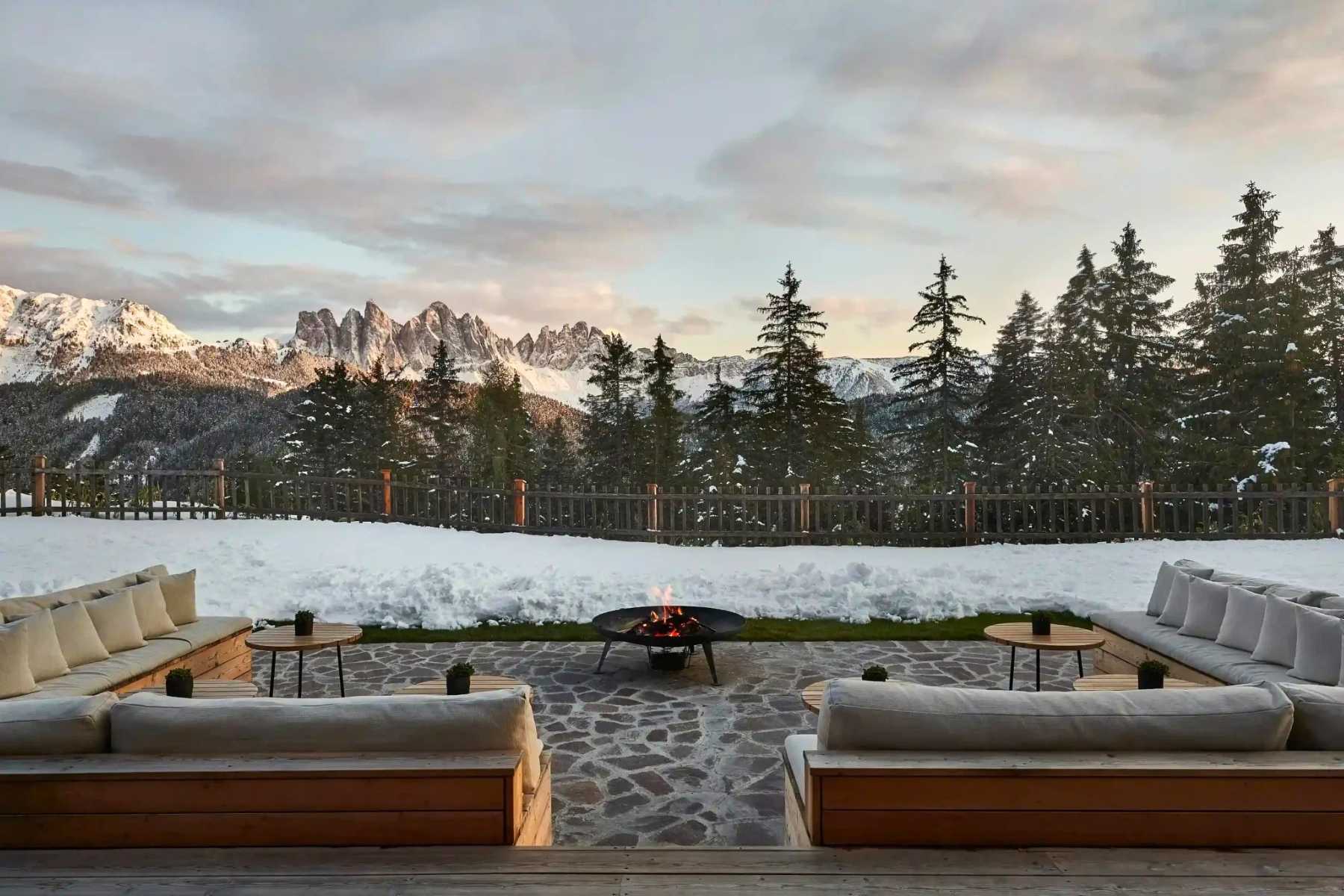
Forestis Dolomites
The Dolomites
High above the absurdly-beautiful Puster Valley, on a site once chosen for its purer-than-pure mountain air, Forestis is all about the setting (and maybe the spa). Glass walls make the snow-hued peaks feel as if they are in the room with you and the pale-wood interiors are deliberately simple so there’s nothing in the way of a good view. In the spa, everything draws from the landscape, from treatments built around local pine to plunges in fresh spring water. And at 1,800 metres above sea level with your head in the clouds, it’s hard not to feel better.
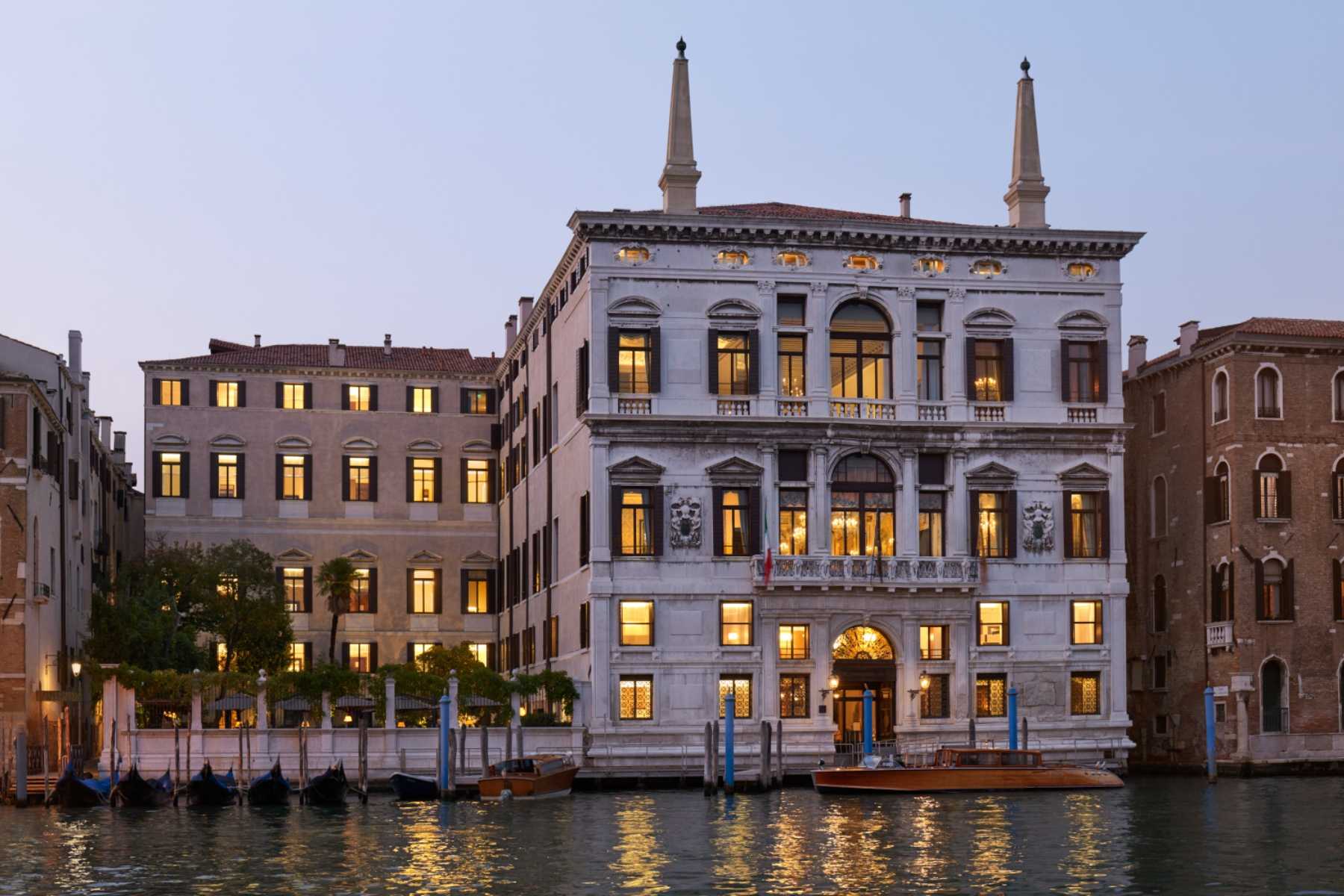
Aman Venice
Venice
Set within a 16th-century palazzo that seems to float on the Grand Canal, Aman Venice is sumptuous, romantic and improbably calm for somewhere so central. 6,000-square-metres of Venetian splendour, much of the palace has been left untouched — priceless frescoed ceilings, vast salons and gilded detail — and Aman’s trademark understated smarts only add to the magic (and work incredibly well). But what really sets it apart is the space: rare private gardens stretch all the way to the water, and there’s a sense that you’re ever so slightly removed from the city, even as the buzz carries on just beyond the doors.
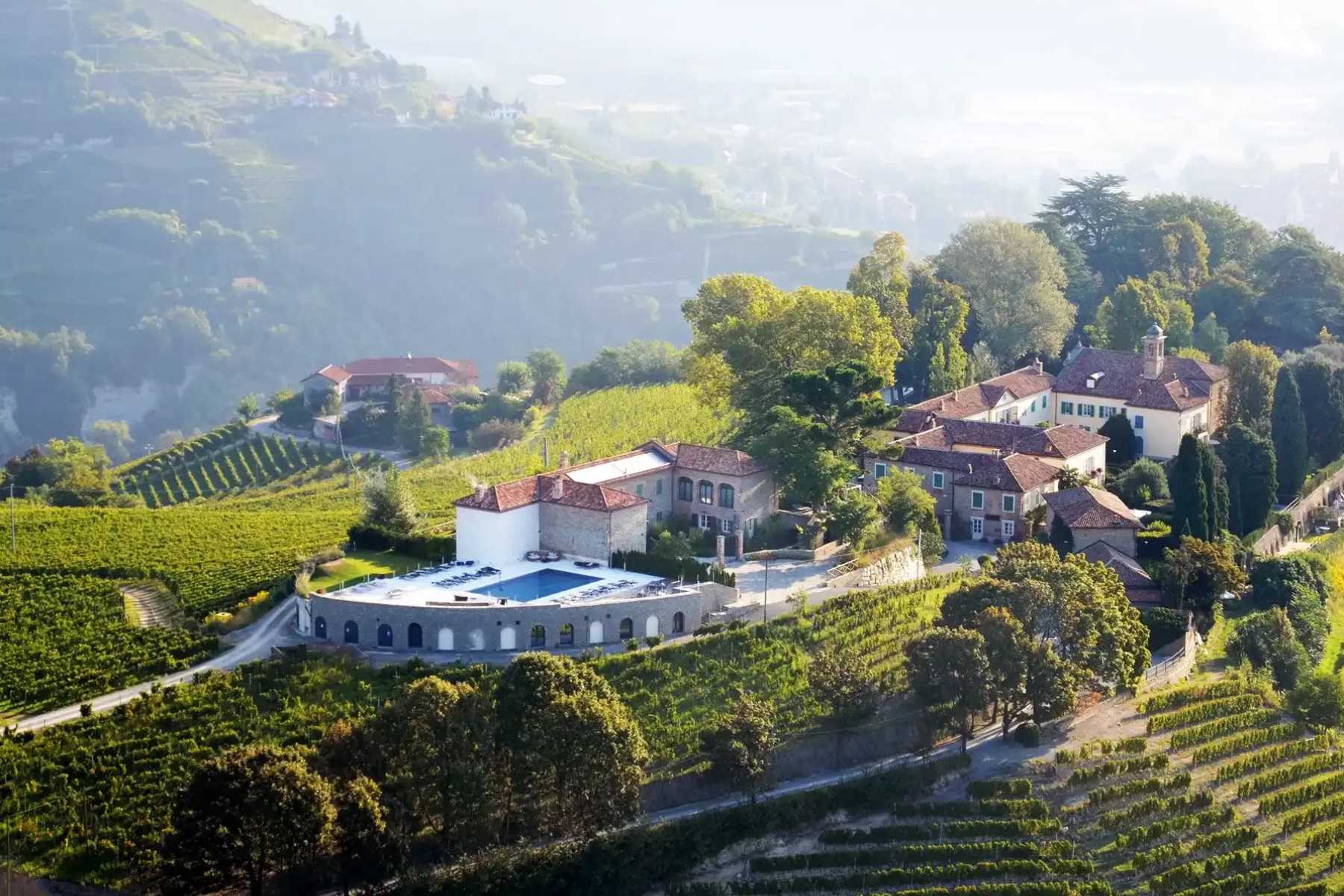
Relais San Maurizio
Piedmont
Once a working monastery, Relais San Maurizio is less about devotion, and more idyllic countryside escape of the indulgent kind. The rolling, green-hilled setting, deep in Piedmont’s wine country, is a spectacular welcome, but the hotel certainly holds its own too: cellars turned into spas and saunas of old Barolo barrels, a heated outdoor pool with views of the vineyards in every direction, and – most importantly – a Michelin-starred restaurant that showcases the best of the region’s outstanding produce, white truffles included.
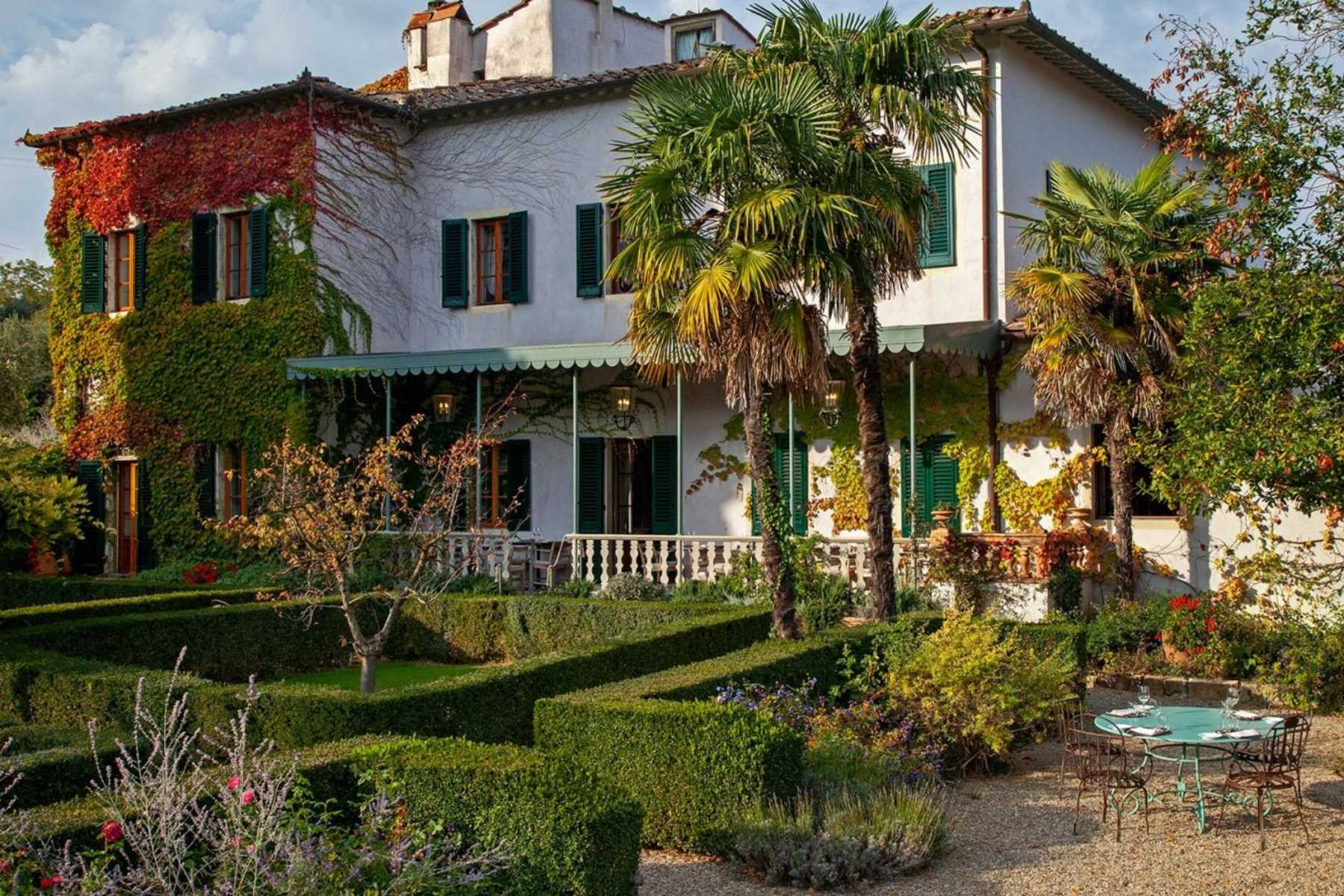
Villa Bordoni
Tuscany
Sitting just above the village of Greve, with vineyards rolling out in every direction and just high enough to feel away from the everyday, Villa Bordoni is location perfection. The beautifully-decorated, family-owned country house is mere minutes from Chianti’s standout producers, several hill towns, including Panzano and Montefioralle, and even Florence is an easy 50-minute drive away. Although whatever you do, make sure you’re back for dinner – the restaurant has become a destination in itself, mostly for the legendary bistecca Fiorentina.
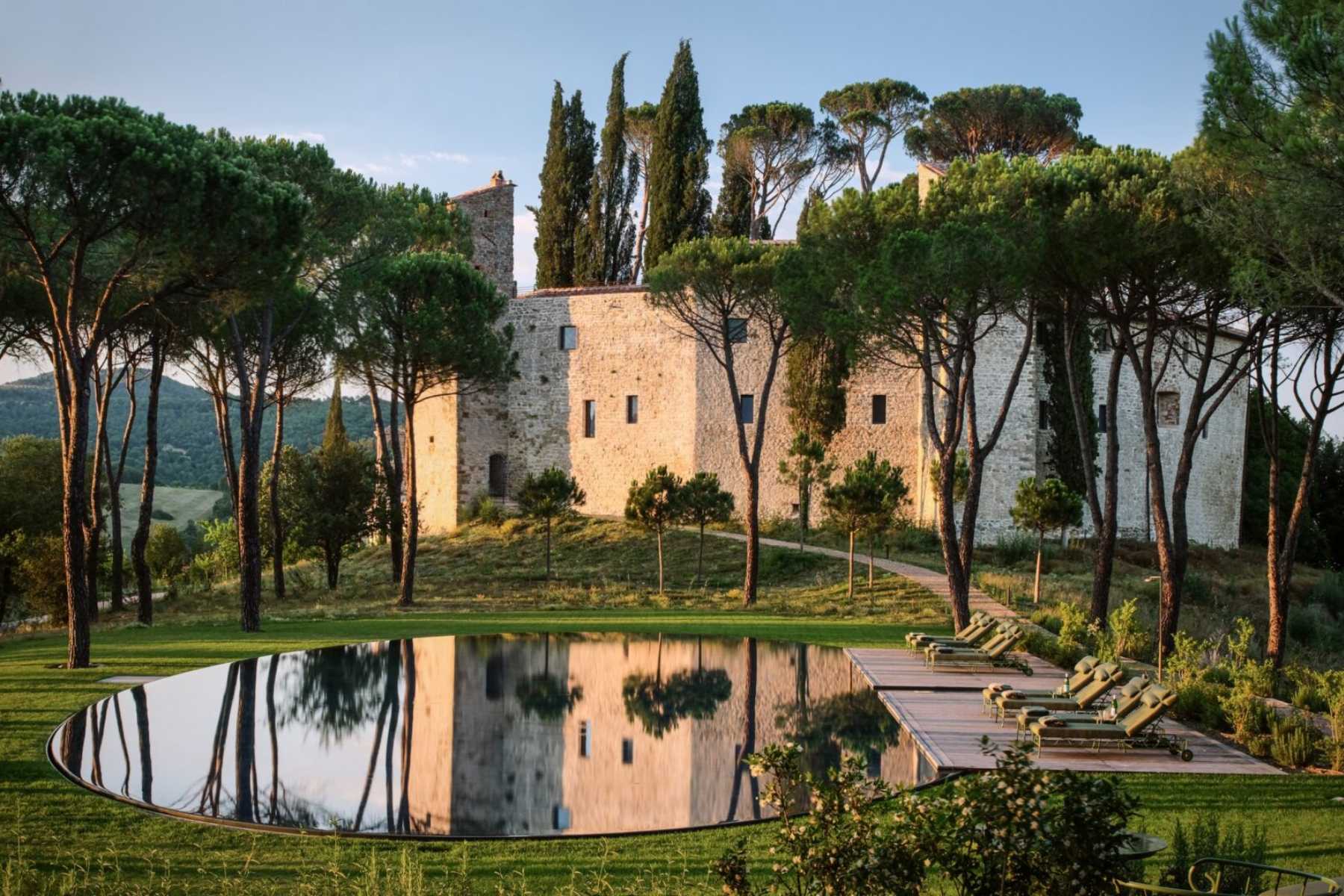
Reschio Hotel
Perugia
Once a crumbling castle and a smattering of farmhouses, Resechio is today one of the most exquisite estates in Perugia. Restored by the Bolza family over several decades, each piece of furniture was carefully sourced, piece by piece, and each room filled with aeons-old antiques and beautifully textured linens. Outside, it’s vast: olive groves, forests, lakes, galloping Andalusian horses – and miles and miles of pure silence to disappear into when the mood takes you.
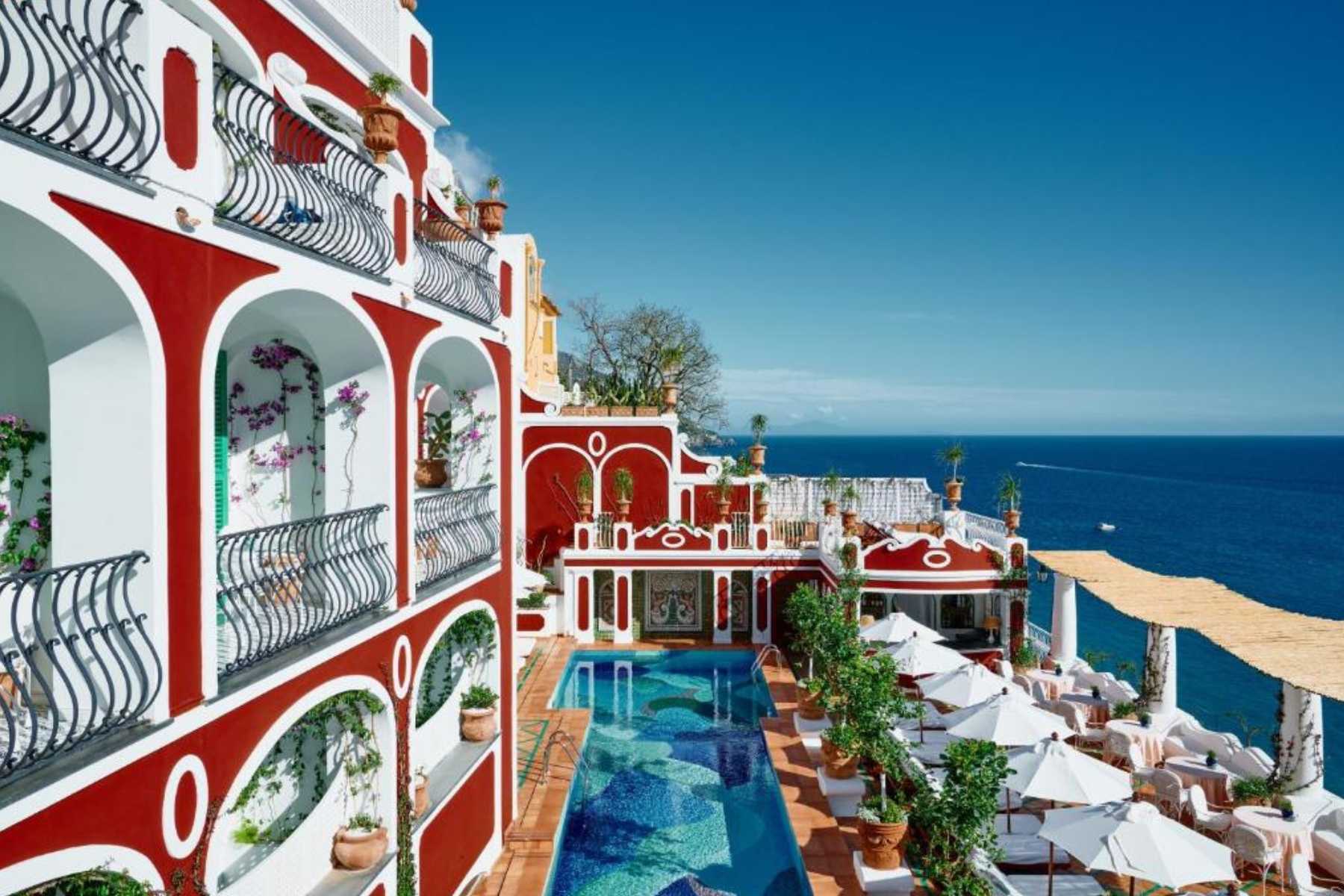
Le Sirenuse
Amalfi Coast
The Amalfi lifestyle has always been about long lunches and a strong disregard for time – and there’s nowhere better to live it out than at Le Sireneuse. Fire-engine red and built into the cliffs above Positano, it’s the prima donna of the coast and one of the few hotels still run by the original owners. There’s a mosaic-tiled pool overlooking the sea, terraces draped in bougainvillaea, and for those lingering lunches, it has to be Aldo’s, where ceviche, pasta and something cold in a glass tend to stretch well into the afternoon… Just as well then, that it’s also the place to be for a lemon-scented aperitivo.
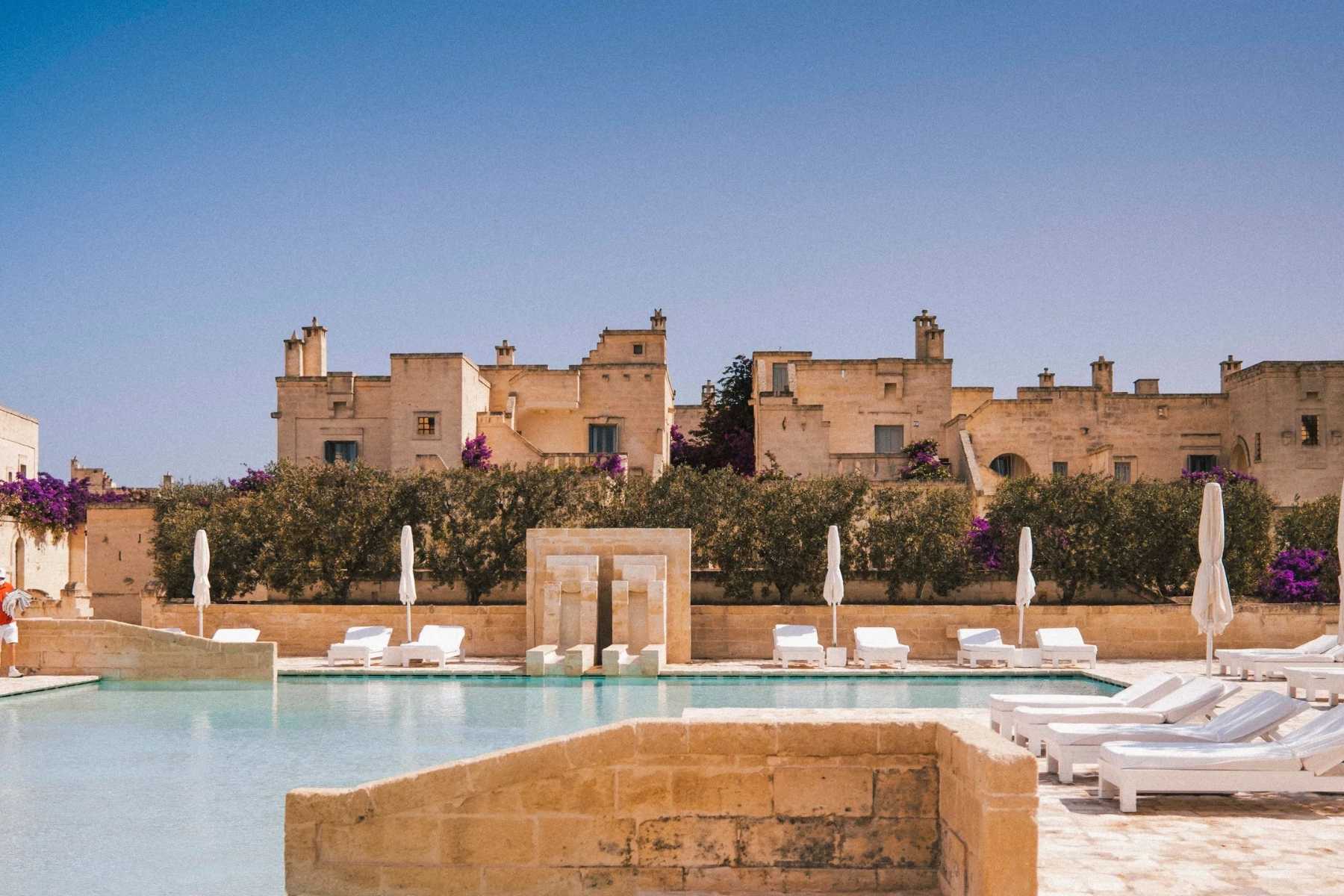
Borgo Egnazia
Puglia
You might be forgiven for thinking that Borgo Egnazia has been here forever with its maze of honey-hued stone, piazzas and tucked-away pools. But actually, it’s all been carefully crafted to echo a traditional Puglian village – albeit one with a Michelin-starred restaurant, a championship golf course and two beach clubs with private stretches of sand. So far, so fabulous – and when you add the blissful interiors, all floaty white linen and creamy beige, and a spa menu of treatments based on ancient Italian rituals, it really is one of the best places to stay in the country.
Borgo Santo Pietro
Tuscany
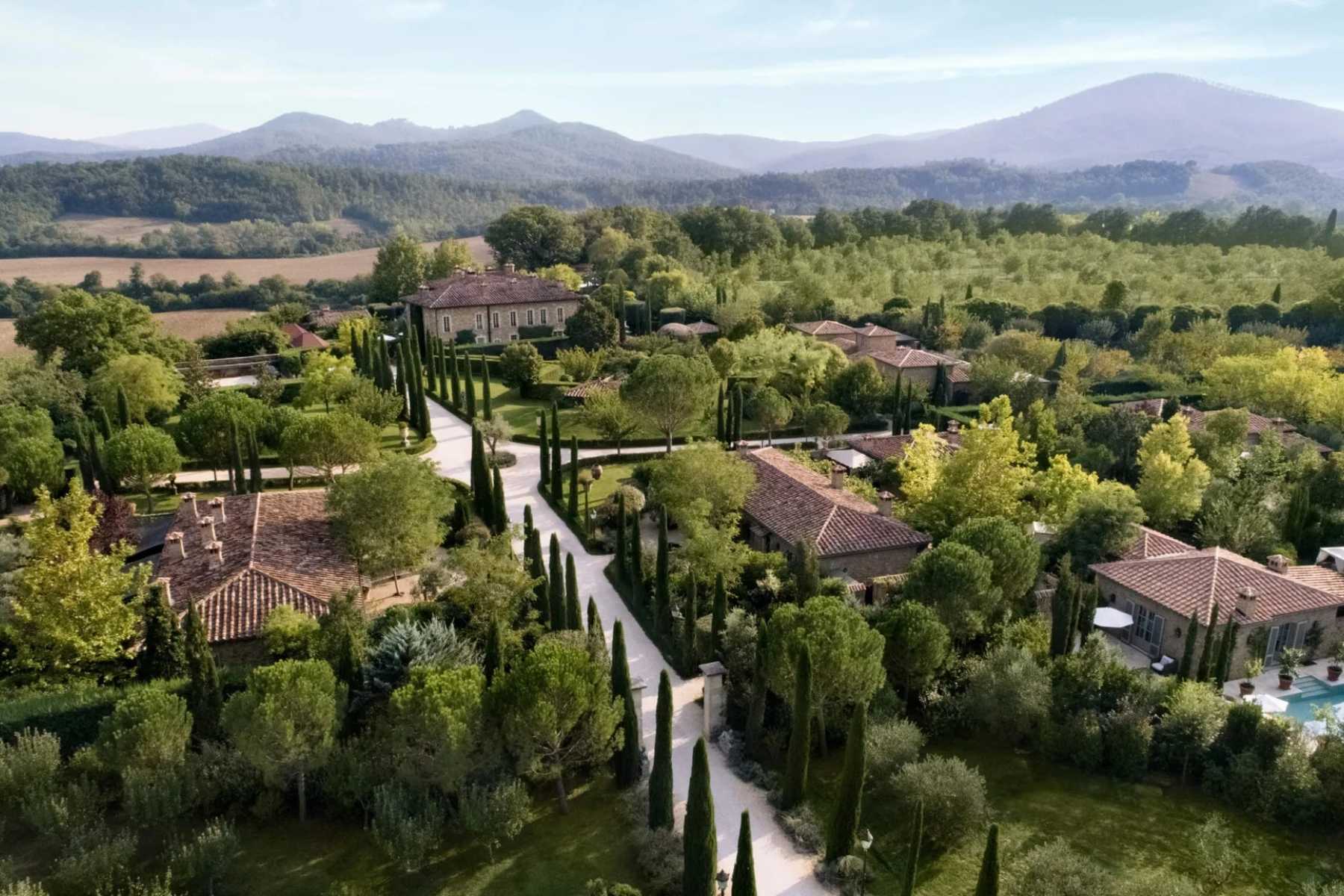
With its manicured gardens and clipped hedges, flawless, pale stone buildings and soft-as-a-feather fabrics, Borgo Santo Pietro is very, very good at being beautiful. But what really stands out is that everything traces back to the land. The kitchen garden and dairy farm supplies the Michelin-starred restaurant (and you can even join in the morning vegetable forage!) and the fragrant herbs are infused into heavenly spa treatments, making it that outstanding combination of polished and fabulous – and totally real.
Il Sereno
Lake Como
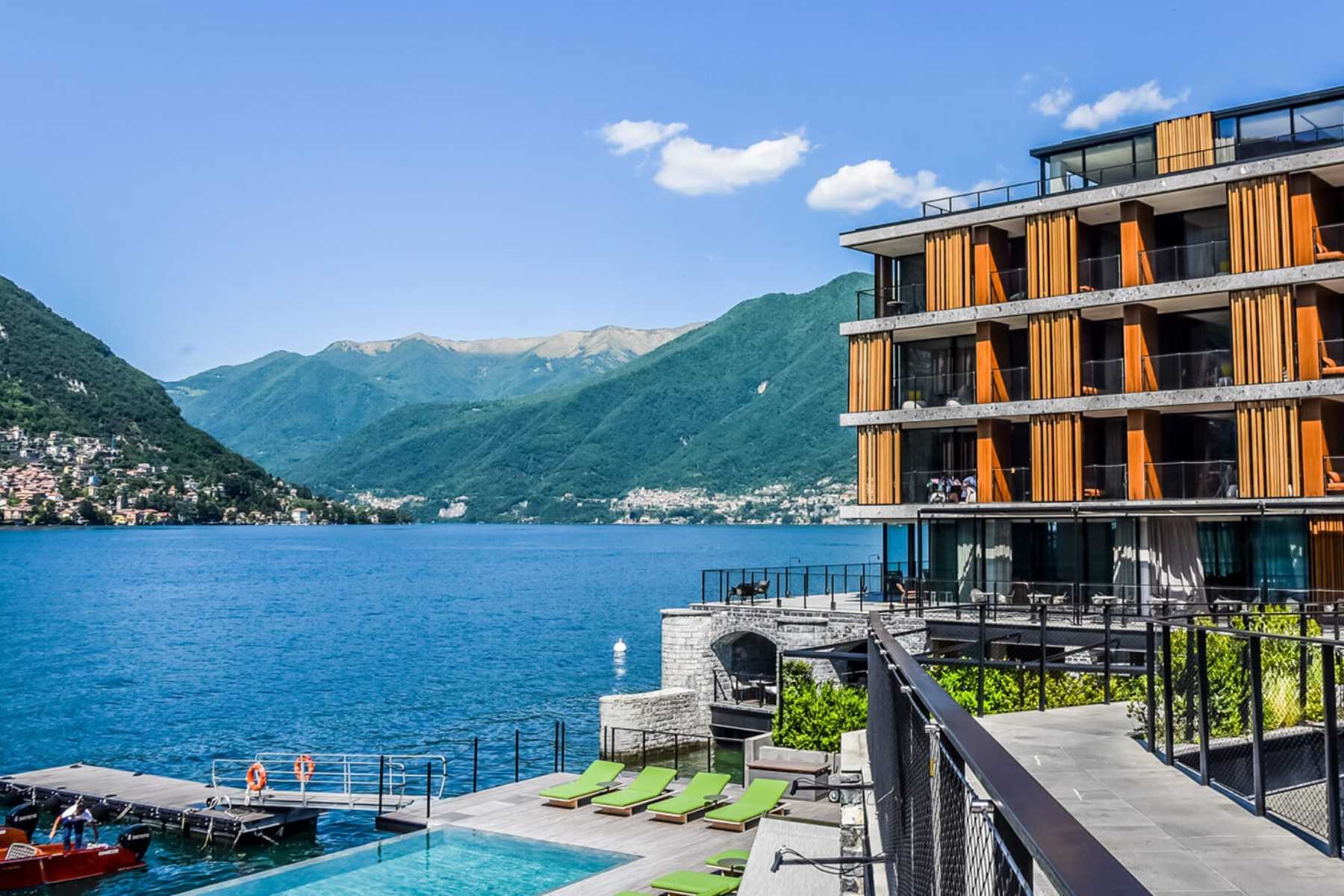
Designed by Patricia Urquiola and built directly into the cliff (and, in parts, over the water), Il Sereno does things very differently. Chandeliers and antiques are replaced by clean lines, natural materials and long glass walls that open straight onto the lake, whilst rooms are all about space and light, each with its own private terrace. There’s a sleek pool set at the water’s edge, a small stretch of beach for slipping straight into the lake, and a seriously good restaurant that draws as much attention as the modernist design.
Villa Cora
Florence
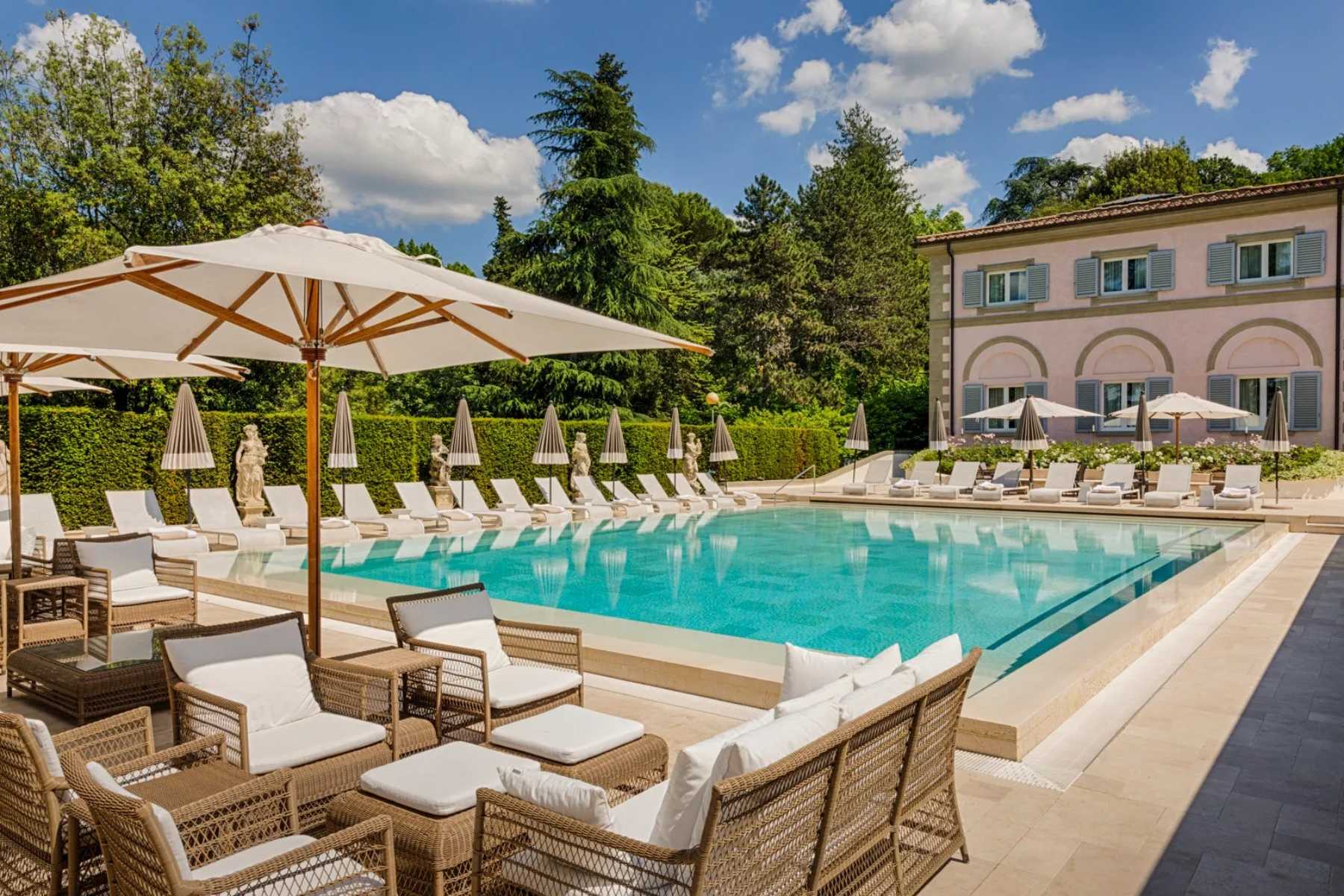
Built in the 19th century by Baron Oppenheim as an extravagant gesture for his wife, Villa Cora is grand with a capital G. Surrounded by rose-scented gardens, it’s all frescoed ceilings, gilded mirrors, elaborate stucco and more than slightly eccentric interiors. Rooms are just as over-the-top – the ones on the first floor are even protected by the Italian government as historically important – while outside, there’s something you won’t find elsewhere in Florence: a large heated pool, set among the gardens and very welcome in the height of summer.
Monaci delle Terre Nere
Sicily
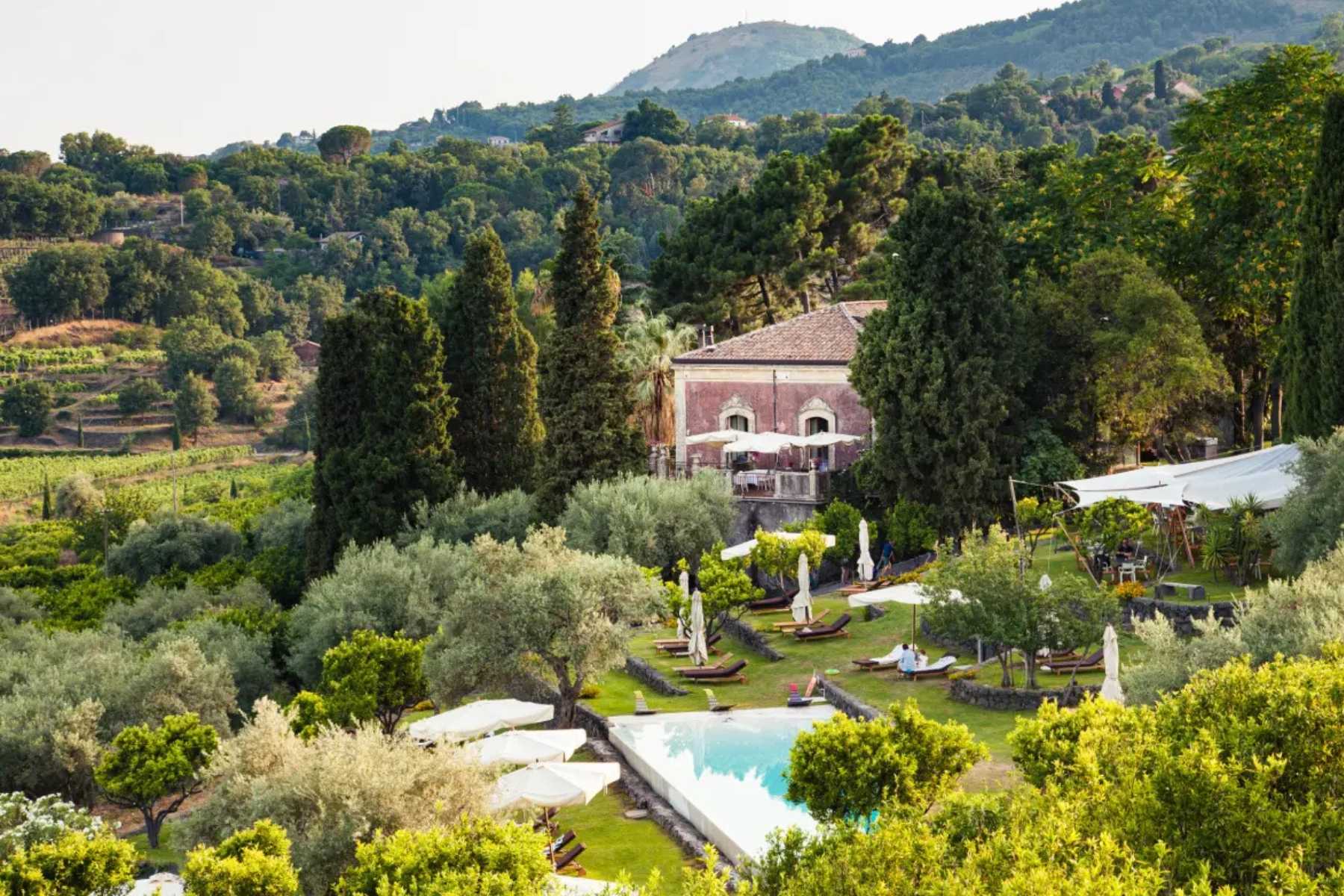
Set on the lava-strewn slopes of Mount Etna, Monaci first made a name for itself as a theatrical destination restaurant, Locanda Nerello, leveraging produce from 62 acres of vineyards, olive groves, and clementine trees. It was a trailblazer of the farm-to-fork philosophy and today, you’ll find lavish breakfasts of organic fruit drizzled with black bee honey and eggs from the estate’s chickens, whilst dinner might bring Cinisara beef tartare or creamy carnaroli risotto – and always accompanied by sweeping views and refined Etna wine.
Latest blogs


As seen in