Italy doesn’t really do “off-season.” It just changes personality. Snow arrives in the Dolomites while Sicily is still glowing in the soft winter sun; spring creeps through the vineyard-covered hills of Tuscany while the cities wake up from their post-summer siesta. It’s a country of microclimates and moods, which means the best time to visit Italy depends entirely on what you’re looking for, from art and culture to coastlines and cocktails, or long lunches in the countryside. Here’s our lowdown on the best time to visit…
April to June
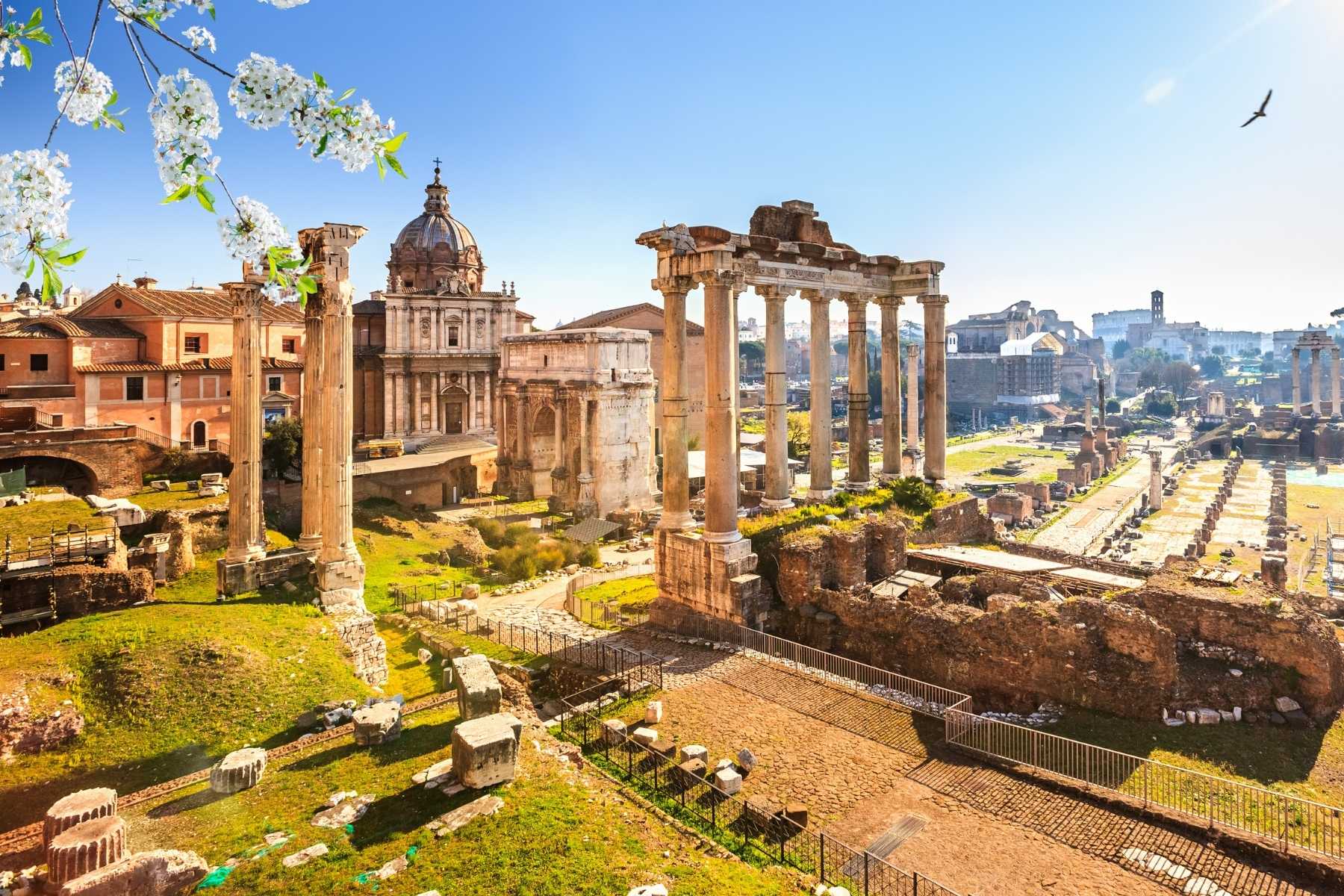
Spring arrives gradually in Italy and by April the country is stretching into warmer, longer days without the intense summer heat. It’s an ideal time for a city break in Rome, Florence and Venice where sightseeing is a pleasure and the architecture is framed by blue skies and bright sunshine. In many places, wisteria drapes itself over doorways and gardens are in full, beautiful bloom.
In Tuscany and Umbria, the rolling landscapes are at their picture-perfect best and the vineyards are just beginning to stir. Down south, Puglia and the Amalfi Coast are warming up nicely – days are warm enough for coastal walks and crisp early swims, but the beaches (and restaurants) are still blissfully uncrowded. In Puglia, it’s a particularly lovely time to explore the whitewashed towns of the Valle d’Itria and stay in a converted masseria, before the summer crowds arrive.
Spring is also a fantastic time to visit for food lovers. Italy’s delicious spring produce starts to appear on menus be it artichokes in Rome (often served crispy and golden), wild asparagus shaved into pastas in Tuscany, and fresh pecorino paired with broad beans across the countryside. Along the Amalfi Coast, the lemons are at their most fragrant and you’ll find them in everything from desserts to icy limoncello.
July and August
Summer brings heat, energy and a little chaos, particularly in the big cities. Rome and Florence can feel intensely hot (and busy), so if culture is your priority, it’s not necessarily the easiest time to travel. The big sights tend to have long queues and you’ll have to book far in advance for the best restaurants, but, if you’re prepared to start early and spend long afternoons near the water, summer in Italy is hard to beat.
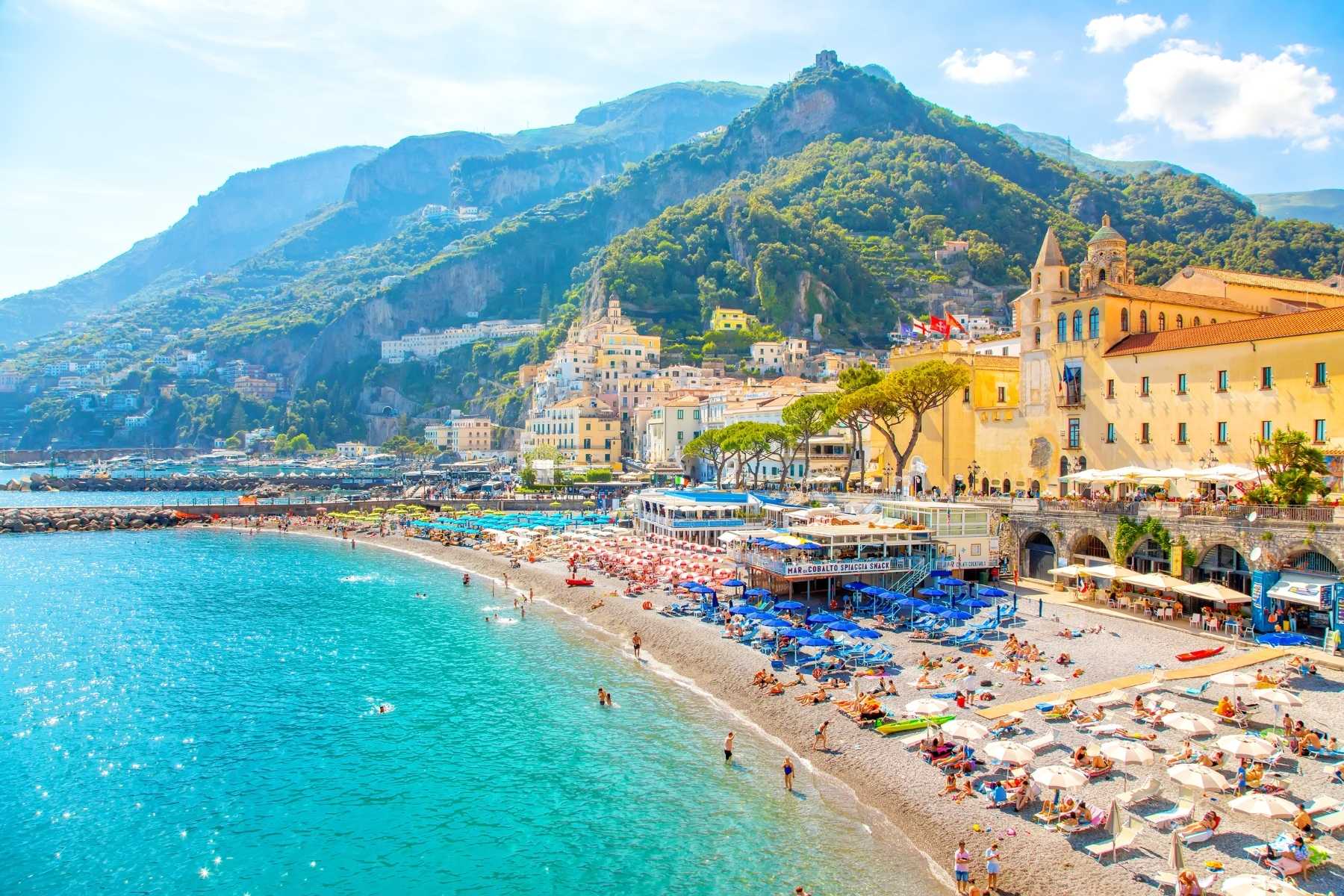
If you are travelling during the peak summer months, head to the coast. The Amalfi Coast, Cinque Terre and the islands of Capri and Ischia are in full swing: the beach clubs are buzzing, boats criss-cross the coastline, and long, languid lunches stretch into the evening, accompanied by an Aperol or two. Further south, Sicily is all about long beach days followed by balmy evenings in baroque towns like Noto and Ragusa that revolve around food, wine and a gentle passeggiata.
In the north, Lake Como and Lake Garda offer a slightly calmer, more refined take on summer. Days are spent drifting between towns and villages by boat and swimming in the clear, cool water, whilst evenings tend to be slower and more understated than the coast – think aperitivo by the water in Bellagio or Sirmione, with those mountains brooding in the background.
But, if you’d prefer to escape the heat altogether, head north to the Dolomites. In summer, the mountains swap skis for hiking trails, wildflower meadows and crystal-clear alpine lakes. Days are crisp and clear, perfect for walking between rifugios (mountain huts) and stopping for long, hearty lunches with a view.
August is also peak holiday season for Italians themselves (Ferragosto), and many city businesses close as locals escape to the sea or countryside. Hotels and resorts are therefore busy and can be more expensive, so planning ahead for travel now is key.
September and October
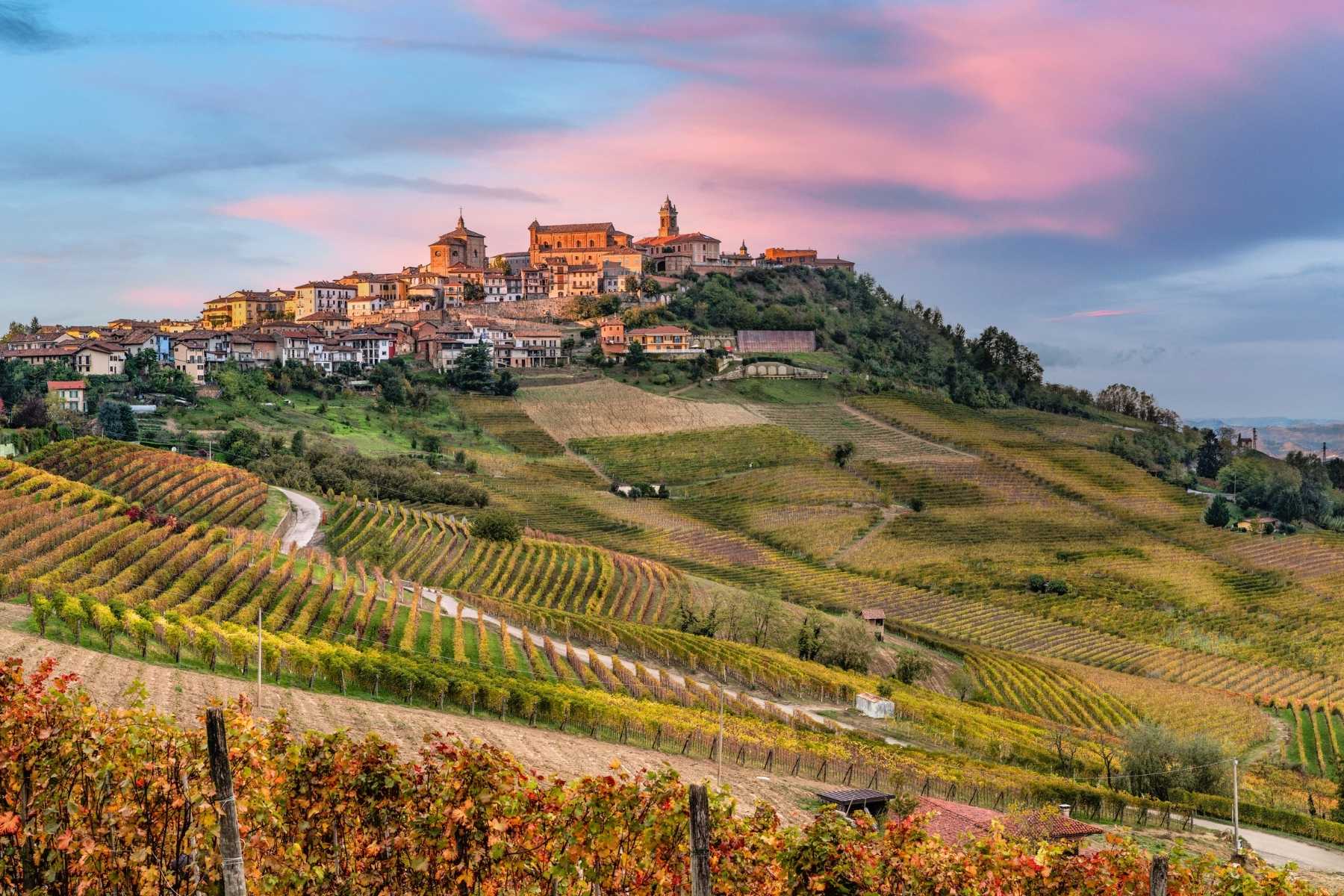
As Autumn arrives the heat subsides, the crowds thin, and the country settles into a slower, more relaxed pace. It’s one of the best times to visit if you want a bit of everything: good weather, fewer people, and generally, a more laidback feel.
At the coast, the water is still warm enough for swimming well into September (particularly in the south). It’s also a lovely time to visit regions like Puglia and Sicily, where the heat has eased but the sea is still warm and the pace feels noticeably more relaxed.
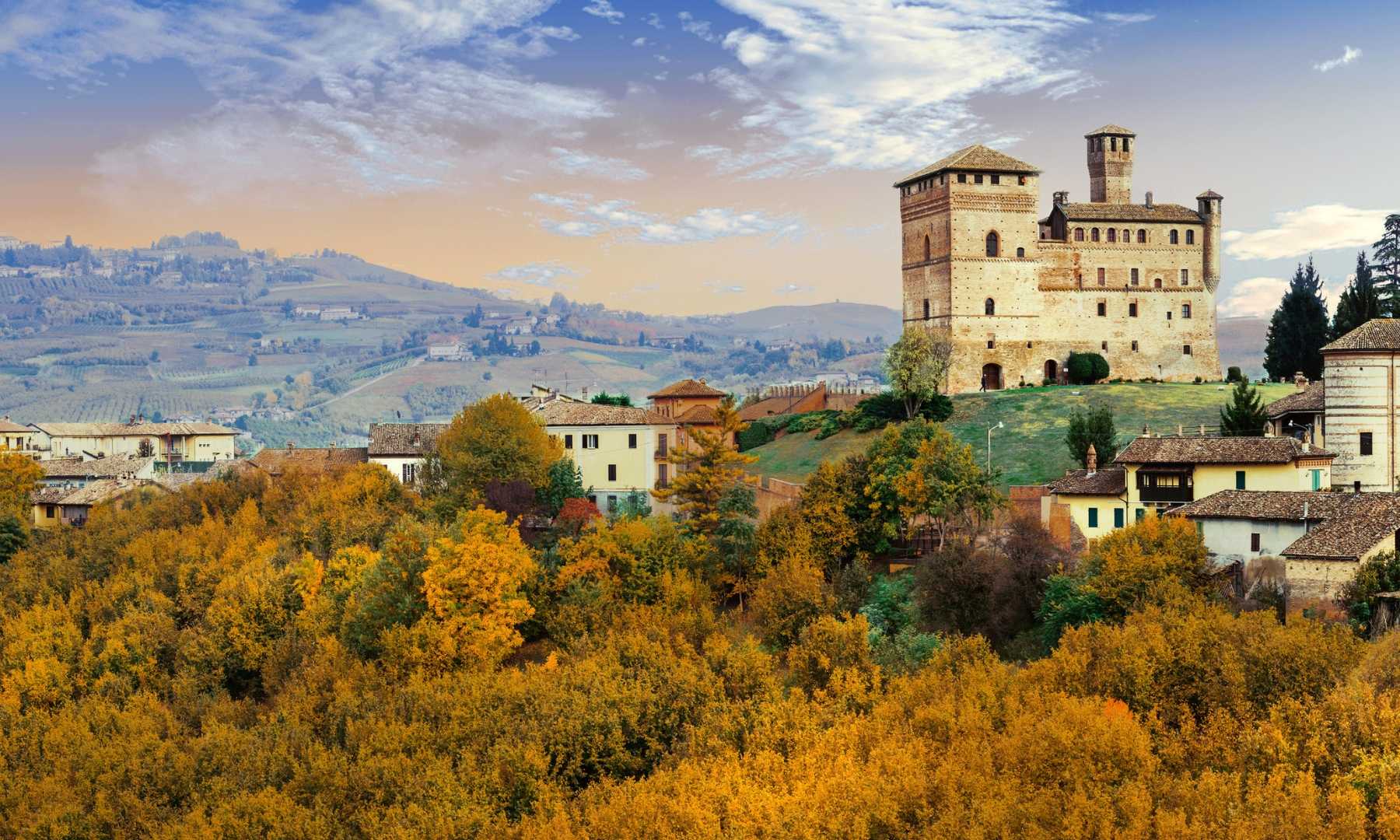
In Tuscany and Piedmont, it’s harvest season (the vendemmia) and there’s a buzz in the air as the vineyards fill with activity. Grapes are picked and wine estates open their doors for tastings and long, fabulous lunches. By October, white truffle season begins in Piedmont, with markets and festivals centred around Alba drawing food lovers from across the world. The menus also start to shift too, towards those rich, deep, classically-Italian autumnal flavours.
Italy’s cities also become far more manageable in autumn. Rome, Florence and Milan still feel lively and it’s a great time to wander the galleries, neighbourhood trattorias and quieter backstreets, and then spend some time in the countryside.
November to March
Winter in Italy doesn’t have the obvious allure of the heady summer months, but it has its own kind of magic. Cities like Venice, Florence and Rome feel more local and certainly more atmospheric with mist swirling over the canals and far fewer crowds in galleries and shops.
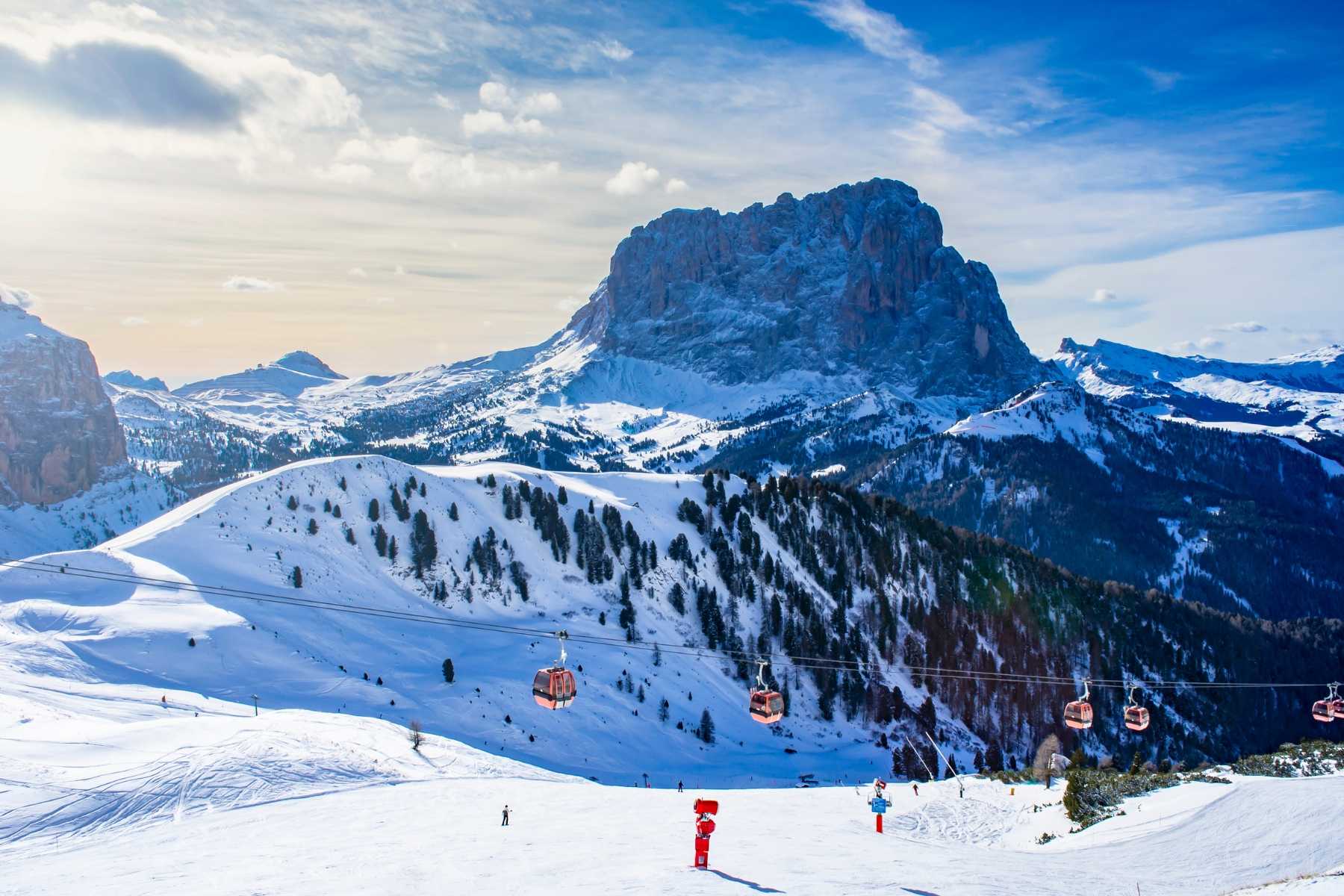
Up north, the Dolomites and Italian Alps come into their own as world-class ski destinations, with dramatic scenery and excellent food to match. Meanwhile, regions like Sicily, Naples and the Amalfi Coast enjoy milder winters, making them a good option if you’re chasing a hit of winter sunshine without the summer crowds.
Some coastal areas and smaller towns, particularly along the Amalfi Coast, Cinque Terre and parts of Puglia, wind down significantly in winter, with many hotels and restaurants closing for the season. Ferries run less frequently and the atmosphere can feel a little quiet. The trade-off, however, is a far more local, authentic experience, especially in the cities, where life carries on much as normal. It’s also one of the best times for food. We’re talking truffles in Piedmont, hearty pastas, rich ragùs and bold red wines – the perfect fuel for cold winter days.
So, when is the best time to visit Italy?
Our top tip would be to visit Italy in April to June or September to October. The weather is balmy and pleasant and there are far fewer crowds to contend with. But actually, Italy isn’t really about picking the ‘perfect’ time and instead choosing what suits you, be it sun-drenched beaches and hot summer days, harvest-season feasts, or misty winter mornings in a near-empty piazza.


Latest blogs


As seen in