Top 10 Things to do in Nepal
Nepal is small but mighty. The Himalayan kingdom packs eight of the world’s fourteen highest peaks into a space the size of England, and in between are ancient temples, tiger-prowled jungles and spiritual traditions that have remained unchanged for millennia. From the frenzy of Kathmandu to the profound silence of a monastery perched at 4,000 metres above sea level, Nepal offers experiences that genuinely shift something inside you. We’ll explore our top 10 favourite things to do in Nepal (and there are plenty more where these came from!), so settle in and start dreaming…
Trek through the Himalayas in style
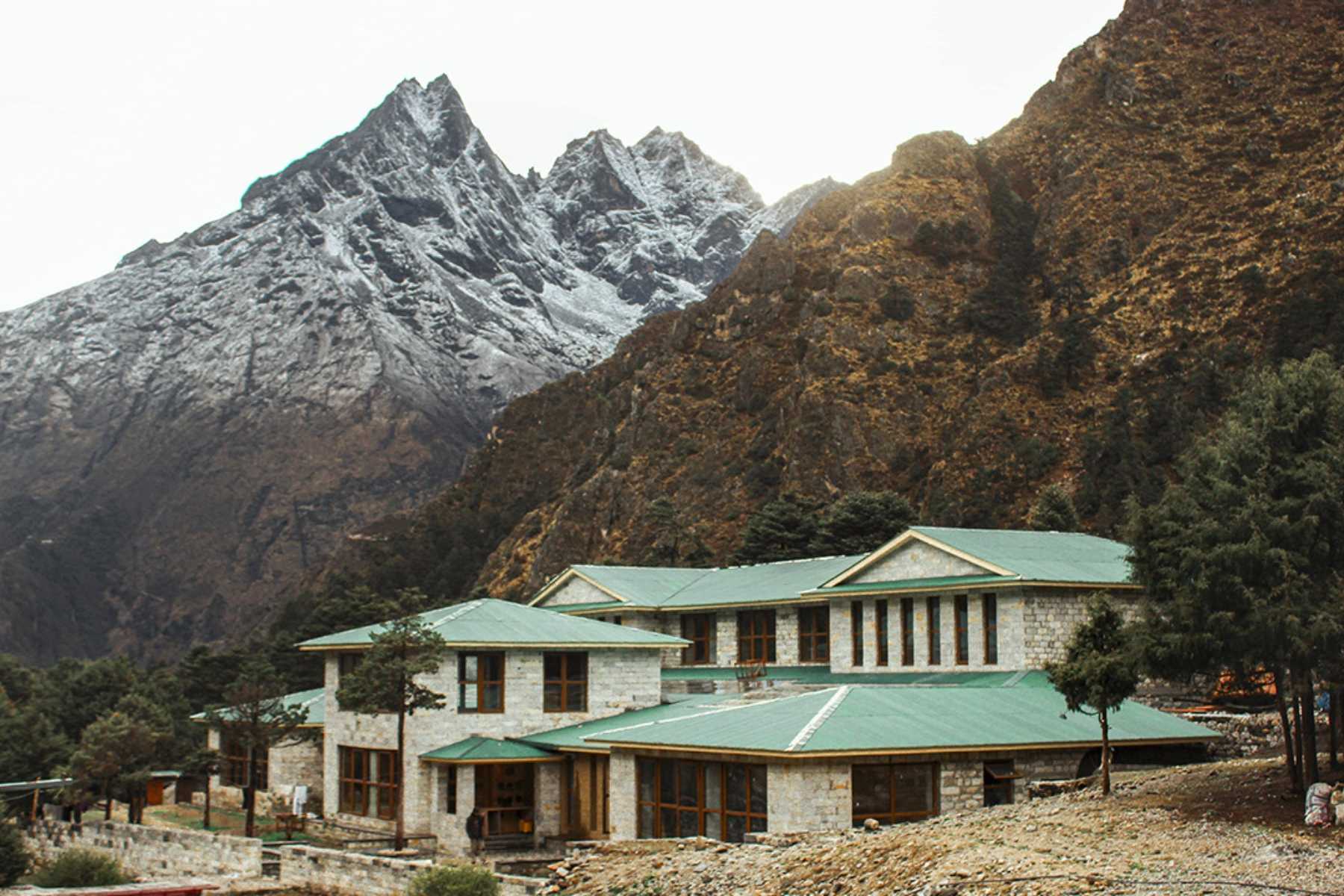
For many, trekking in Nepal is the highlight of a stay, but if paper thin mattresses and cold-water showers come to mind, we’re here to tell you that it doesn’t have to be that way! Mountain Lodges of Nepal operates 15 purpose-built lodges across the Everest and Annapurna regions, each a day’s walk apart and all with ‘proper’ beds, piping-hot showers and crackling fires that will warm your bons! The Everest Base Camp route takes 12-16 days, topping out at a lung-squeezing 5,545 metres, while the gentler Annapurna trek offers similar mountain magic over 6-10 days at lower altitudes – perfect for those who’d rather not gasp quite so dramatically.
What makes it special isn’t just the comfort, however, but the little moments in between: stopping at Tengboche Monastery to listen to the Tibetan horns ring across the valley, or the smiles of the Sherpa guides who know these peaks intimately. The mountains have a way of stripping things back and by day three, you’ll have forgotten about emails entirely.
Top tip: October to November and March to May offer the clearest skies and most stable weather. Book lodges well in advance during peak season.

Breakfast with Everest
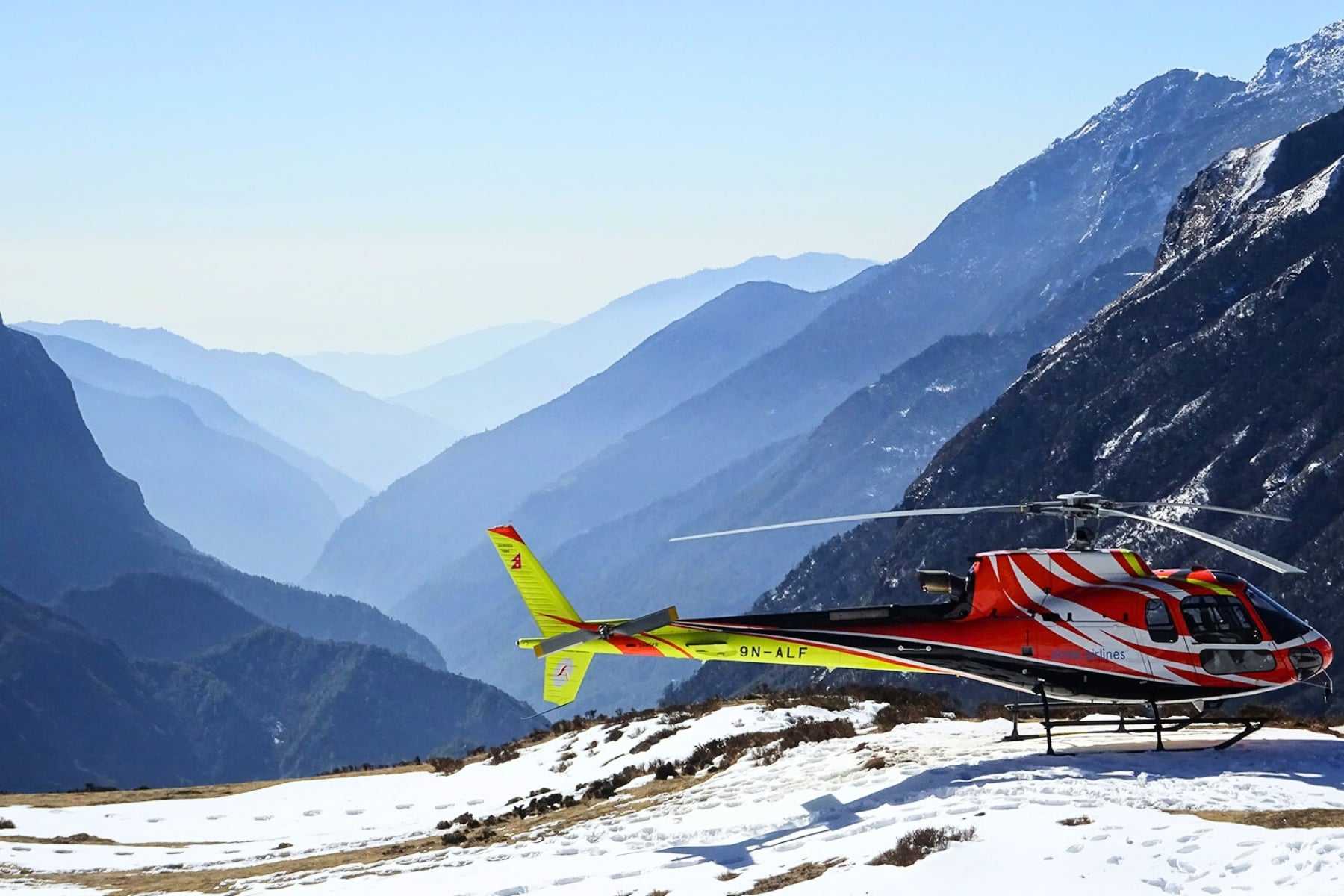
If two weeks of walking sounds like a lot, there’s another way to meet the world’s highest mountain – by helicopter. Departing Kathmandu at dawn, you’ll trade the city bustle for terraced hillsides, then watch as the Himalayan wall materialises on the horizon. Most tours land at Kala Patthar (5,545 metres) for photographs with Everest’s black pyramid looming behind, before descending to Hotel Everest View for what might be the most dramatic breakfast setting on Earth.
At 3,880 metres, the hotel holds the Guinness World Record as the world’s highest hotel and the view from your table of Lhotse, Nuptse, Ama Dablam arrayed before you is exquisite. The experience takes around three hours, which seems impossible given its profound effect on your sense of scale.
Top tip: Early morning flights offer the best visibility and calmest conditions, while private charters (around $4,500-6,000) guarantee your landing spots.

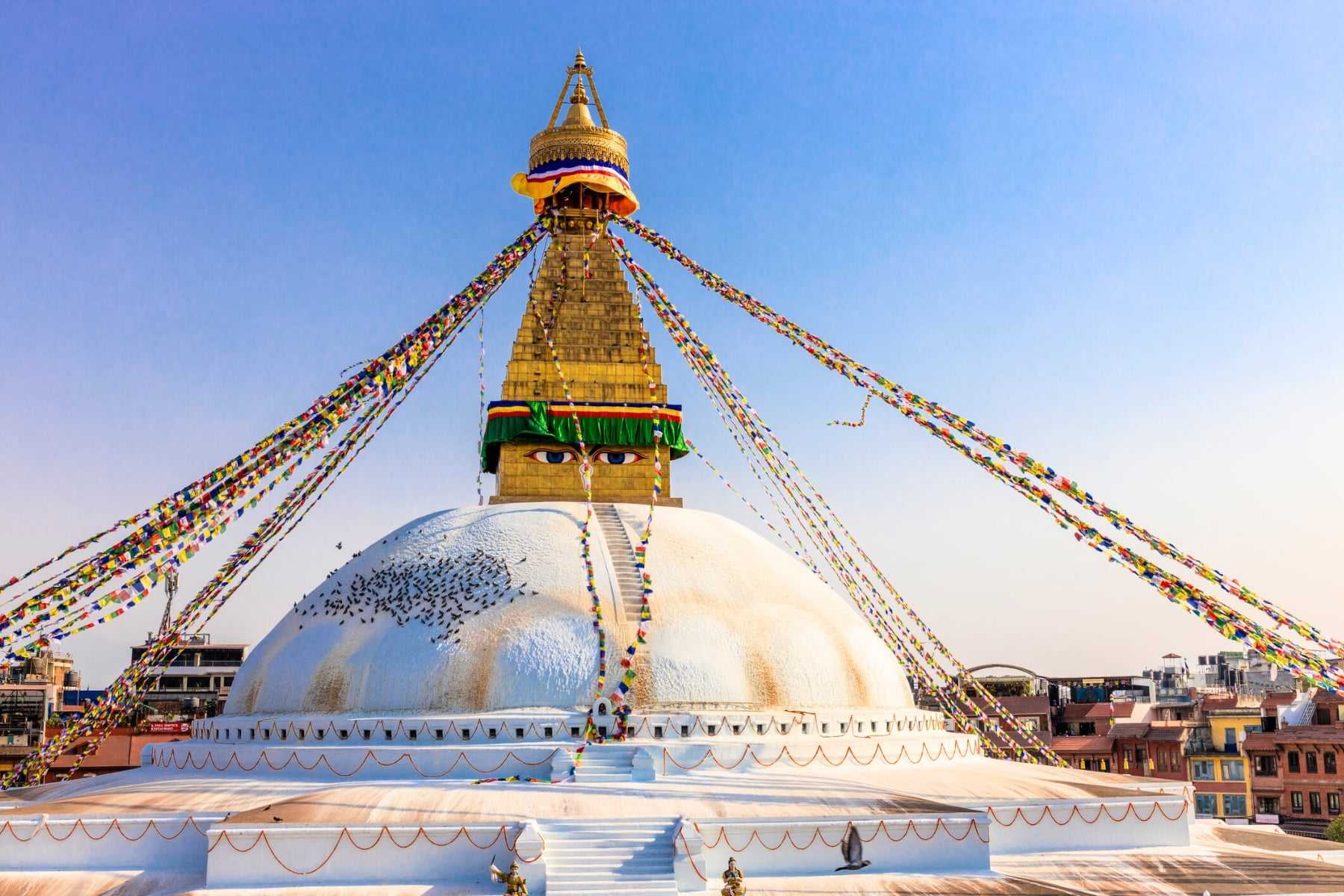
Wander the sacred temples of Kathmandu Valley
The Kathmandu Valley is home to seven UNESCO World Heritage monument groups, equalling more concentrated heritage per square kilometre than almost anywhere on the planet. You could spend weeks exploring, but five sites deserve particular attention…
At Pashupatinath, Hinduism’s holiest temple outside India, cremation pyres burn continuously along the sacred Bagmati River while sadhus daubed in ash meditate nearby in a confronting, but beautiful scene. Boudhanath Stupa, all whitewashed dome and all-seeing Buddha eyes, draws maroon-robed monks who circumambulate while spinning prayer wheels at dusk. Swayambhunath (the “Monkey Temple”) requires climbing 365 steps through troops of sacred macaques, rewarding you with valley-wide panoramas. And traffic-free Bhaktapur preserves a medieval atmosphere where the five-tiered Nyatapola Temple has survived two major earthquakes through its sheer architectural brilliance.
Top tip: Visit Pashupatinath for the evening aarti ceremony at 6:45pm, when the riverbank transforms into a theatre of fire, music and devotion.

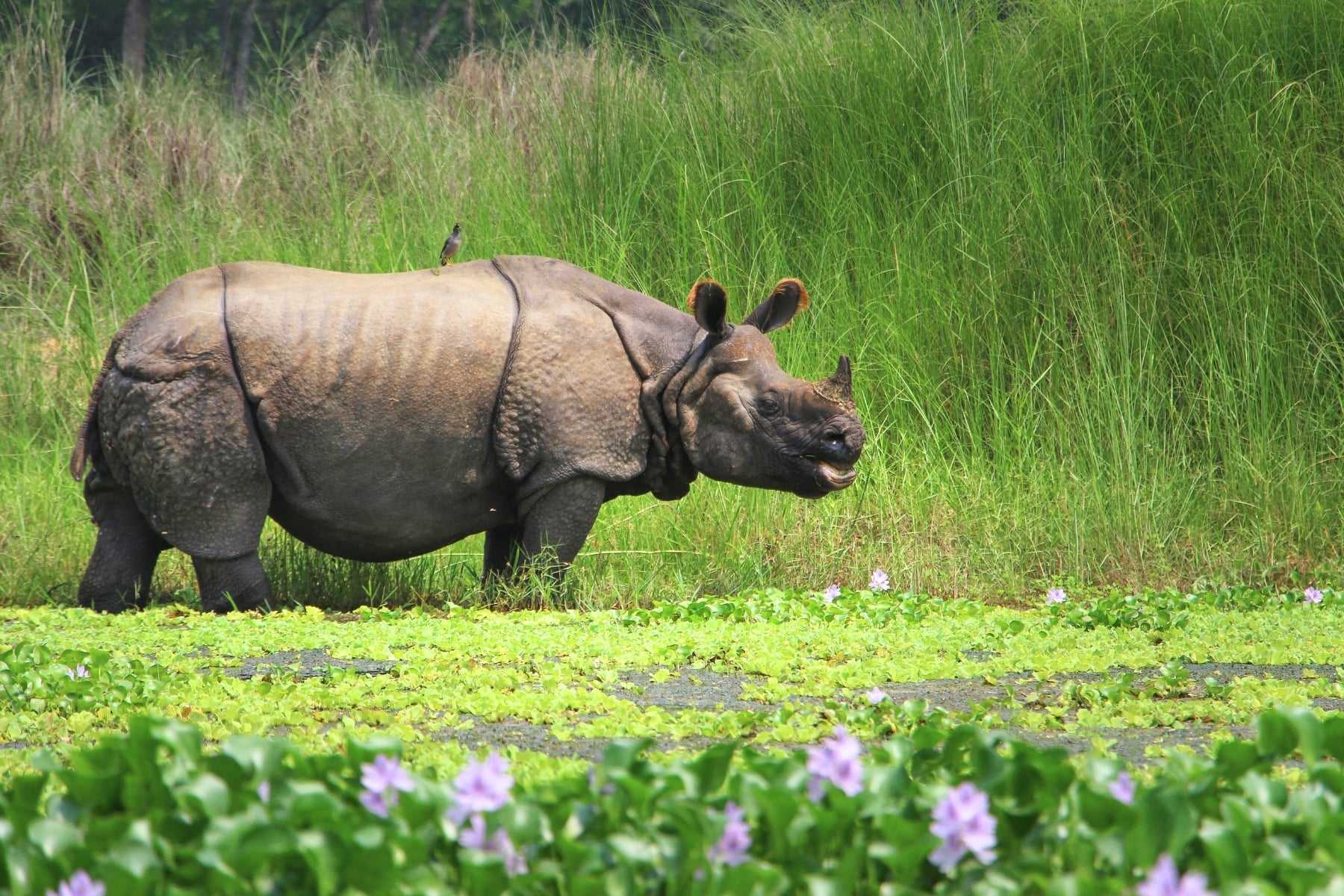
Search for rhinos in Chitwan National Park
Drop to the south of Nepal to the Terai lowlands and you’ll find sal forests prowled by Bengal tigers and grasslands where one-horned rhinoceros graze like prehistoric lawn ornaments. Chitwan National Park, a UNESCO World Heritage Site, is home to 694 rhinos (the world’s second-largest population) and some seriously impressive birdlife, with records of over 500 species.
Days begin with dawn jeep safaris through the skyscraper elephant grass, the alarm calls of spotted deer signalling predators nearby. Canoe safaris on the Rapti River will reveal gharial crocodiles basking on sandbanks (the park’s breeding centre has released nearly 2,000 back into the wild), while walking safaris offer a more intimate perspective on the land. Meghauli Serai by Taj sets the standard for luxury, with private plunge pools facing the jungle and naturalists who can identify birds by their calls alone.
Top tip: October to March offers the best wildlife viewing and most comfortable temperatures. The grass is cut in January, dramatically improving visibility.

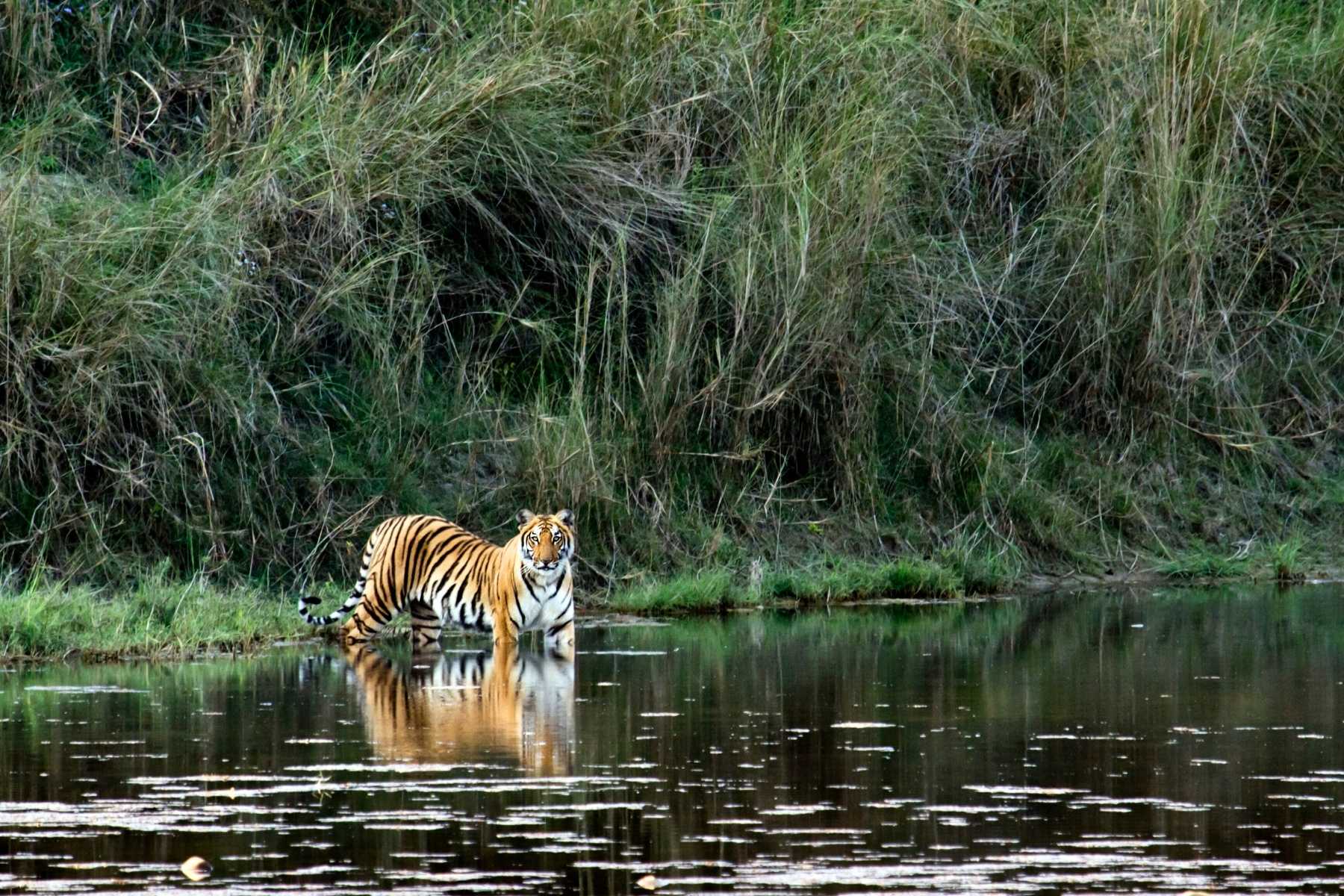
Track Bengal tigers in Bardia
Follow the serious wildlife enthusiasts and skip Chitwan for Bardia National Park to find the best tiger sightings. It’s harder to reach (a one-hour flight to Nepalgunj, then two hours by road), but that remoteness translates to Nepal’s most prolific tiger sightings and a true wilderness feel.
Since 2011, Bardia’s tiger population has increased sevenfold, earning Nepal the prestigious TX2 Award for doubling its national tiger population. Unlike anywhere else in Nepal, Bardia offers walking safaris where tigers can be encountered on foot, the expert naturalists following fresh pugmarks through ancient forests while your heart hammers in your chest. Tiger Tops Karnali Lodge, a place that runs almost entirely on solar power, offers vintage Land Rovers and guides whose families have explored these forests for generations.
Top tip: February to May is prime tiger season – it’s hot, but animals concentrate around water sources. Allow at least three nights for a decent chance of spotting your stripes.

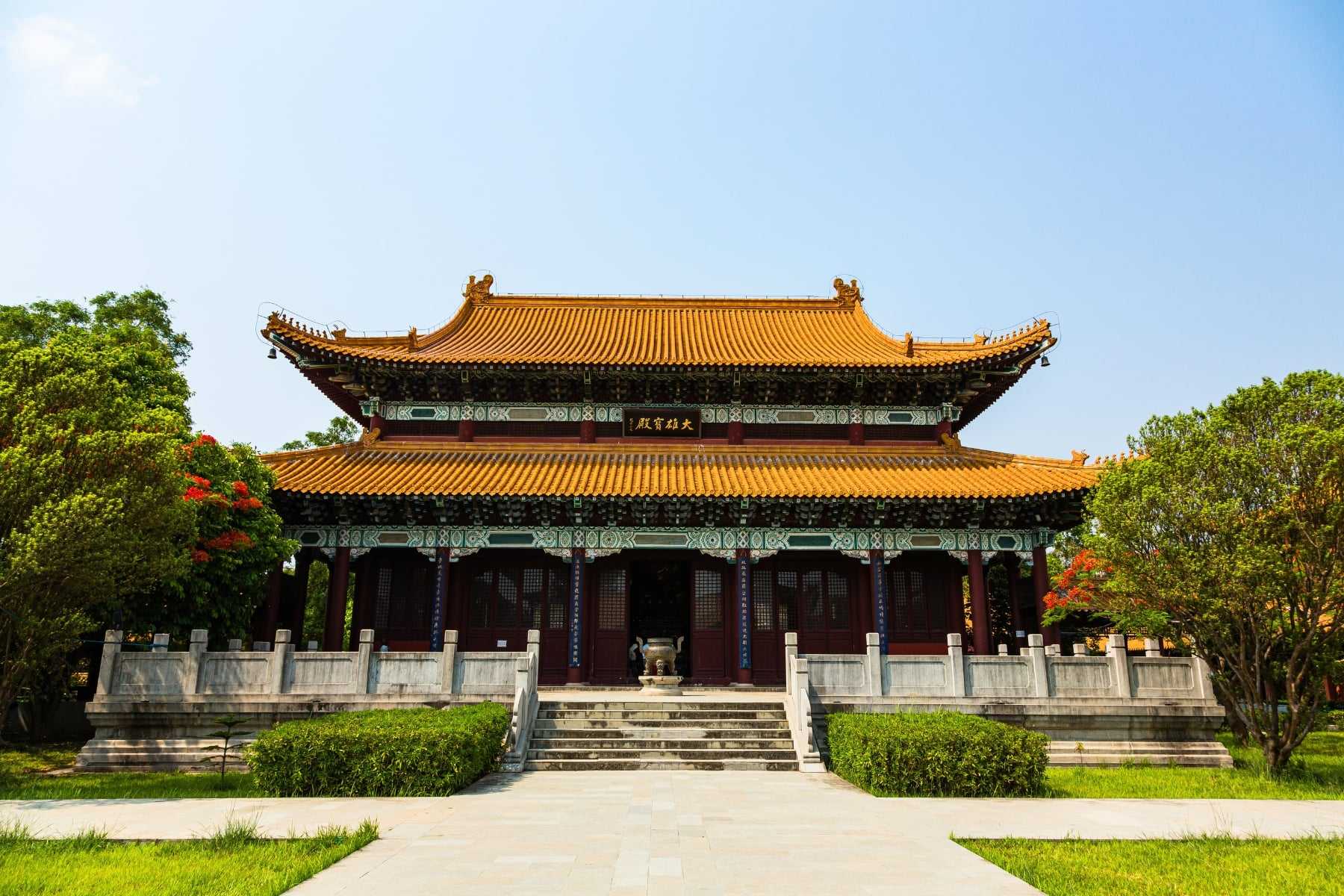
Find serenity at Lumbini
In the flat Terai plains near the Indian border, a sacred garden marks the exact spot where Siddhartha Gautama, Buddha, was born in 623 BC. It’s one of the most important pilgrimage sites in the Buddhist world, yet it remains incredibly uncrowded.
The Maya Devi Temple protects the marker stone where Queen Maya Devi gave birth, while the Ashoka Pillar (erected by the Mauryan Emperor in 249 BC) provides historical proof of the site’s authenticity. Beyond the sacred garden, 32 international monasteries represent Buddhist traditions from Thailand to Germany, each with distinctive architecture and active monastic communities. The atmosphere is one of tranquillity – prayer flags fluttering, monks padding softly between temples – and the chaos of Nepal feels very far away indeed.
Top tip: The new Gautam Buddha International Airport makes Lumbini far more accessible and it’s now just a 30-minute transfer from Bhairahawa.

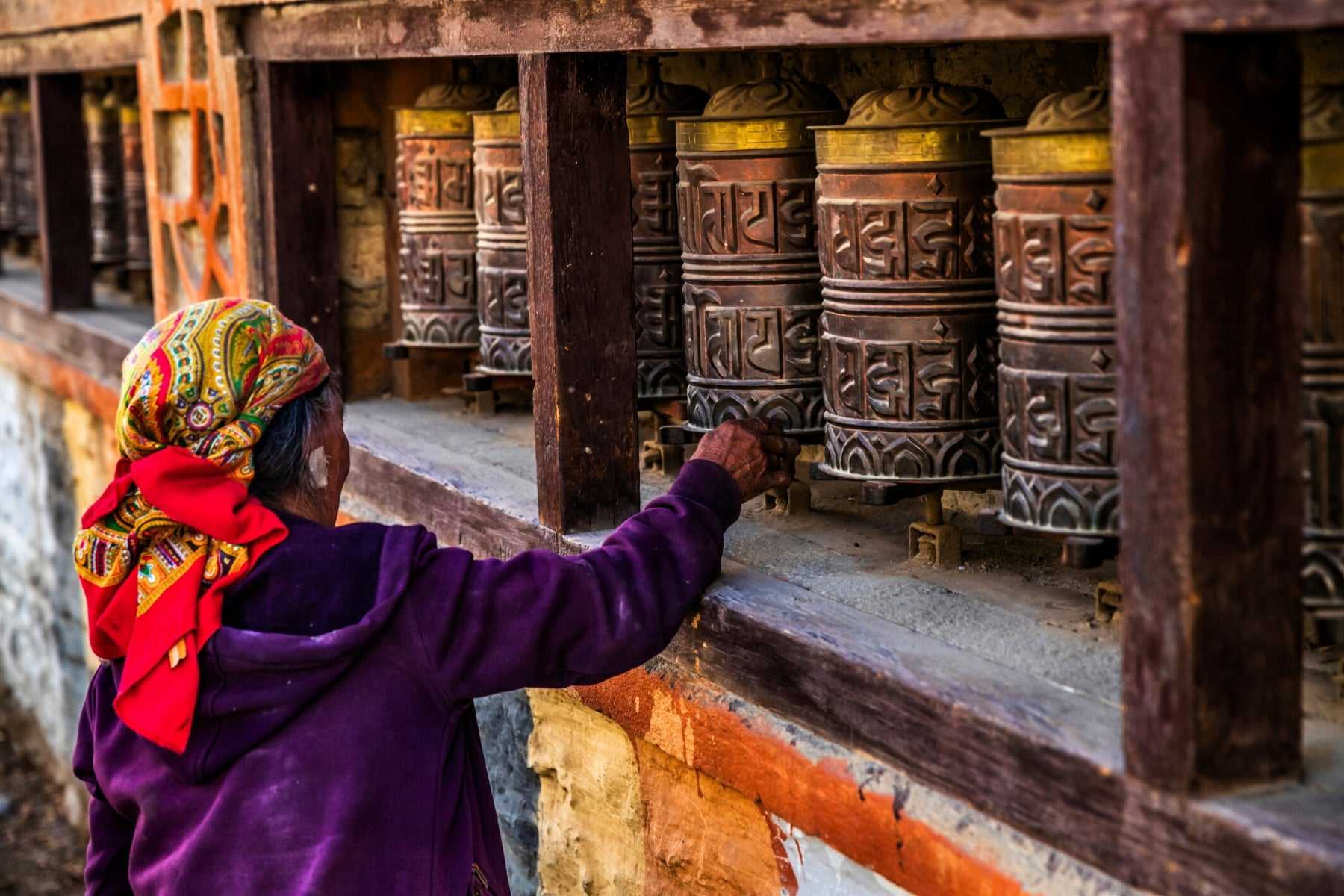
Journey to the Forbidden Kingdom of Upper Mustang
Closed to foreigners until 1992 and still requiring a special permit ($500 for ten days), Upper Mustang feels less like Nepal and more like stepping into medieval Tibet. The landscape is lunar: wind-sculpted cliffs in ochre and rust, prayer flags snapping in the constant wind, ancient cave dwellings carved into impossible rock faces.
The walled city of Lo Manthang, home to around 1,100 people in 180 mud-brick houses, showcases Tibetan Buddhist culture in its purest form, with four ancient monasteries continuing traditions established when Guru Rinpoche first brought Buddhism here in the 8th century. Shinta Mani Mustang, designed by Bill Bensley and reopened in 2023, brings a spot of luxury to the remote region, with 29 suites with floor-to-ceiling Himalayan views, traditional Amchi (Tibetan medicine) consultations, and ‘Adventure Butlers’ to guide your private treks.
Top tip: Time your visit for the Tiji Festival (May 13-15, 2026), when three days of masked dances transform the royal palace courtyard.

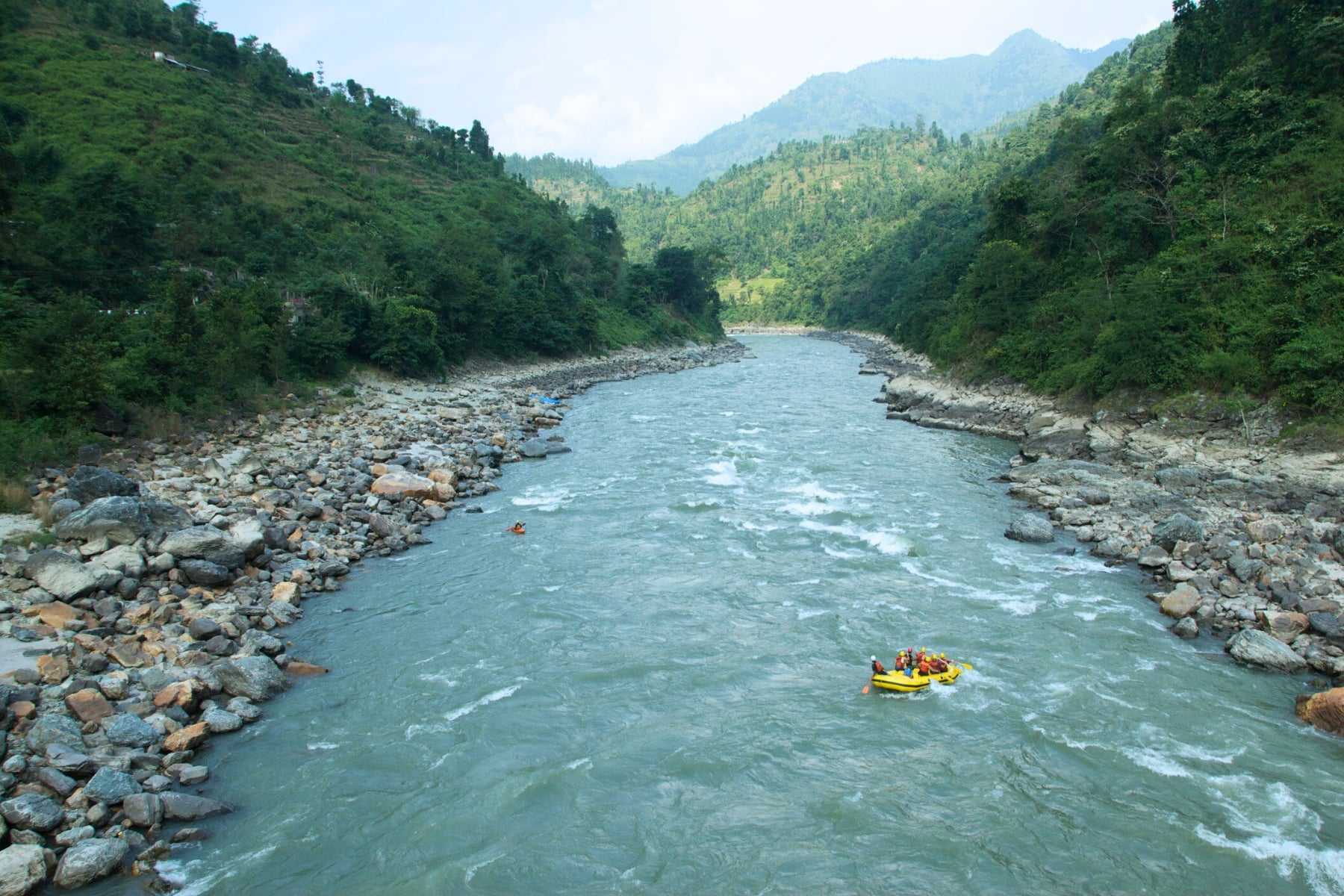
Embark on a whitewater rafting adventure
Nepal’s rivers drop from glacial sources above 8,000 metres to the plains of the Ganges below 100 metres – a vertical descent that creates some of the world’s finest whitewater. The Karnali River, Nepal’s longest, offers a 10-day expedition through Class IV-V rapids, remote gorges and riverside camps on white sandy beaches, finishing at Bardia National Park. A highlight is the Sun Koshi, traversing 272 kilometres from the Tibetan border through a ‘Jungle Corridor’ of non-stop whitewater.
This isn’t your average rafting trip. Multi-day expeditions mean campfire dinners under the stars and alfresco sleeping, but quality operators provide gourmet meals, professional safety kayakers and all the kit – you just need to paddle (and occasionally hold on tight).
Top tip: October to November and March to May offer optimal water levels. The Karnali can be combined with a Bardia safari for the ultimate adventure-wildlife combo.
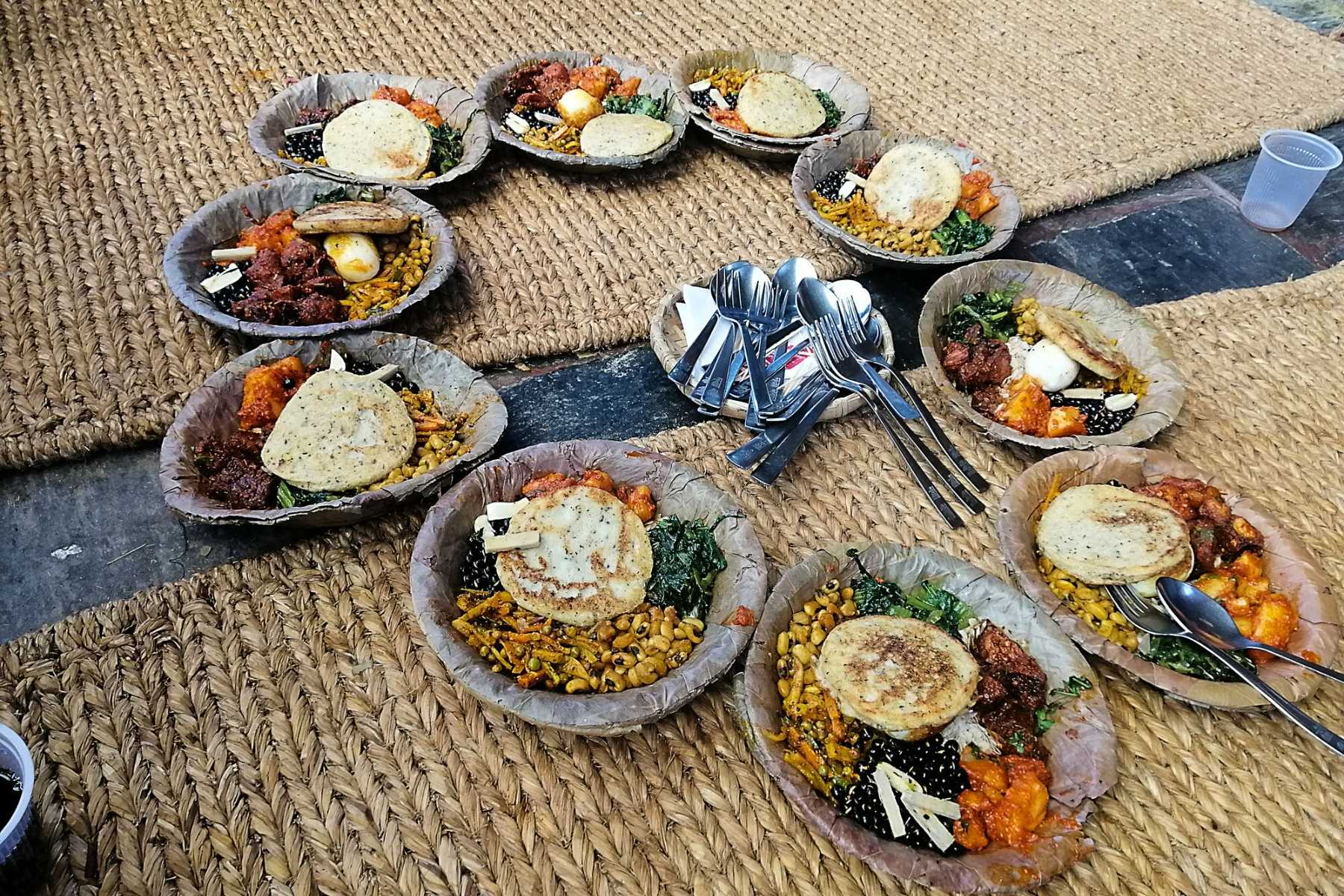
Feast on Nepal’s extraordinary cuisine
Nepali food deserves far more attention than it ever receives. Yes, there’s dal bhat (the national dish of lentils, rice and vegetables that fuels every trekker), but dig deeper and you’ll discover Newari feasts, Tibetan momos and regional variations that reflect the country’s diversity.
For the full experience, Krishnarpan at Dwarika’s Hotel offers six to 22 course tasting menus where waiters in traditional dress present laden dishes from different communities. Guests remove shoes to sit at low tables, and the meal is a cultural journey as well as a taste explosion. At the other end of the spectrum, Kathmandu’s street food scene delivers steamy momo shops making 10,000 dumplings daily and Bhaktapur’s legendary juju dhau (the ‘King of Yogurt’). Cooking classes include rickshaw rides through Asan Bazaar’s spice-scented chaos, where sacks of turmeric and chili overflow beside vendors selling momo masala.
Top tip: The Pavilions Himalayas in Pokhara offers outstanding farm-to-table dining with Annapurna views – the perfect way to refuel after (or before) adventure.

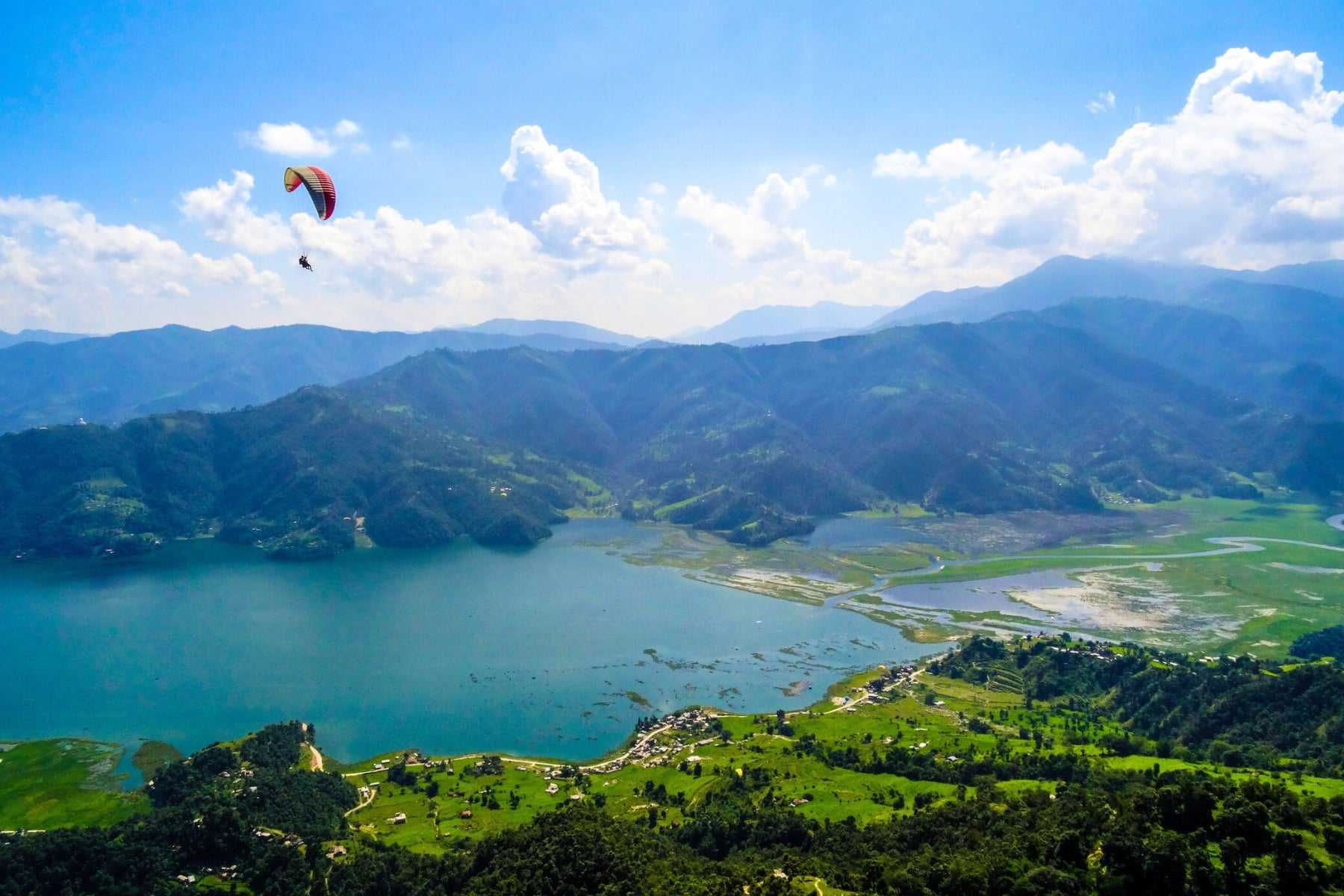
Soar above Pokhara’s lakes and peaks
Pokhara – Nepal’s adventure capital – sits at the base of the Annapurna massif, with sacred Machapuchare (the “Fishtail Mountain”) rising impossibly above Phewa Lake. And the best way to appreciate this geography? From the air.
A tandem paraglide from Sarangkot will launch you into the thermal currents alongside circling hawks, with 20-60 minutes of silent soaring and views that stretch from the lake’s mirror surface to snow-capped peaks. On strong thermal days, pilots reach altitudes of 2,900+ metres – far higher than your starting point. For something more sedate, there are also sunrise hot air balloon flights, while ultralight aircraft provide open-cockpit journeys into Annapurna’s passes, bringing you within 100 feet of snow-covered peaks. It’ll feel like you could wipe snow off the mountains with your hand…
Top tip: Book paragliding for mid-morning when thermals are strongest. Standard flights cost $90-140; splurge on the longer ‘high flight’ for maximum altitude and airtime.

From the sacred to the adrenaline-fuelled, the ancient to the luxurious, this small Himalayan kingdom delivers experiences that genuinely shift your perspective. Whether you’re tracking tigers through pristine jungle, watching cremation fires along a holy river, or simply sitting in silence as the sun hits Everest’s summit, Nepal has a way of making everything else feel rather small. So dust off your passport and say hello to your next great adventure.
Latest blogs


As seen in